


Successfully overwintering potted plants, from terrace to conservatory
Preparing potted plants for winter begins as soon as the nights turn cooler, well before the first frosts. It comes down to two simple questions: can the plant tolerate the cold, and can the planter holding it stay outdoors over winter? A resilient plant in a fragile planter, or the reverse, and the whole arrangement will suffer.
Which plants to bring indoors before winter
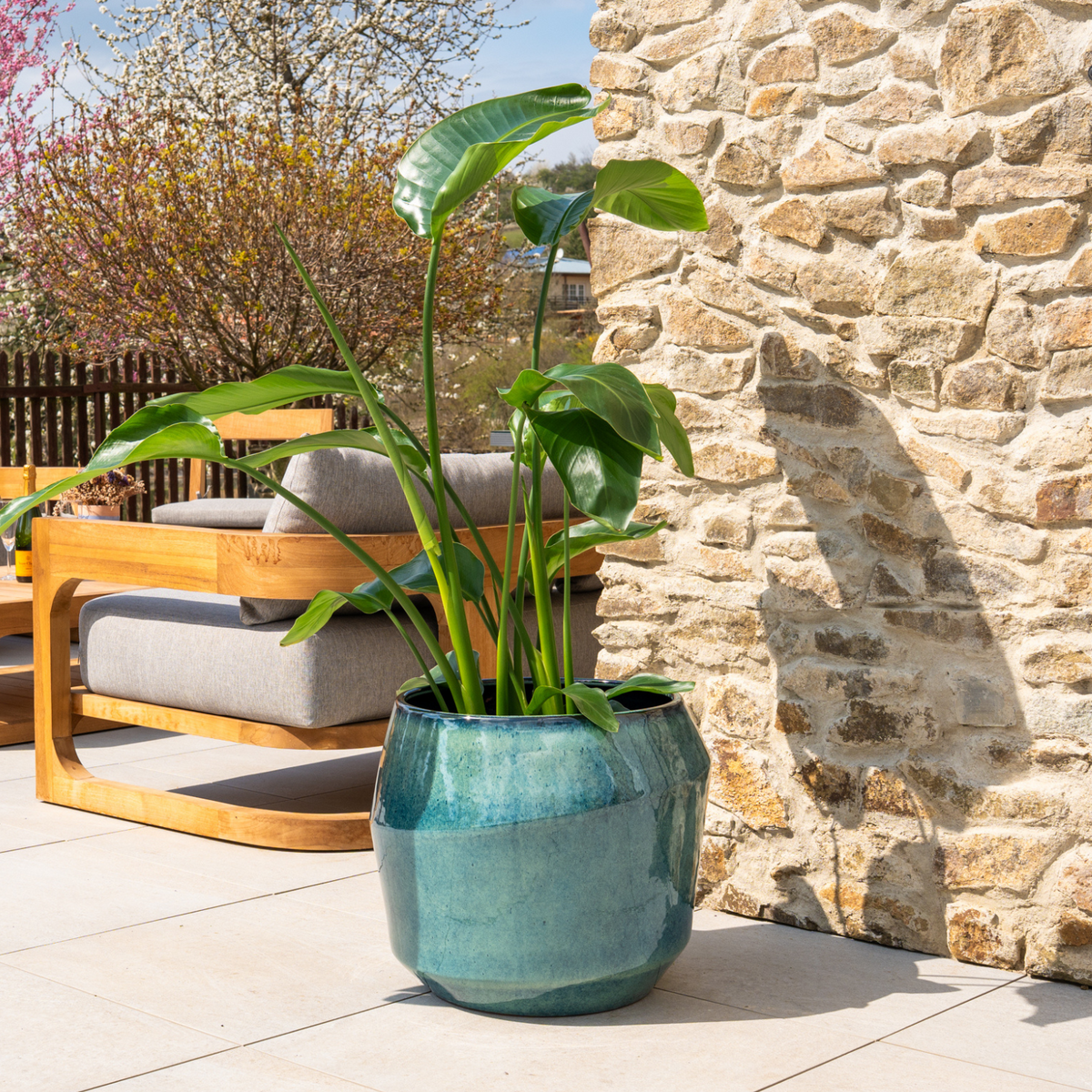
Plants of tropical or subtropical origin benefit from spending winter under cover: citrus trees in regions with pronounced winters, bougainvillea, hibiscus, strelitzia, geraniums, as well as houseplants brought onto the terrace for summer, such as ficus or kentia palms. A bright, lightly heated conservatory is their best refuge.
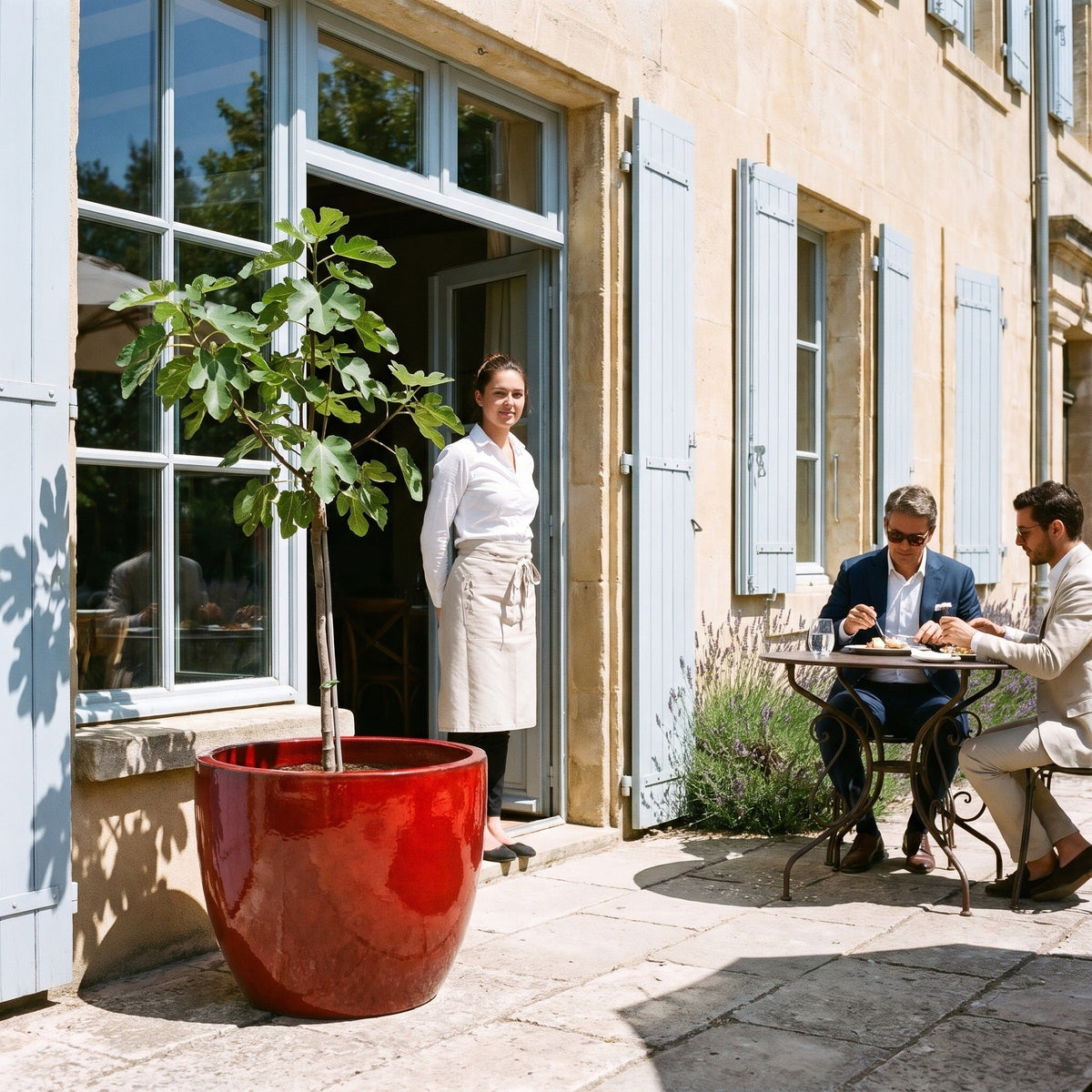
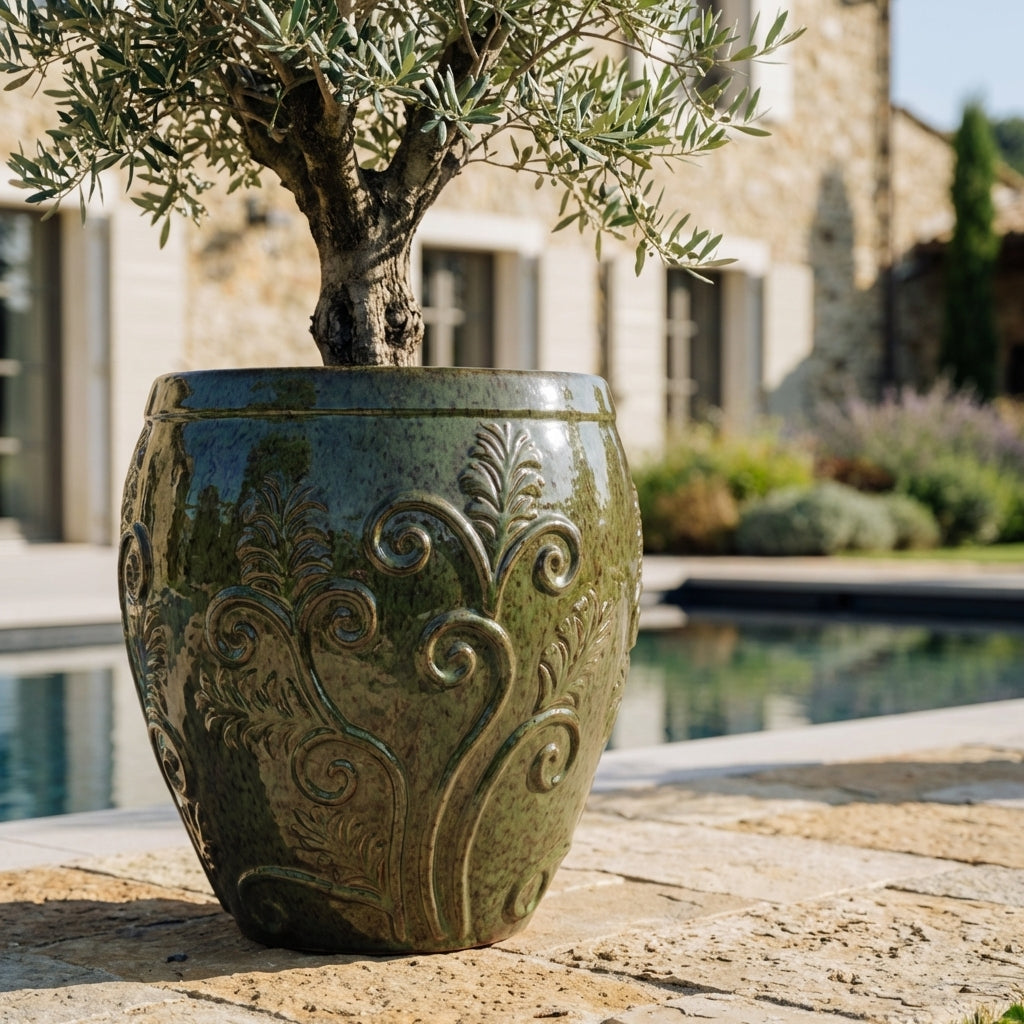
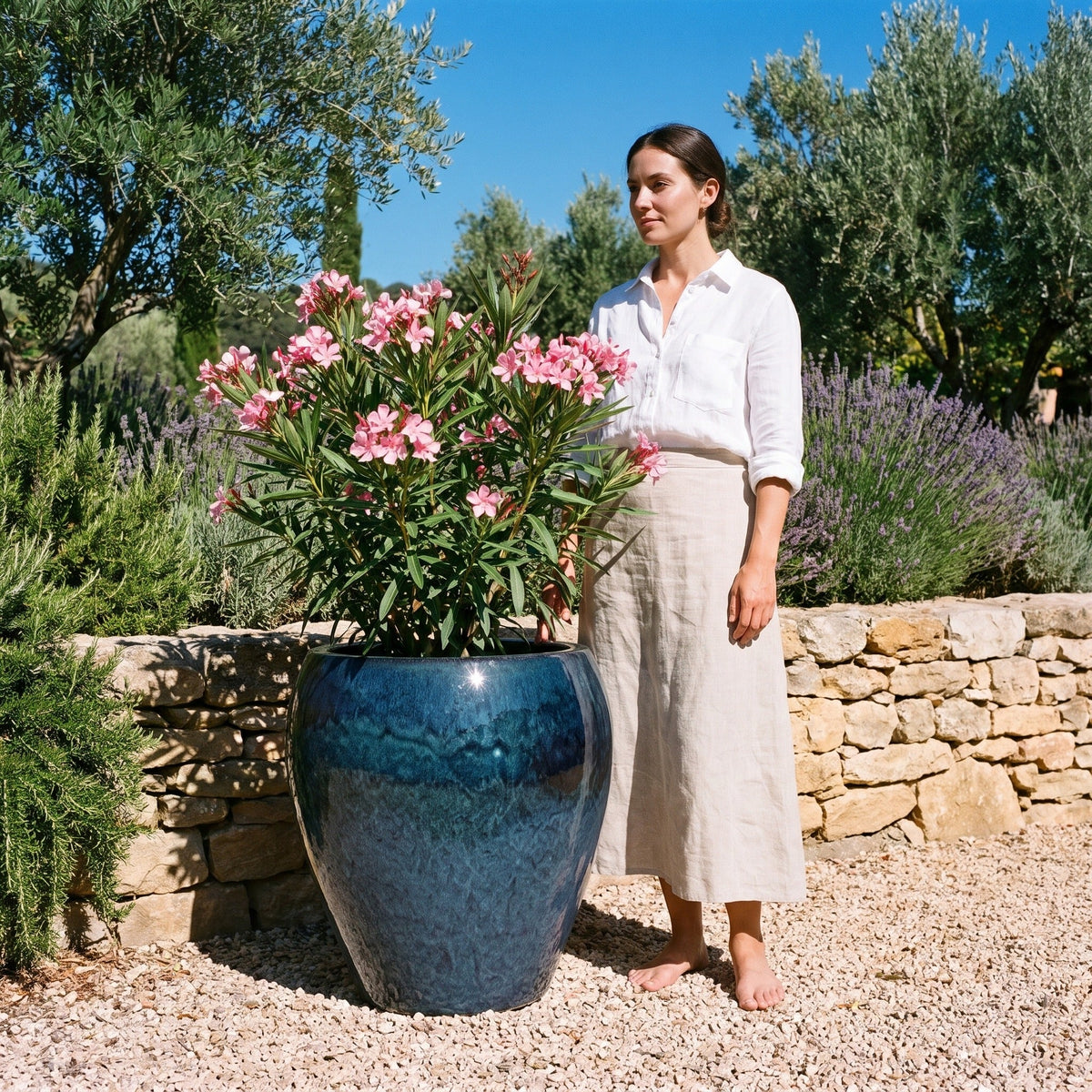
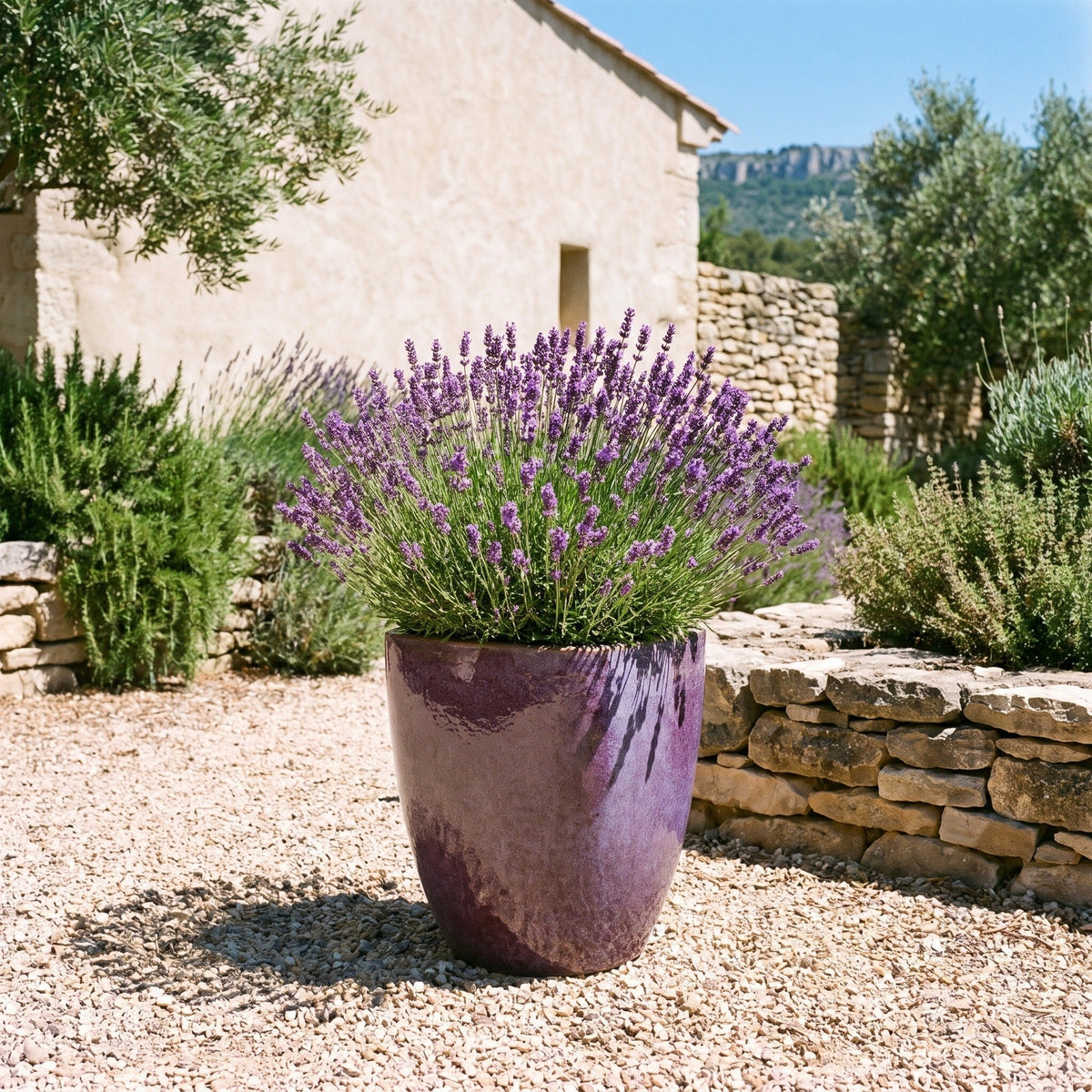
Others remain outdoors without difficulty. Olive trees, lavender, rosemary, ornamental grasses and evergreen shrubs can all get through winter outside, provided their planter can too.
The planter matters as much as the plant
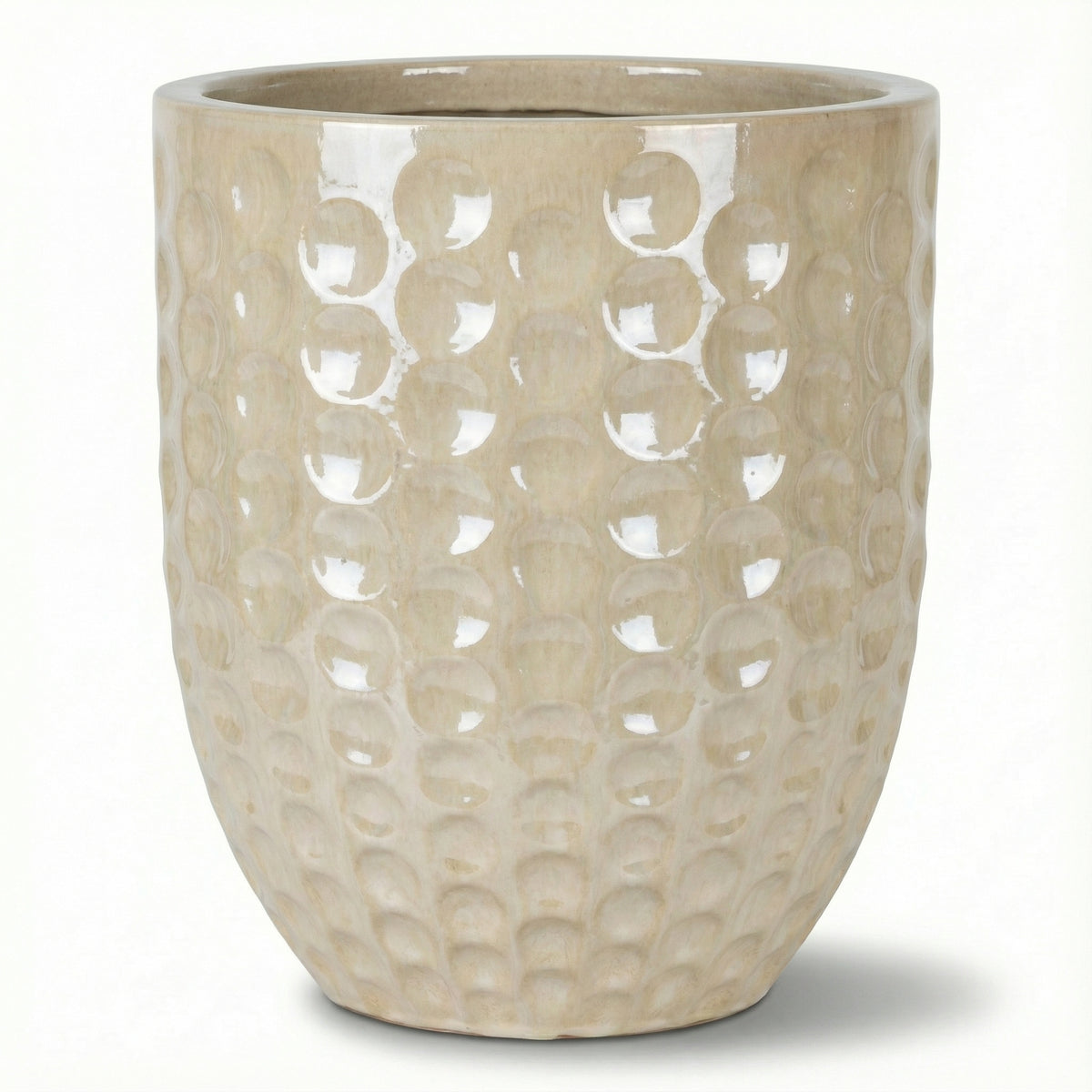
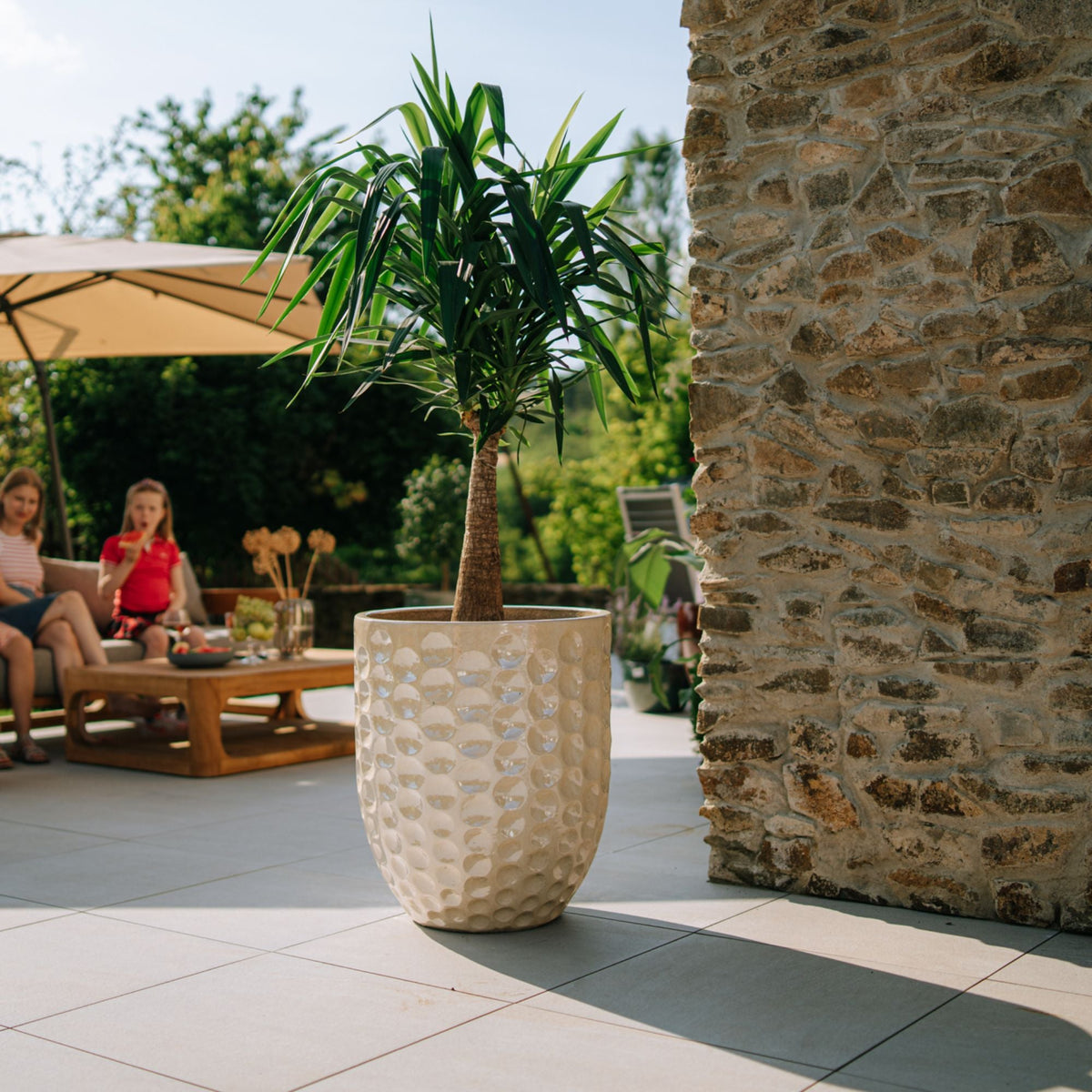
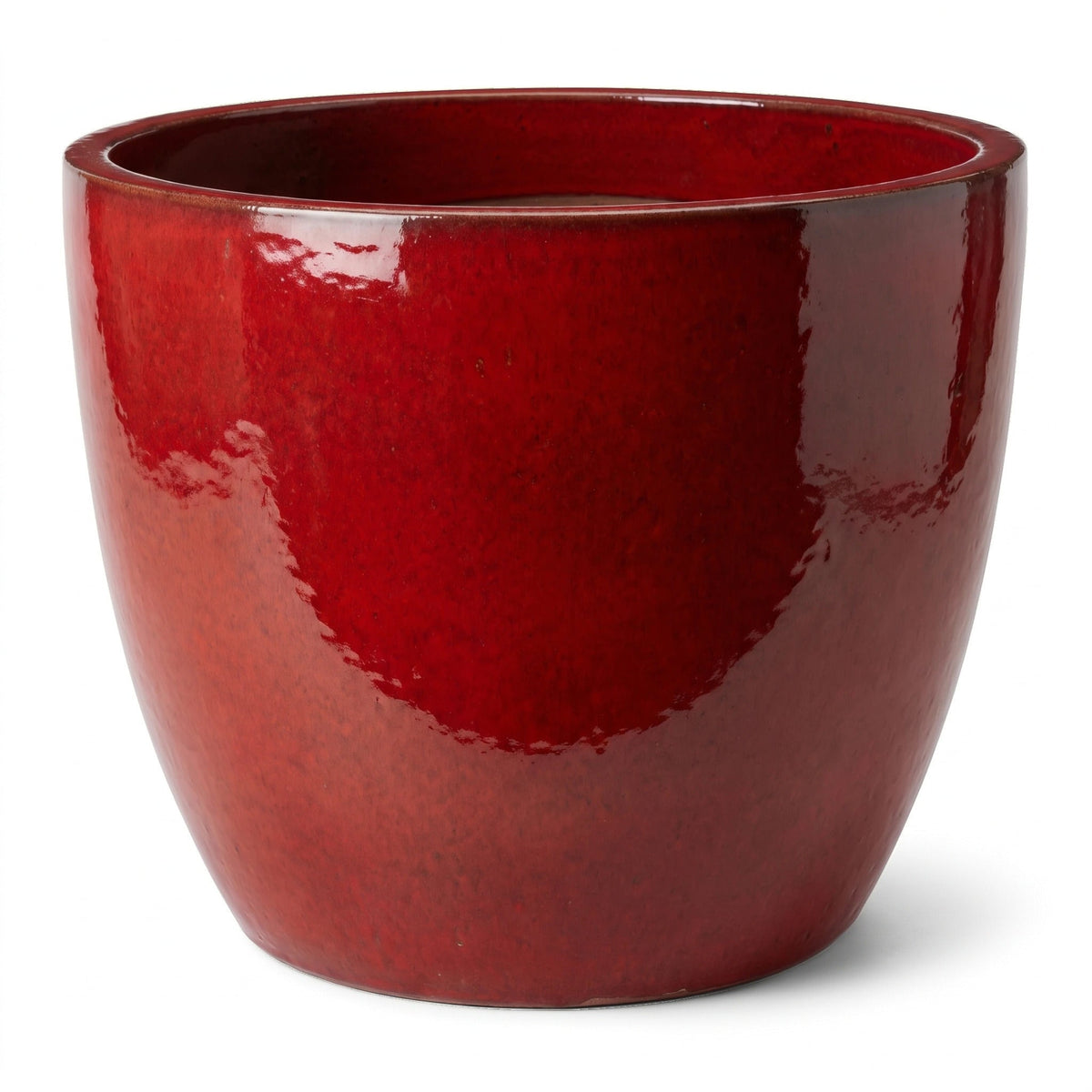
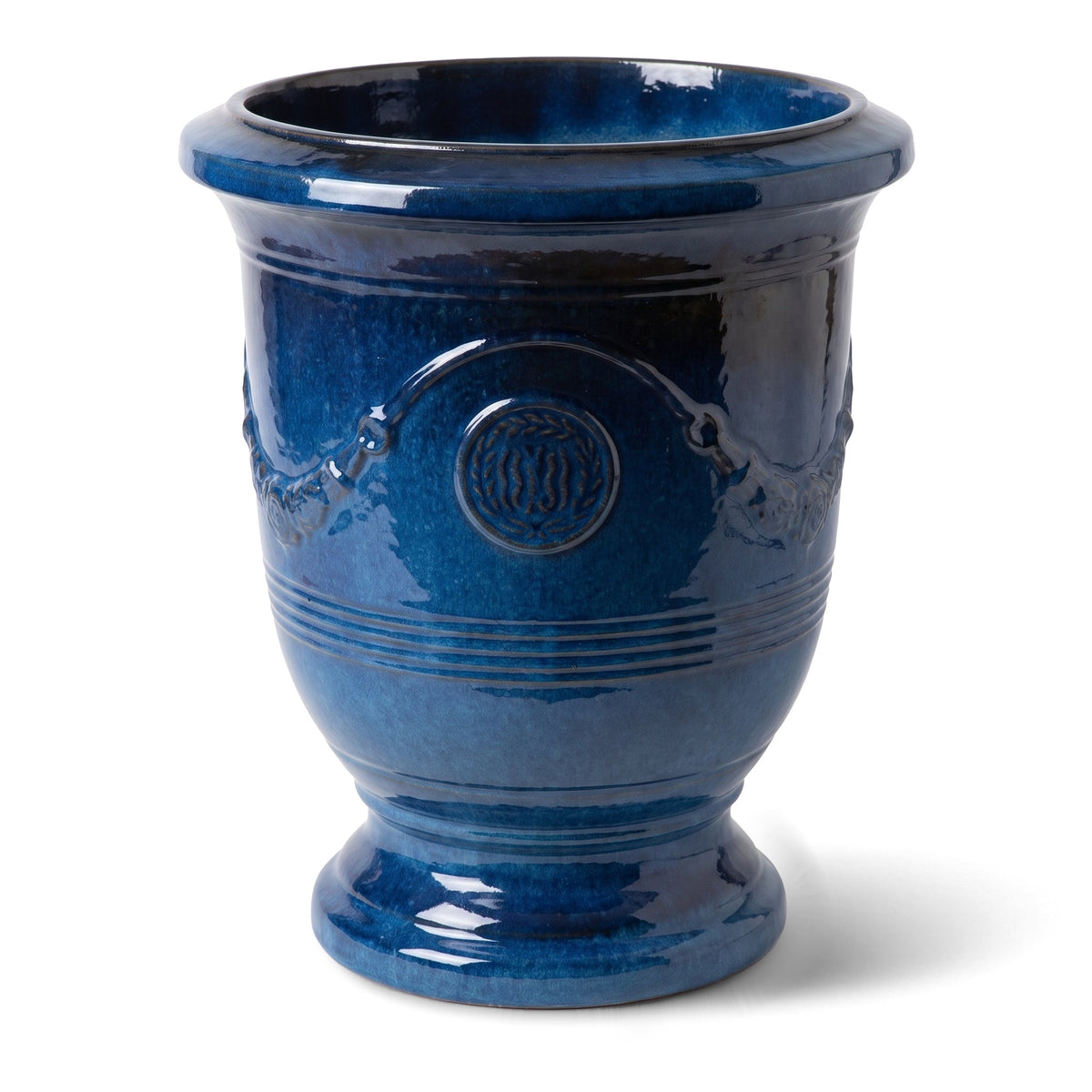
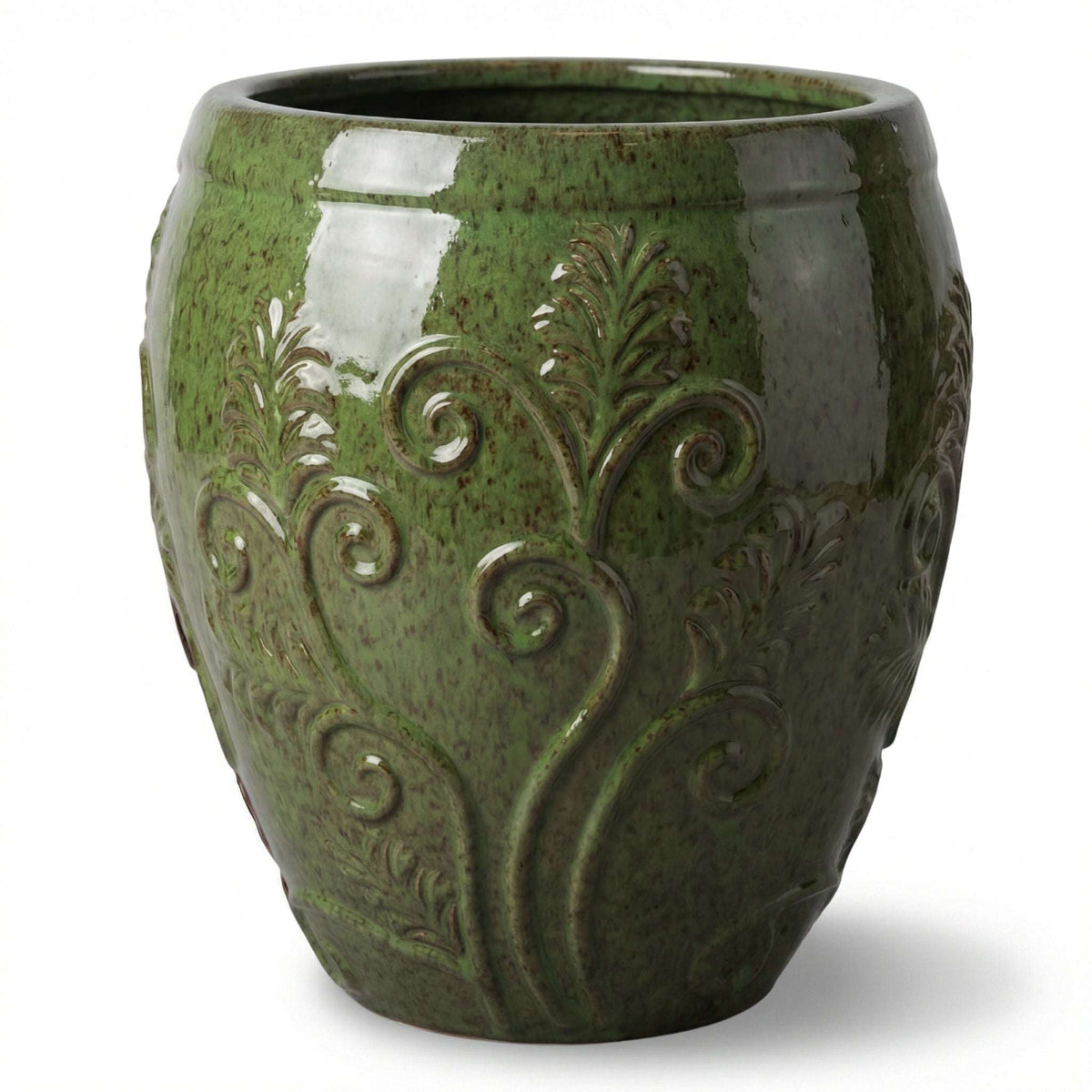
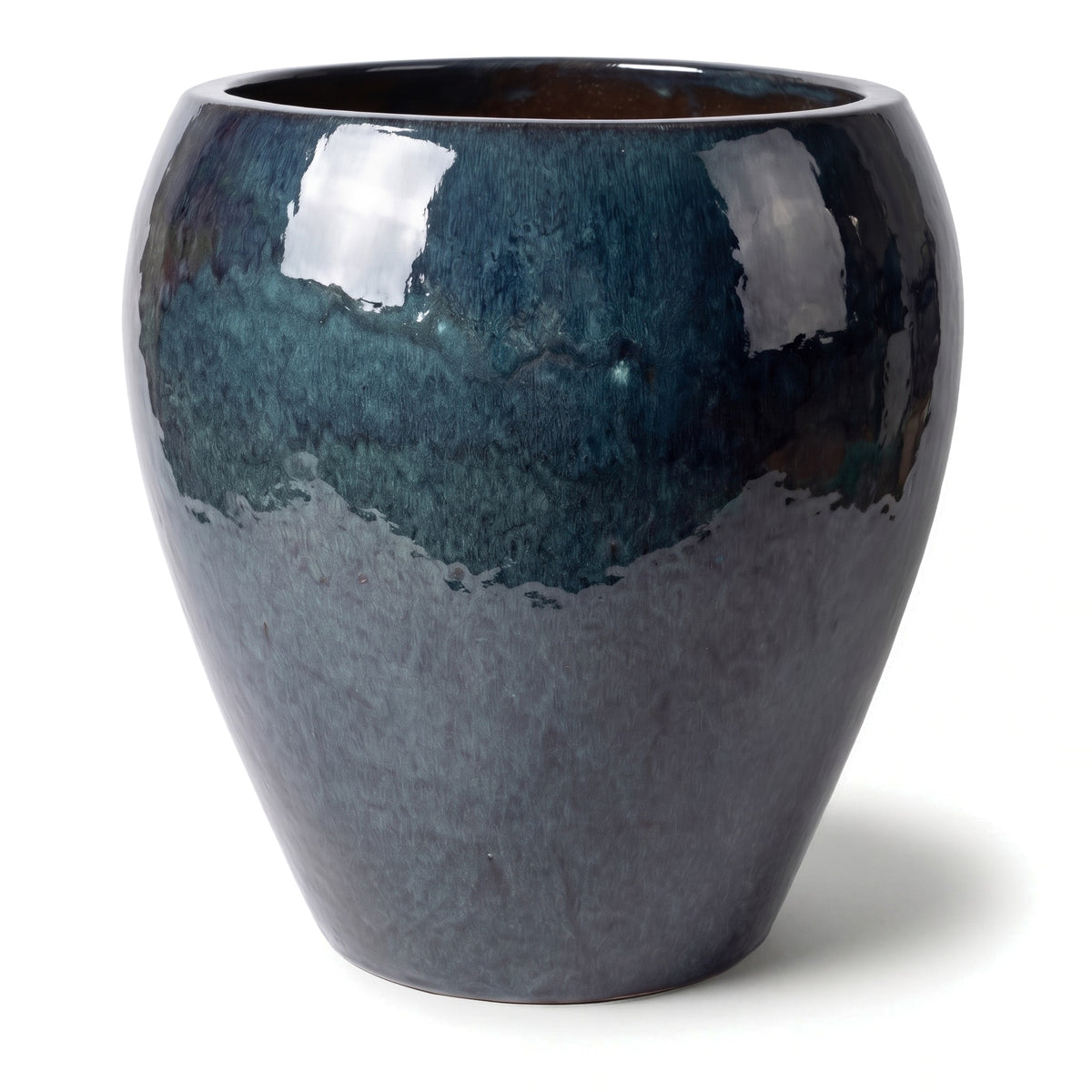
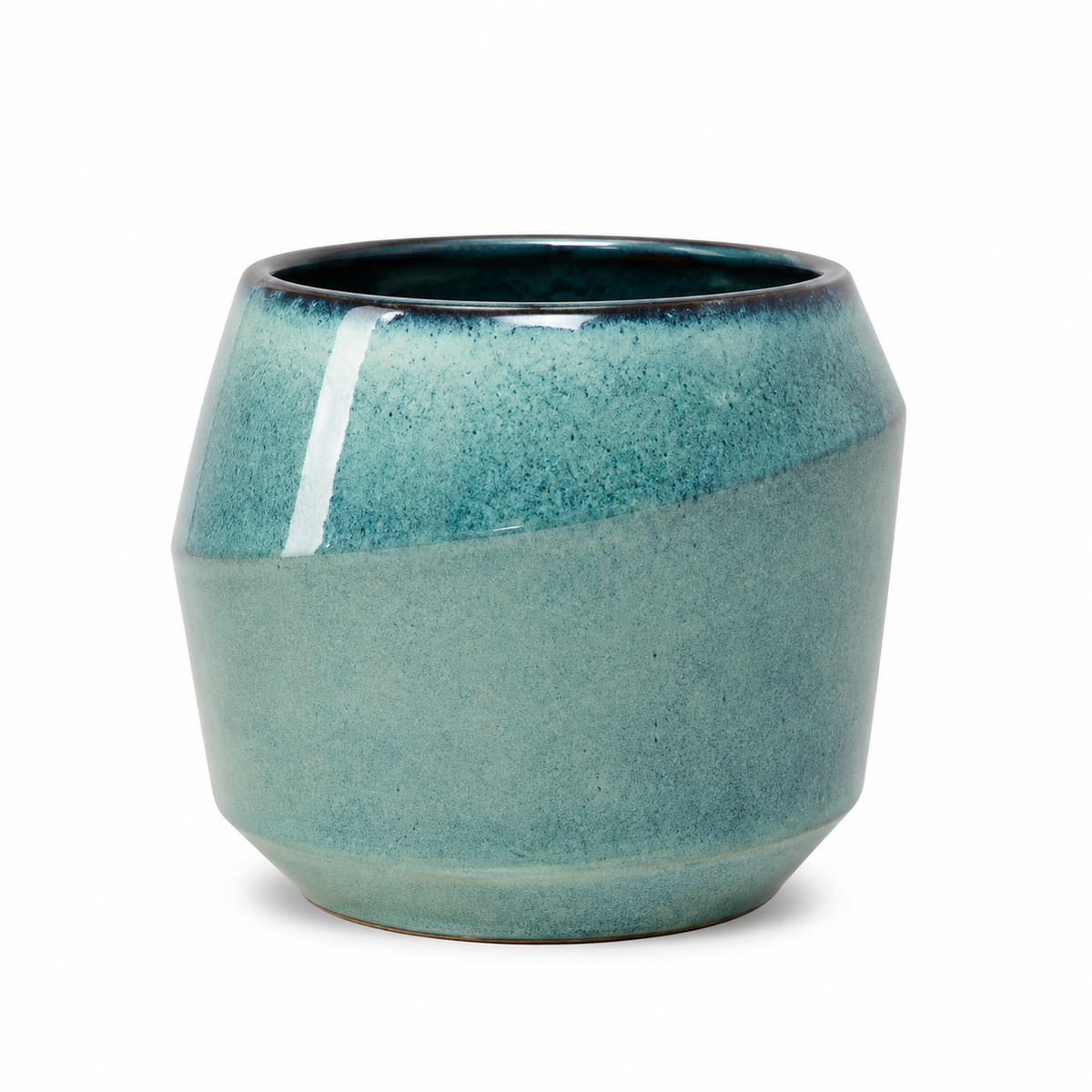
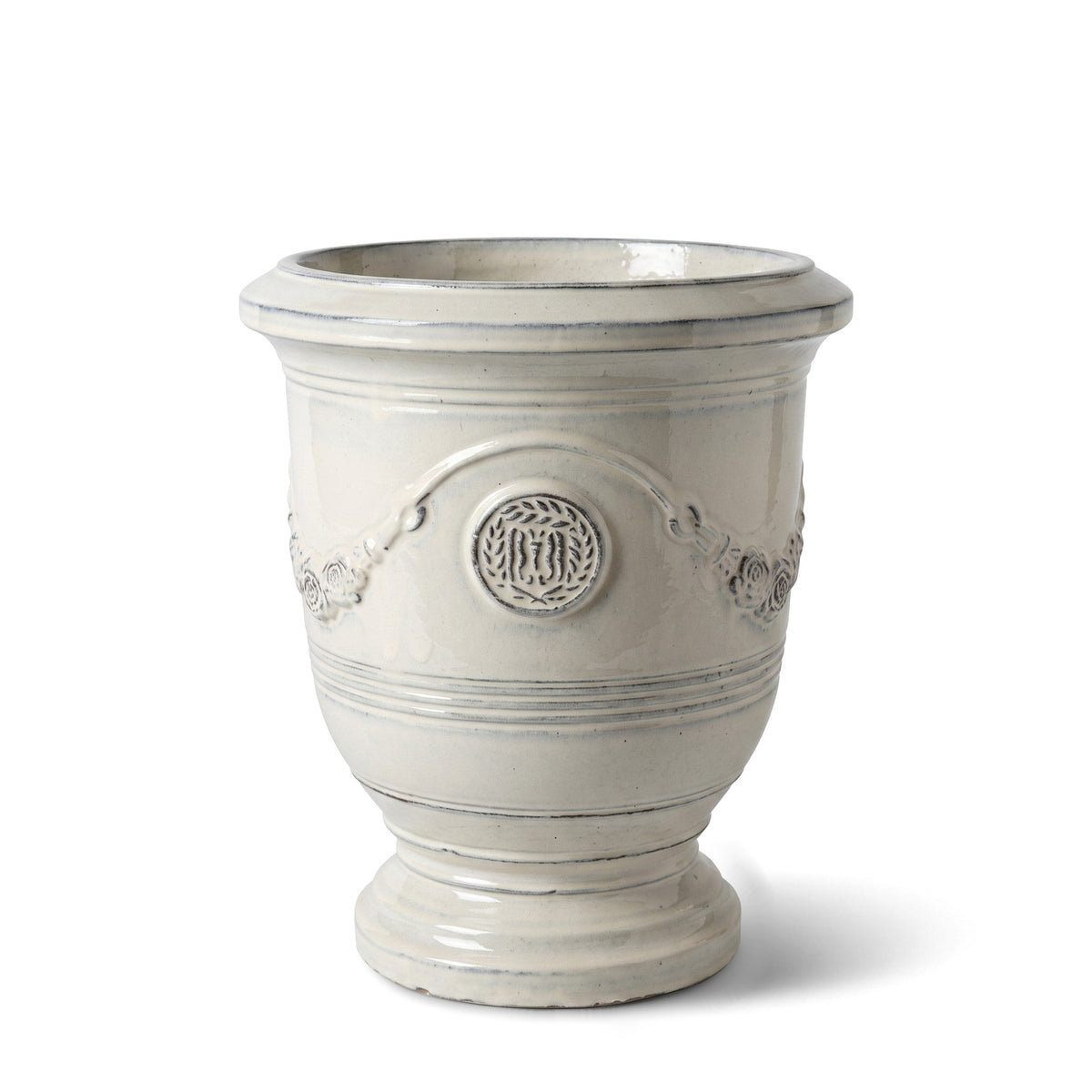
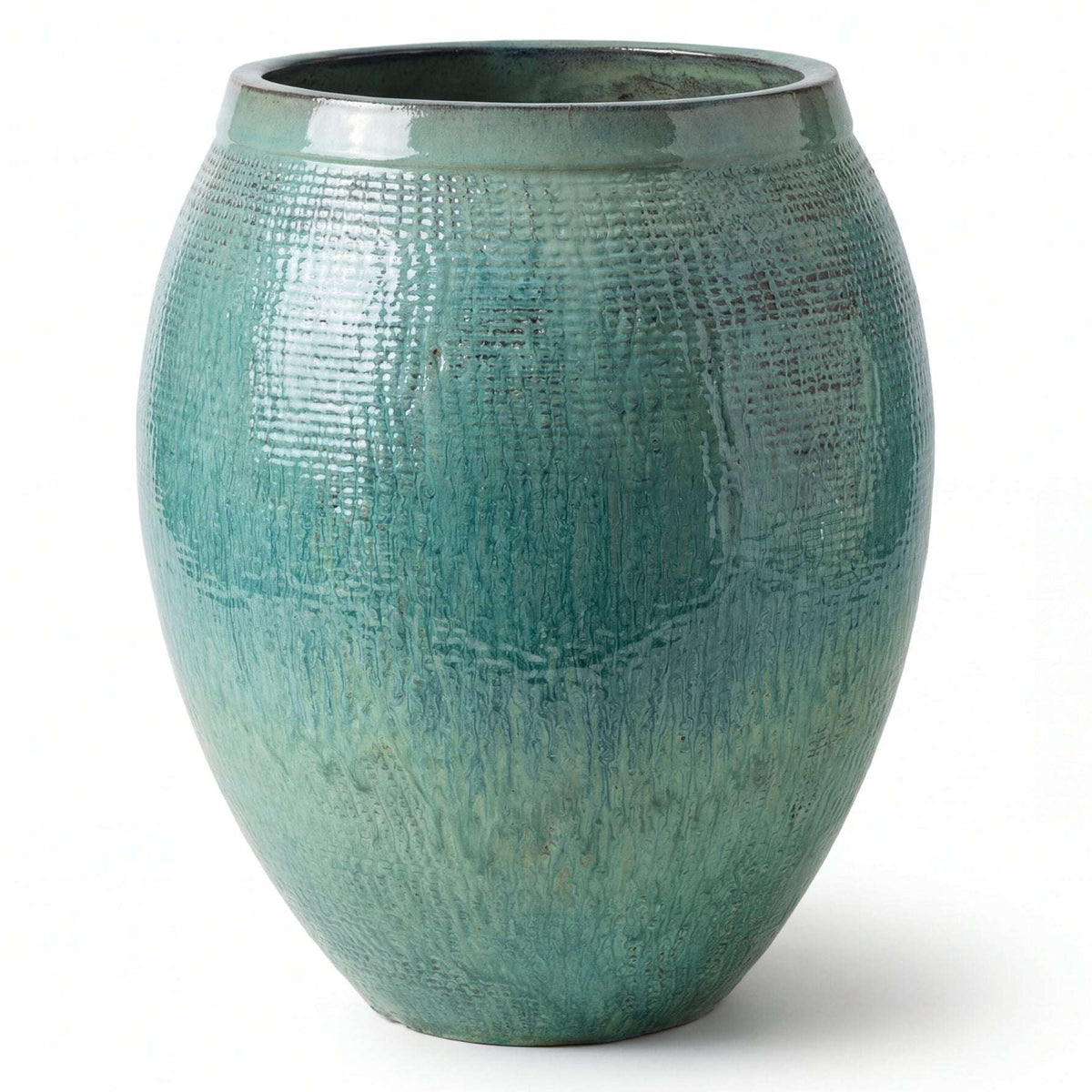
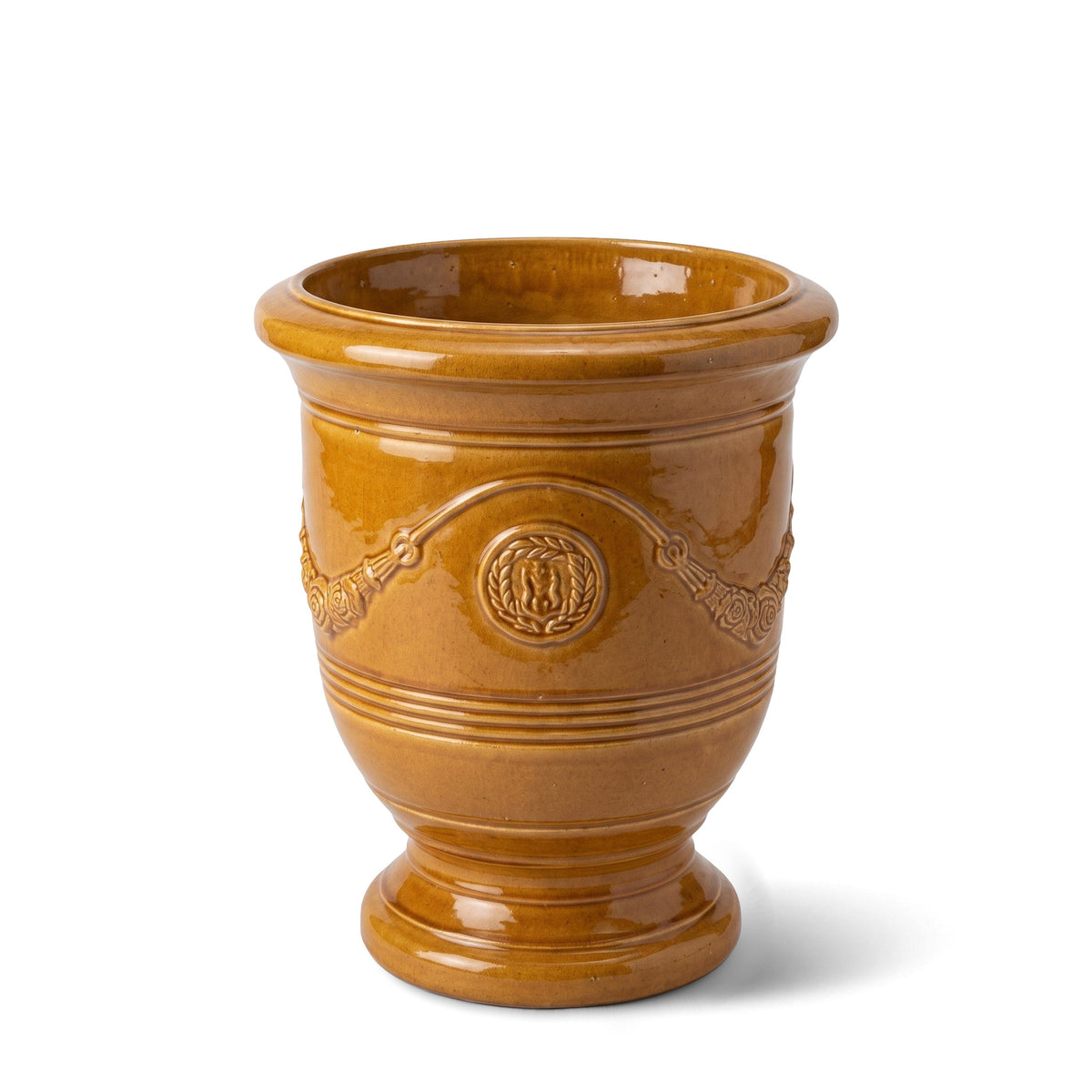
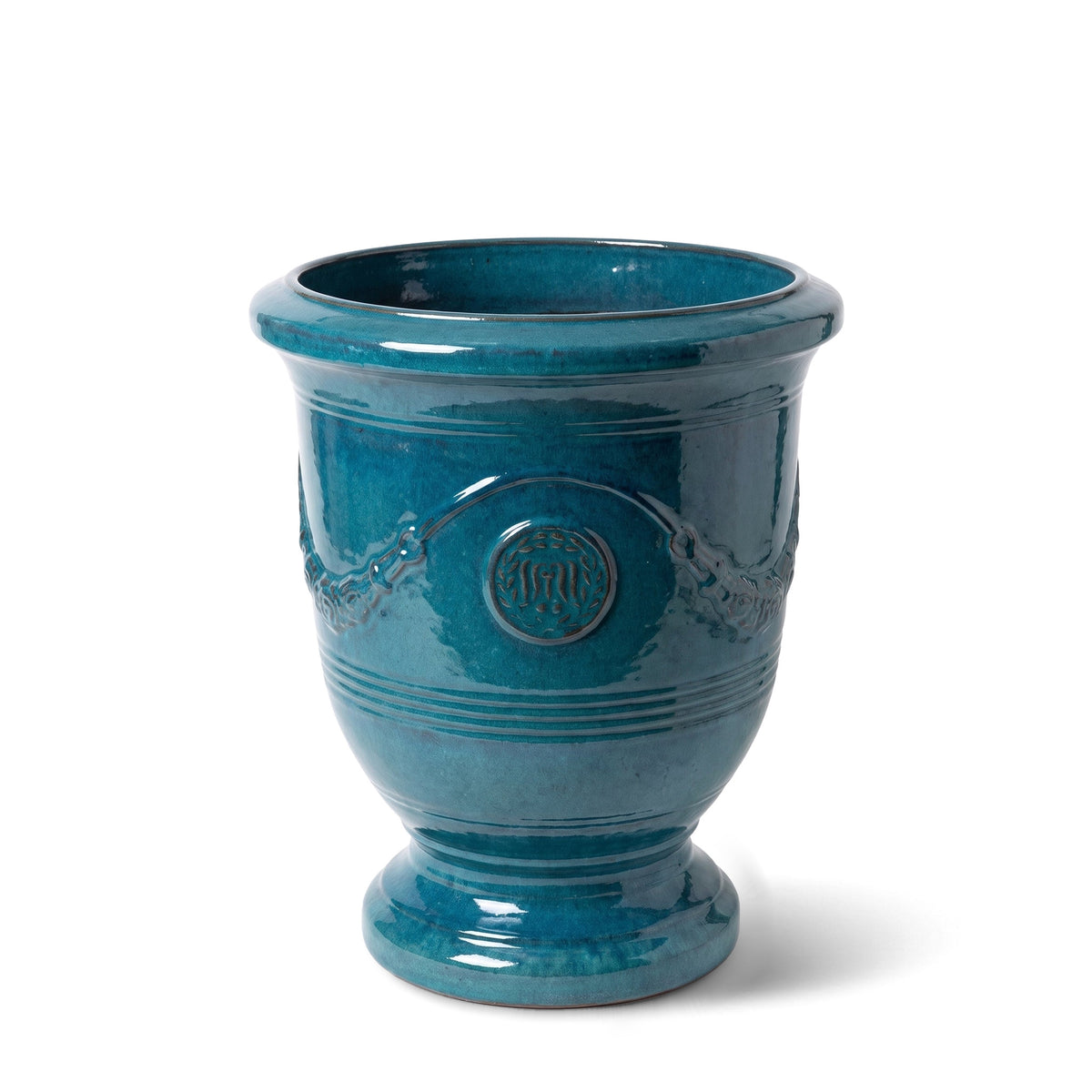
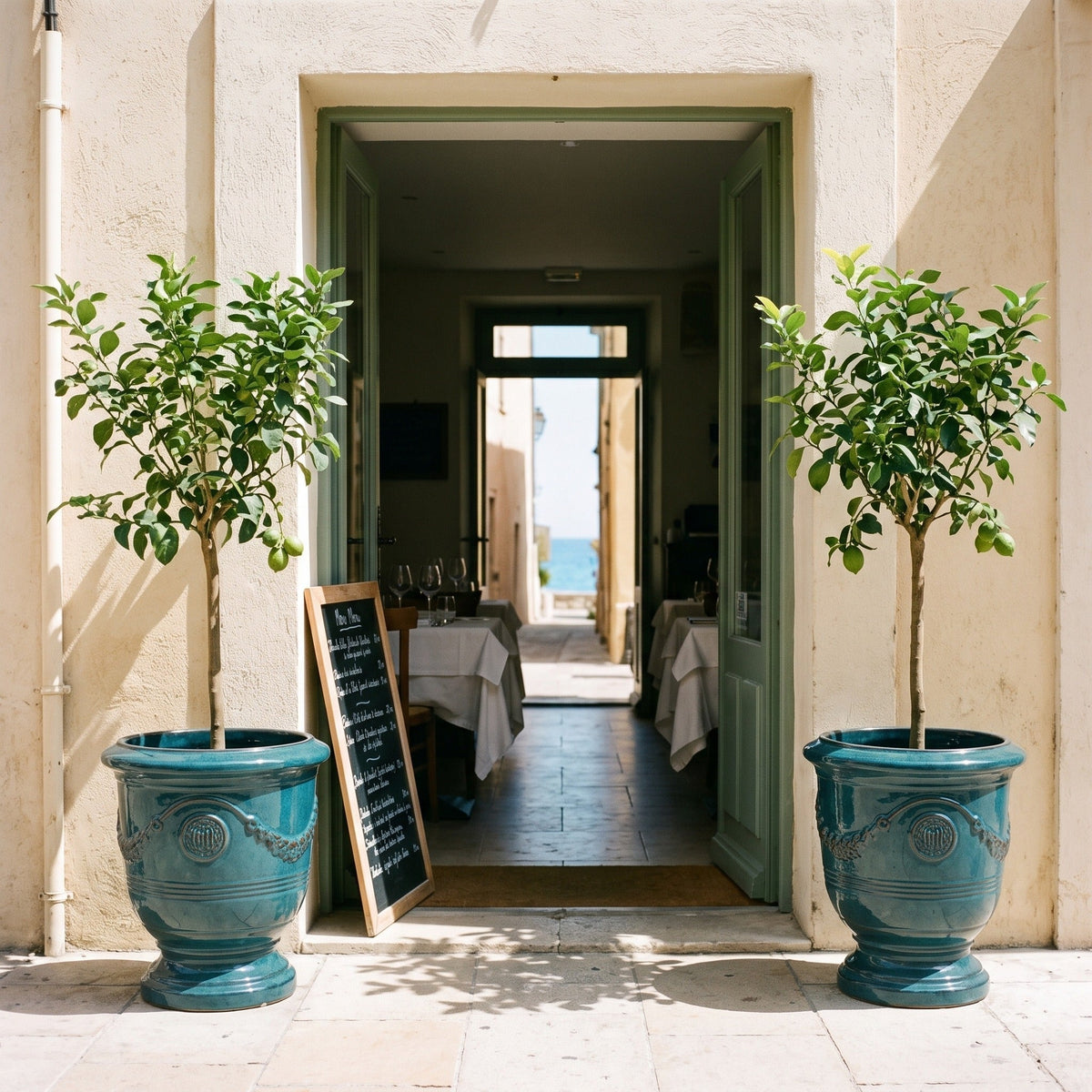
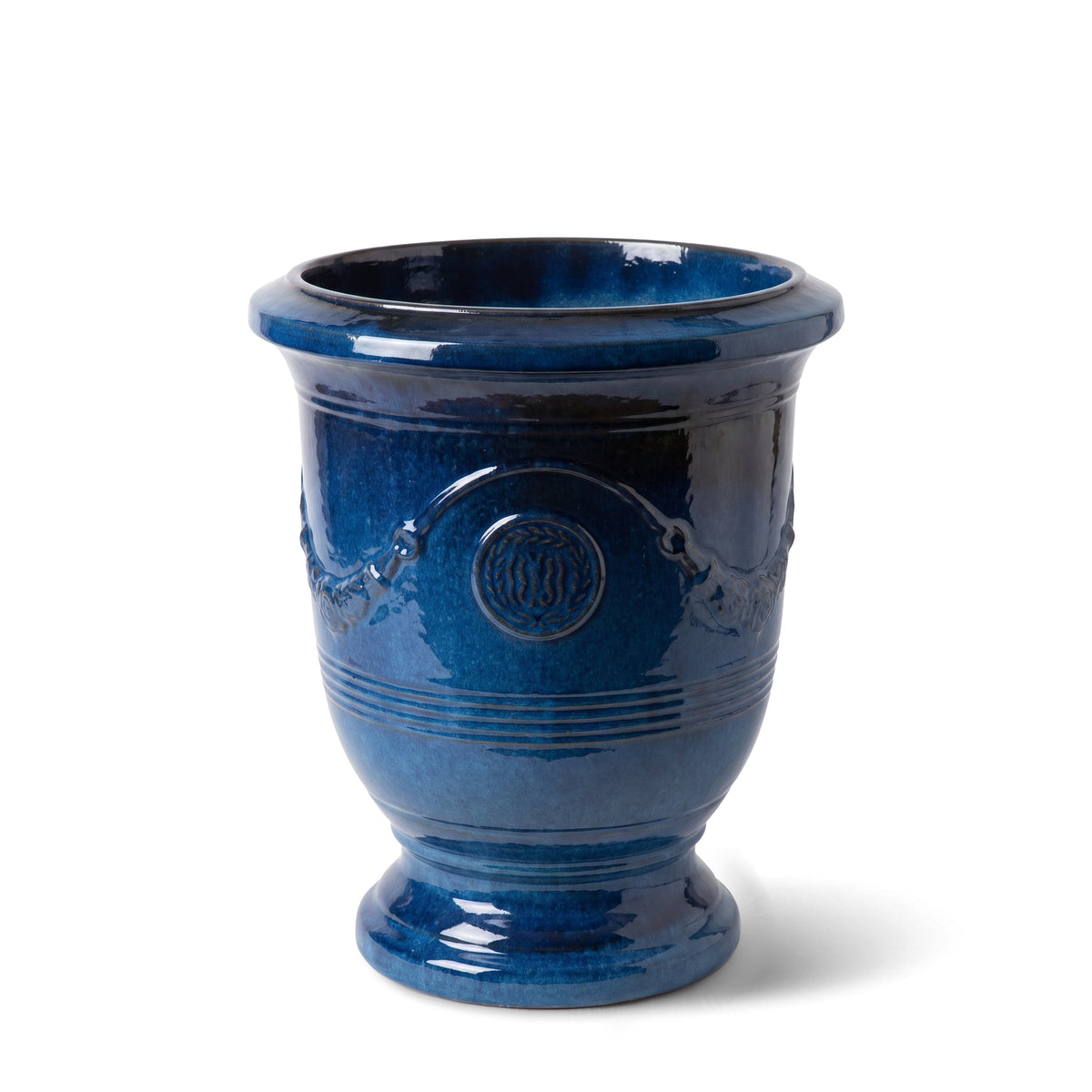
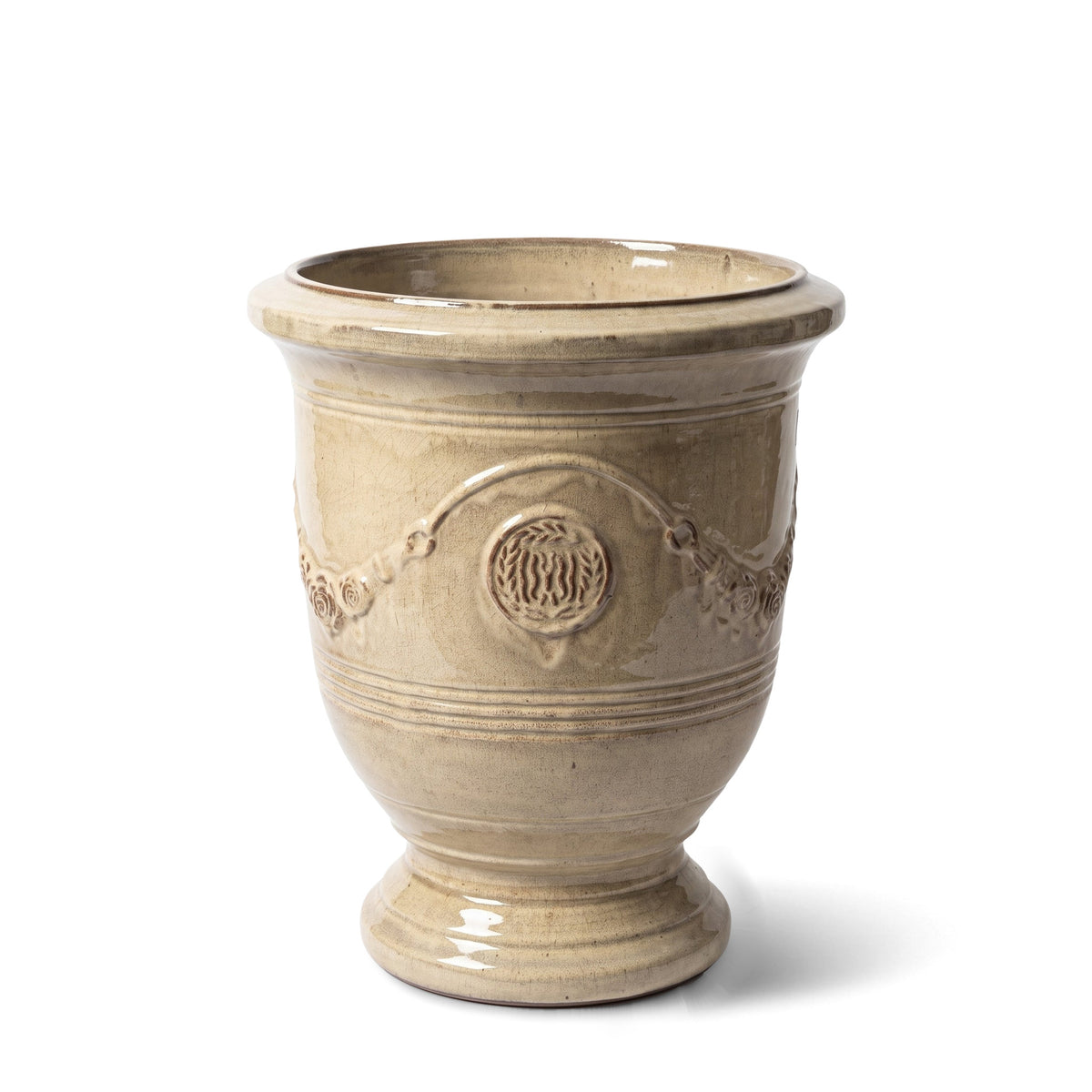
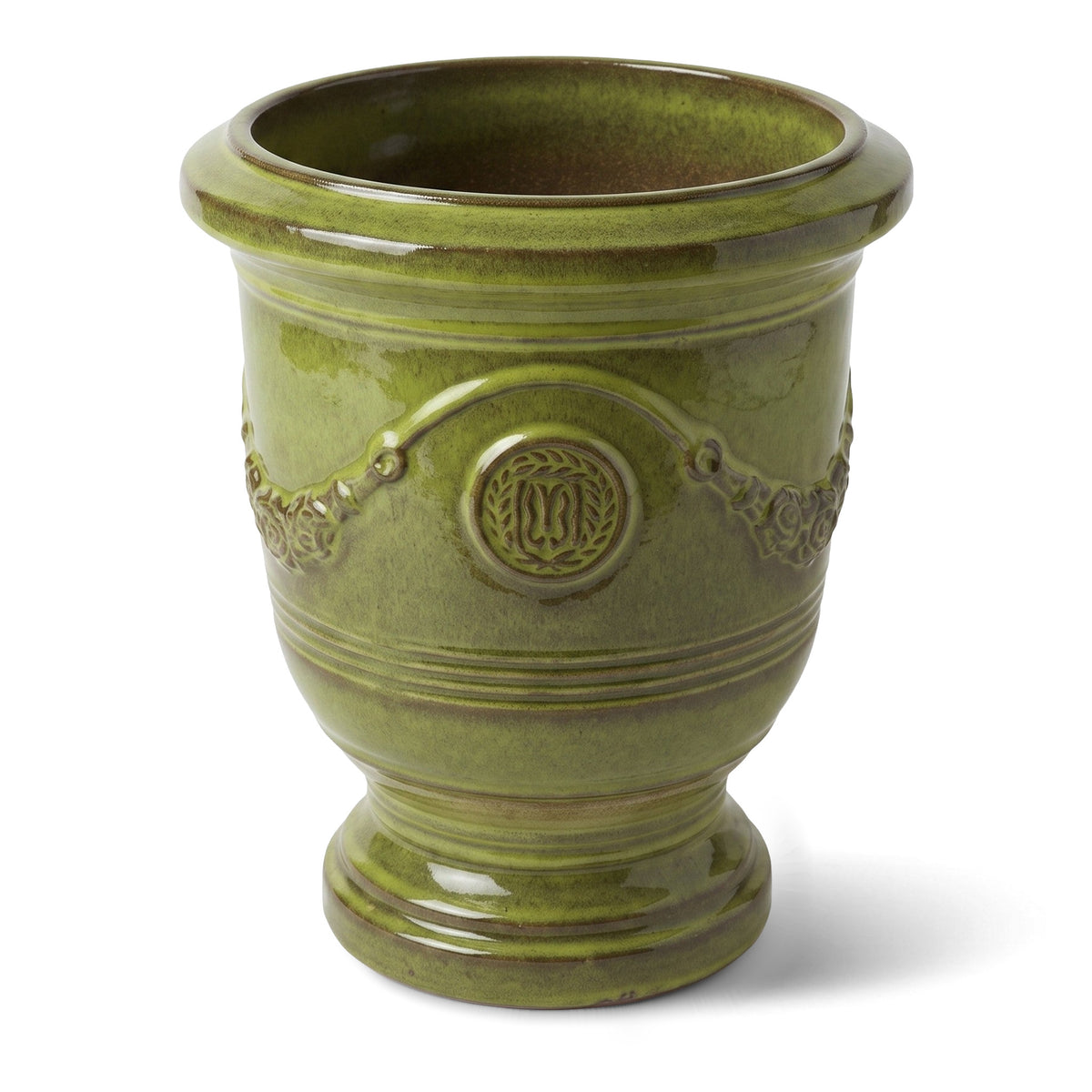
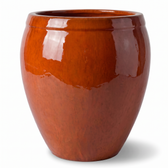
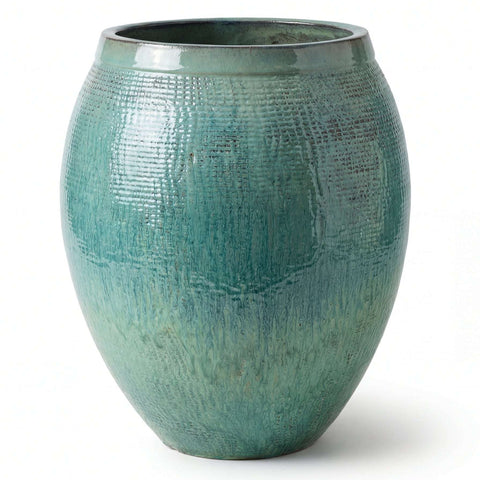
Not all planters react to cold in the same way. High-fired ceramic, dense and with low porosity, can remain outdoors all year round. Other pieces, fired at lower temperatures, are not frost-resistant: water that seeps into the material freezes, expands and may crack them. Frost resistance is stated on every product page: this is the first thing to check before leaving a planter outdoors.
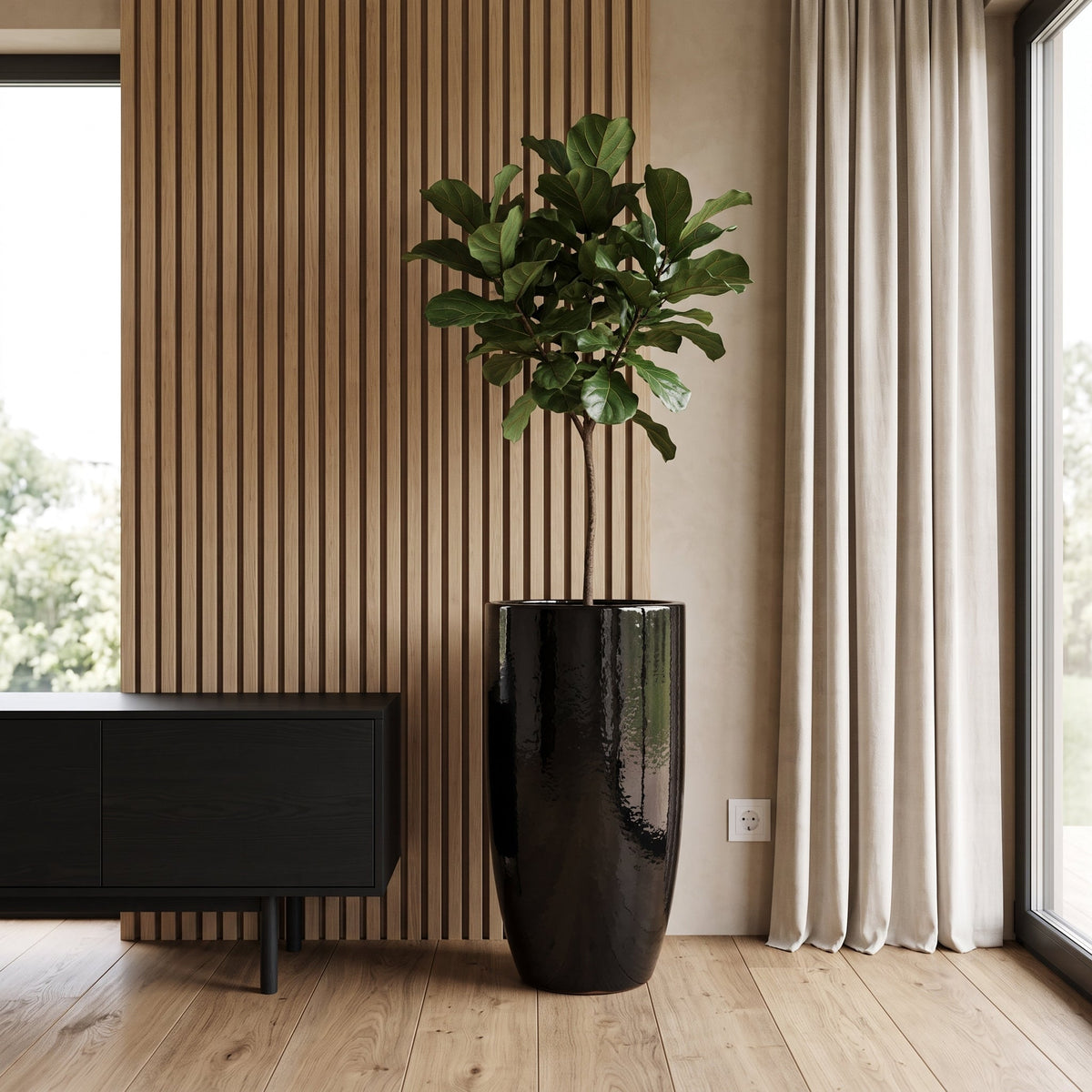
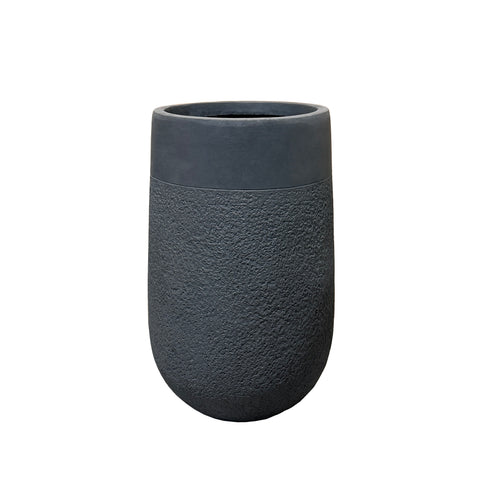
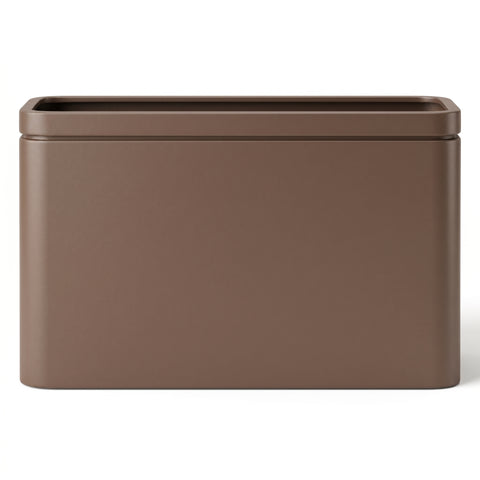
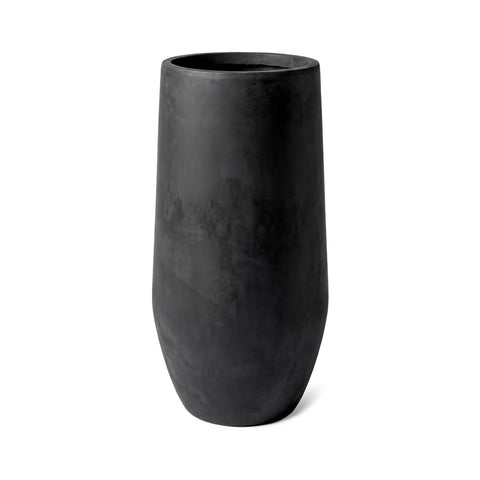
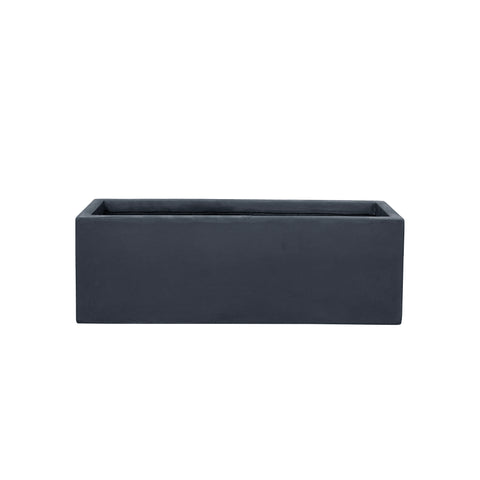
A planter that is not frost-resistant should be brought indoors in winter, even if the plant it contains is resilient. These pieces then naturally find their place in a living room or entrance hall: find them in our selection of indoor flower planters. For plants that remain outside, choose instead from our frost-resistant large flower planters.
Good practices for planters that stay outdoors
Raise the planters
Placed directly on the ground, a planter retains water at its base, exposing both the material and the roots to frost. Flower planter feet allow water to drain freely.
Check drainage
A blocked drainage hole turns the planter into a reservoir of stagnant water, the worst possible scenario in freezing weather. A quick check in autumn and a layer of clay pebbles at the bottom of the planter are enough to keep things safe for the season.
Group and shelter
Moving planters close to a well-exposed wall, grouping them together or wrapping the foliage of sensitive plants in winter fleece protects the root ball without spoiling the terrace.
Reduce watering
In winter, water requirements drop considerably. Keep the soil slightly moist, without excess: the less water there is in the growing medium, the less effect frost can have.
How to place plants brought indoors
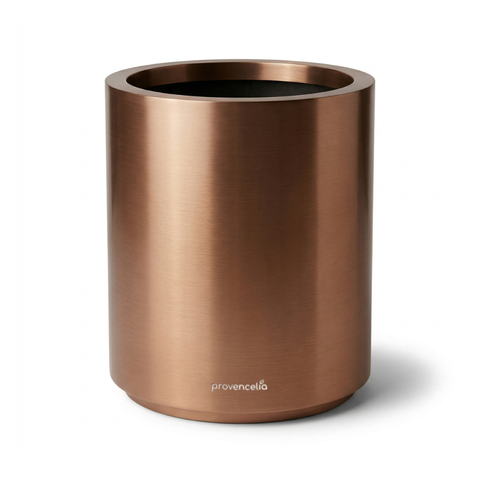
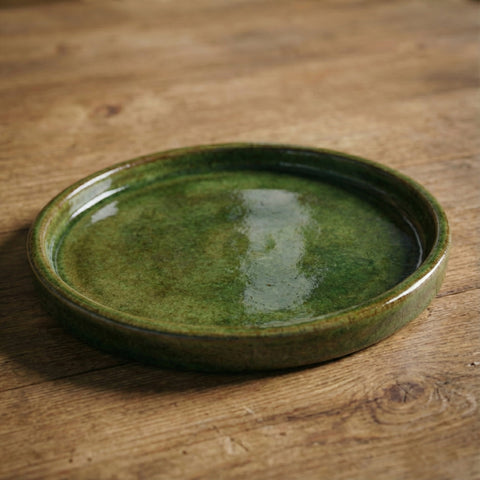
Place plants brought indoors as close to the light as possible, near a window or in a conservatory, and away from radiators that dry out their foliage. Space out watering and air the room in mild weather to limit pests. A matching saucer, available in the same glaze as the planter, protects your floor; stainless steel planters supplied with a plug can even be used without a saucer.
Preparing to move plants outside in spring
When warmer days return, once the last frosts have passed, gradually move plants back outside: a few hours in the shade at first, then longer exposure. It is also the right time to repot plants that have become cramped into a larger planter.
Frequently asked questions about wintering potted plants
When should you bring potted plants indoors?
As soon as the nights become noticeably cooler, before the first frosts. It is better to bring a plant indoors a week too early than one night too late.
Should you bring an olive tree in a planter indoors in winter?
No. Olive trees stay outdoors all year round, provided they are planted in a frost-resistant planter.
Can you leave a ceramic planter outdoors in winter?
Yes, if it is stated to be frost-resistant on its product page. Otherwise, bring it indoors, with or without its plant.