What size should you choose for a small flower planter?
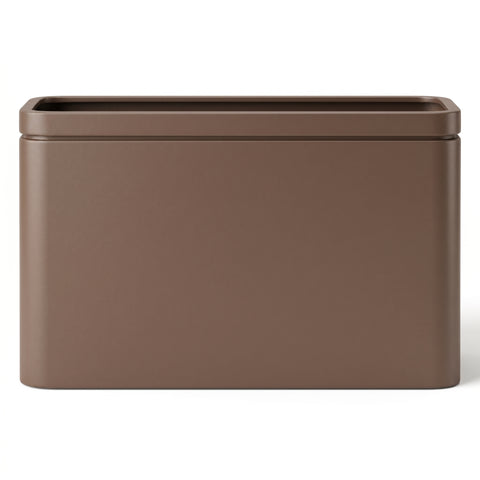
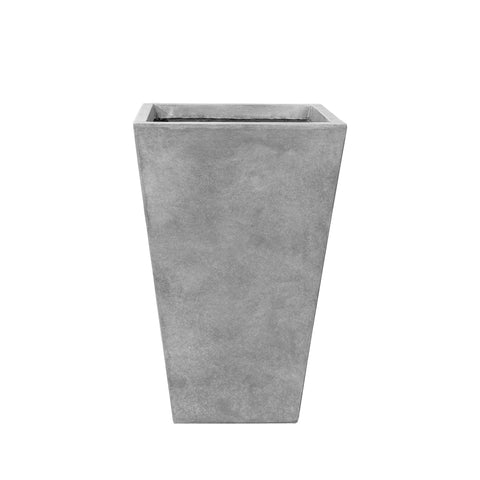
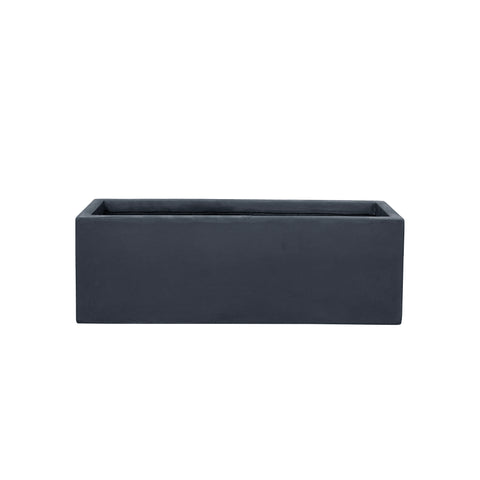
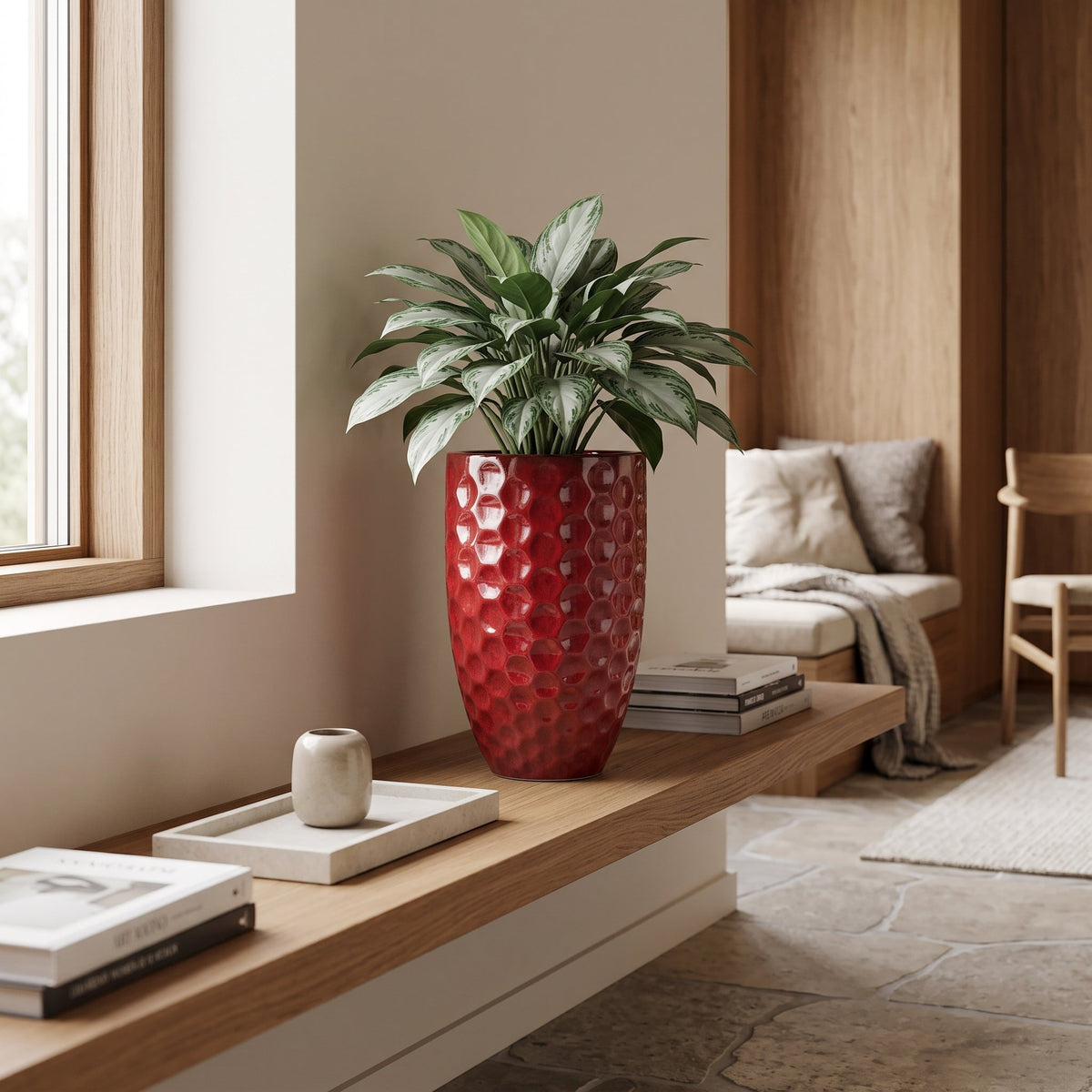
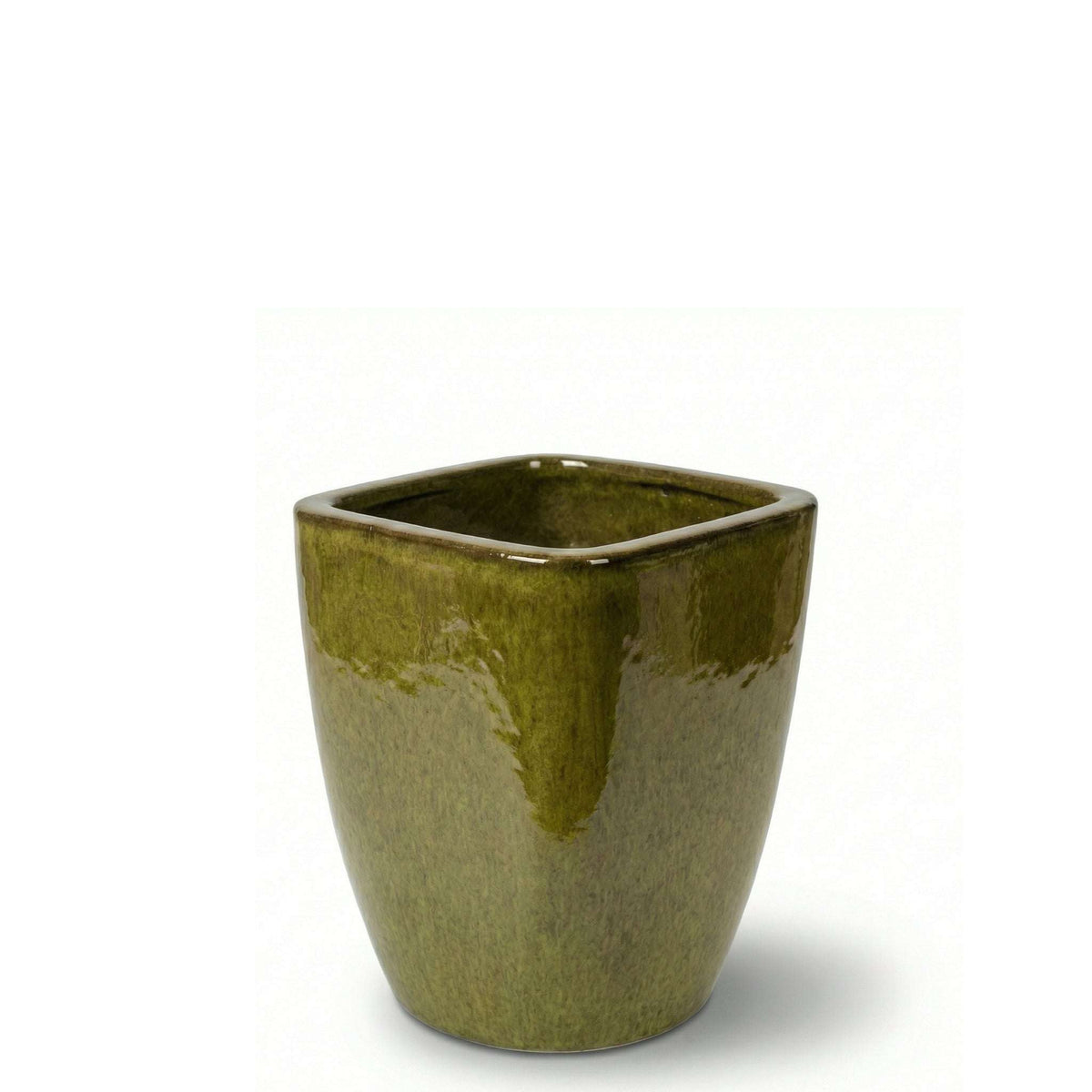
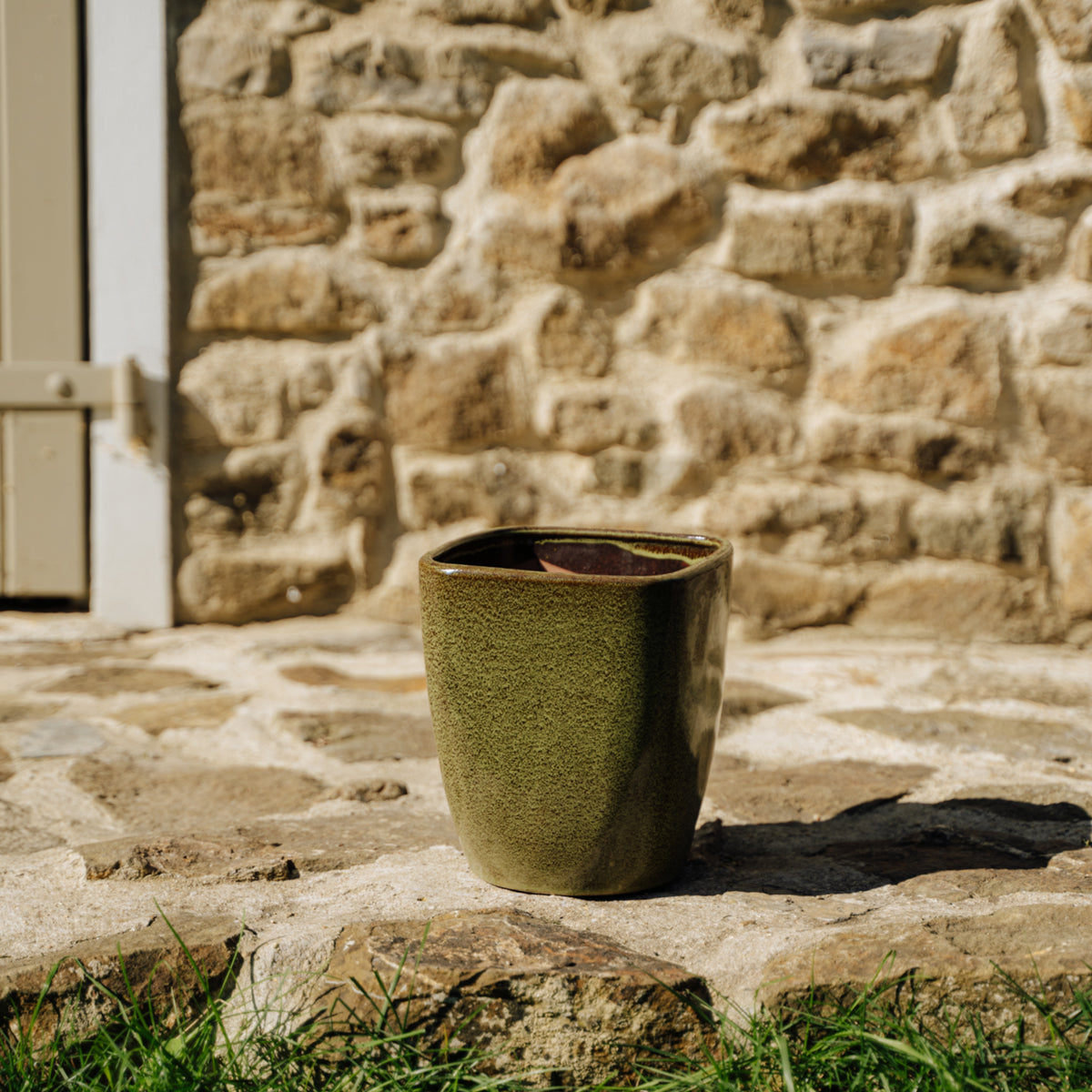
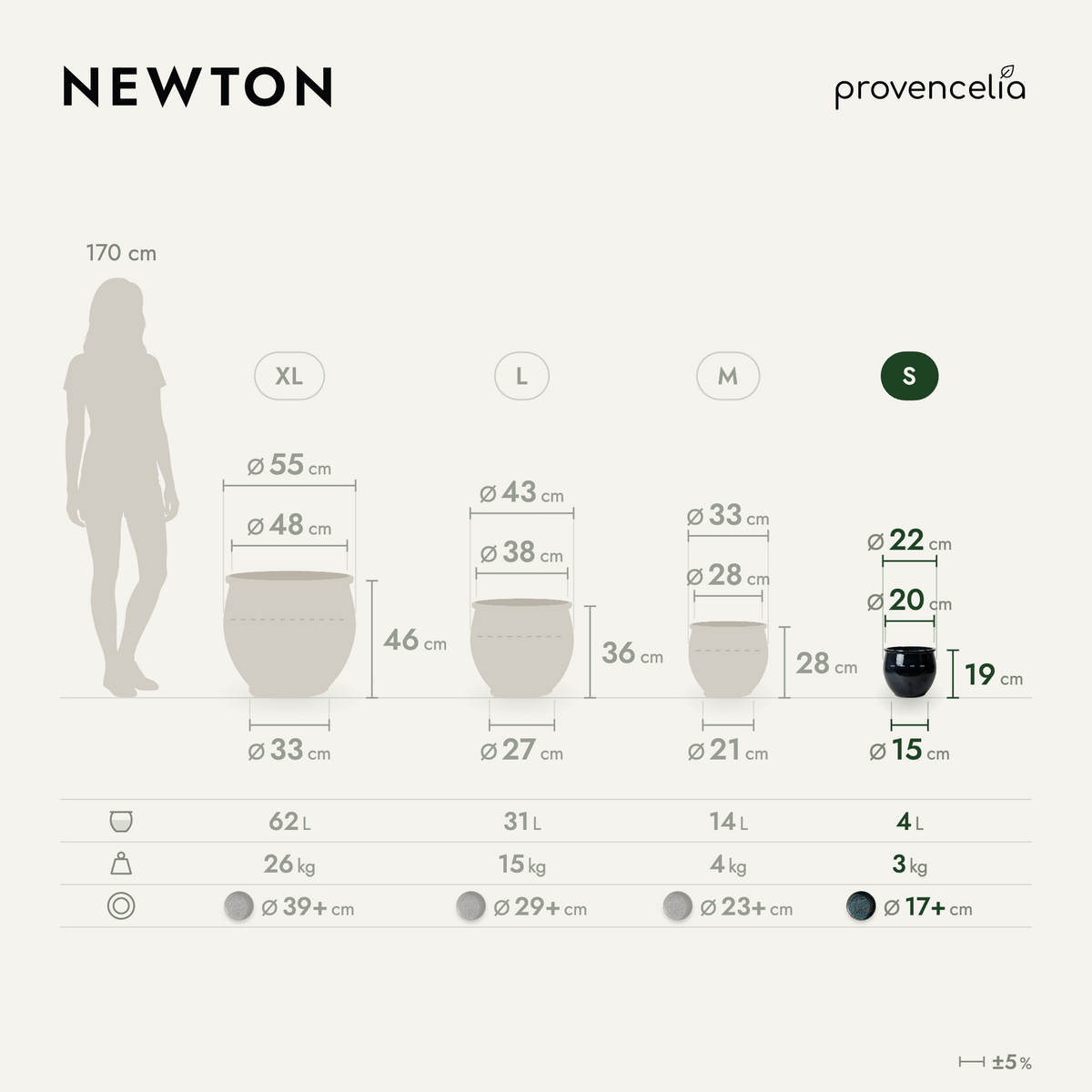
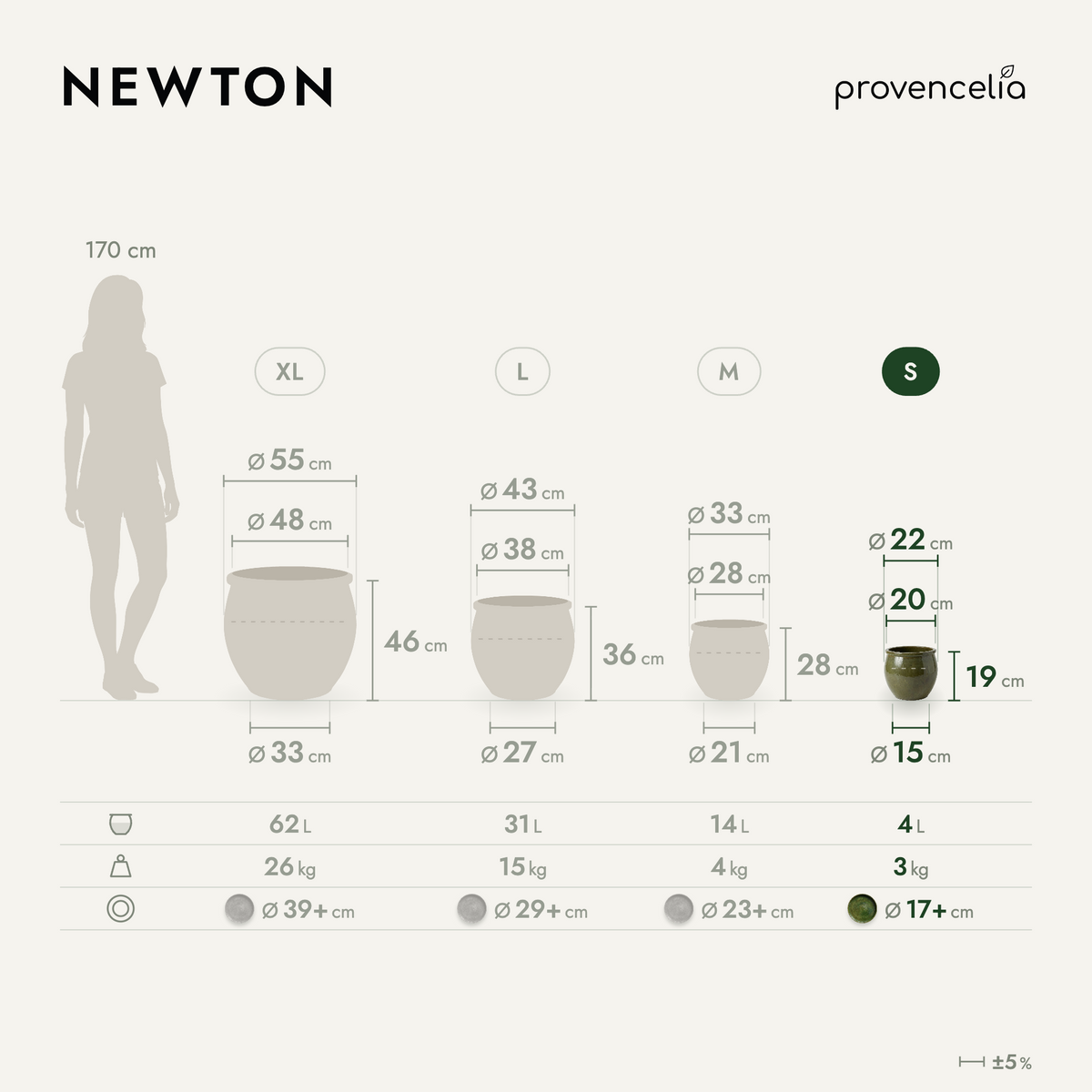
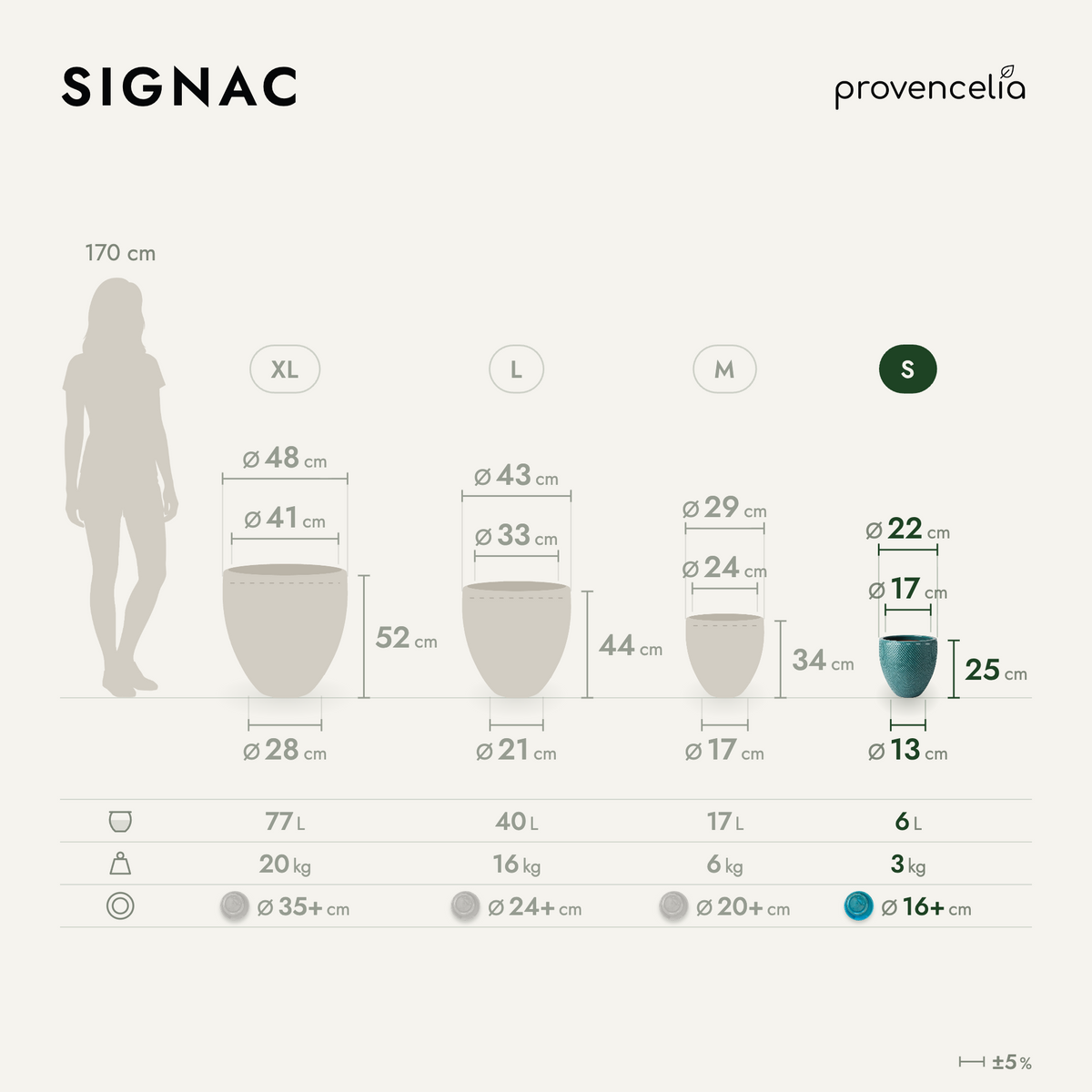
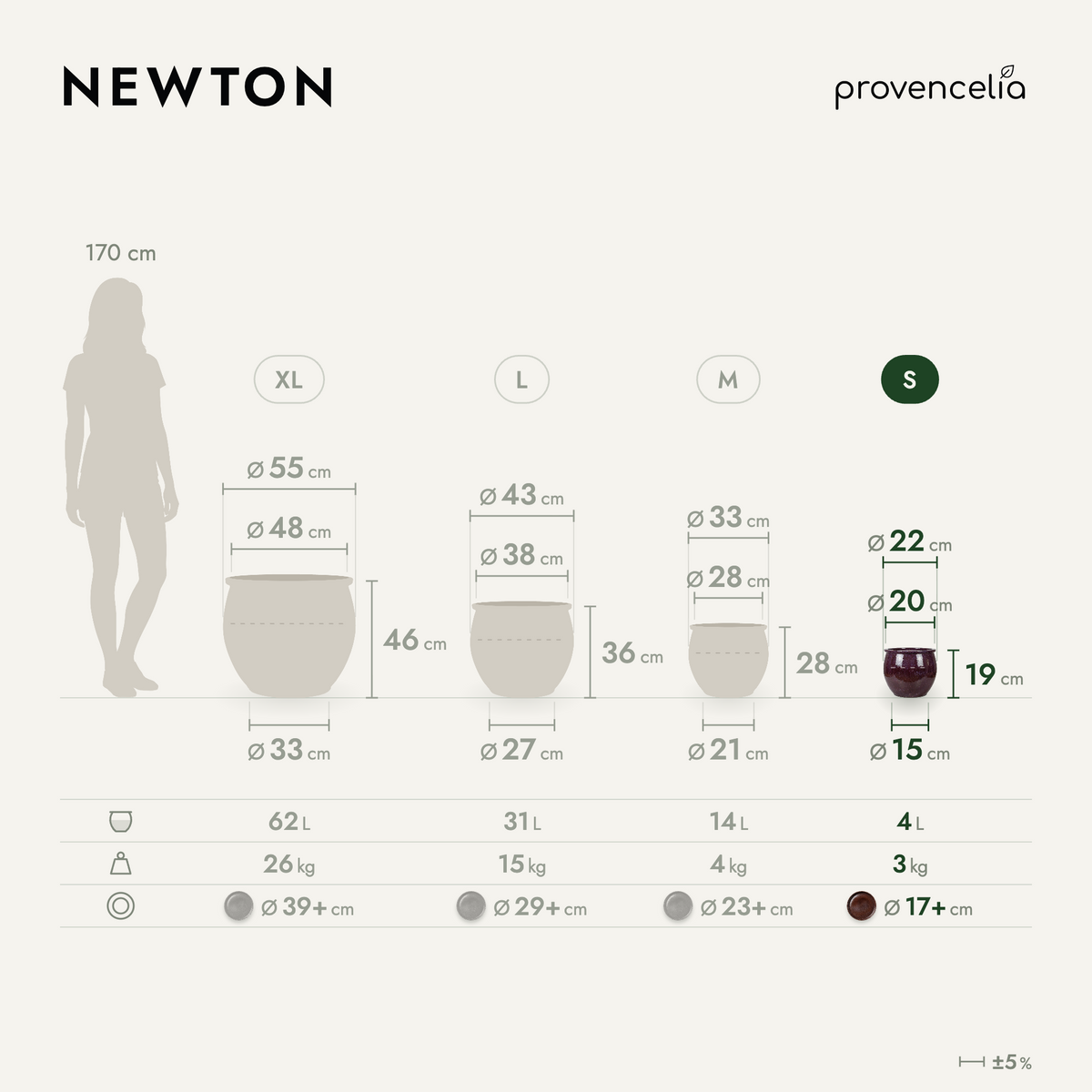
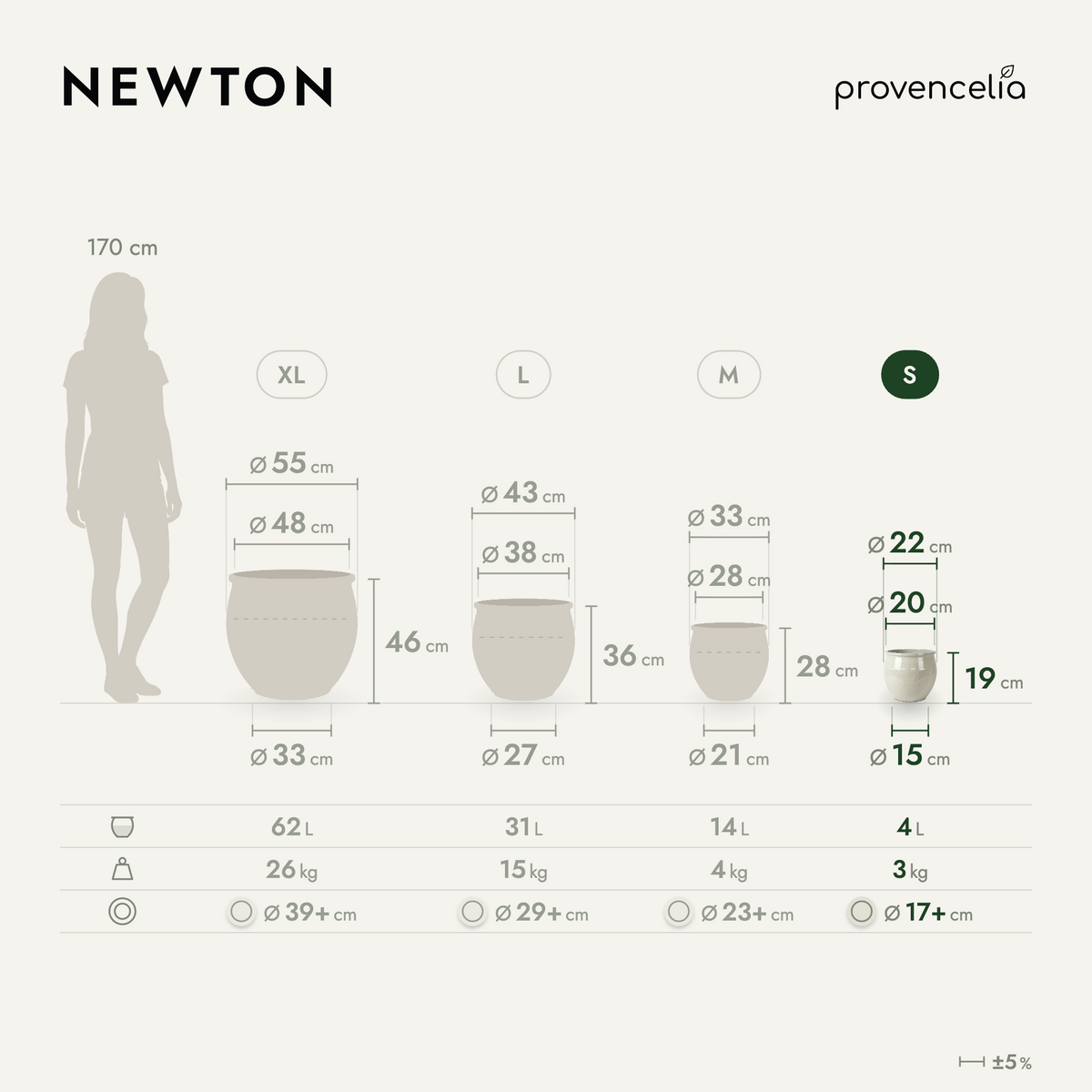
Choose a small flower planter first by its height, then by its diameter. Under 30 cm high, the planter stays at eye level: table, shelf, windowsill. Allow 3 to 5 cm more in diameter than the root ball, no more. A container that is too wide retains water and slows root development. For larger sizes, browse all ourflower planters.
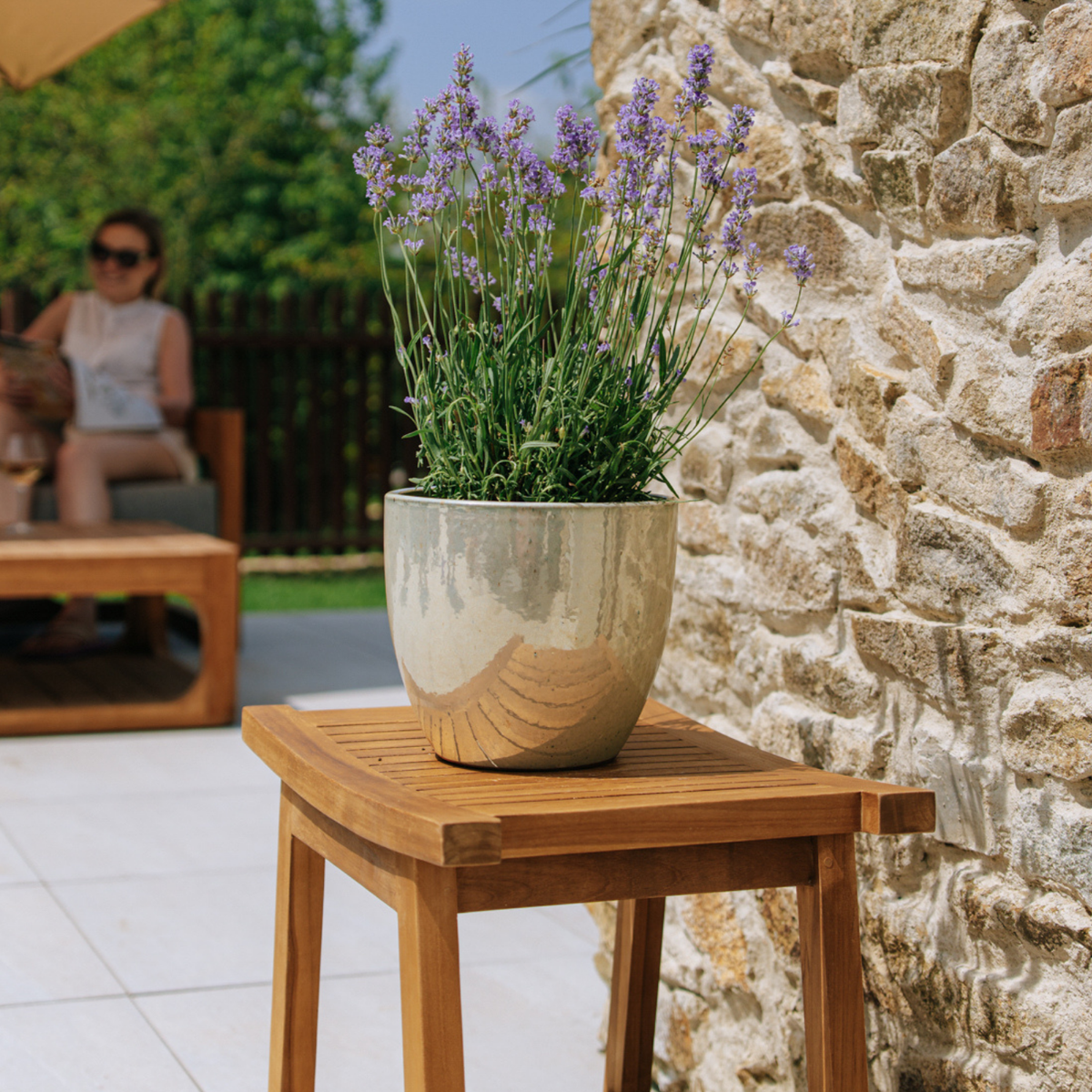
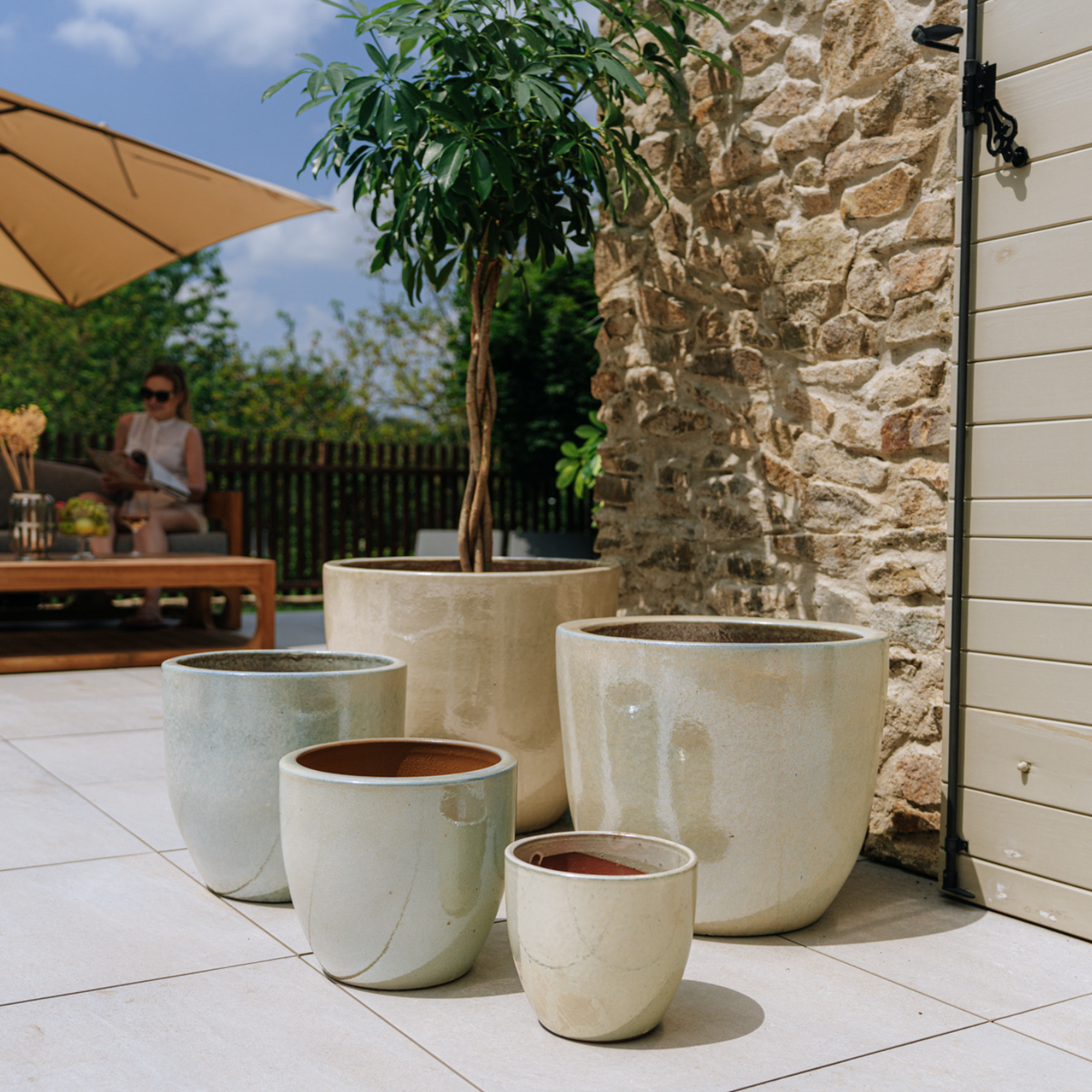
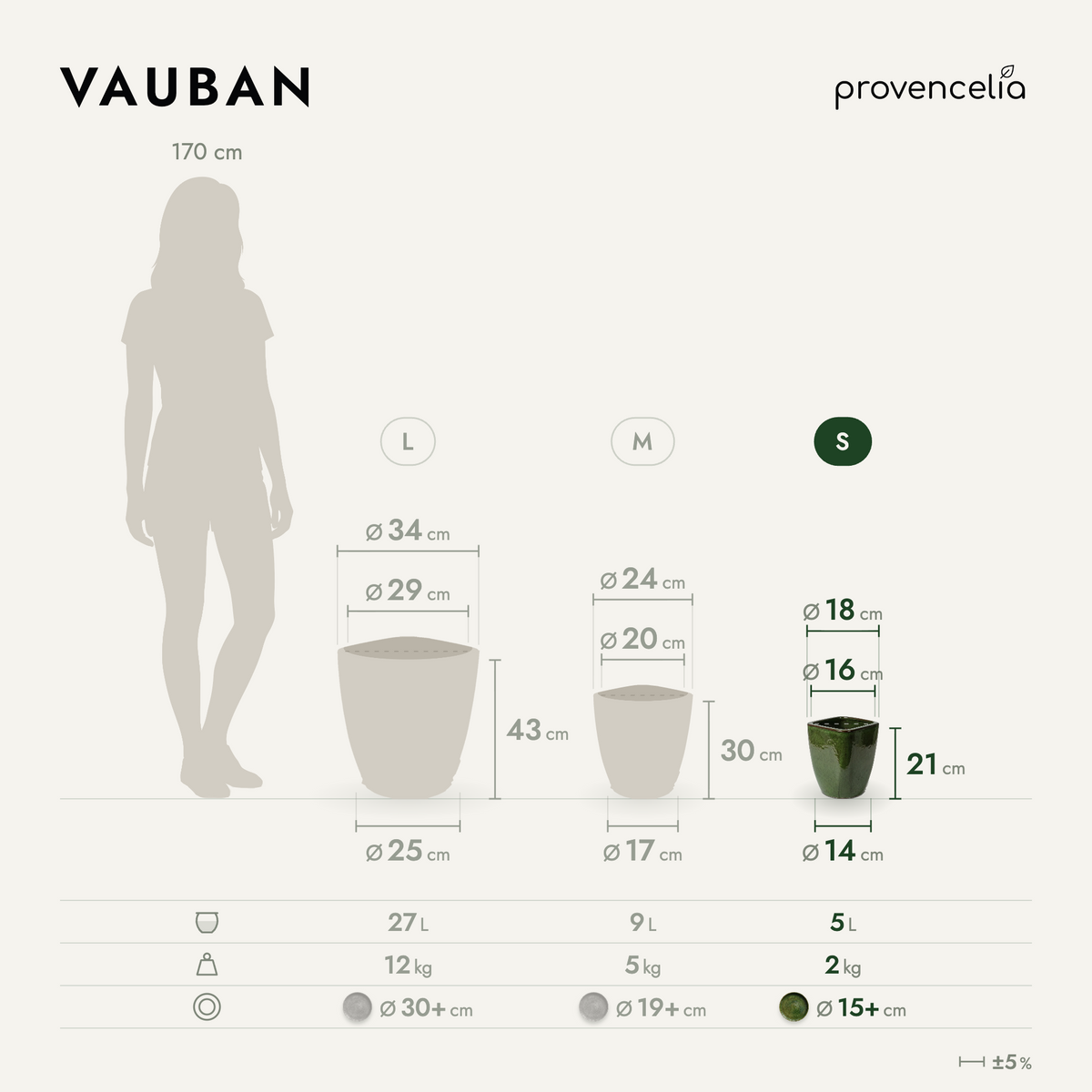
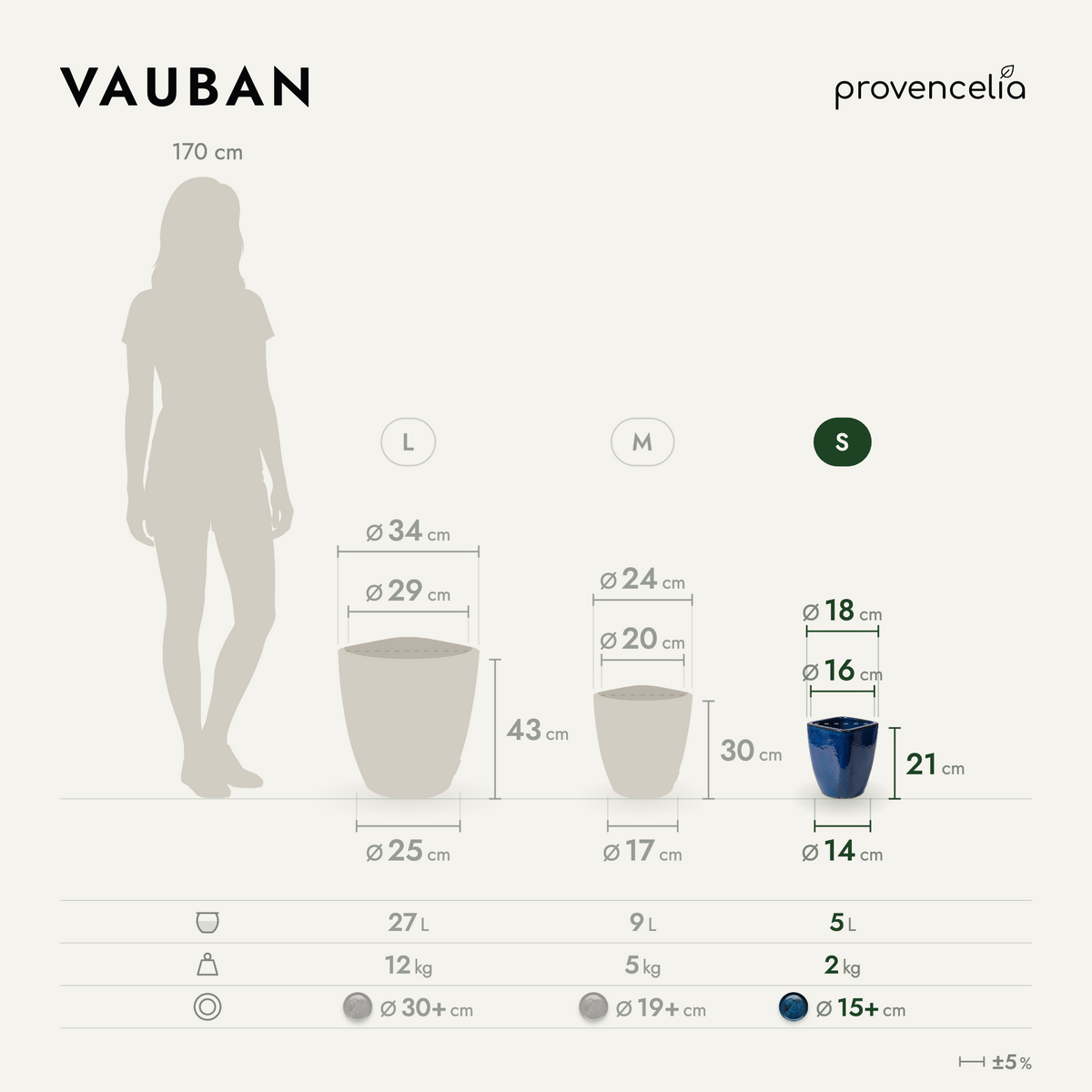
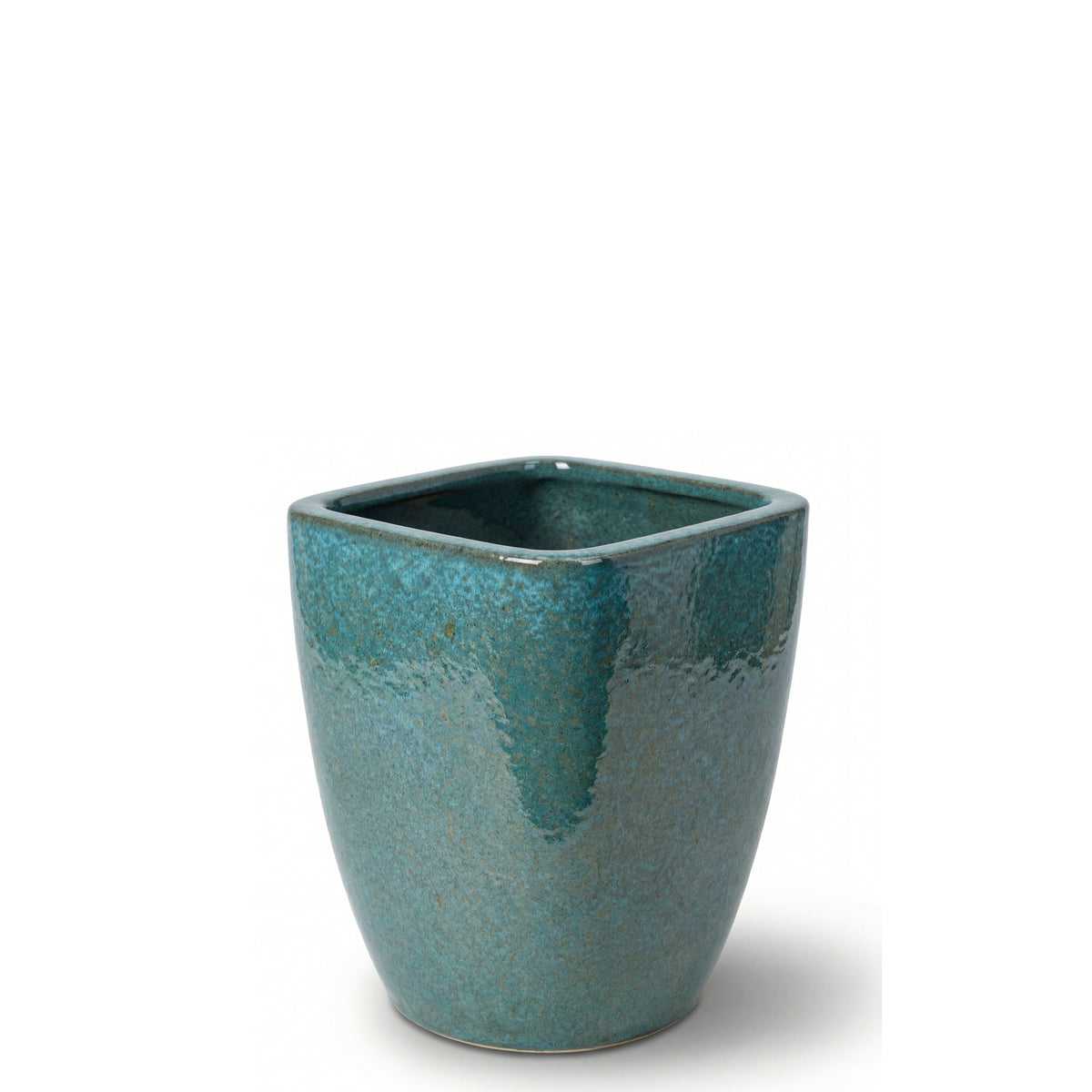
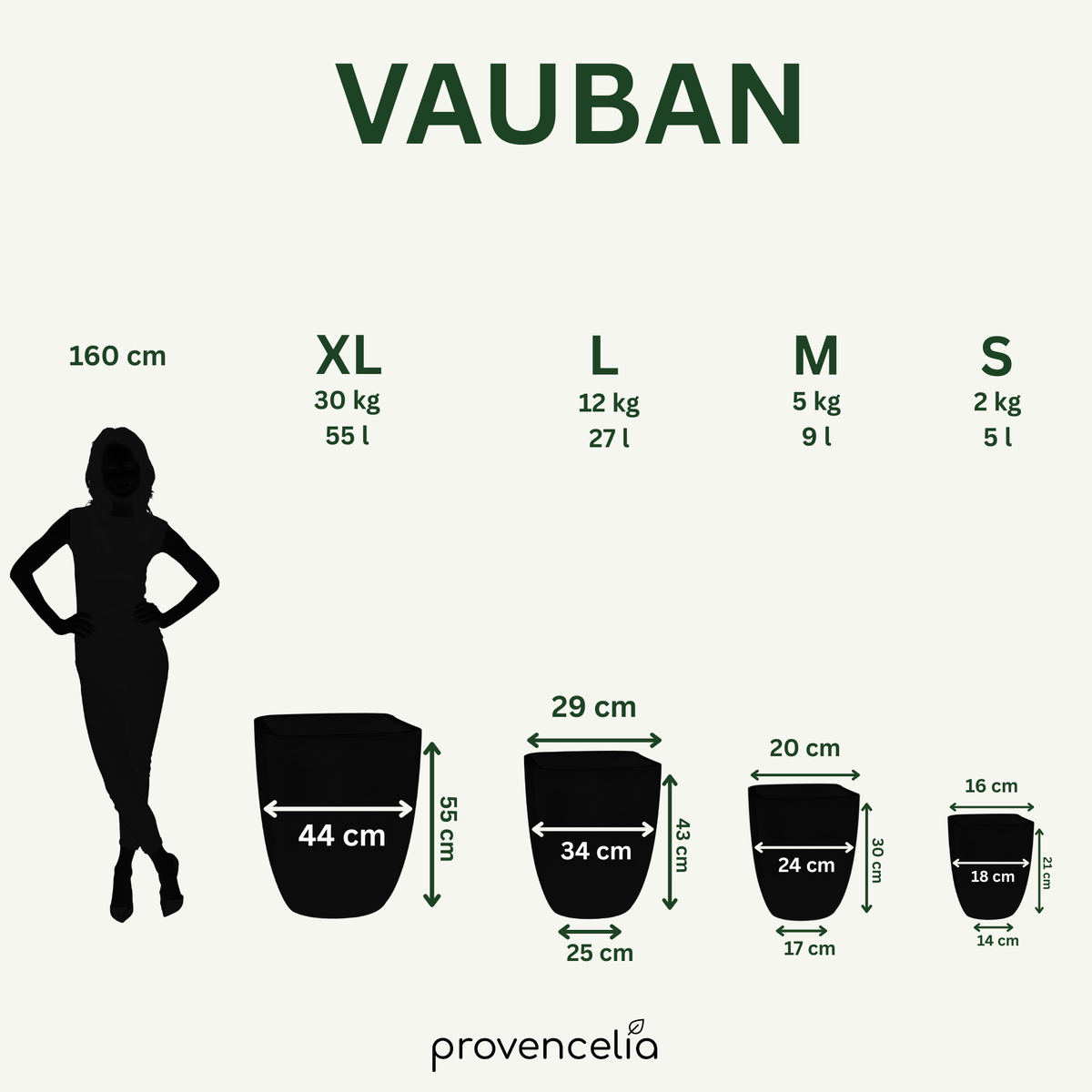
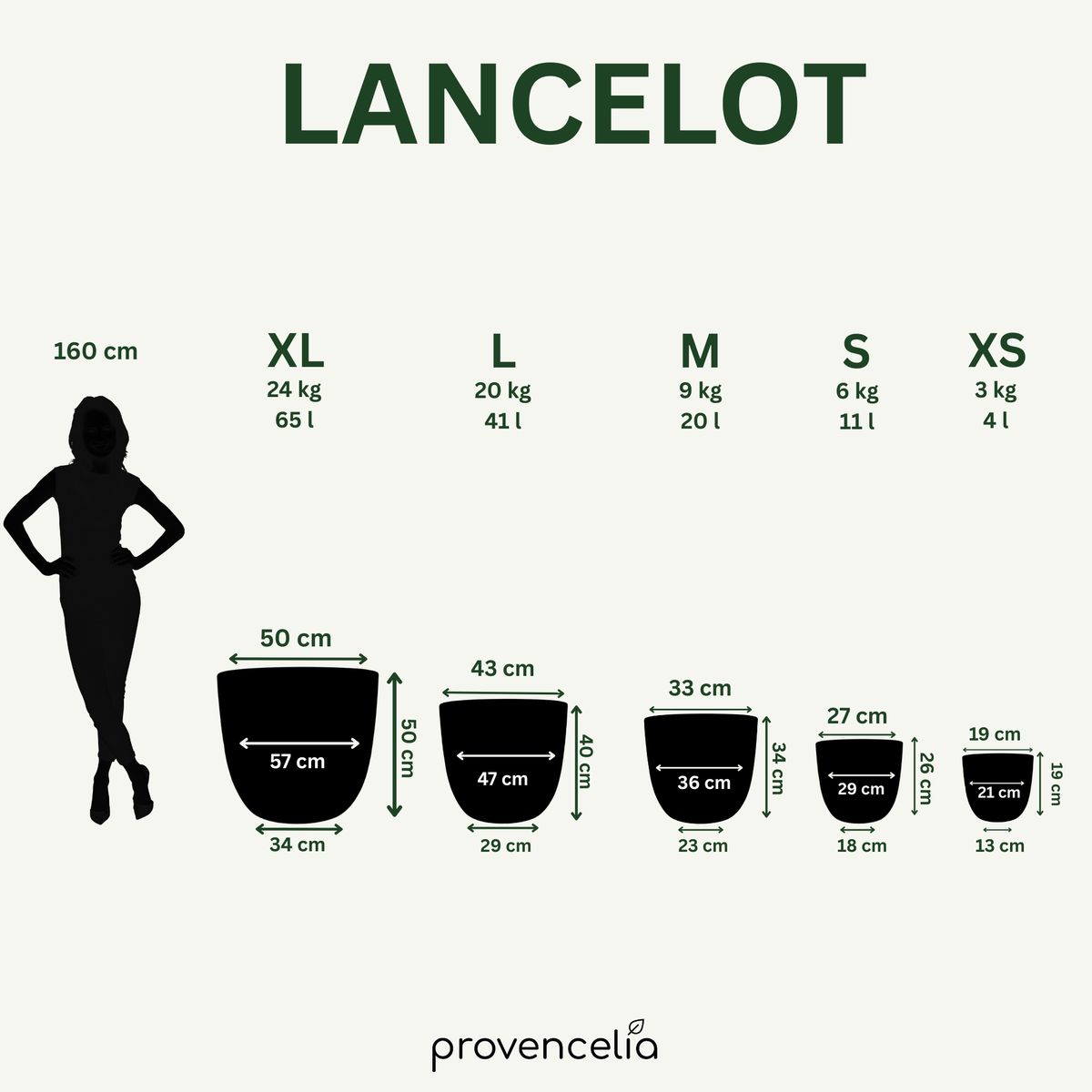
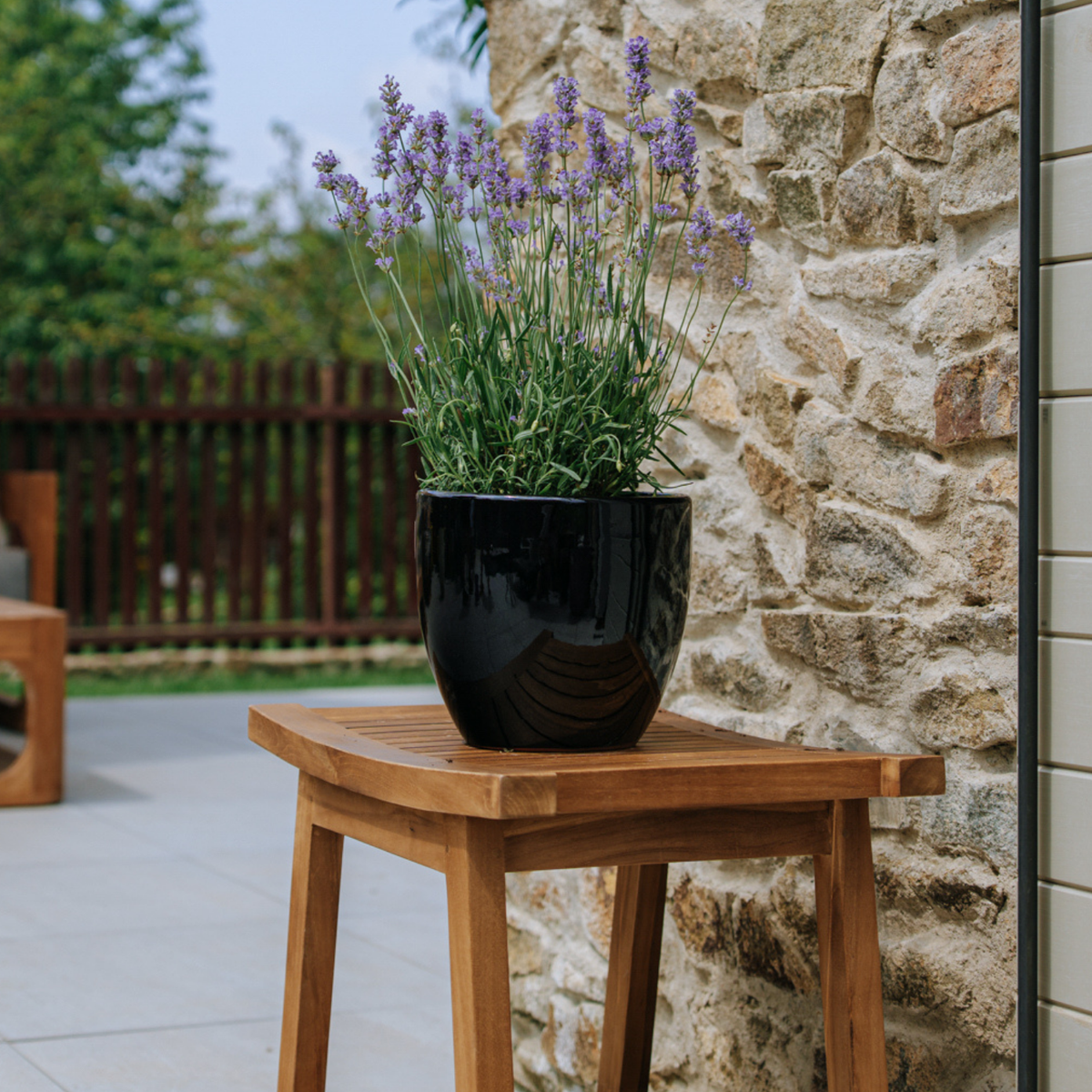
Diameters from 20 to 29 cm are suitable for basil, rosemary, succulents and established cuttings. This is the size for arrangements of three, lined up on a coffee table or stair step. The LANCELOT, DIANE and VAUBAN models cover this range in several glazes.
Diameters from 30 to 39 cm mark the transition to medium sizes. Please note that a planter with a 30 cm diameter can exceed 60 cm in height: always check the second measurement. Only models under 30 cm high are included in this category.
Which plants should you put in a small flower planter?
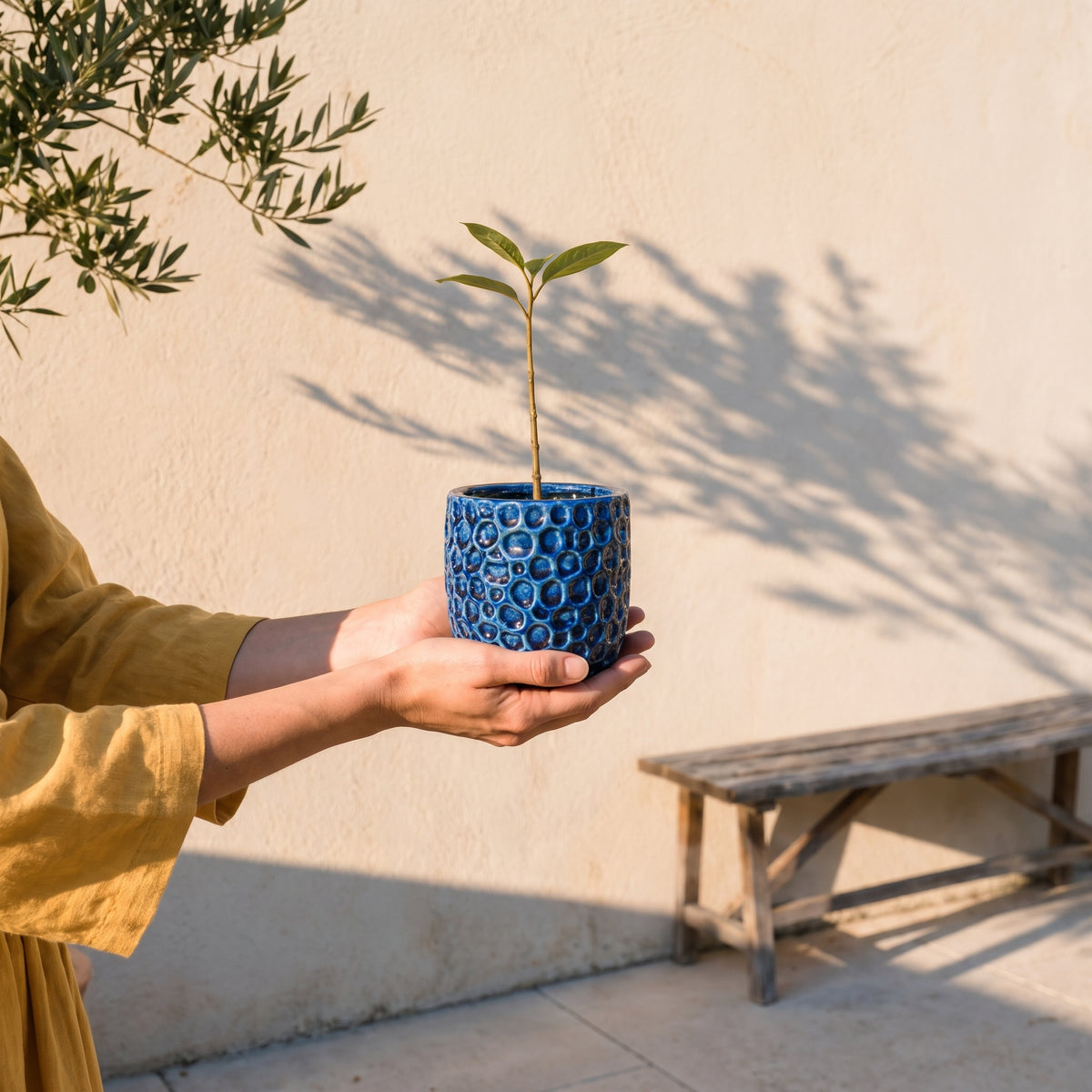
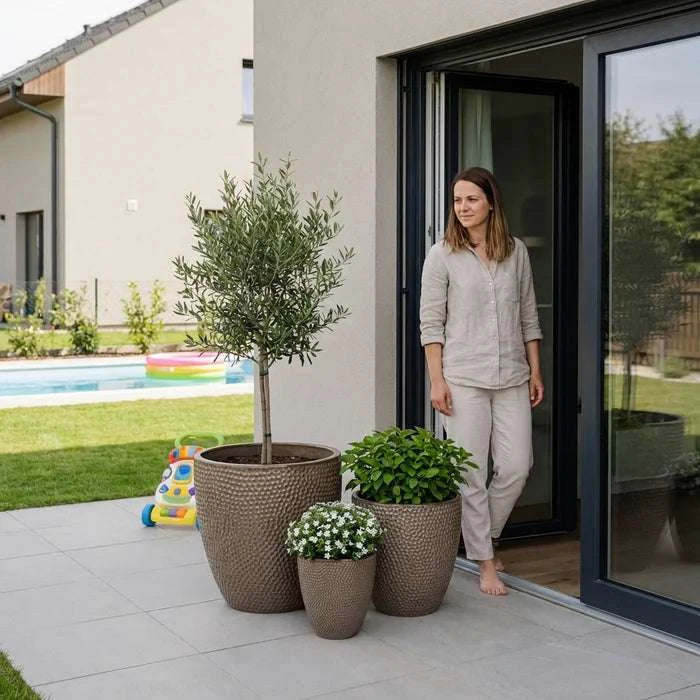
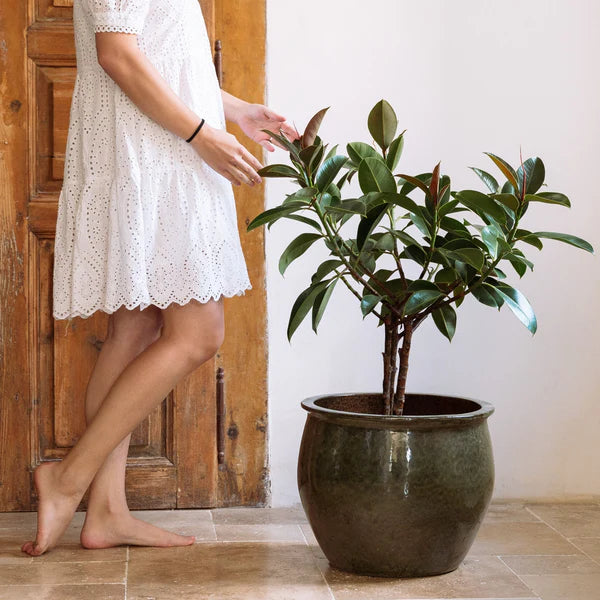
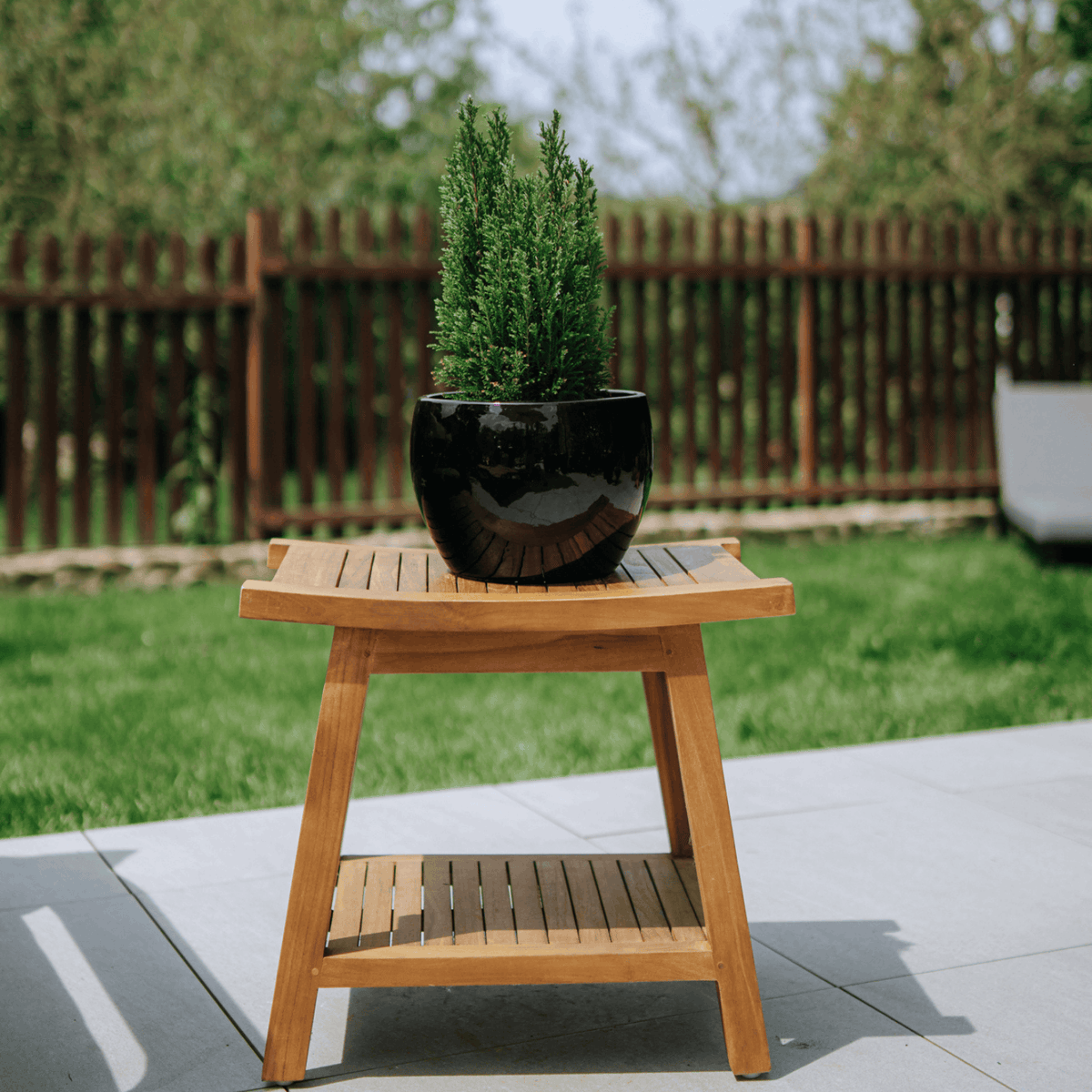
Herbs such as mint, thyme and parsley require little space and are renewed each season. Succulents and cacti prefer a snug planter and free-draining compost. Indoors, pothos, ferns and calatheas suit these sizes as long as watering remains regular. A young olive tree will fit for two seasons, then needs a larger diameter.
Drainage and saucers: placing a small planter indoors
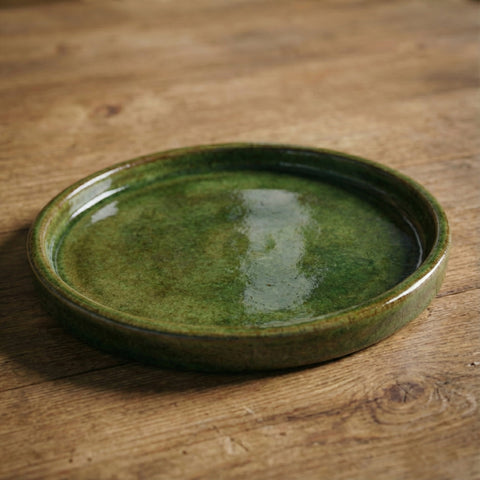
All our small flower planters have drainage holes in the base: excess water drains away instead of stagnating. Indoors, the saucer collects this water and protects the furniture. Empty it twenty minutes after watering, as roots cannot tolerate sitting in water. Each model has itsmatching saucerin the same glaze.
Glazed ceramic: what hand-finishing changes
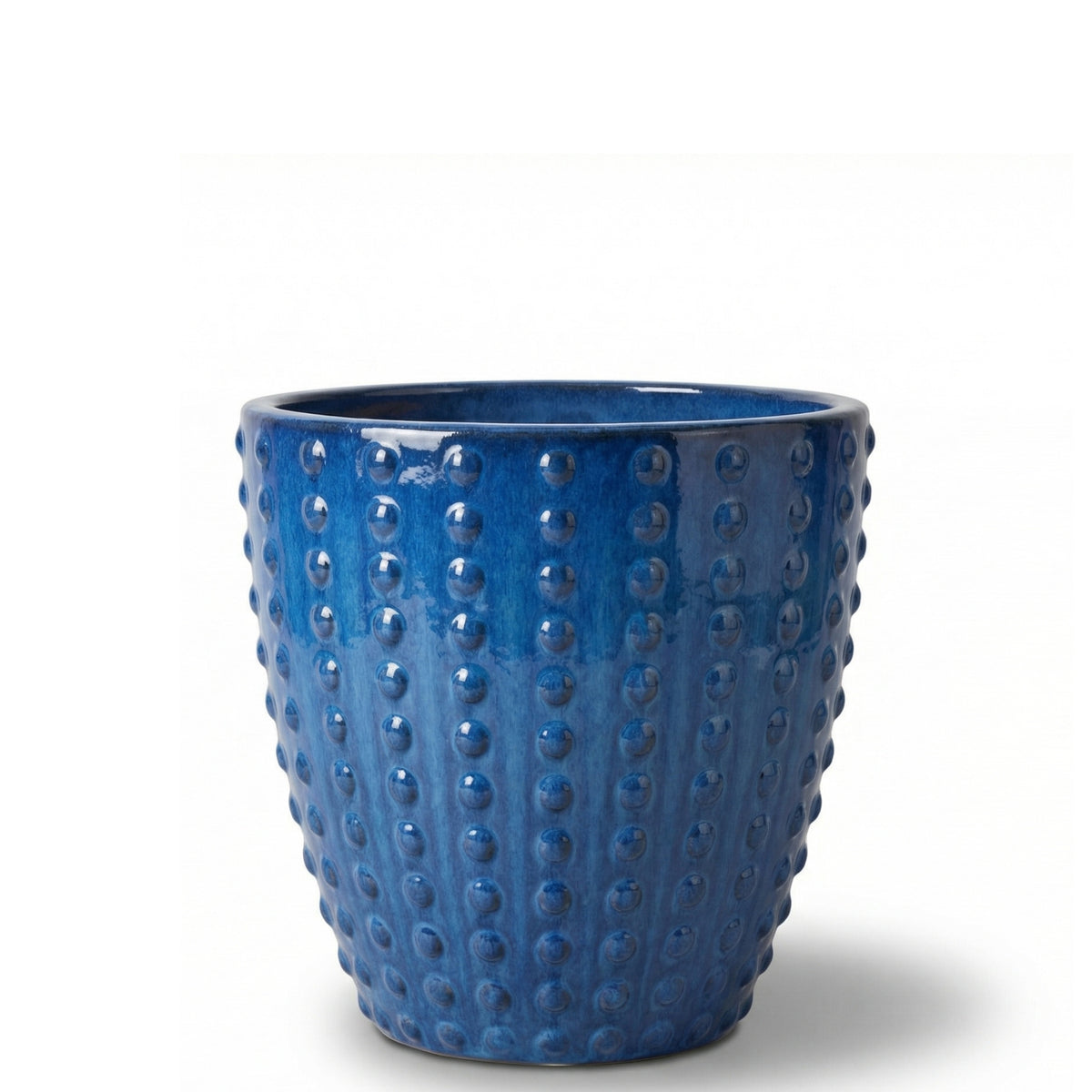
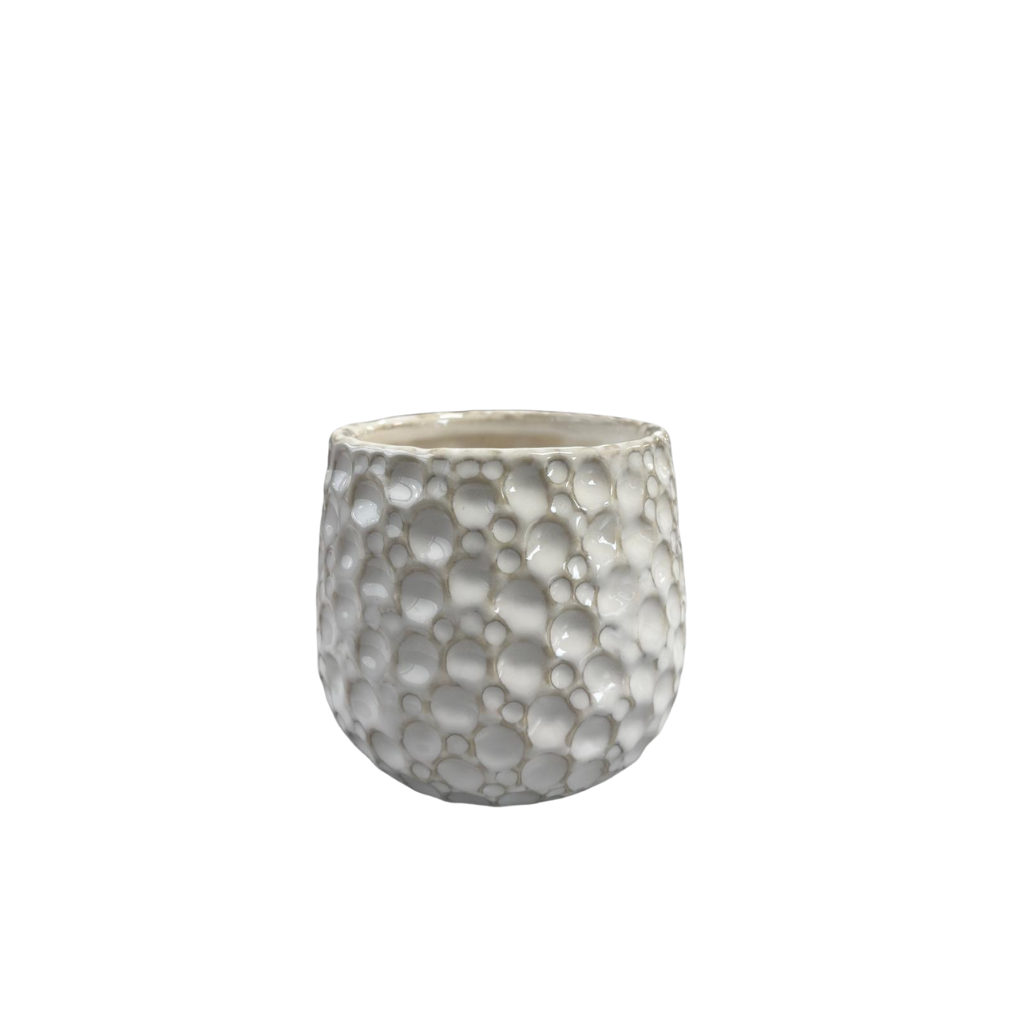
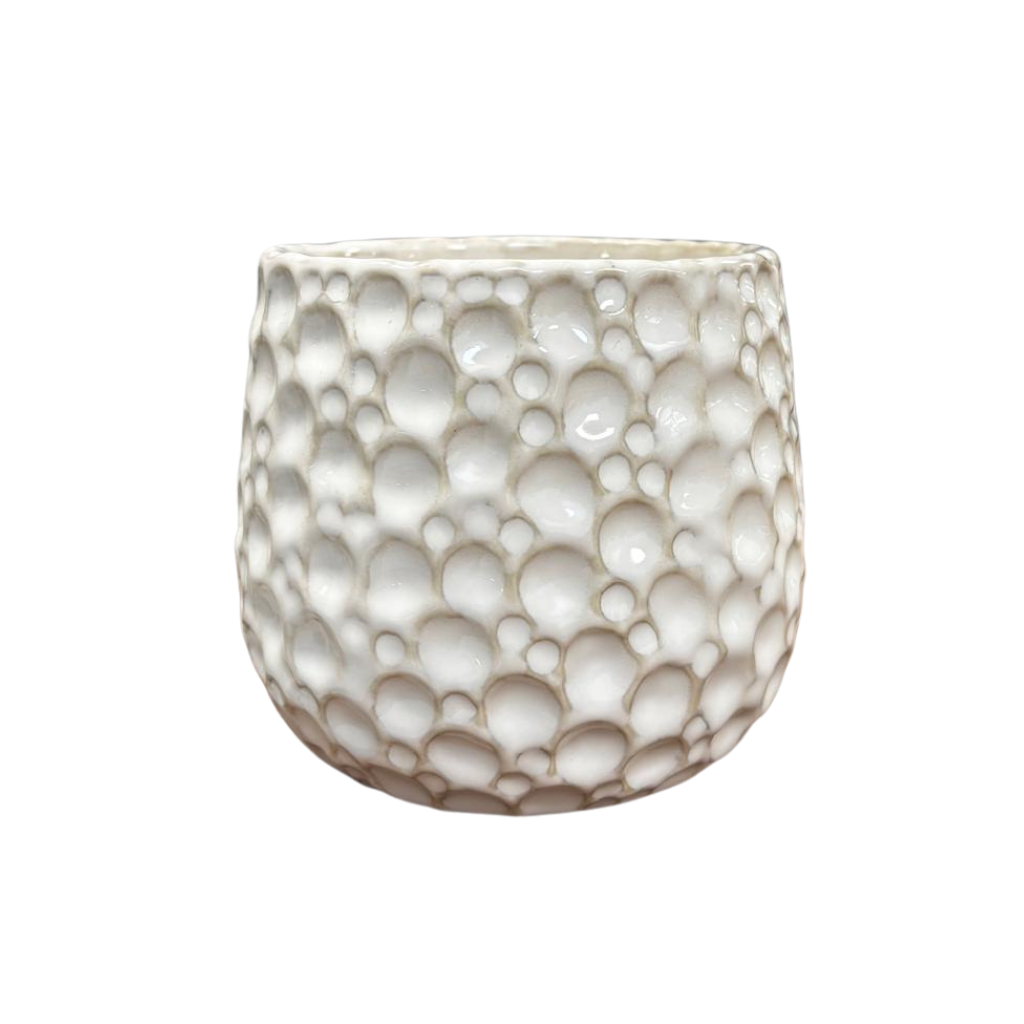
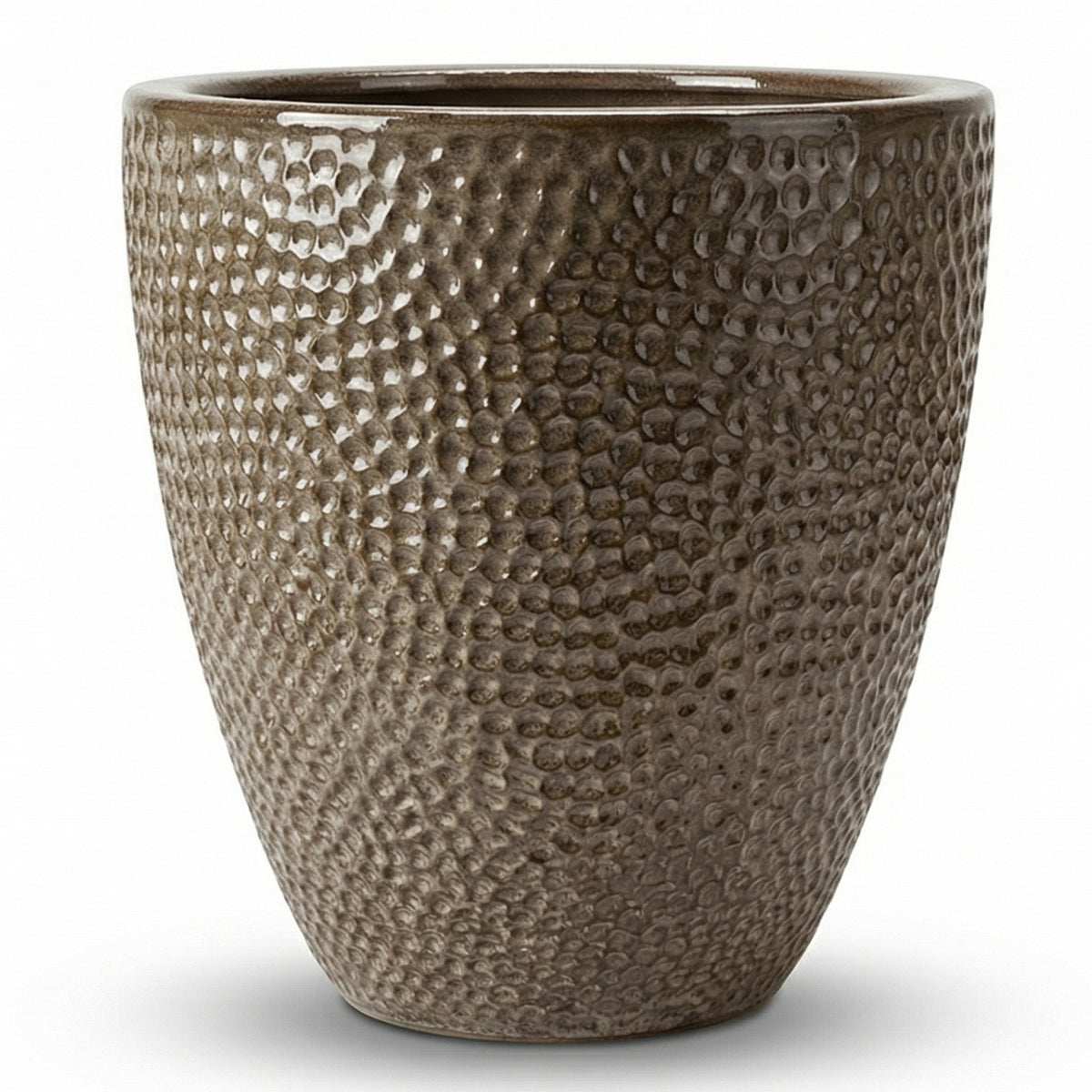
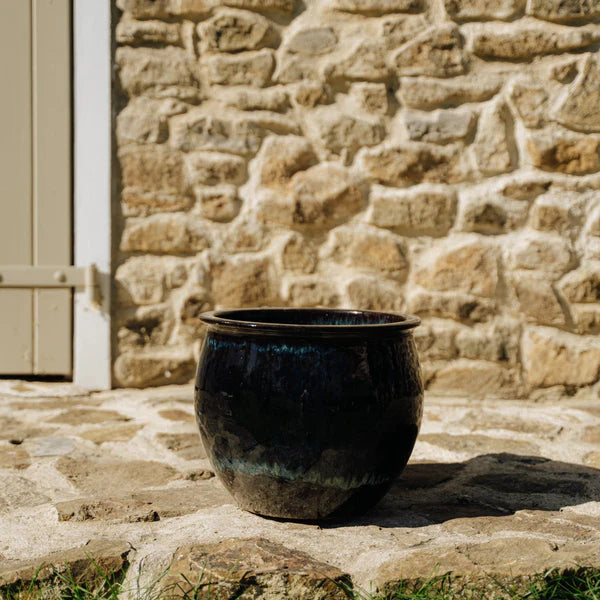
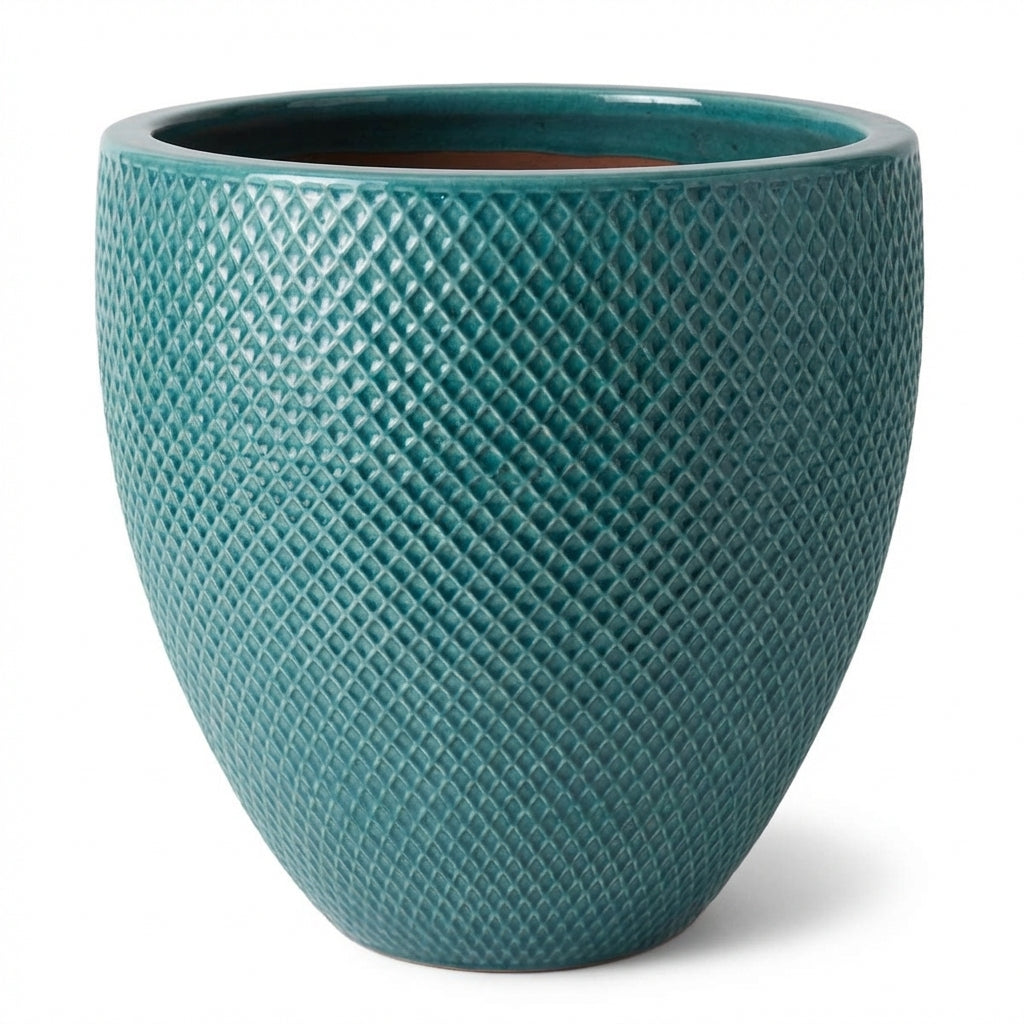
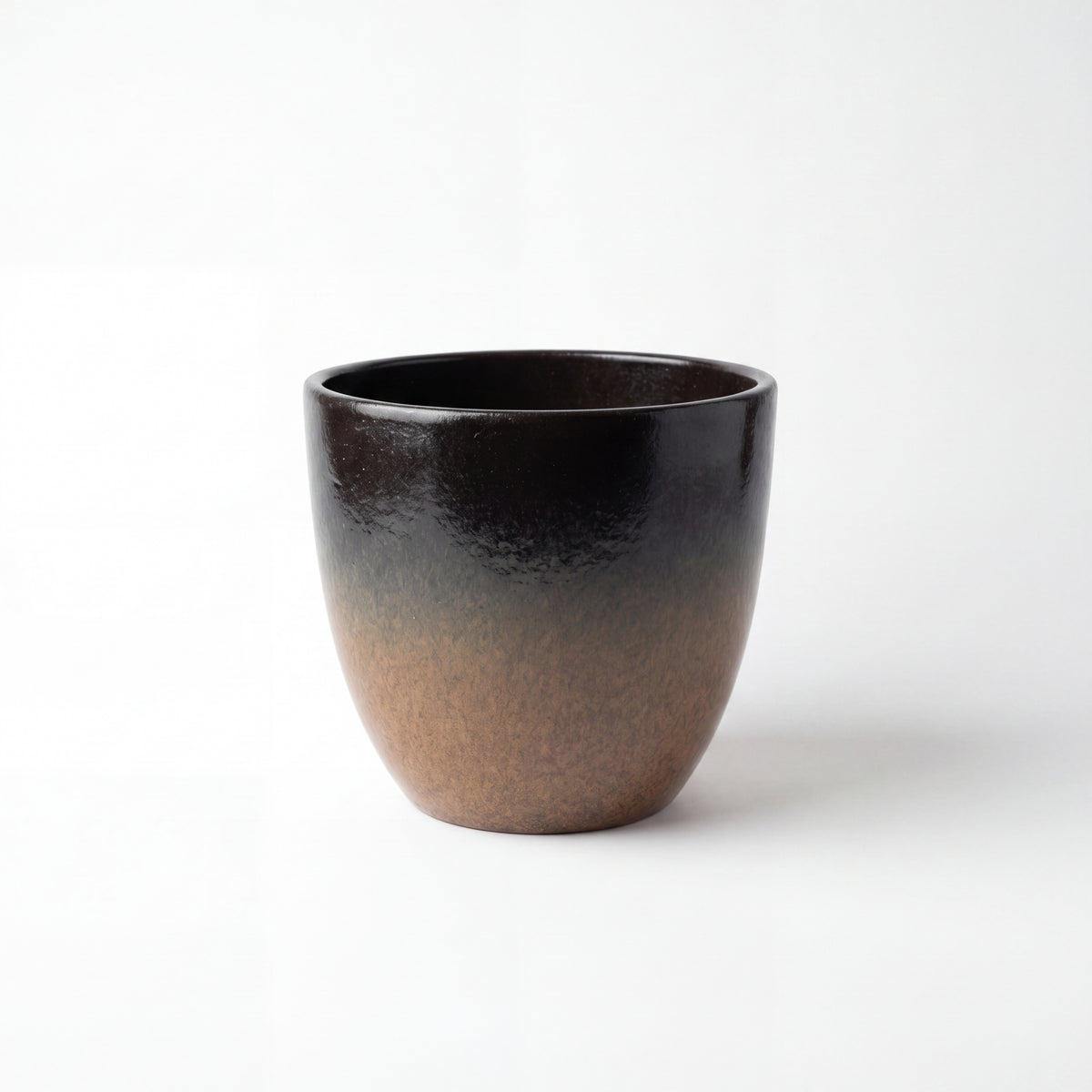
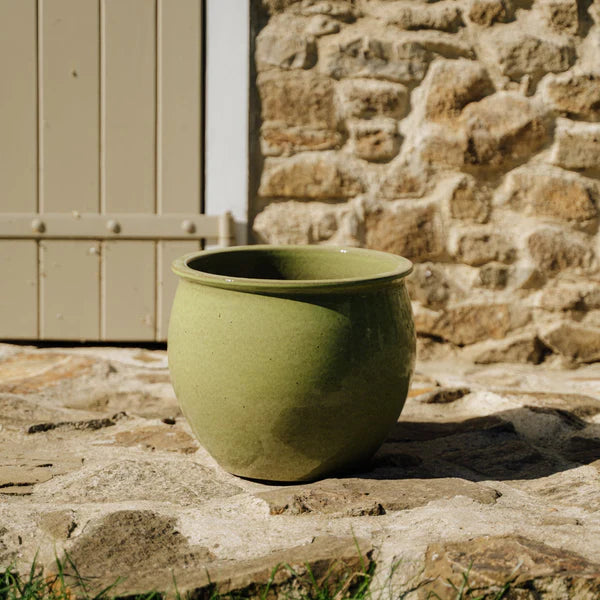
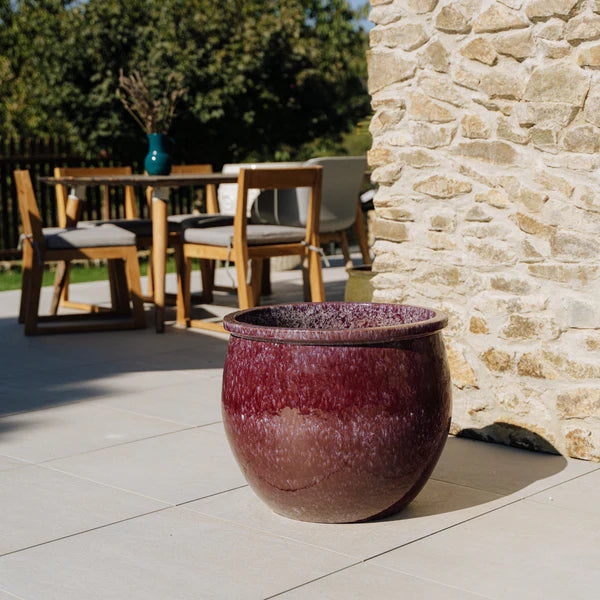
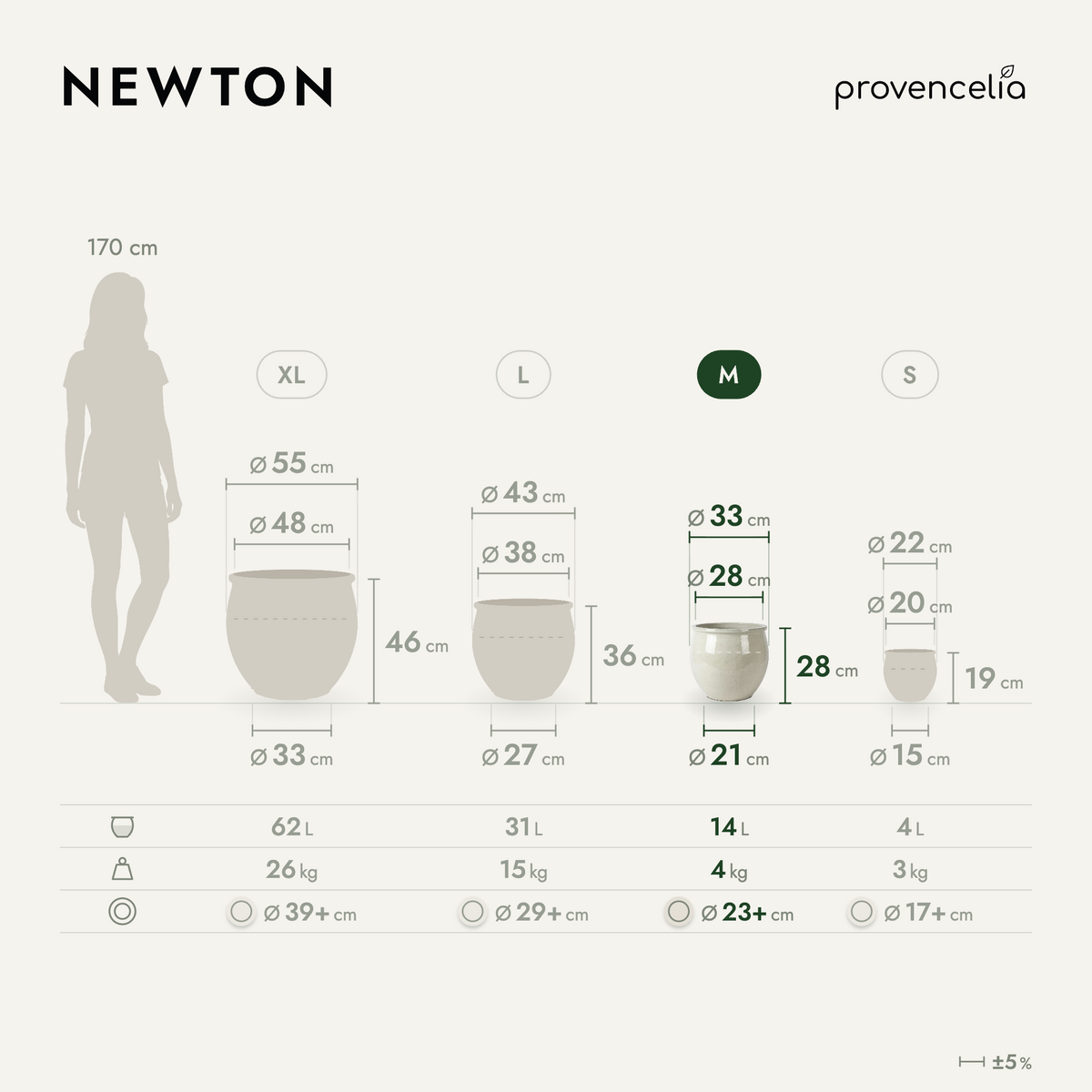
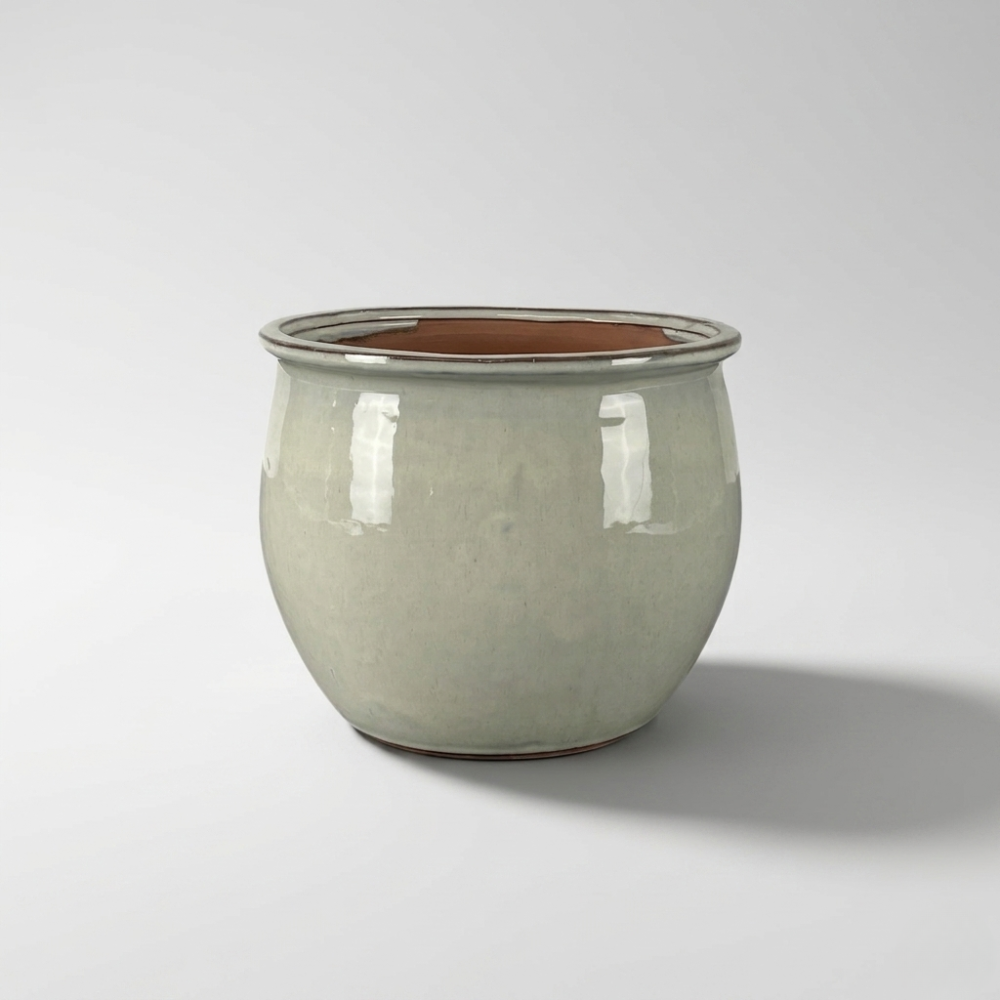
The glaze is applied by hand, piece by piece. Two planters of the same model therefore have slight differences in shade and sheen. Dimensions also vary by around 7% depending on firing. On a small size, this represents one to two centimetres.
Can a small flower planter stay outdoors?
It depends on the range. The LONDON, MILANO, MONACO, PARIS and VERSAILLES ranges are not frost-resistant: bring them indoors before winter. The other ceramic ranges are frost-resistant and can stay outdoors all year round. The small volume of soil dries quickly: in summer, water more often than you would a large planter.
Frequently asked questions about small flower planters
What size planter for a houseplant?
Choose a diameter 3 to 5 cm larger than the plastic nursery pot. A planter that is too large retains moisture and causes roots to rot. Repot approximately every two years, when roots emerge from the bottom.
Should a small flower planter have a drainage hole?
Yes, for any plant watered regularly. Our planters come with drainage holes. If you are looking for a container to place around a nursery pot, see ourcachepots.
What is the difference between a flower planter and a cachepot?
A flower planter has drainage holes and holds the soil directly. A cachepot covers a nursery pot and does not necessarily have drainage holes. Our pre-drilled cachepots combine both uses.
Do you need a saucer for a small planter?
Indoors, yes: it protects the surface from drainage water. Outdoors, it is optional and may retain too much water in rainy weather. Each saucer matches the glaze of its corresponding planter.
How often should you water a small flower planter?
As the soil volume is limited, it dries more quickly than in a large planter. Check the soil with your finger to a depth of two centimetres and water when it is dry. In summer, this may mean watering two to three times a week outdoors.
Can several small planters be grouped together?
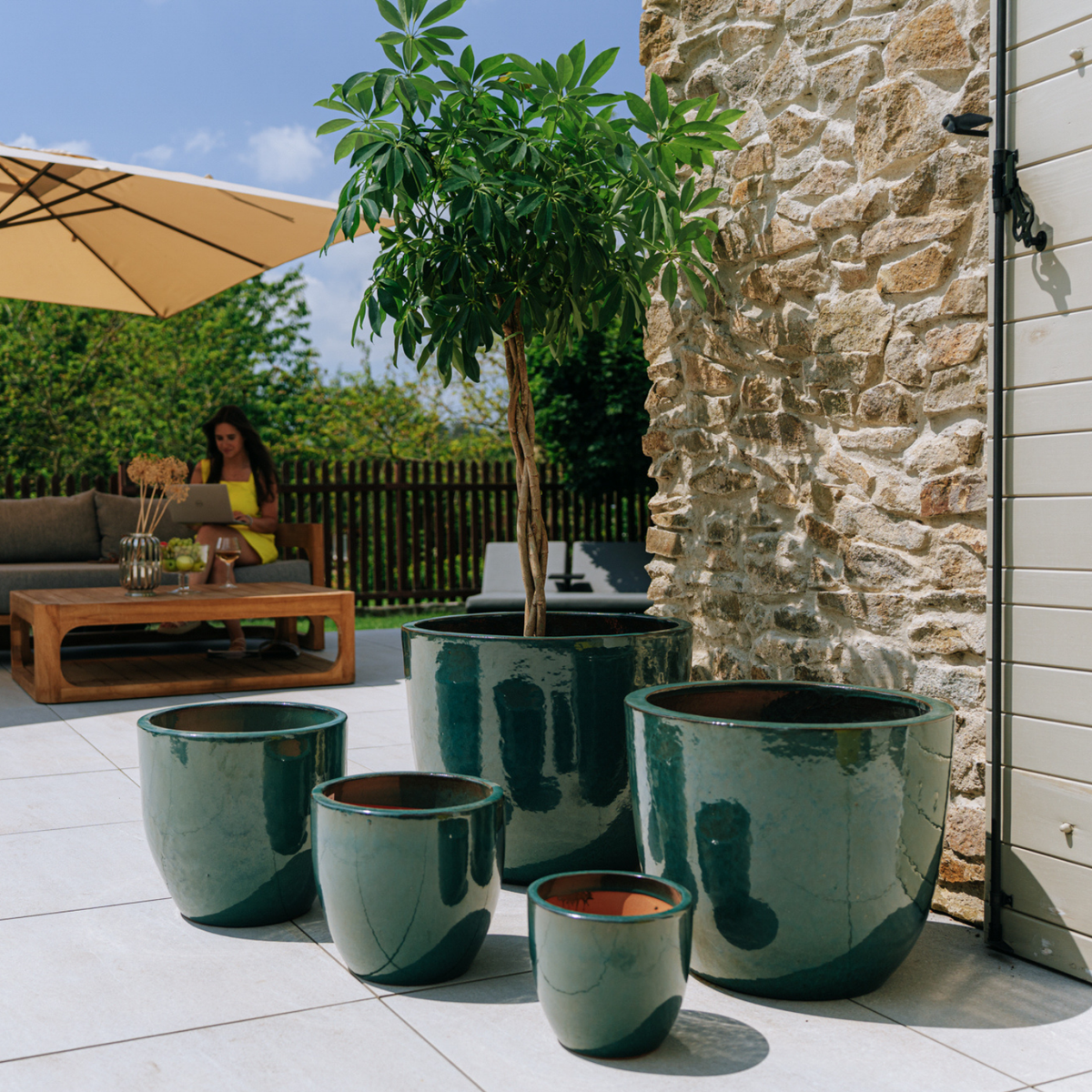
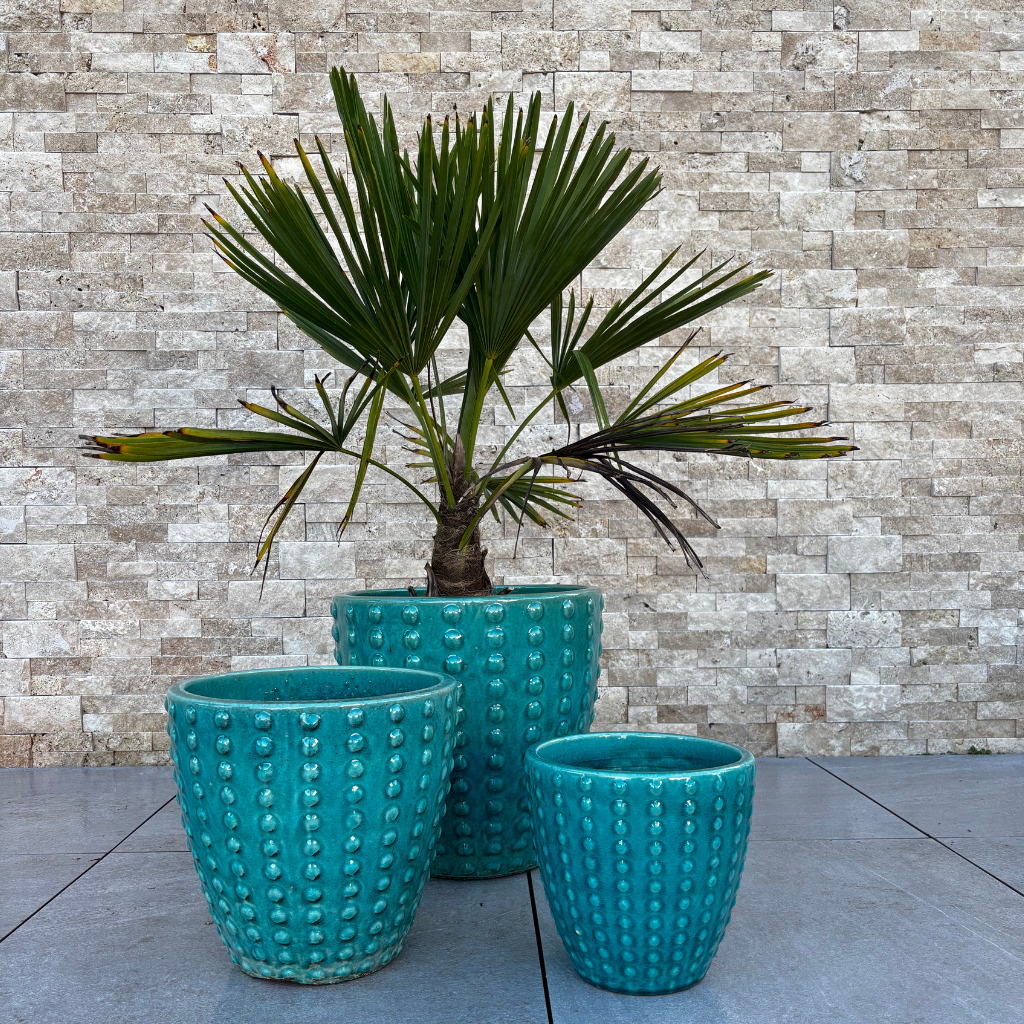
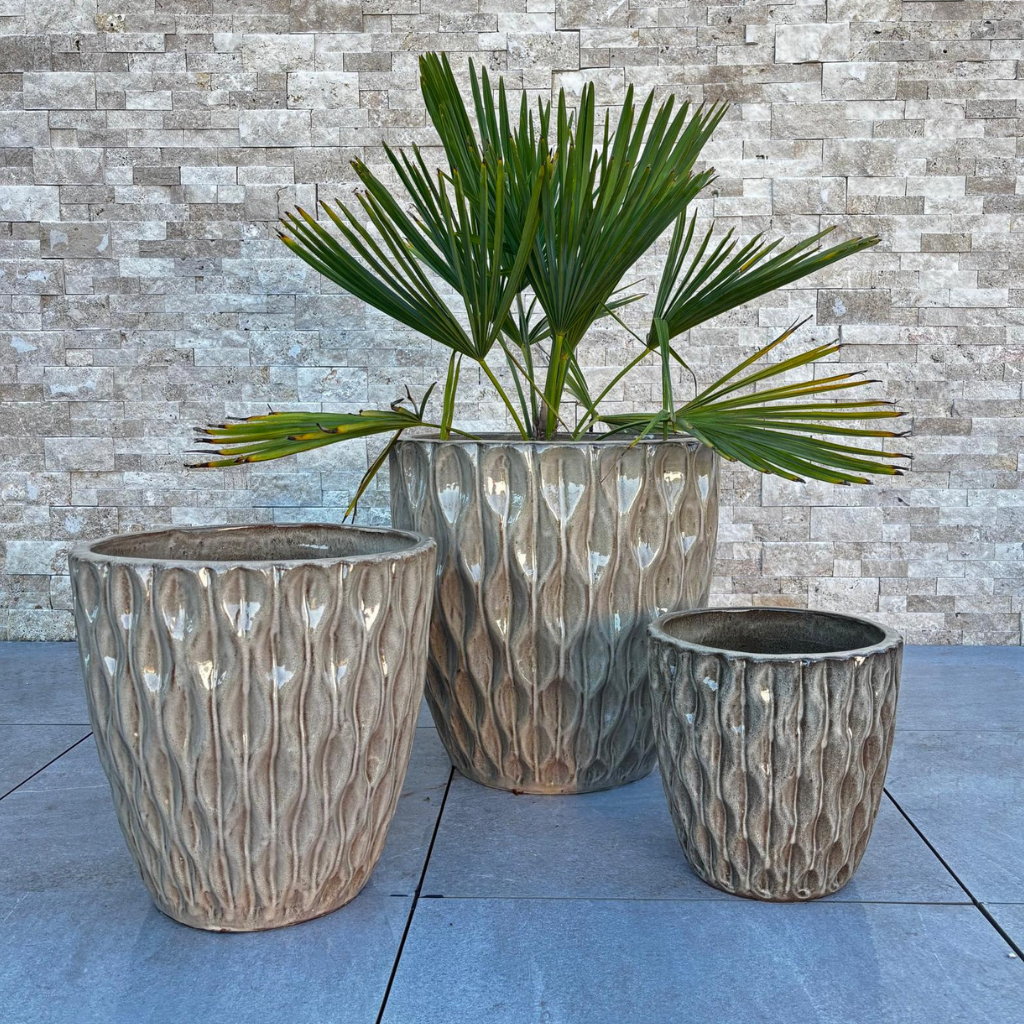
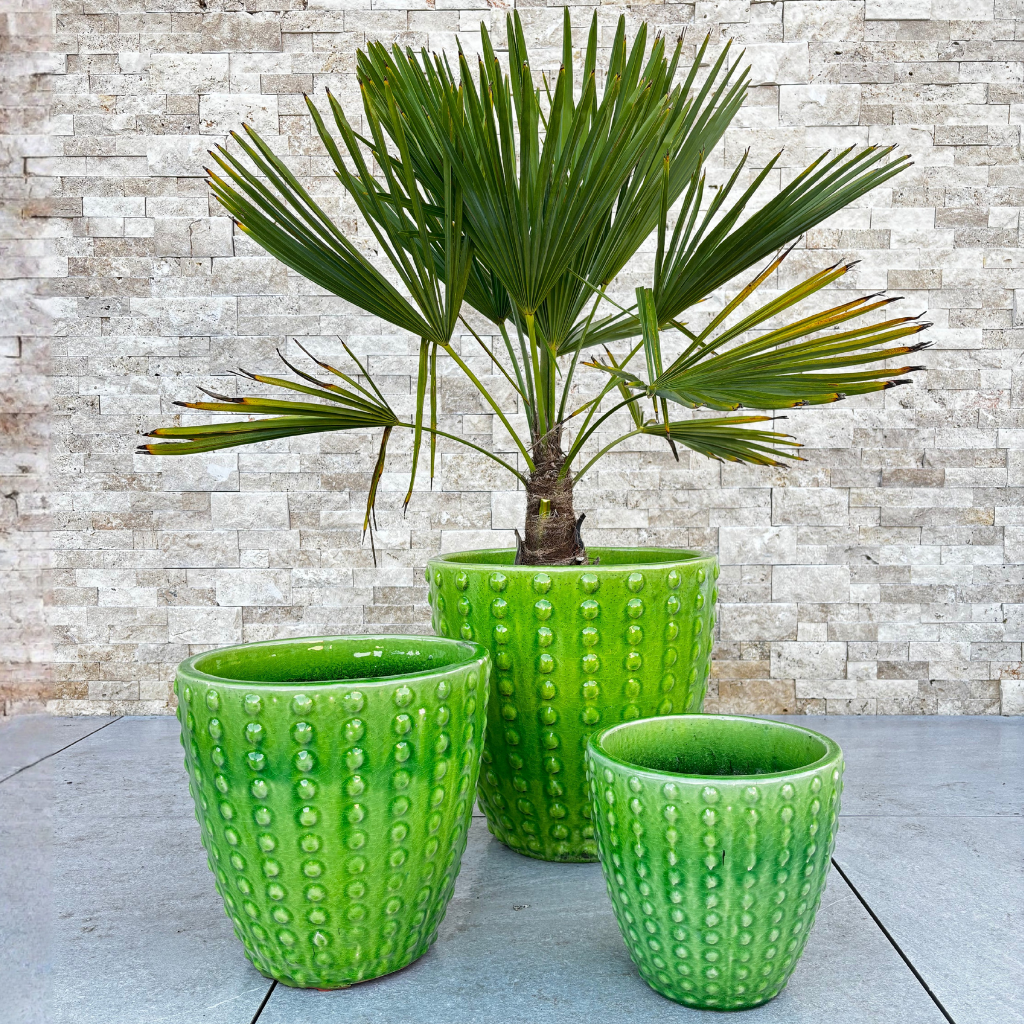
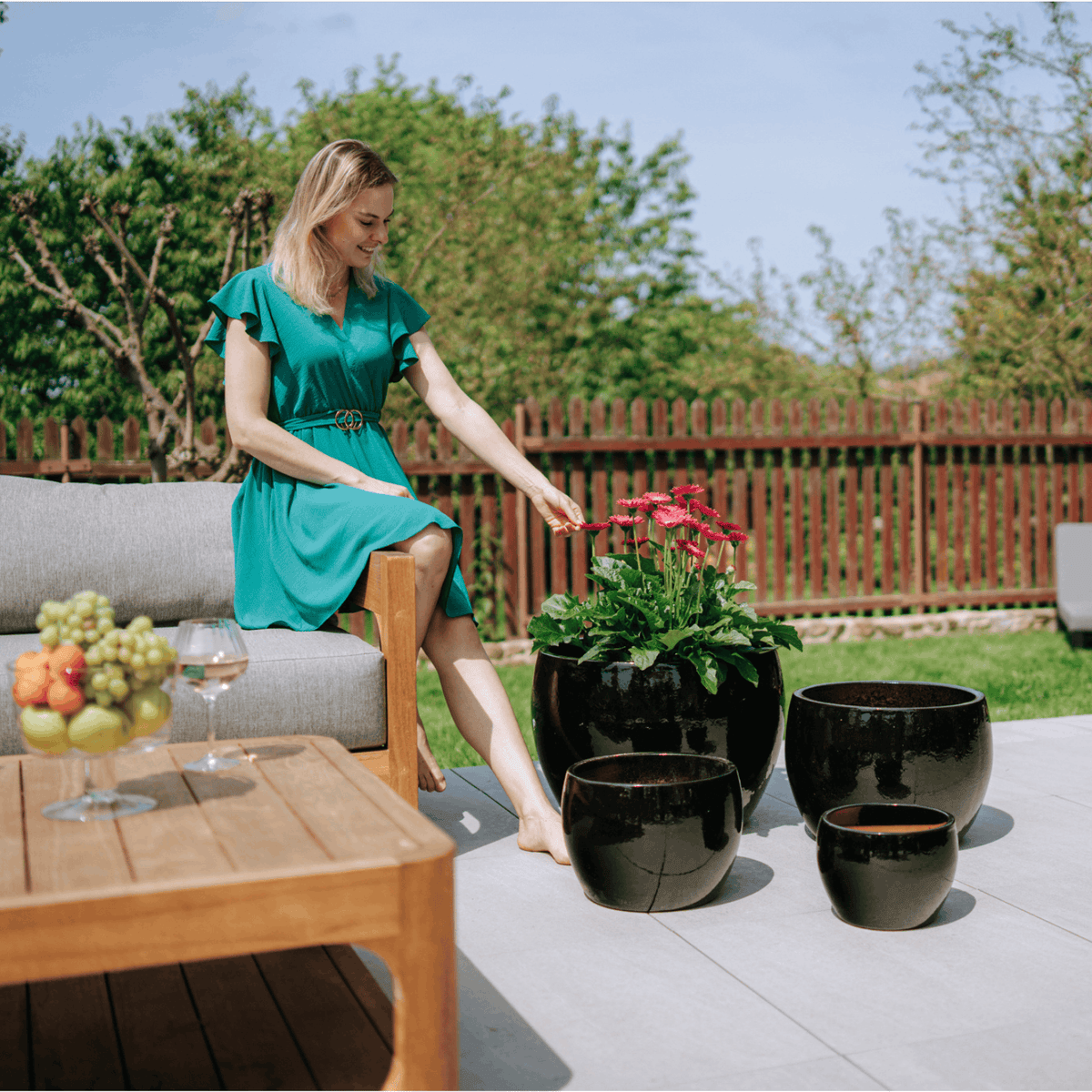
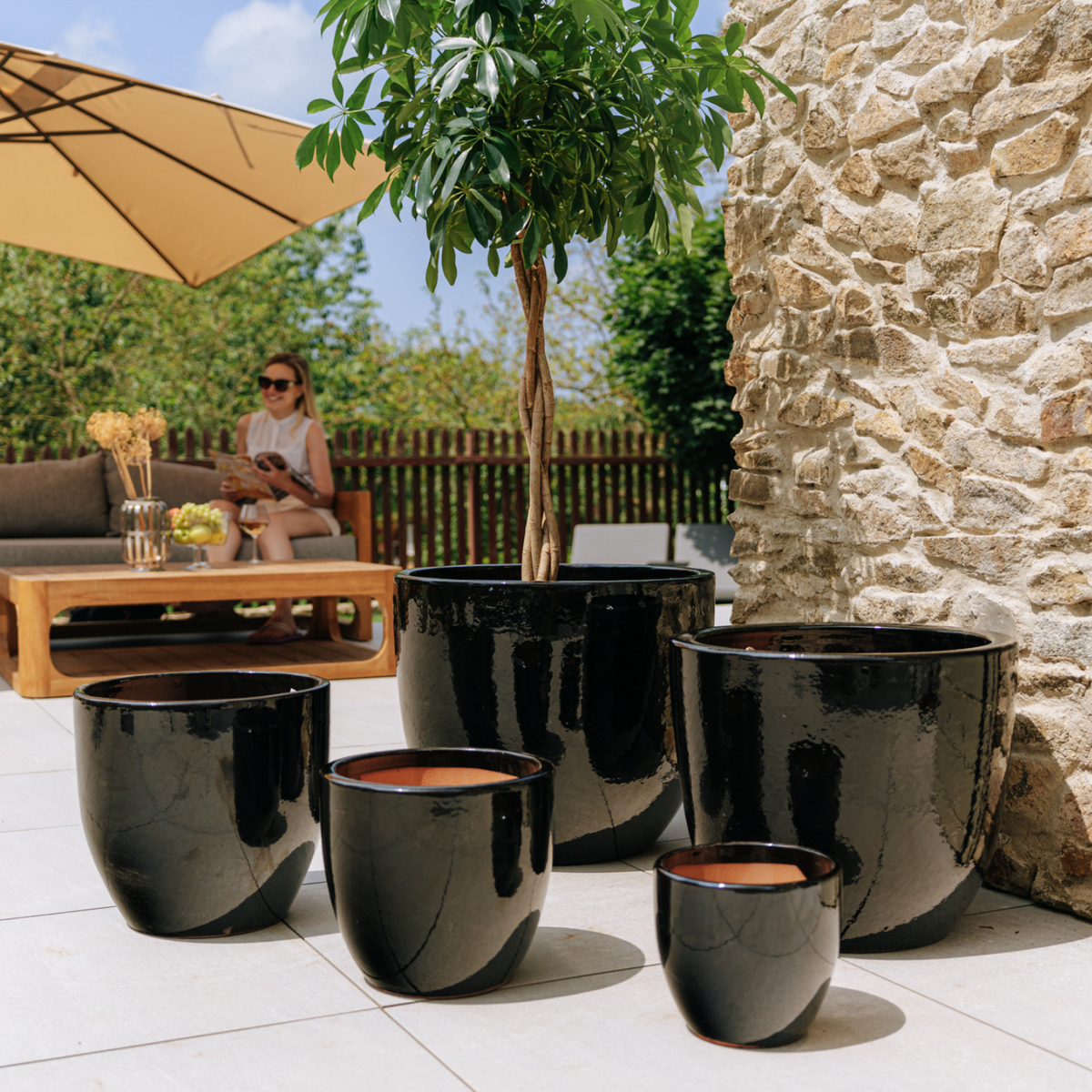
Yes, in odd numbers and with varying heights. Three planters measuring 20, 25 and 30 cm create a balanced arrangement. Keep a common glaze for unity, or a common shade while varying the shapes.