


How to care for ceramic planters to make them last as long as possible
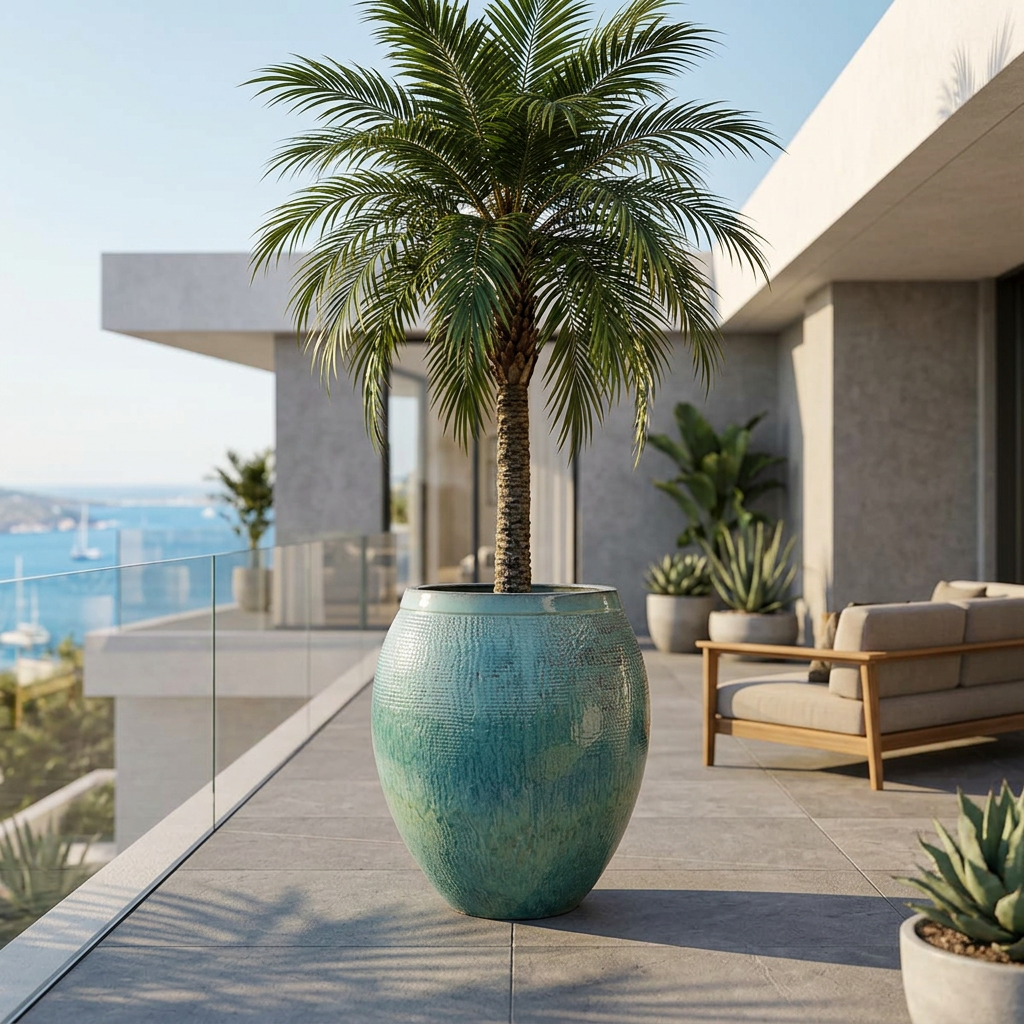
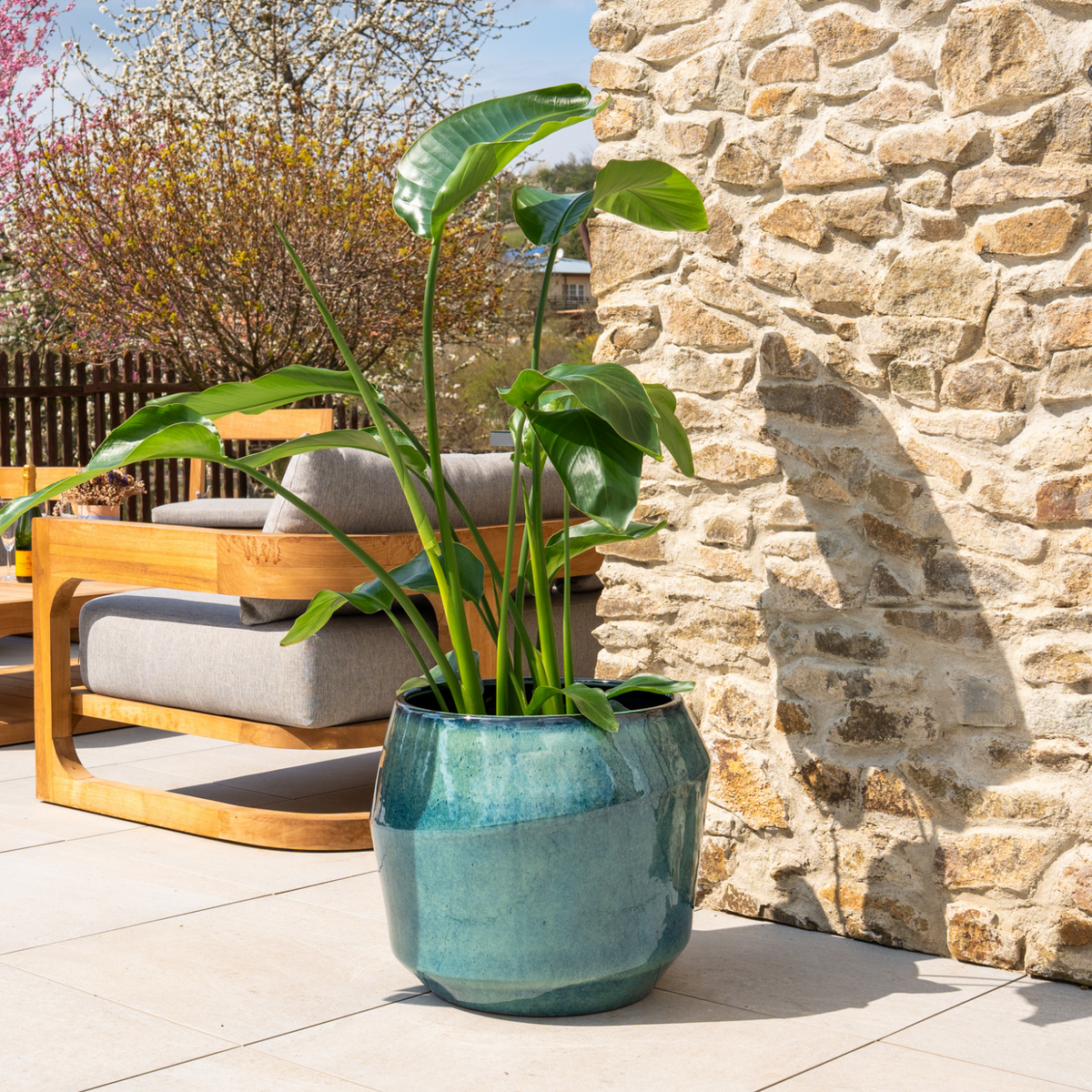
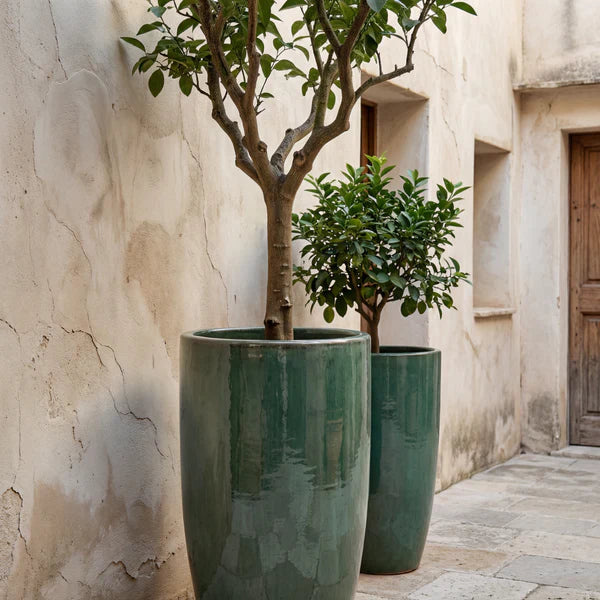
Ceramic planters are beautiful and functional additions to any garden or interior. However, to ensure they retain their appearance and functionality for many years, it is essential to care for them properly. Although ceramic is a relatively durable material, it can be vulnerable to damage if handled incorrectly. In this article, we offer some practical advice to ensure your ceramic planters remain in perfect condition for as long as possible.
1. Regular cleaning of planters
Regular cleaning is essential to preserve the elegant appearance of your ceramic planters. Planters placed outdoors are exposed to dust, rain, soil and other dirt, while those indoors can accumulate dust;
Cleaning tips:
- For routine care, use a damp cloth or soft sponge with a little water. Gently wipe the surface to remove dust and small amounts of dirt.
- A thorough cleaning of unglazed planters may require a soft brush. Avoid using abrasive cleaning products or hard brushes, which could damage the surface of the planter.
2. Protection against extreme temperatures
Ceramic planters are sensitive to temperature variations, particularly in winter. Frost can cause water to build up in the pores of the ceramic and, as it expands, crack the material.
Winter tips:
- Empty water from inside the planters:
- Do not leave standing water in your planters. Moisture can seep into the pores of the ceramic and freeze, causing microcracks or breakage.
- Avoid direct contact with cold compost:
- Raise your planters using stands or feet to encourage water drainage and reduce their exposure to the intense cold of the compost.
- Remove outdoor saucers:
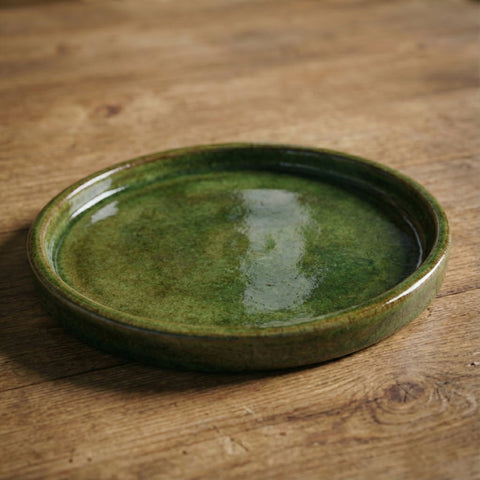
- Remove saucers in winter to prevent water from collecting beneath the planter, which could accelerate damage in the event of frost.
- Move your planters to a sheltered location:
- If possible, place your planters in a protected area.
- Use suitable protection:
- For planters that are too heavy or impossible to move, wrap them in a protective fabric such as horticultural fleece to reduce direct exposure to frost.
3. Preventing cracks and damage during handling
Ceramic planters are fragile and can easily break if knocked or dropped. Here are some tips to minimise the risks:
- Use pads or stands: Place planters on soft surfaces or vibration-absorbing supports to avoid impacts.
- Handle with care: Always hold the planter with both hands and avoid knocking it against hard surfaces. Depending on the size of the planter, you may need help from a second person.
- Avoid sudden temperature changes: If you move planters from a cold outdoor area to a heated interior, allow them to acclimatise gradually to avoid thermal shock that could cause cracks.
4. Maintaining the appearance of glazed planters
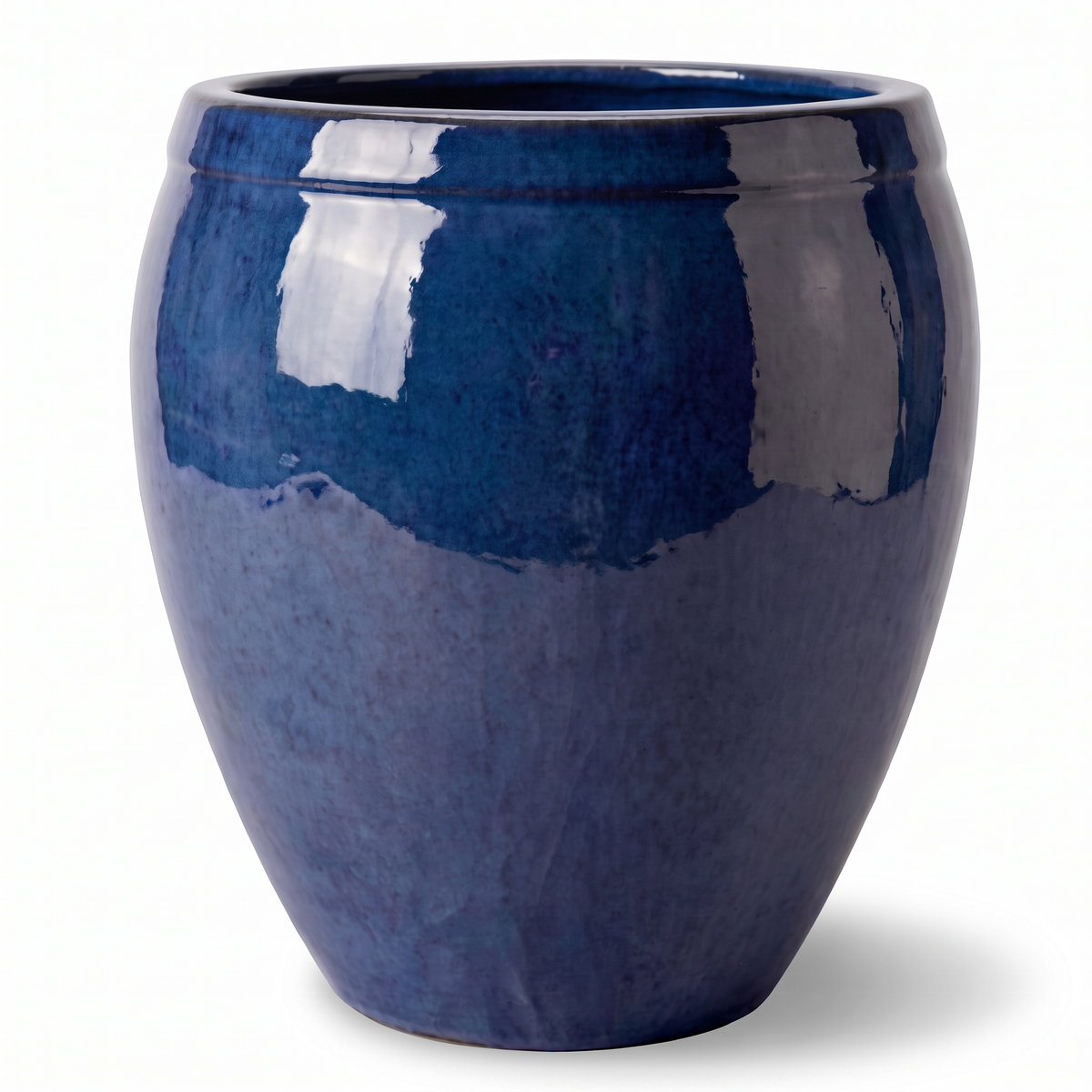
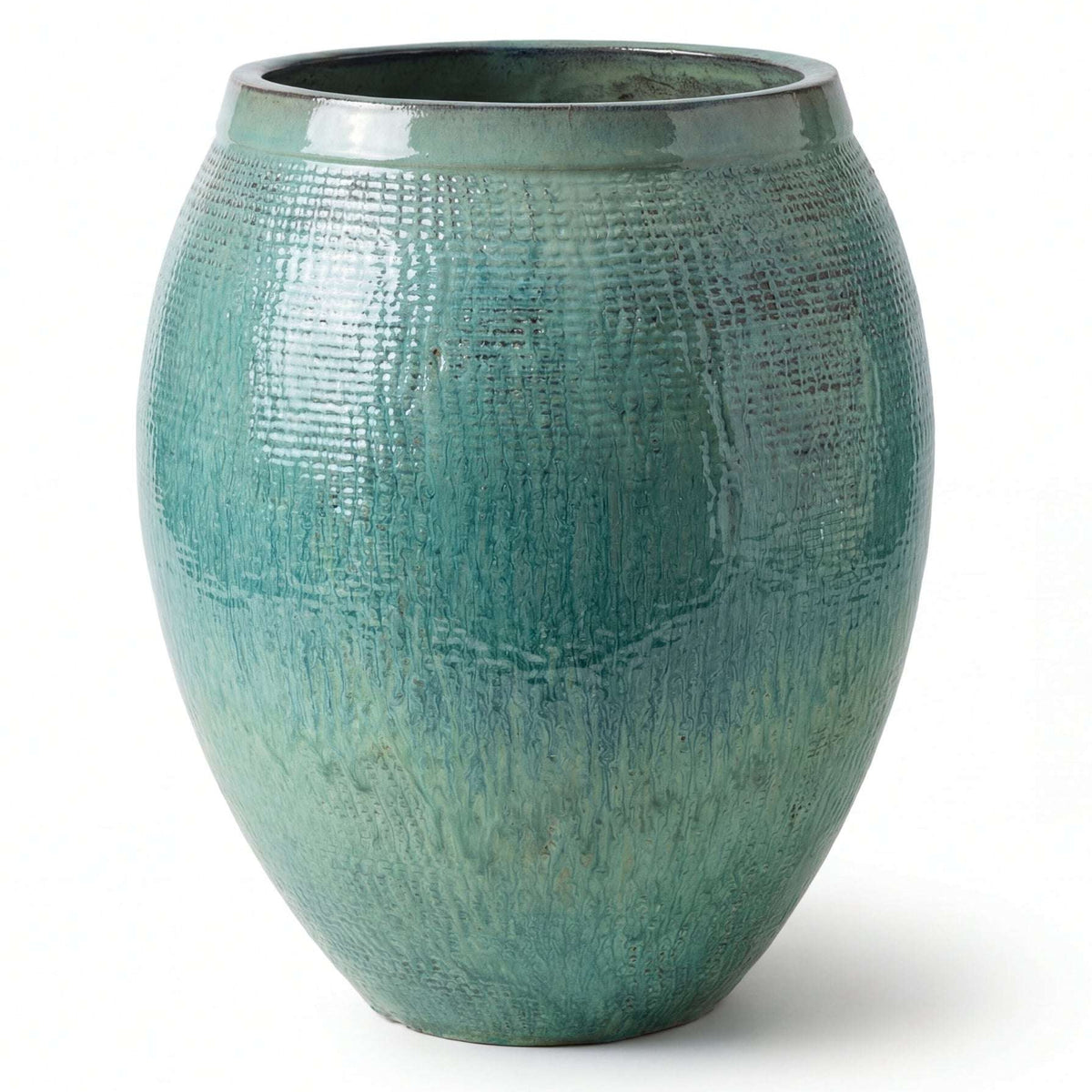
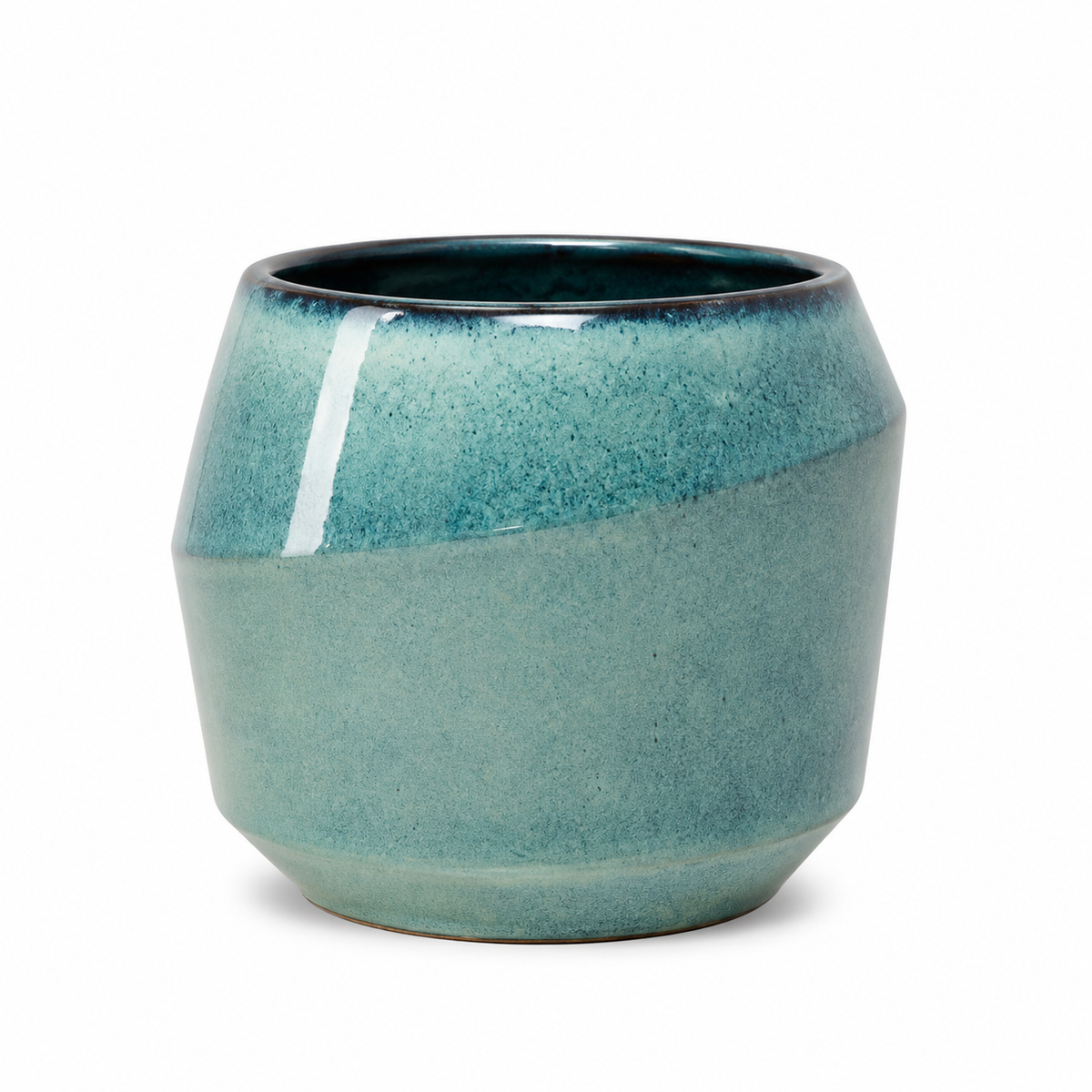
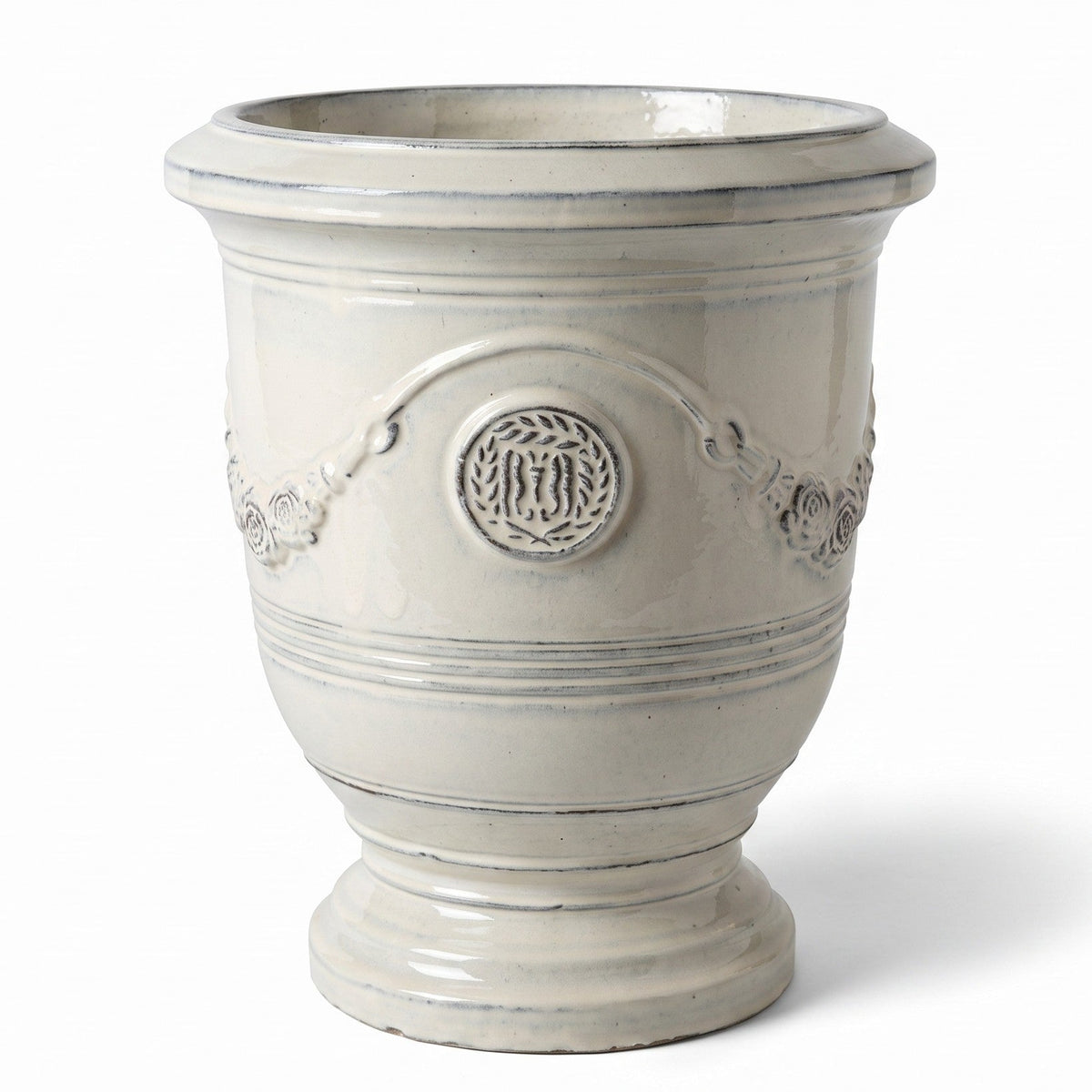
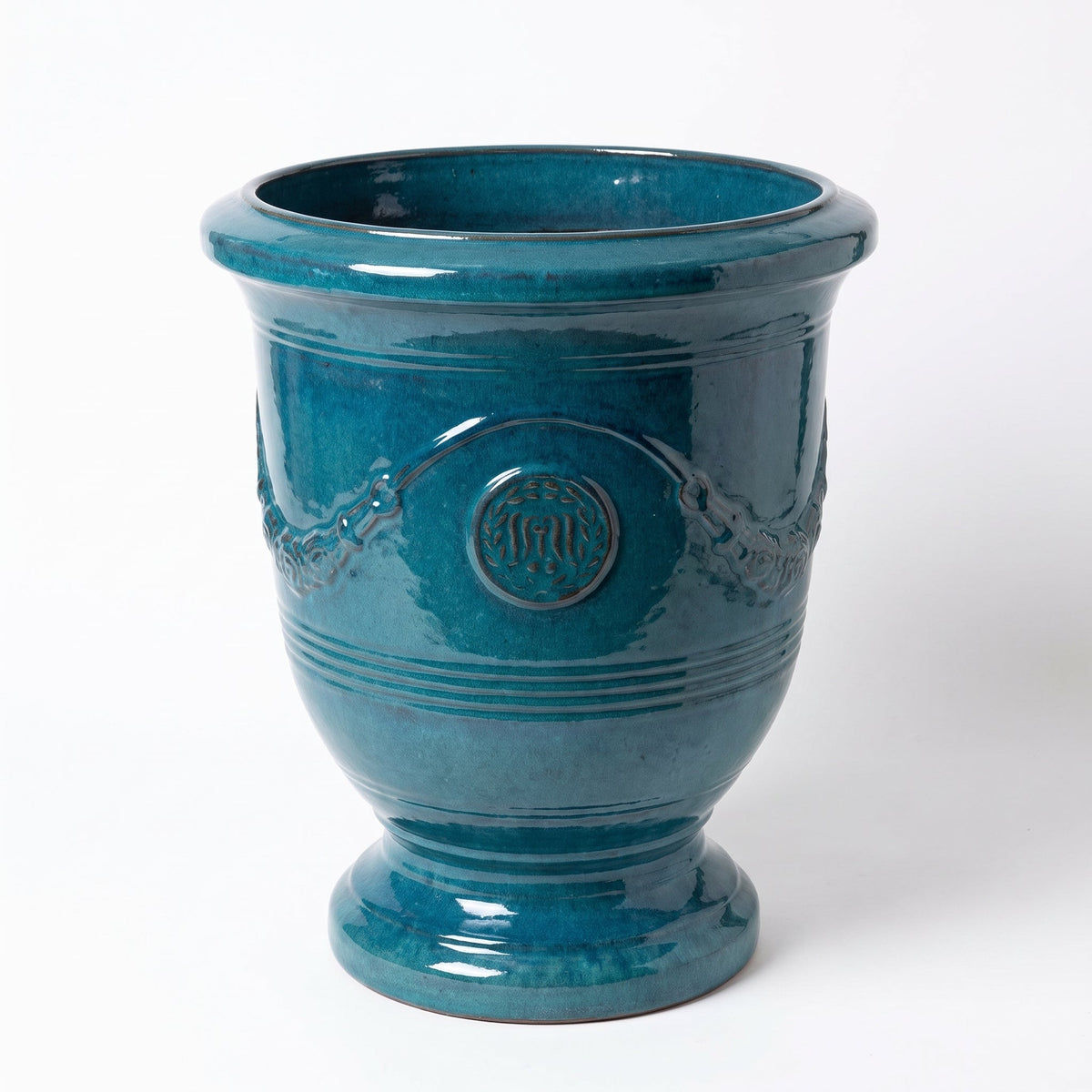
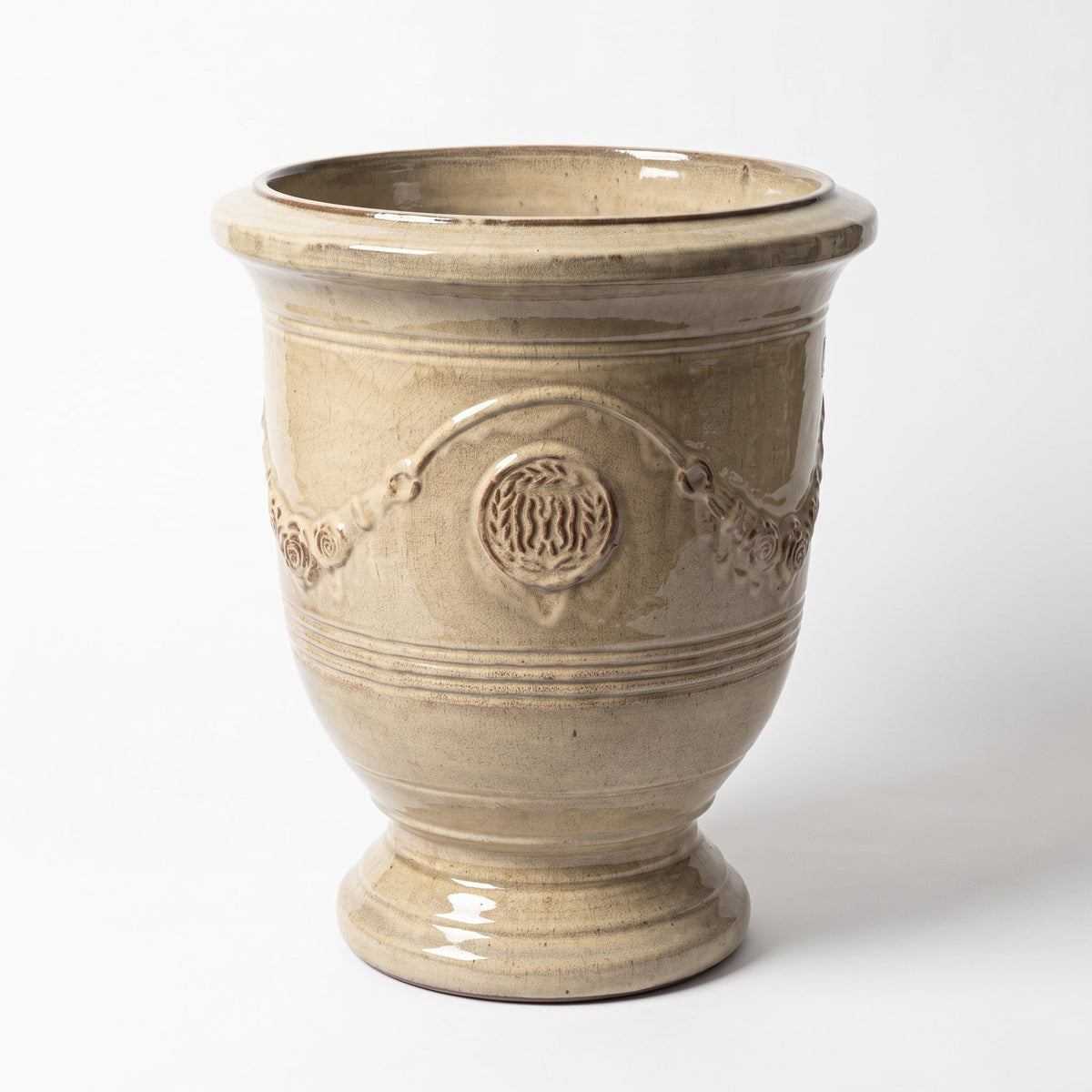
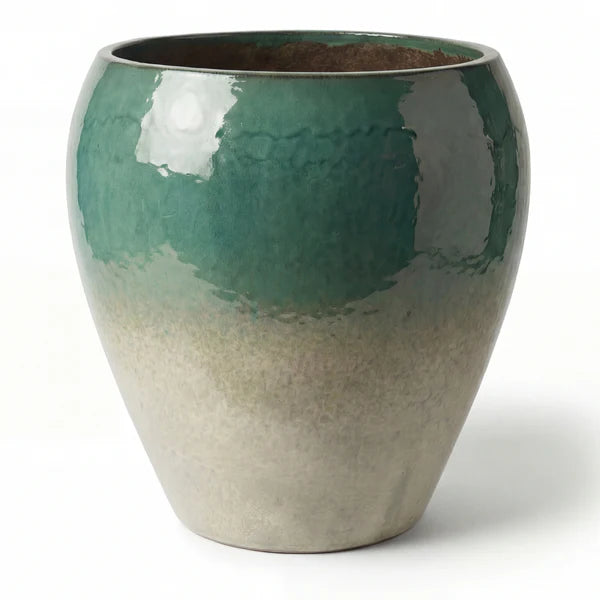
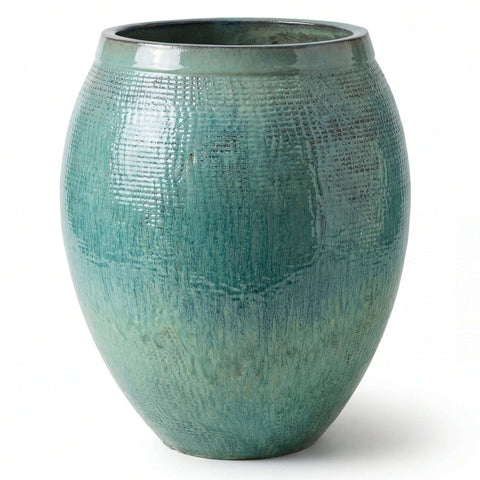
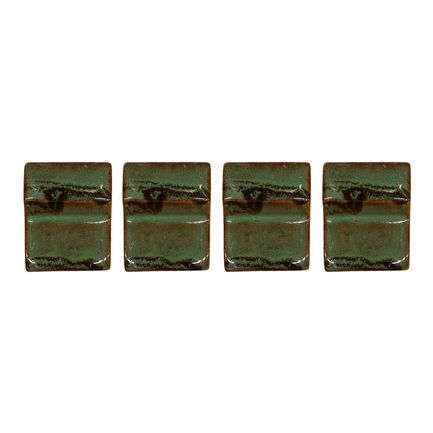
Glazed ceramic planters have a smooth, glossy surface that protects the ceramic and gives the planters a unique appearance. Here is how to care for them:
- Avoid chemicals: When cleaning, do not use harsh products that could damage the glaze. A soft cloth and water or a mild soapy solution are sufficient.
- Prevent scratches: The glaze is prone to scratches, so take care when handling and avoid placing heavy objects on the surface.
- Check regularly: Inspect glazed planters for any cracks or damage and act quickly to prevent more serious problems.
5. Ensuring good drainage
As with any type of planter, ceramic planters require adequate drainage to prevent excess water, which could cause root rot. It is therefore important for the base of the planter to have a hole to allow water to drain away.
Tips for better drainage:
- If your planter has a drainage hole, add a thin layer of gravel or clay pebbles at the bottom to improve water drainage.
- If you use planters without a hole, consider either drilling one (if possible) or using a double-pot system: plant the plant in a plastic pot with a drainage hole, then insert this pot into the decorative ceramic planter.
Conclusion
Caring for your ceramic planters ensures that they retain their beauty and functionality for years. Regular maintenance, protection against unfavourable conditions and careful handling are essential to keep your planters in perfect condition. By following these simple tips, your ceramic planters will not only remain attractive, but will also provide your plants with an optimal environment for growth.