

Lavender in a planter: which substrate, exposure and when to prune it?
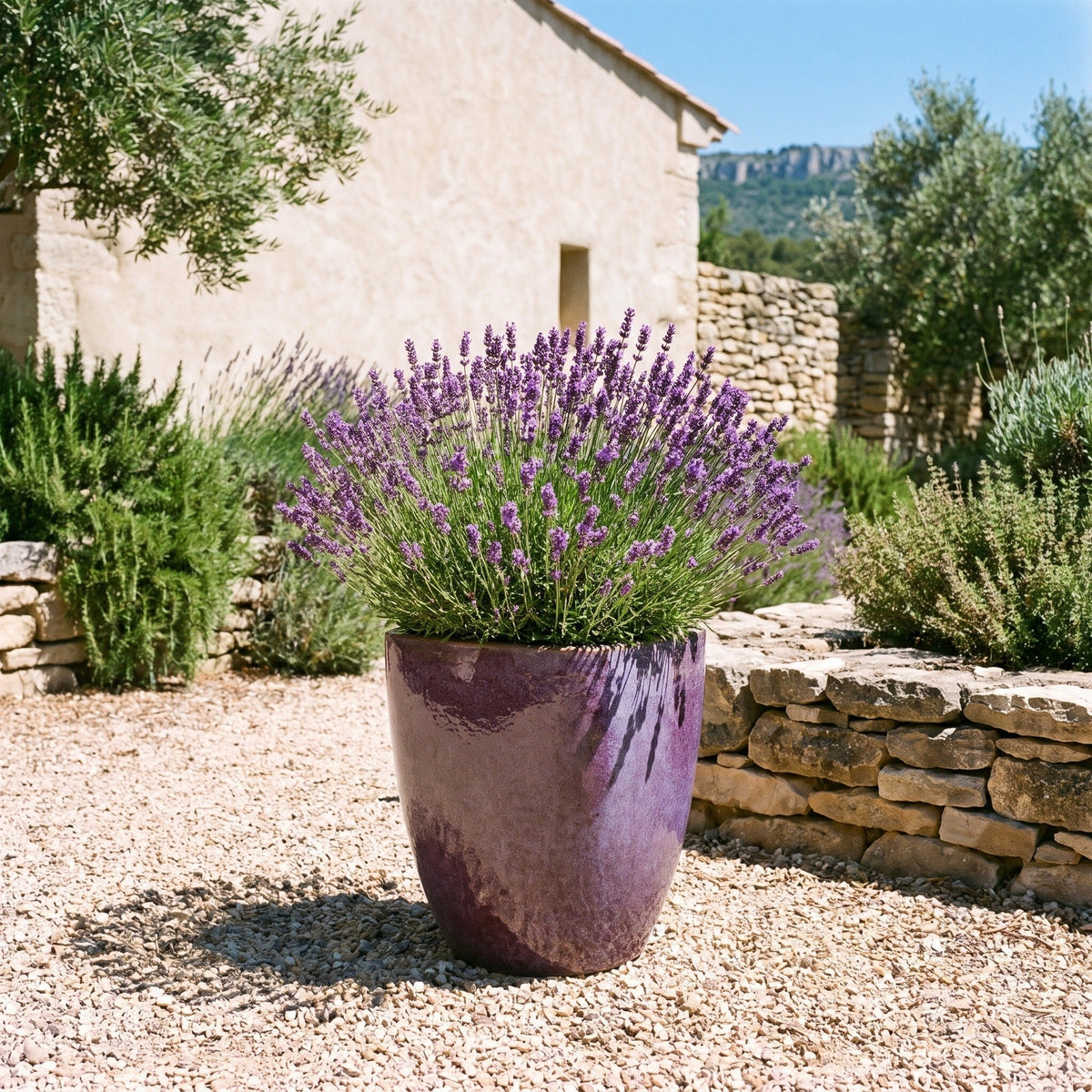
Lavender (Lavandula angustifolia) is an undemanding Mediterranean plant that brings a touch of Provence to any terrace. The keys to success: a free-draining growing medium, full sun and pruning twice a year.
1. Position
Lavender loves full sun and warmth: at least 6 to 8 hours of direct sunlight a day. In partial shade, it becomes straggly, flowers little and is more susceptible to disease. It tolerates drought and wind, but not damp or shade.
Suitable locations: a south-facing terrace, a balcony against a wall, a dry garden. Ideally, position it against a wall that radiates heat.
2. Planter size and type
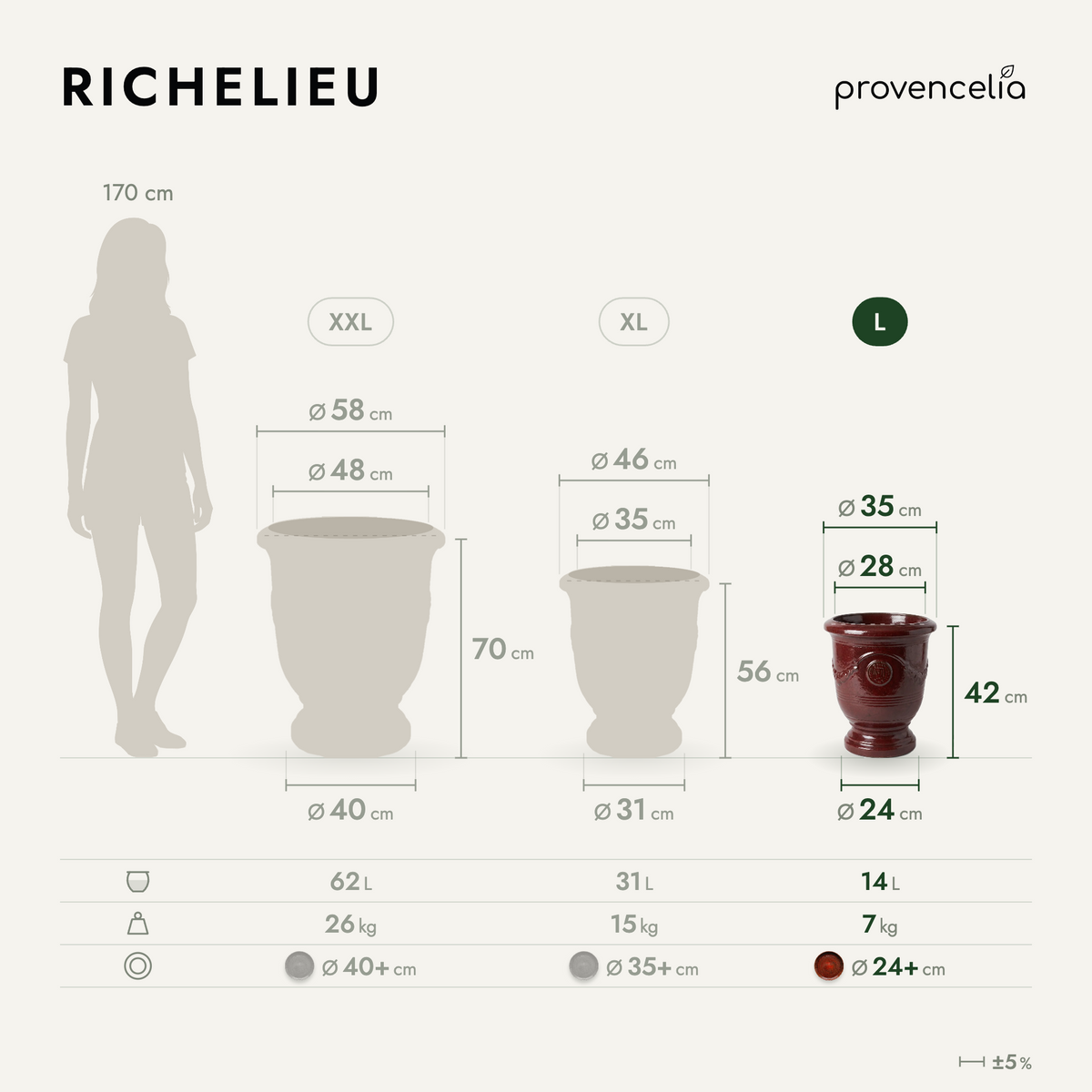
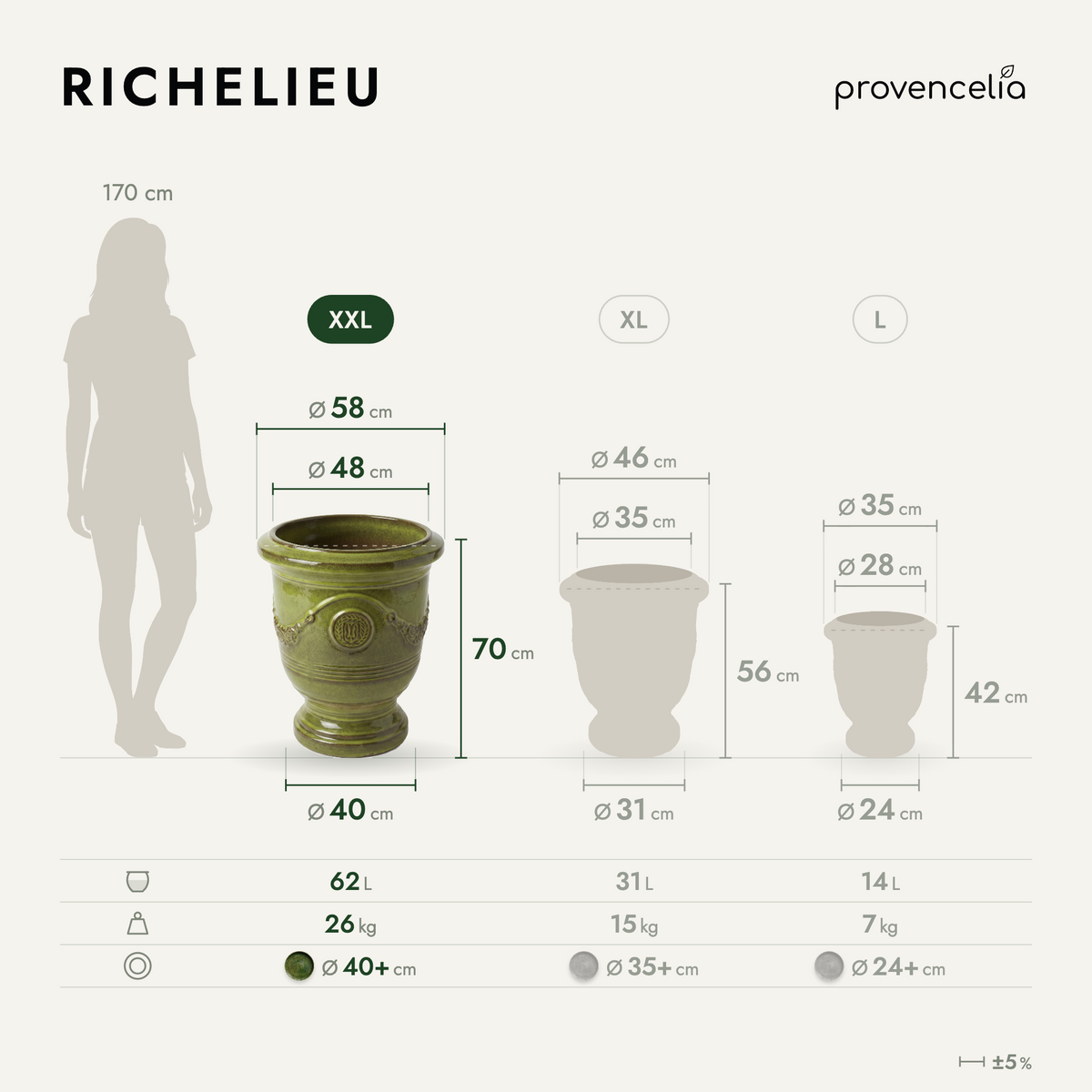
- One plant: 25 to 30 cm in diameter
- Three plants: 35 to 45 cm
- Five plants: a planter of 60 cm or more
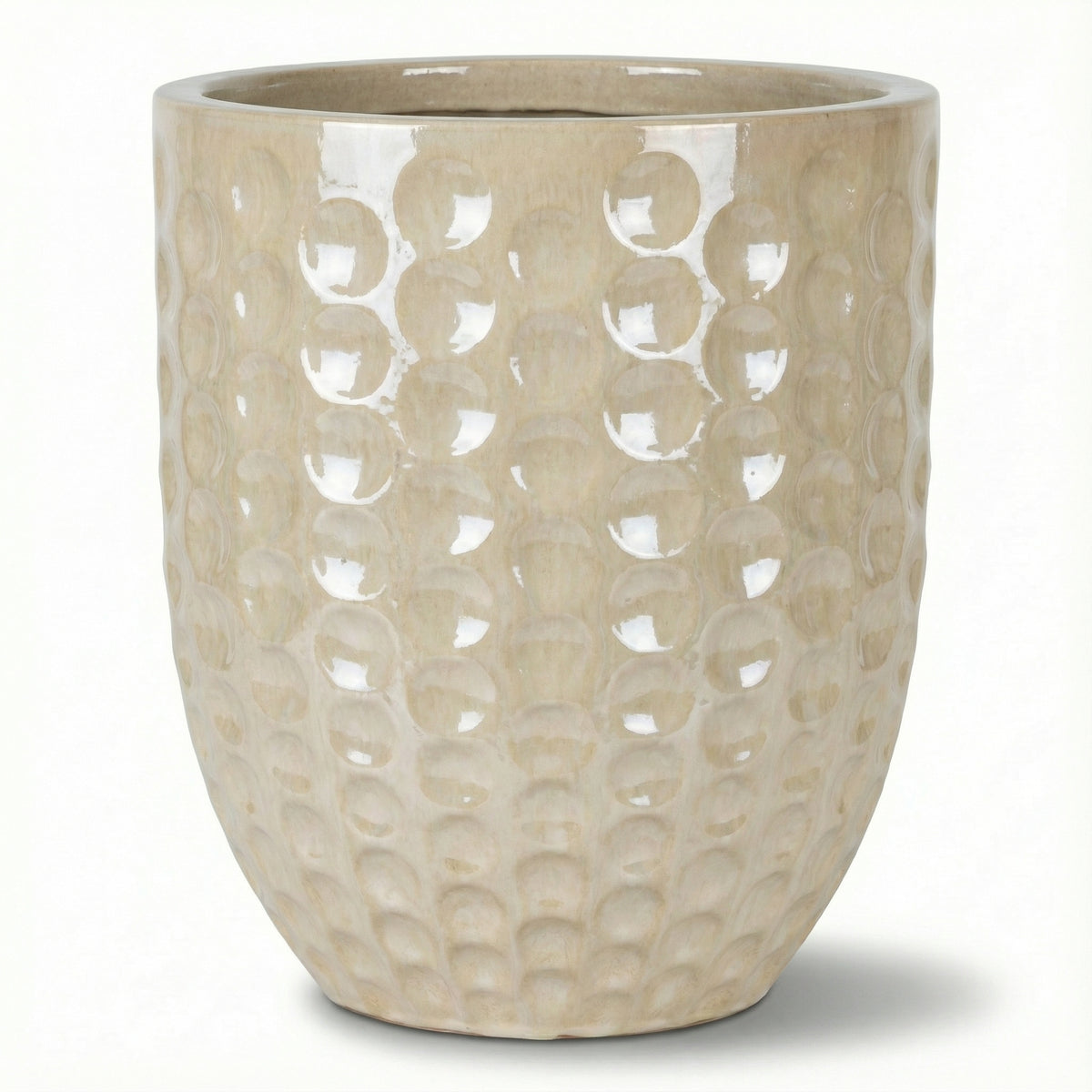
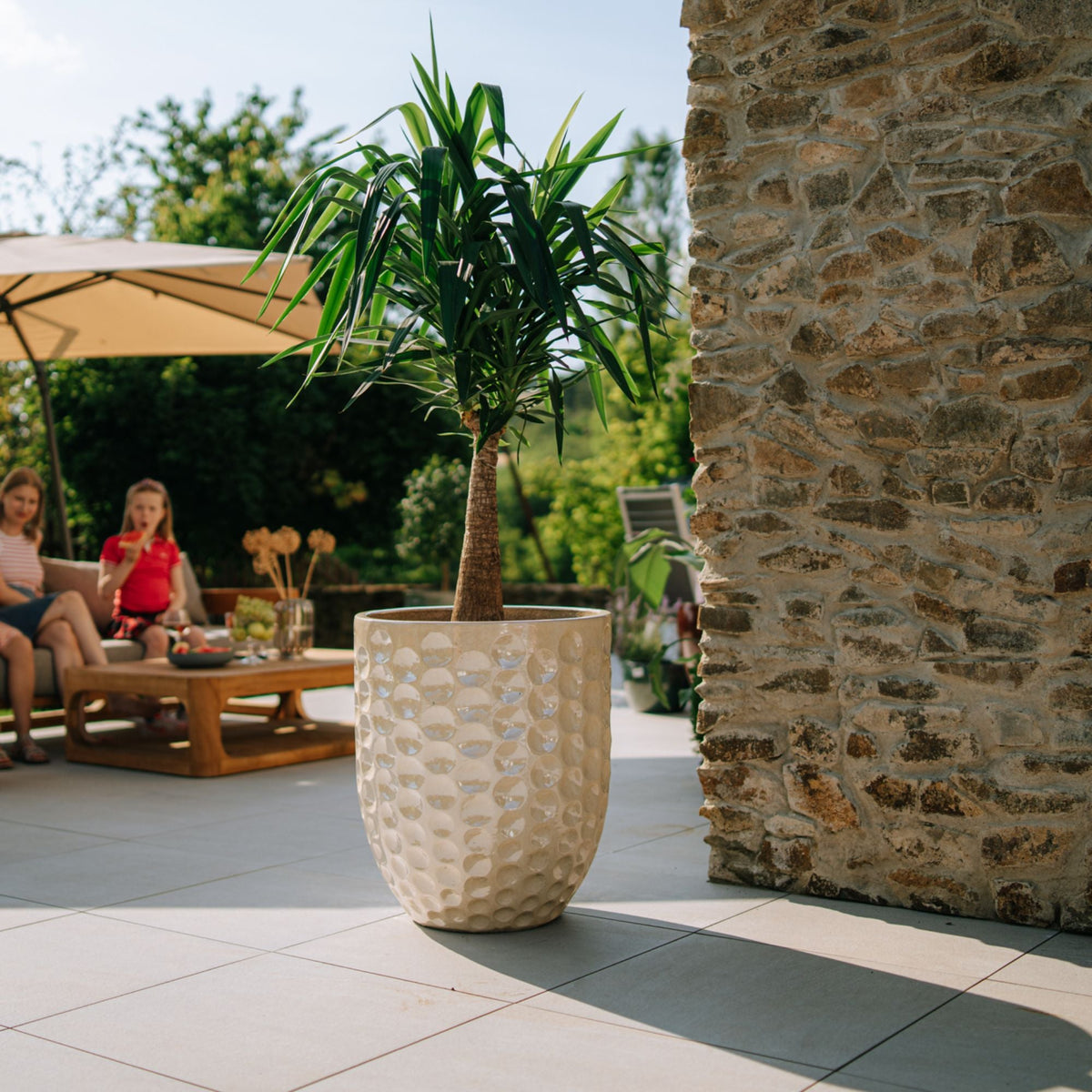
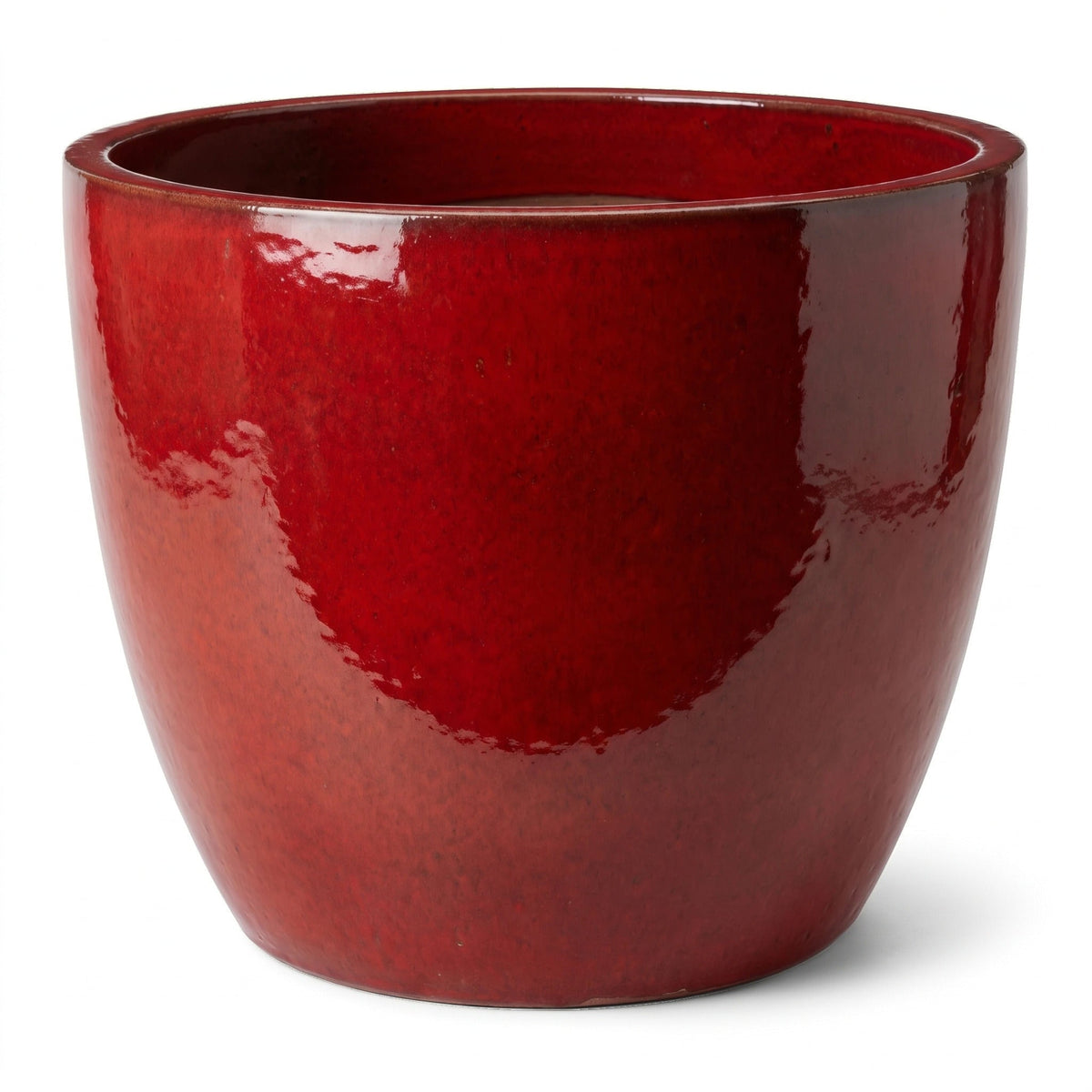
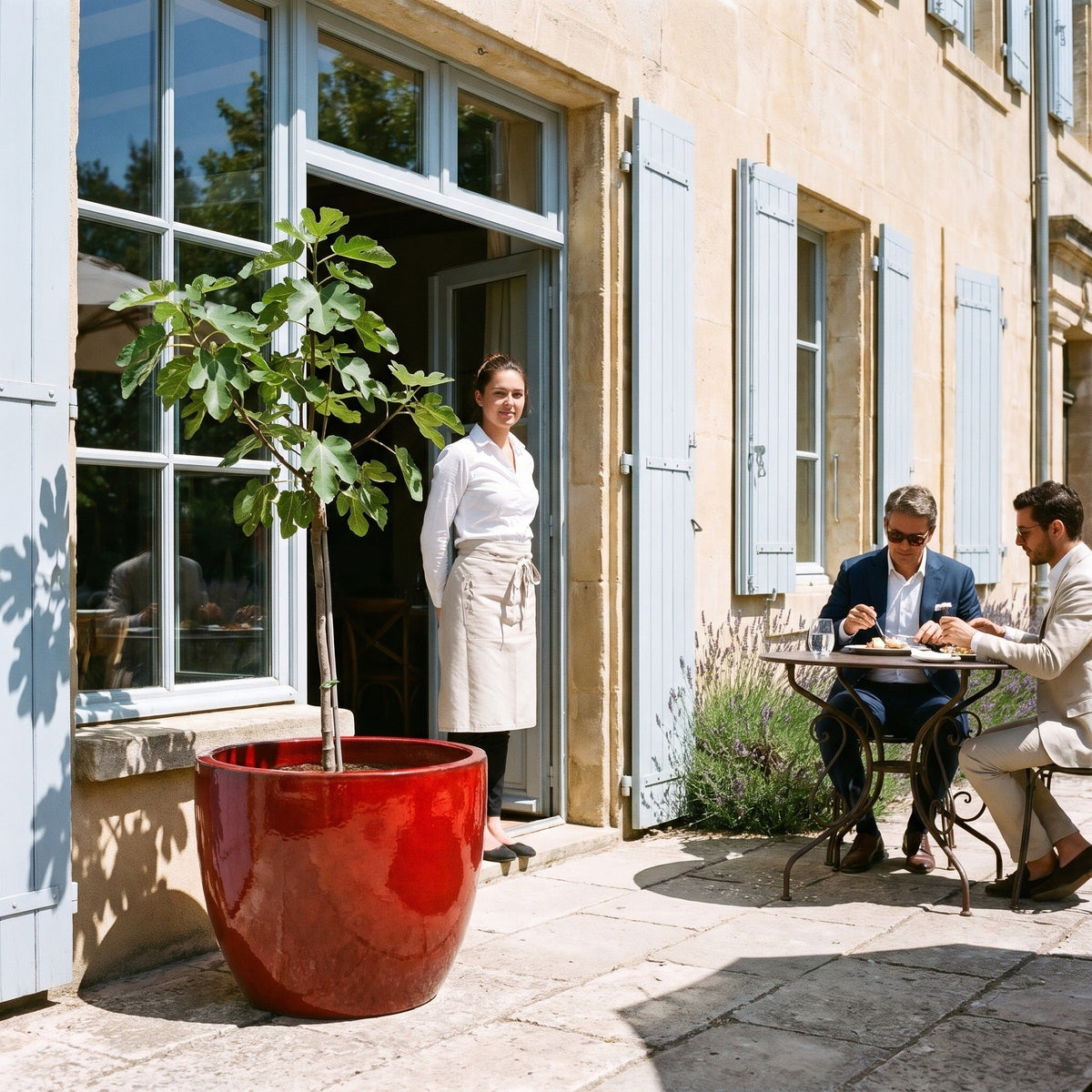
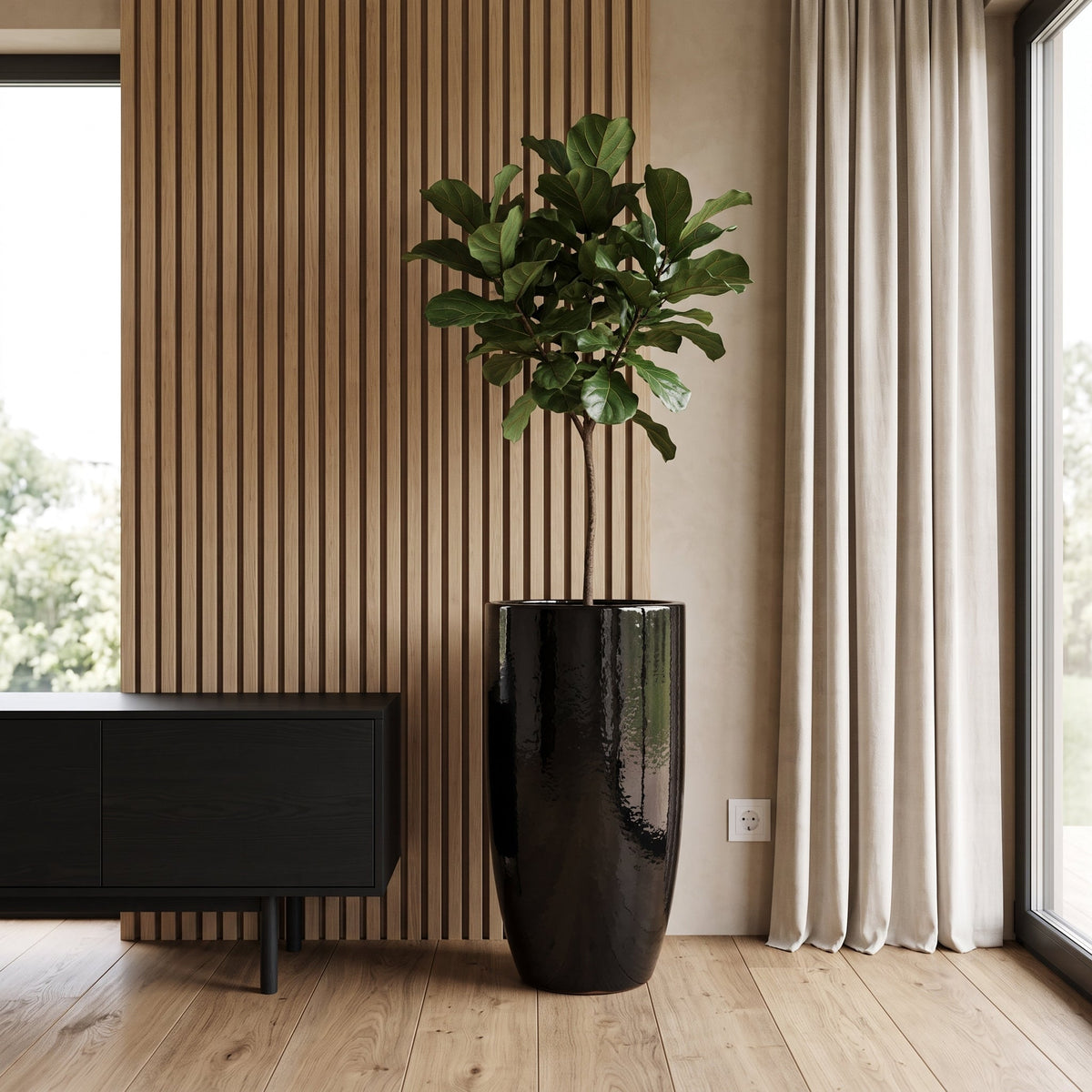
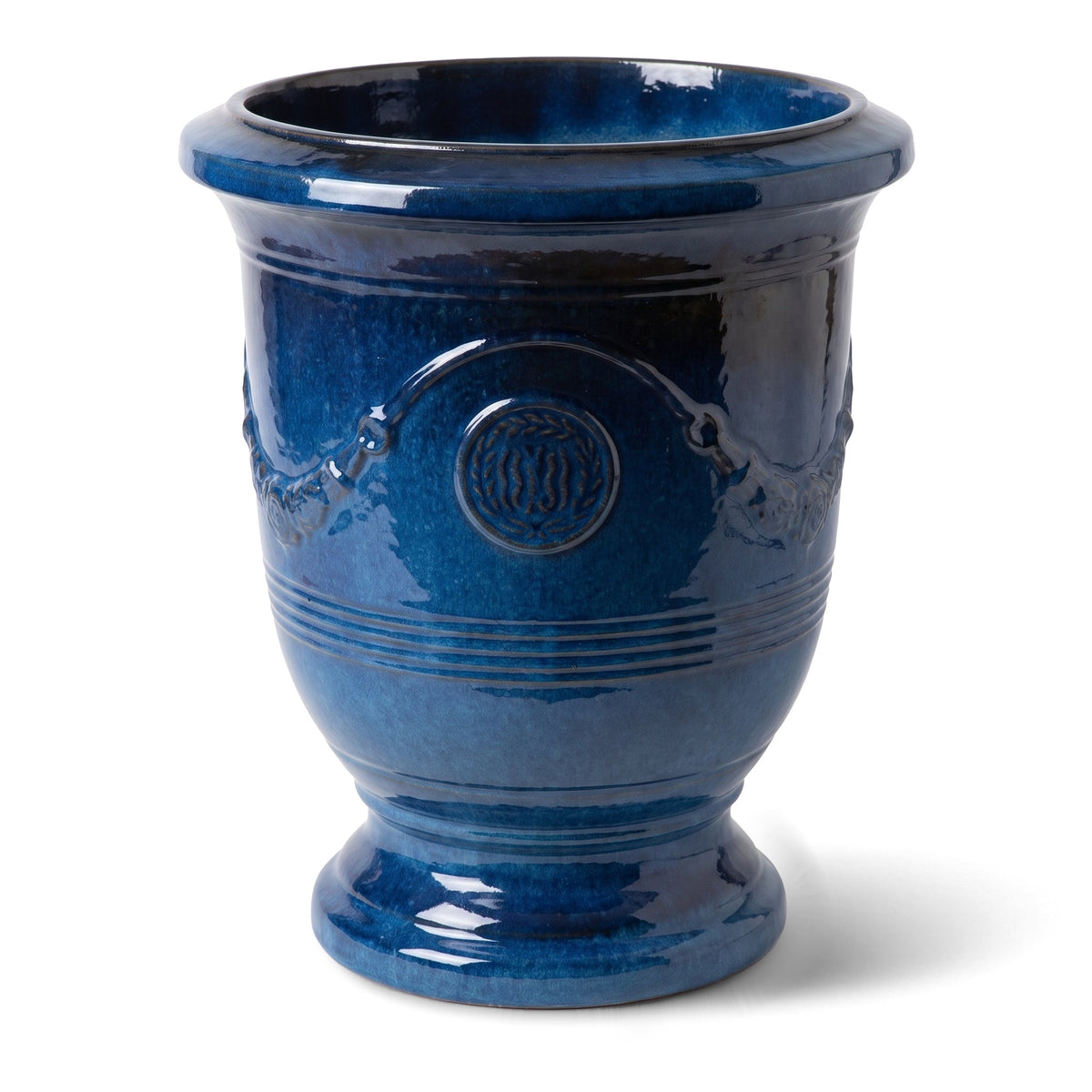
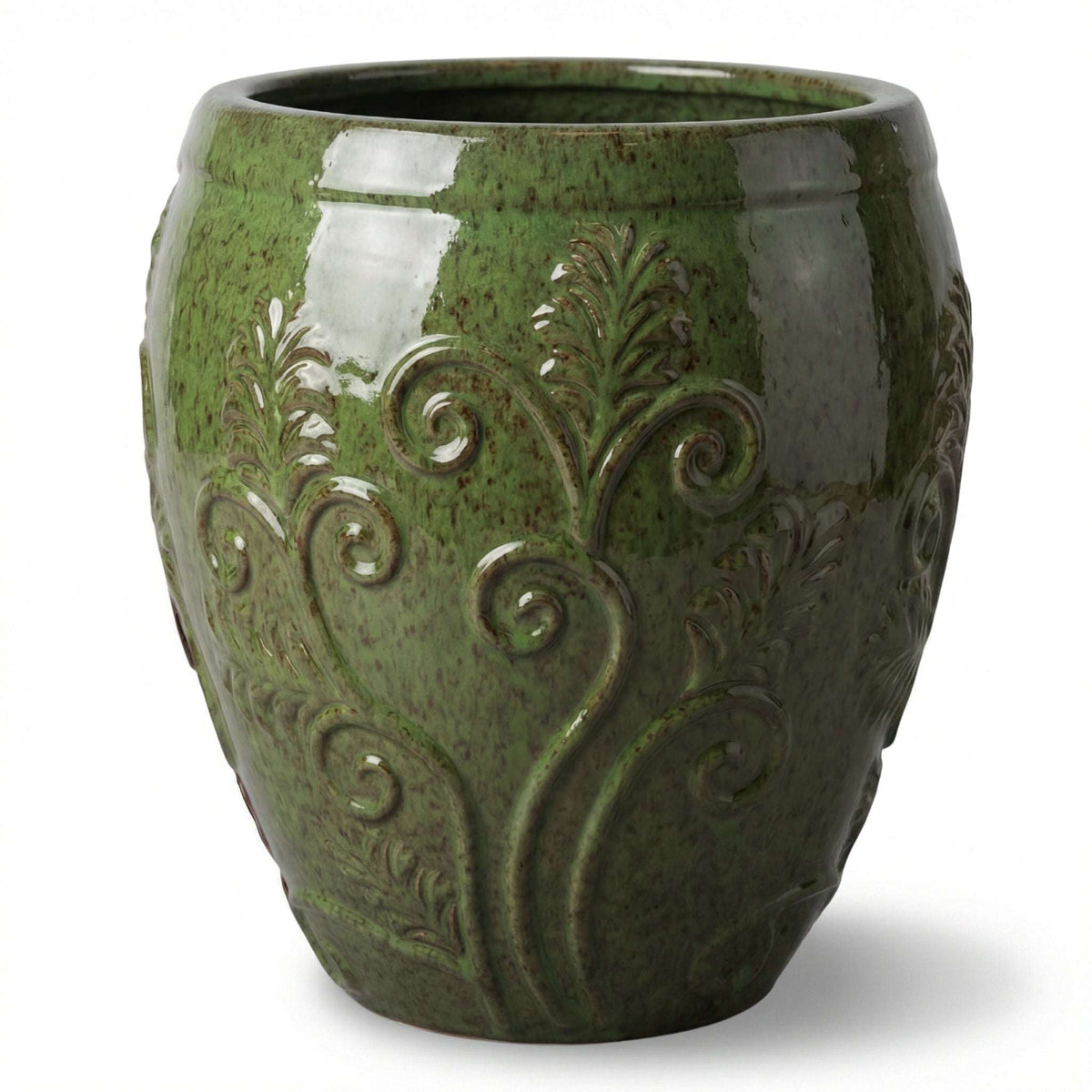
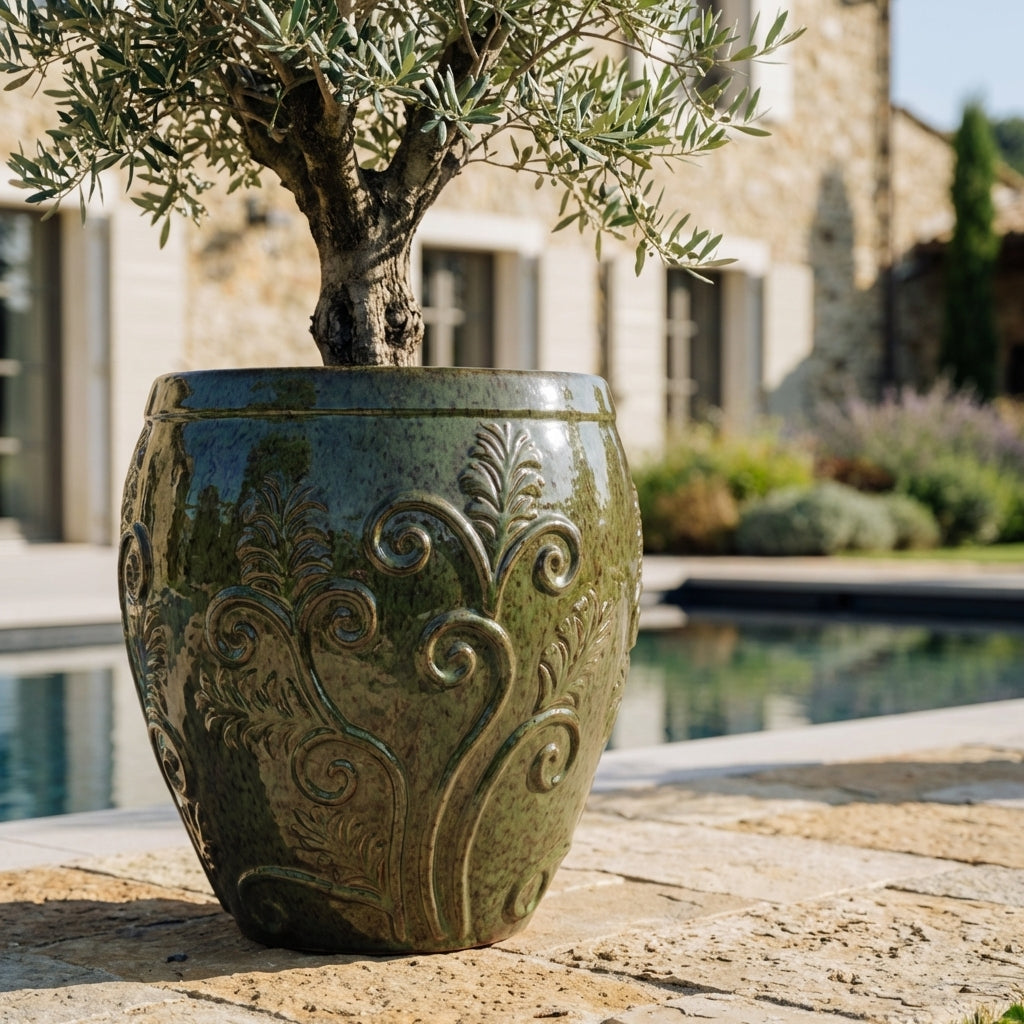
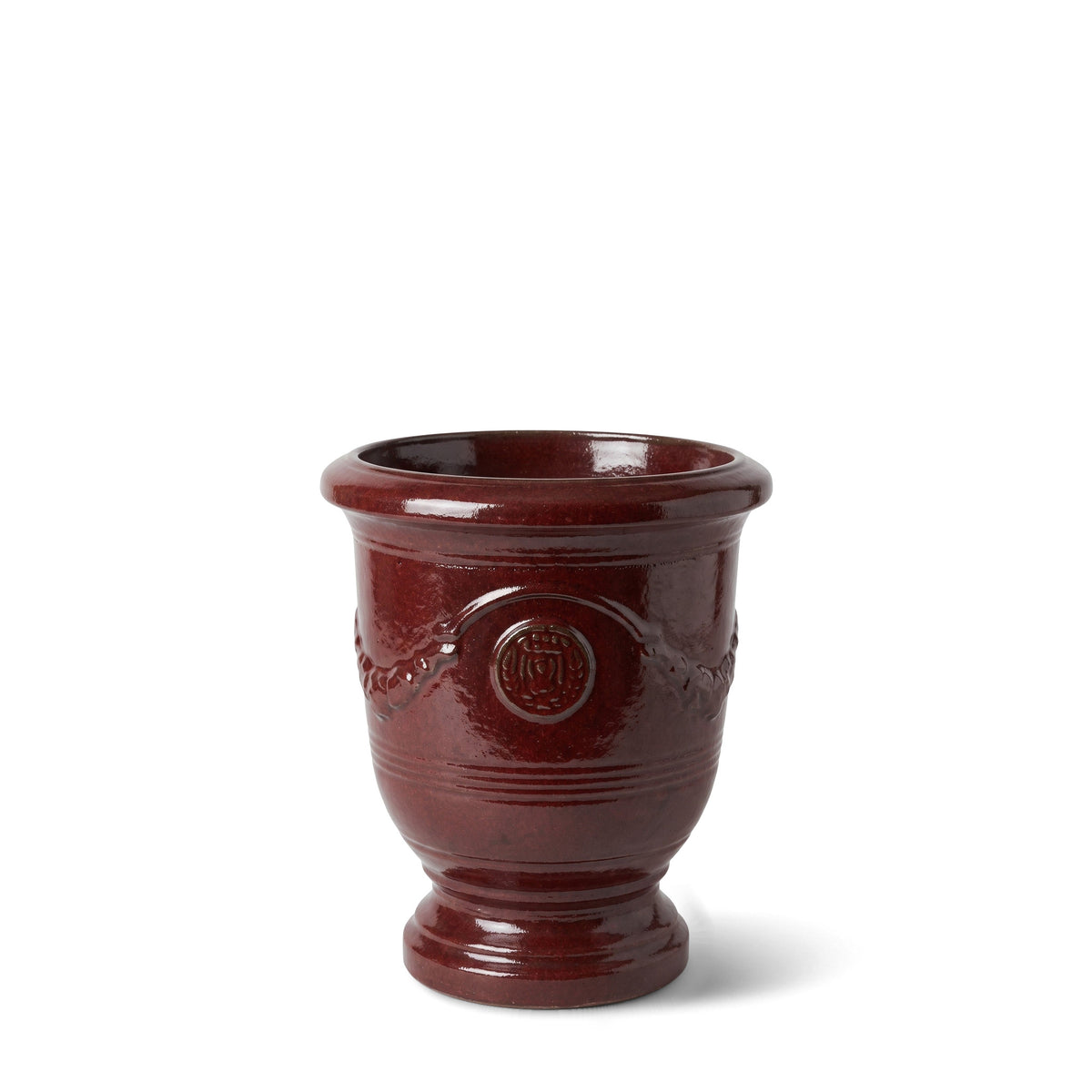
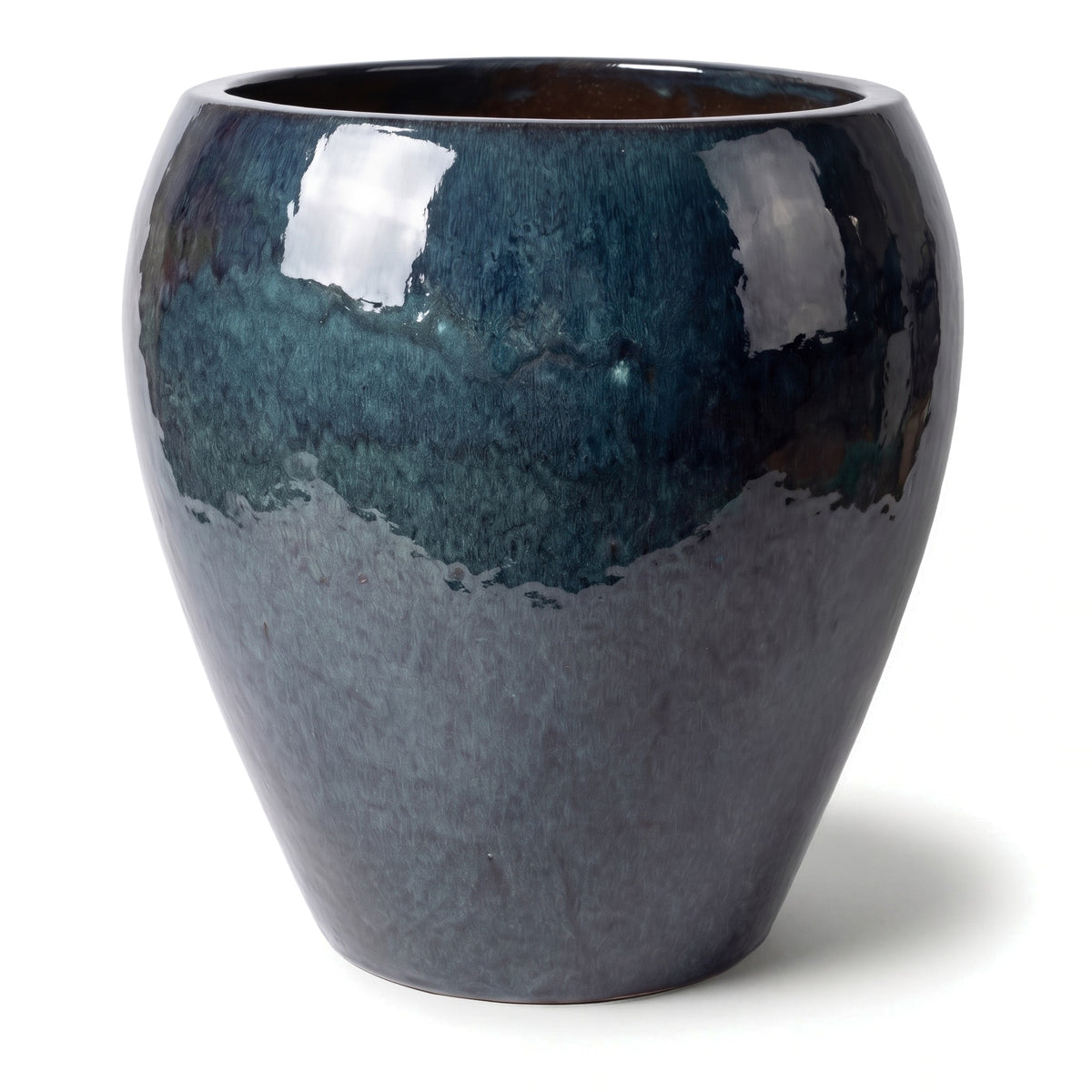
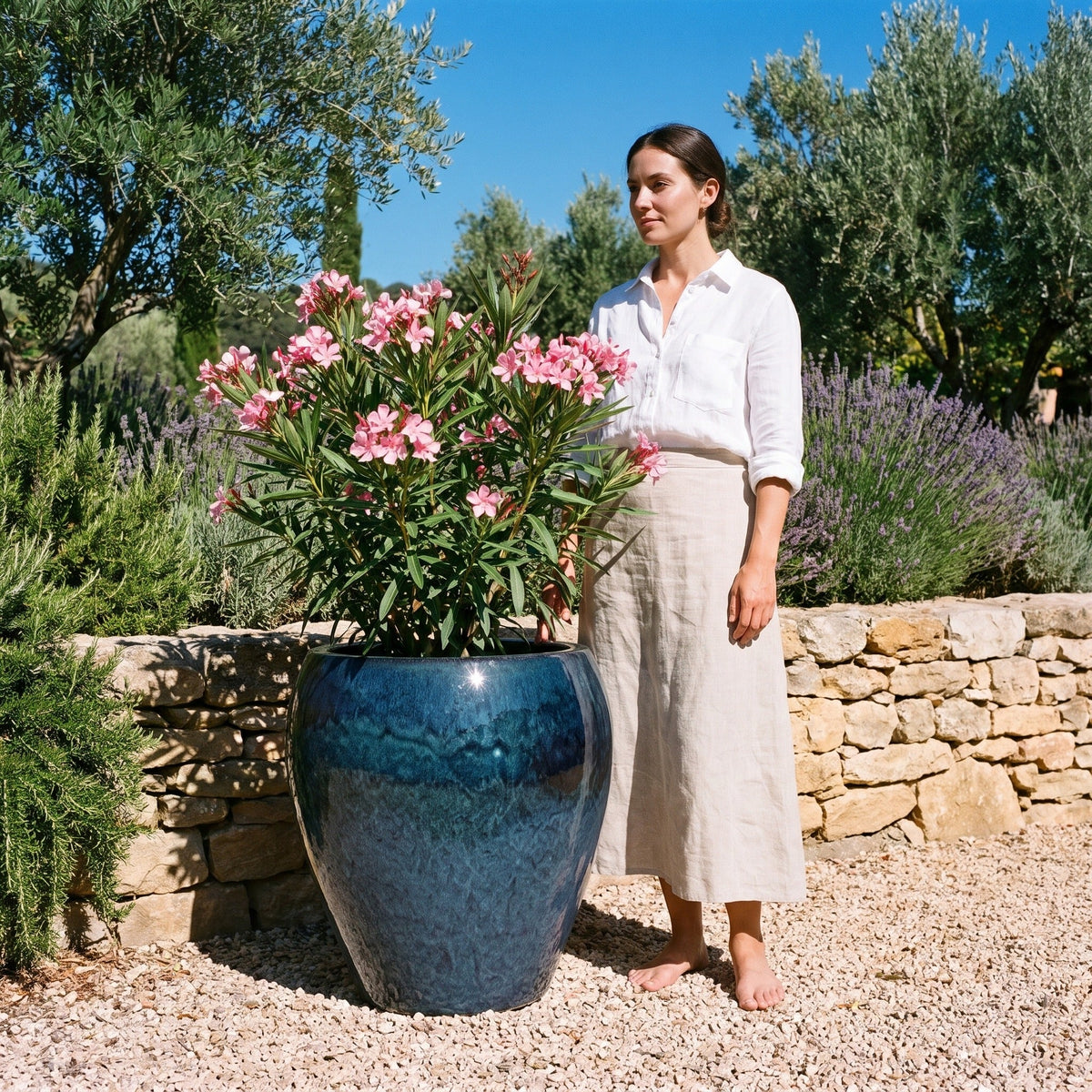
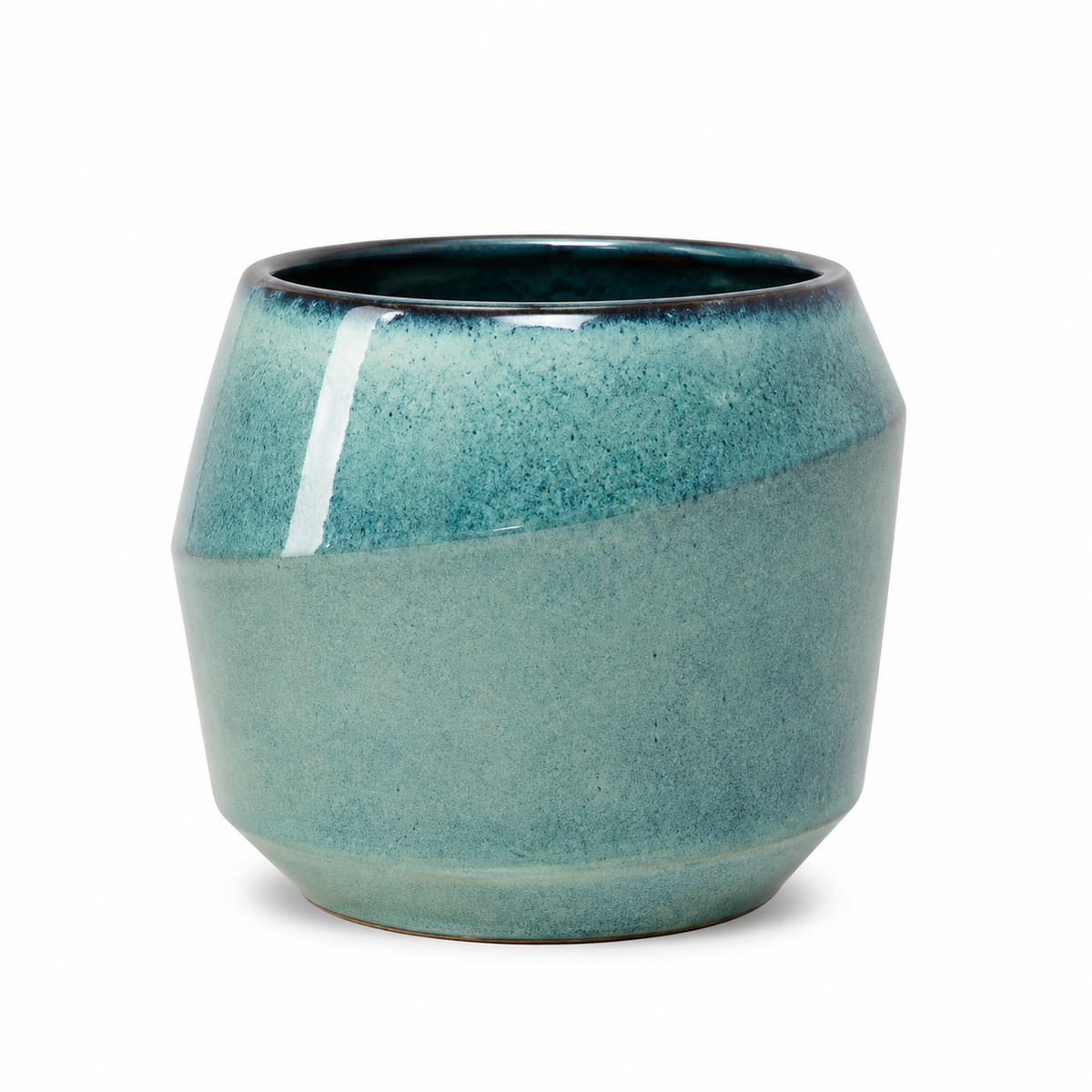
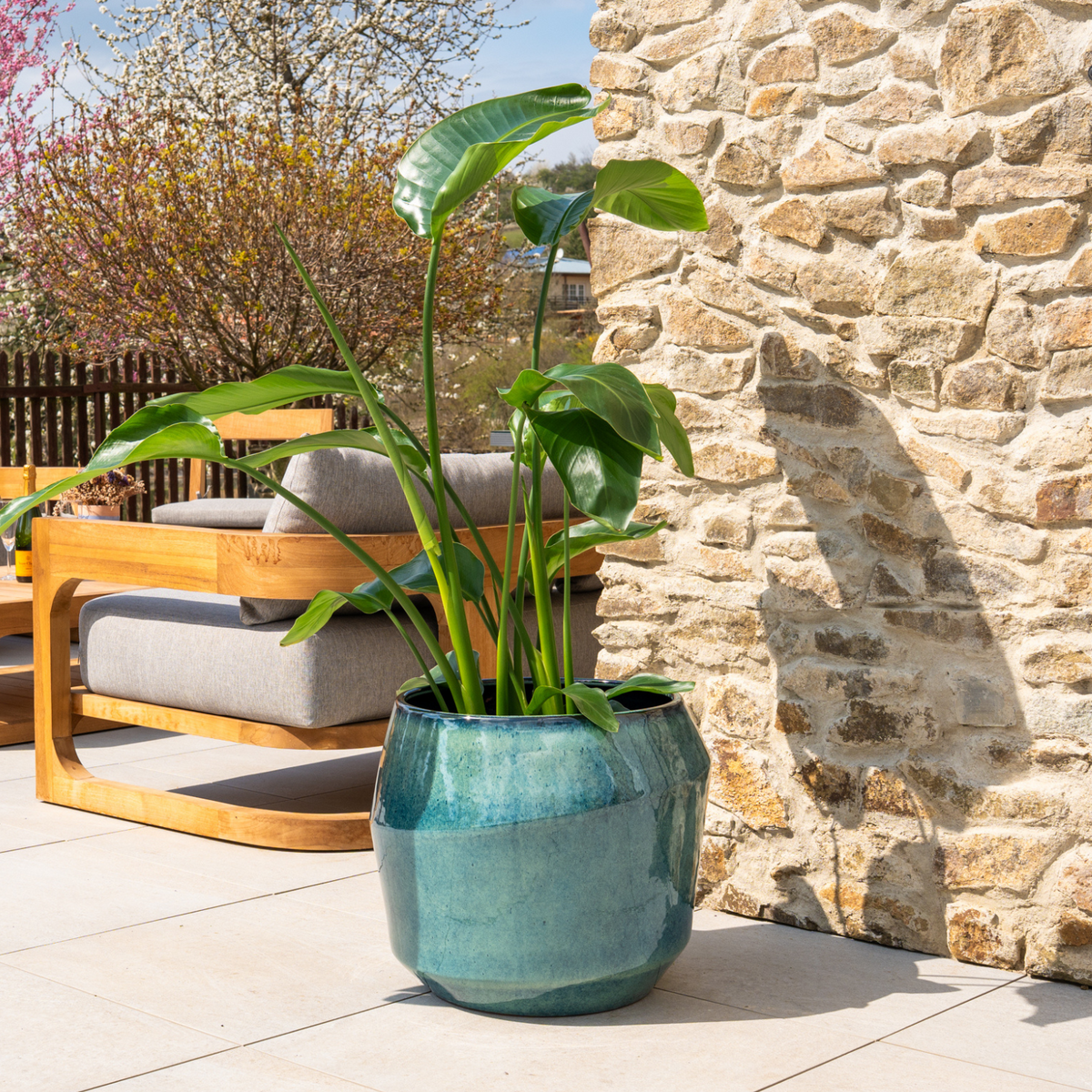
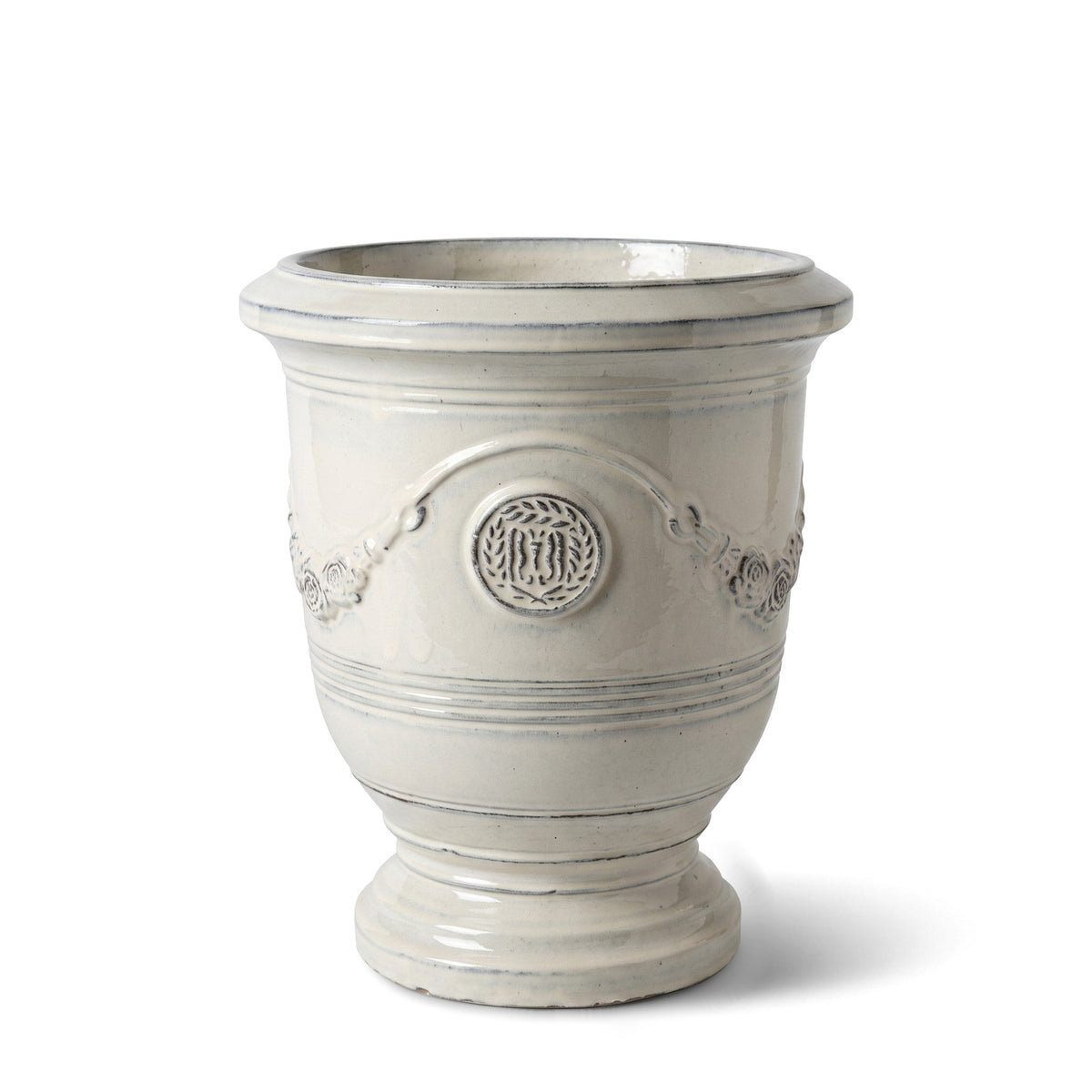
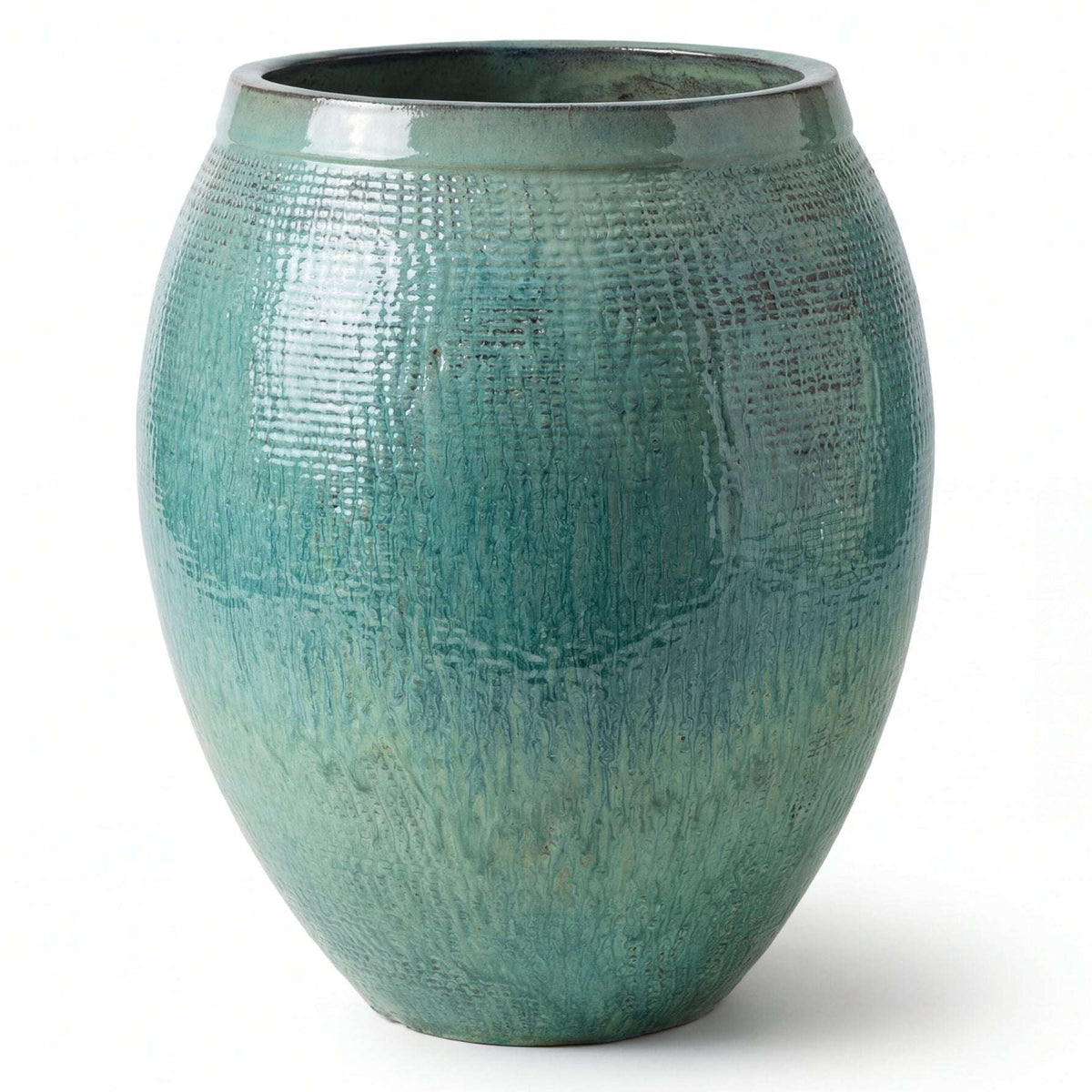
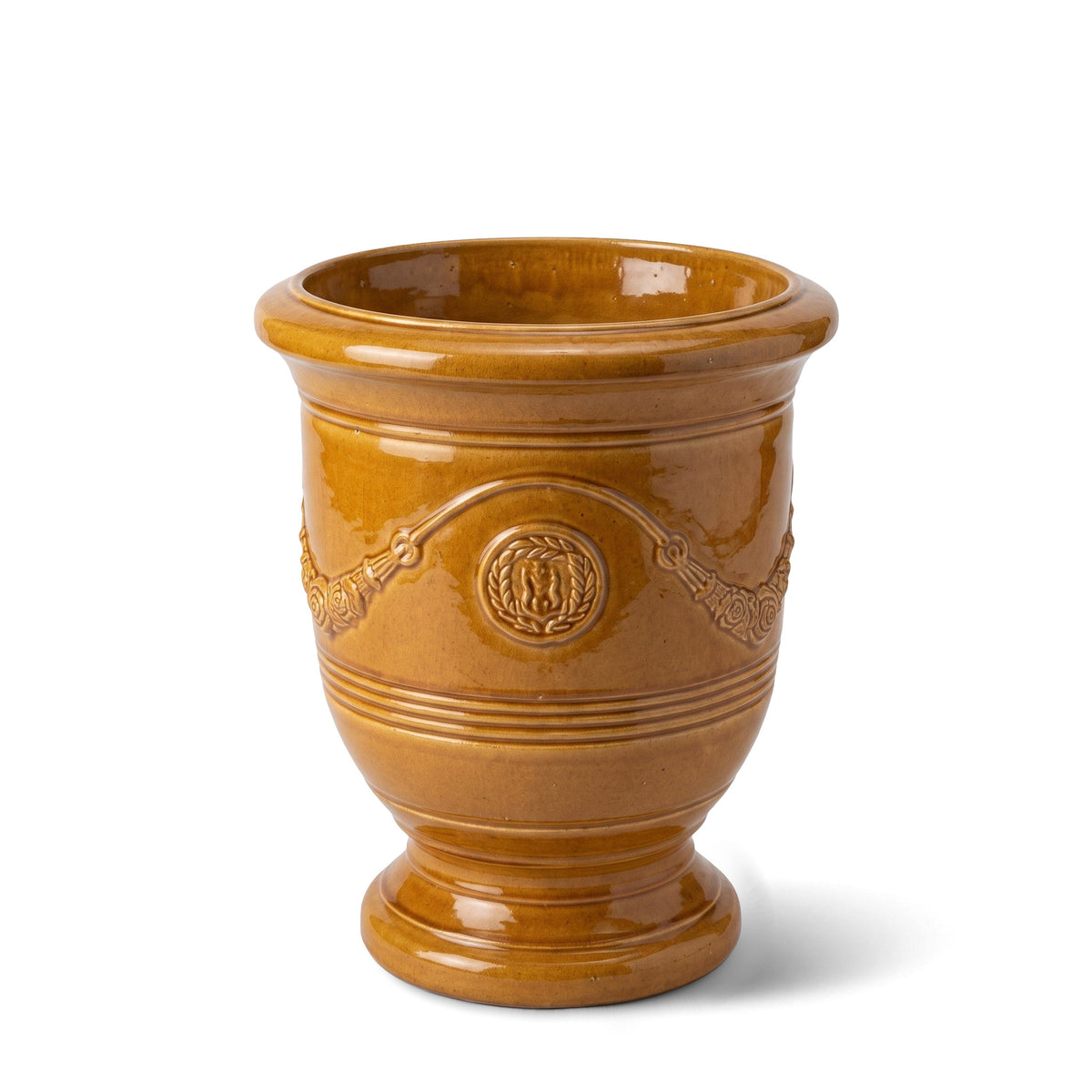
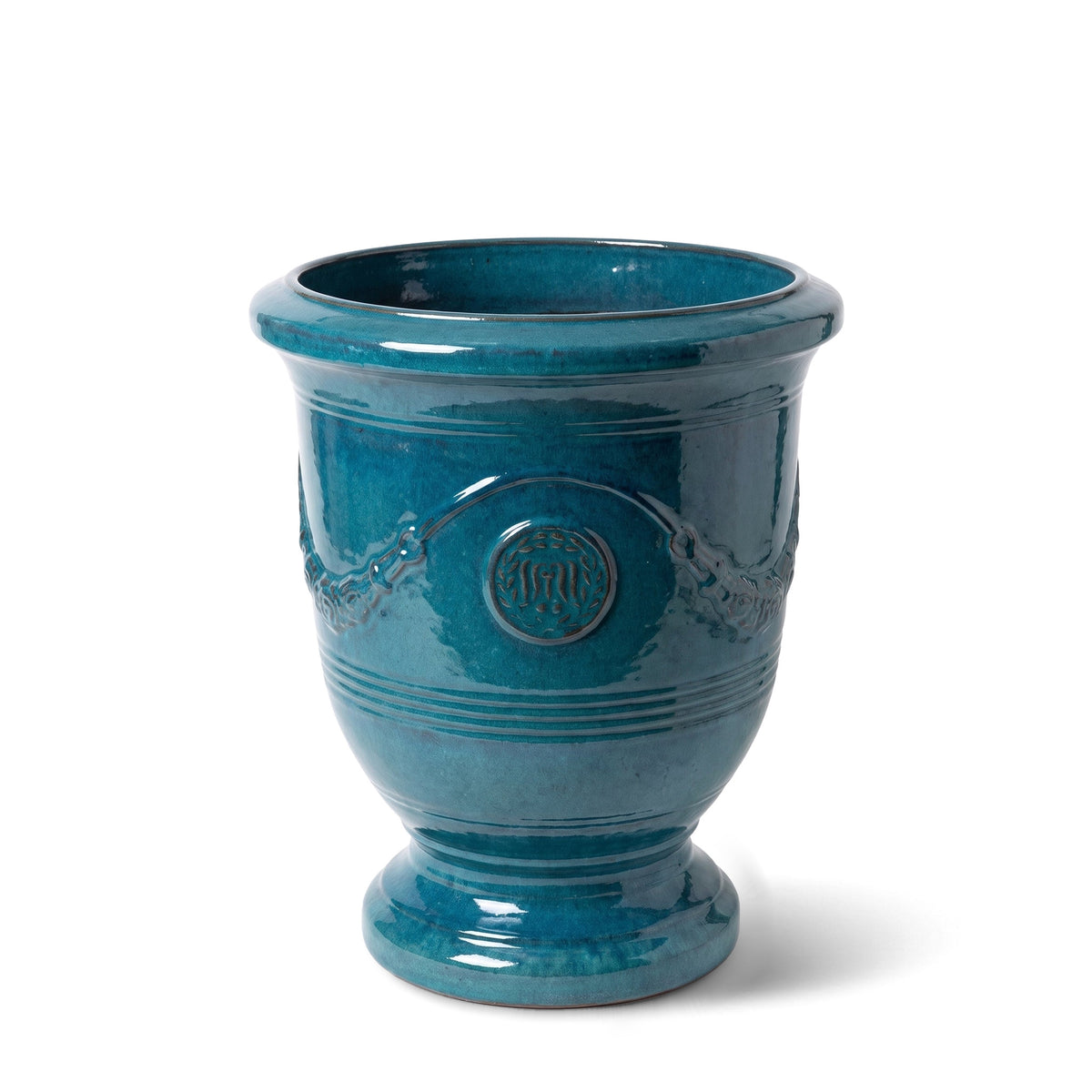
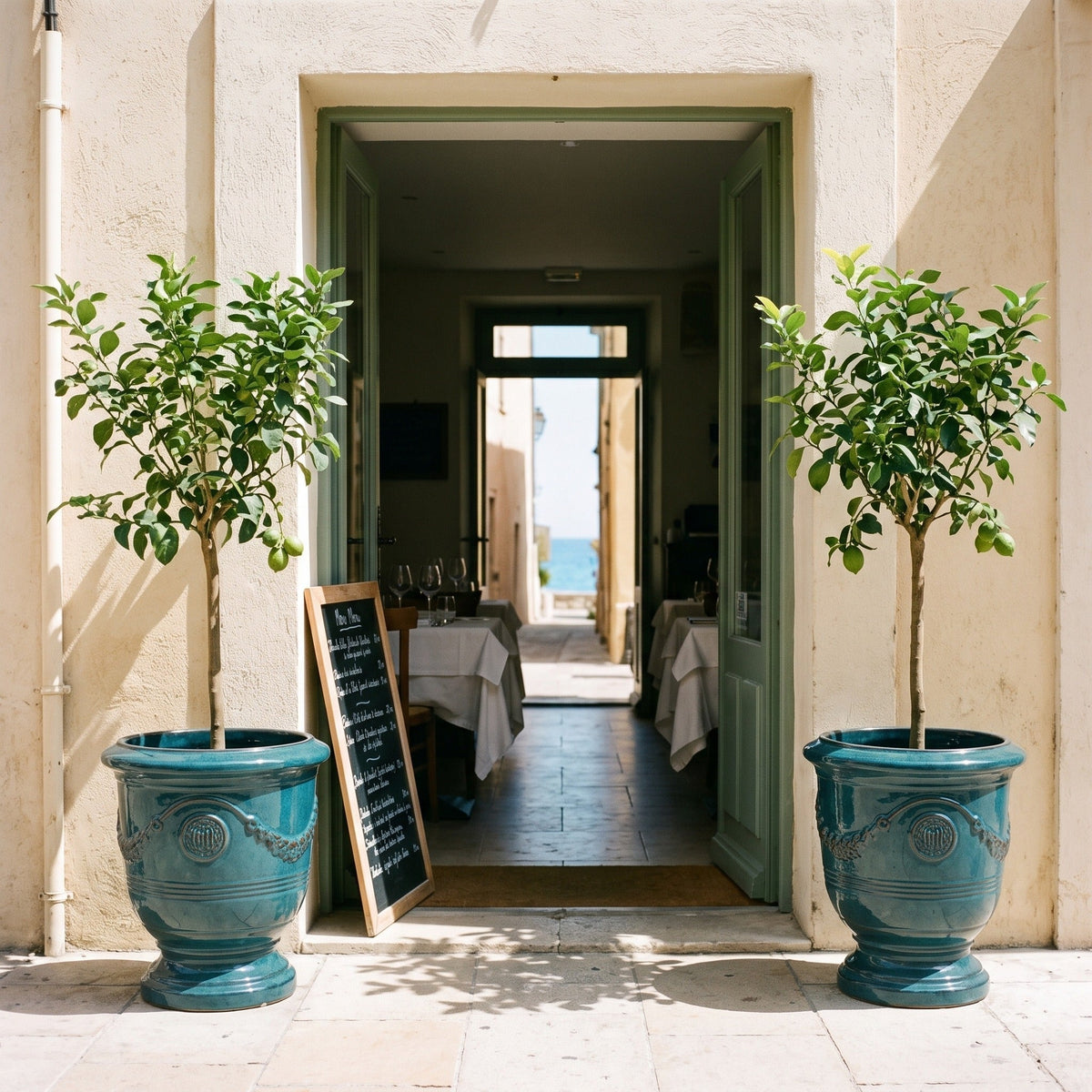
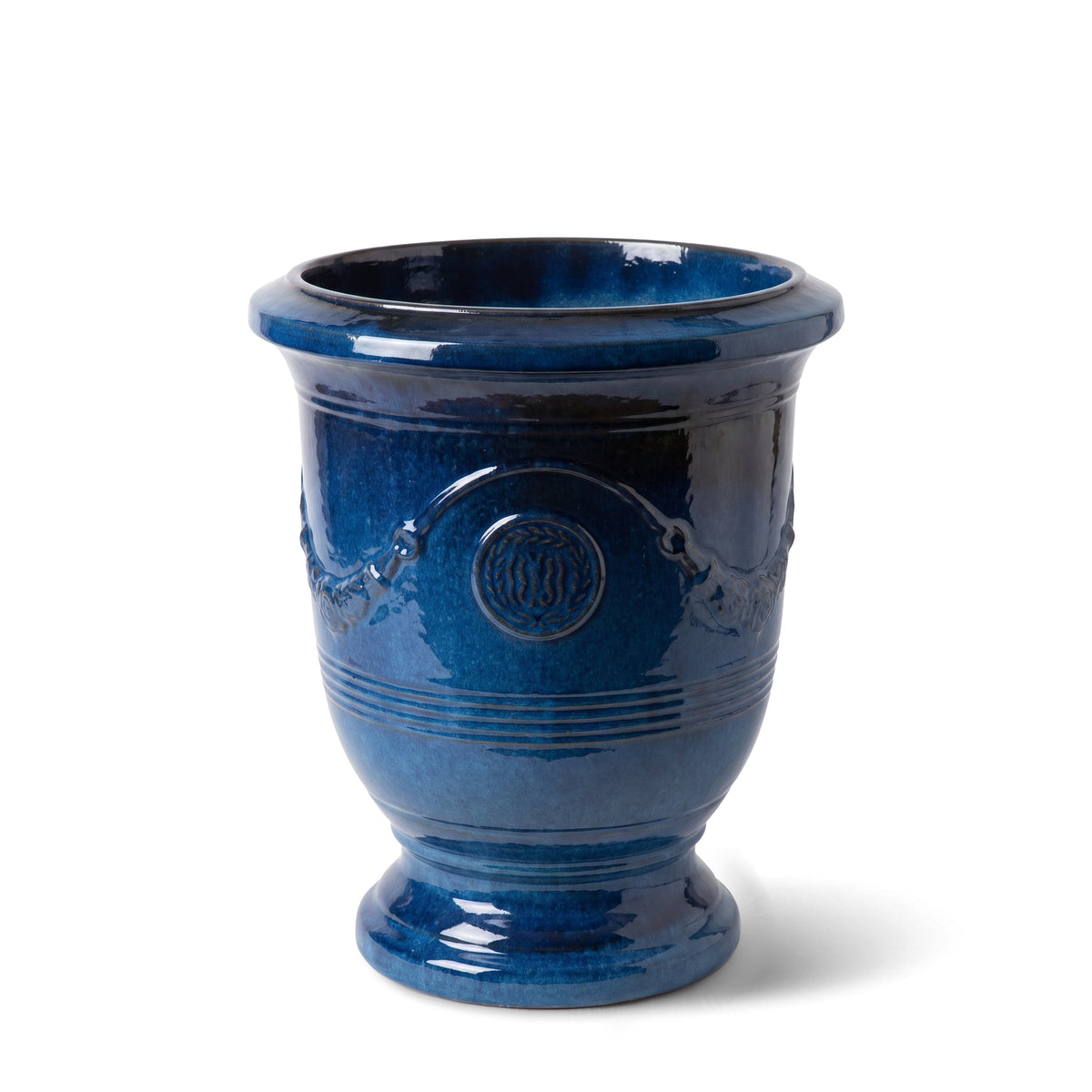
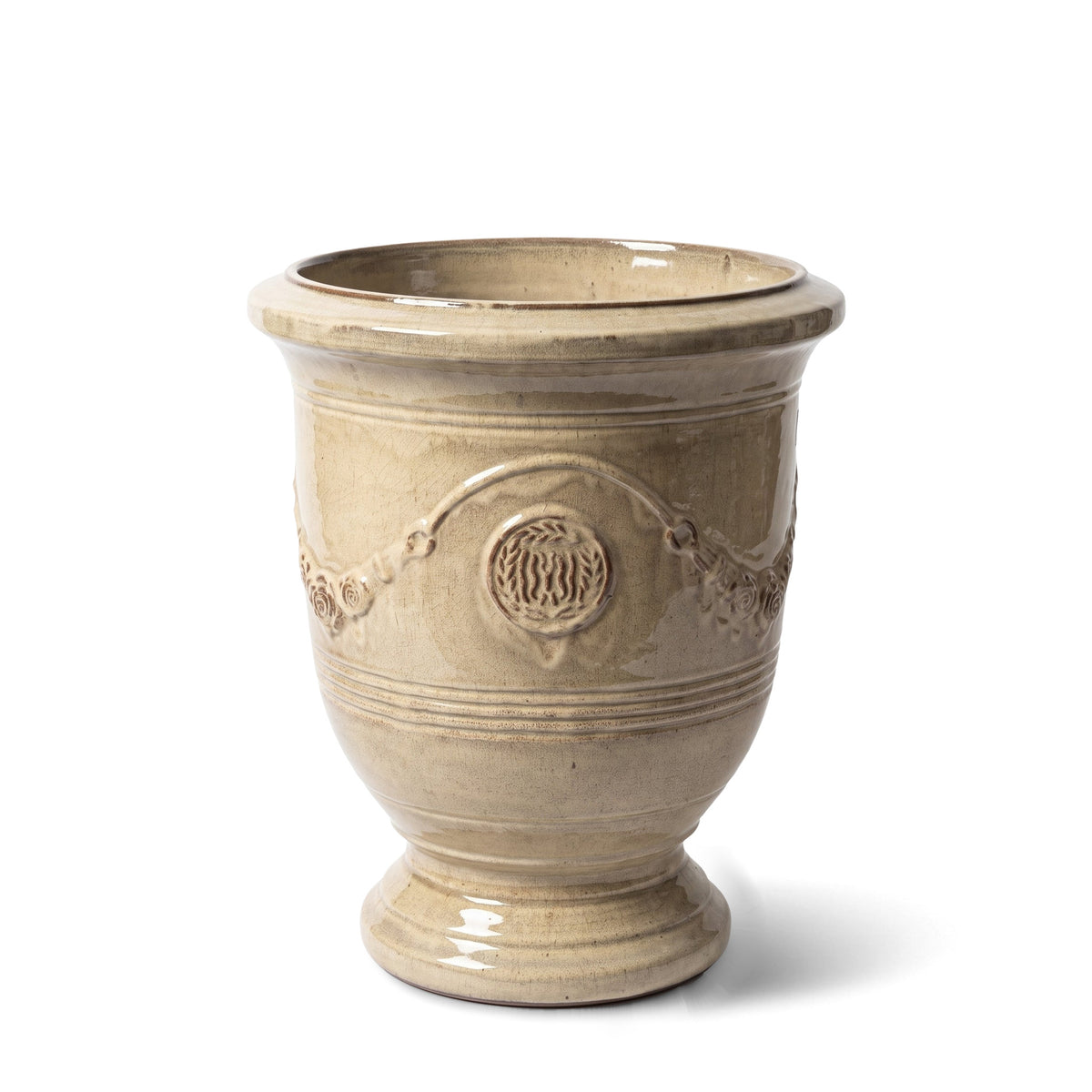
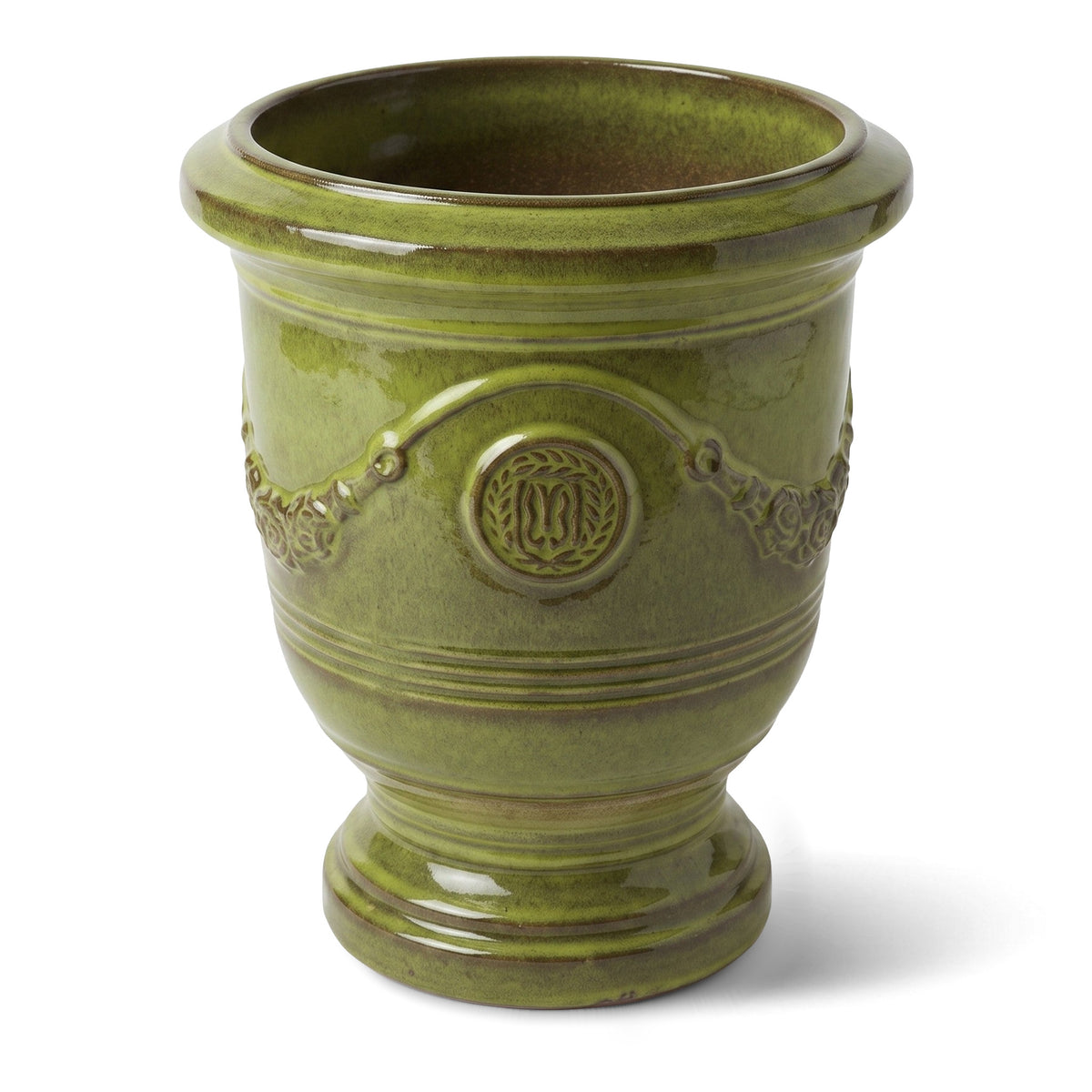
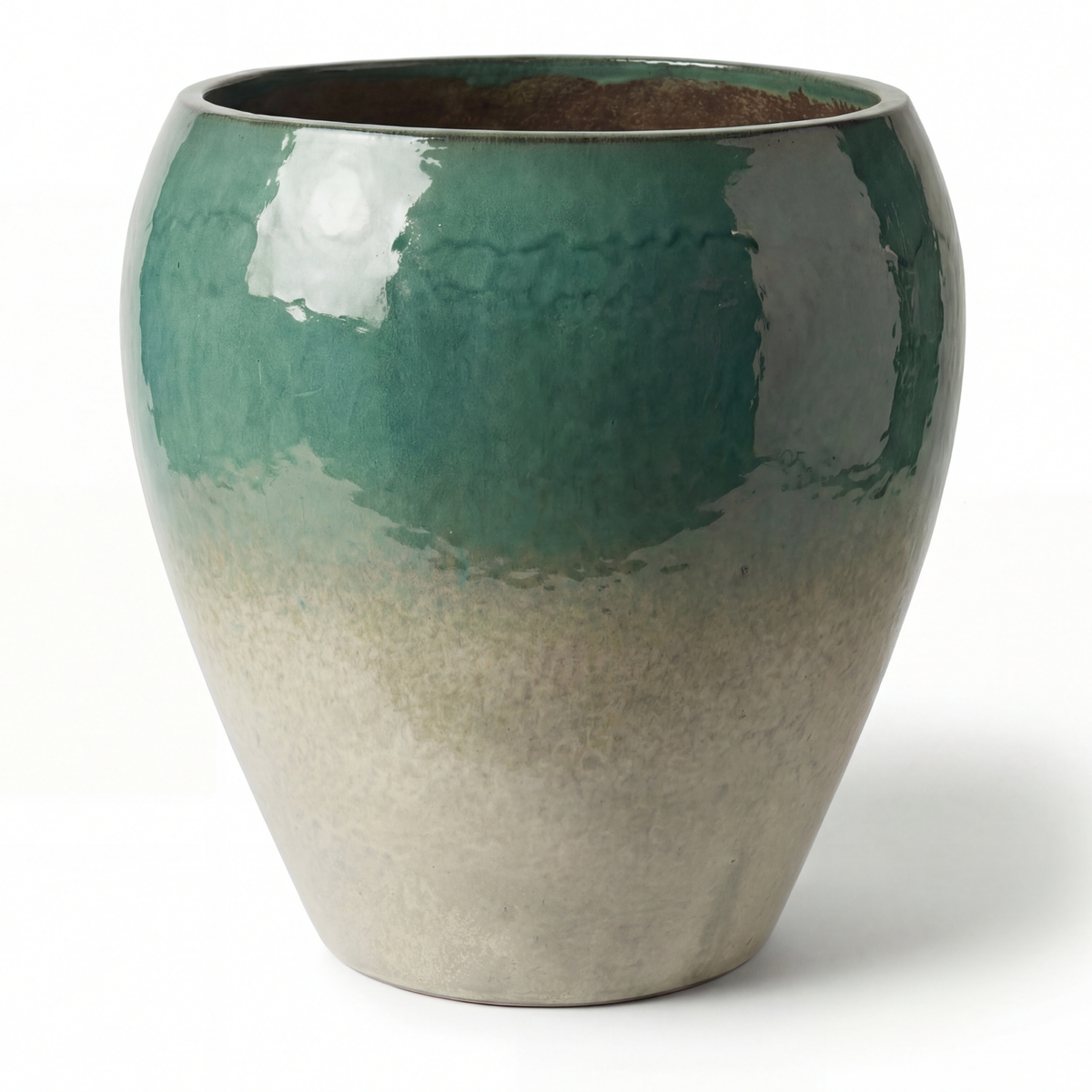
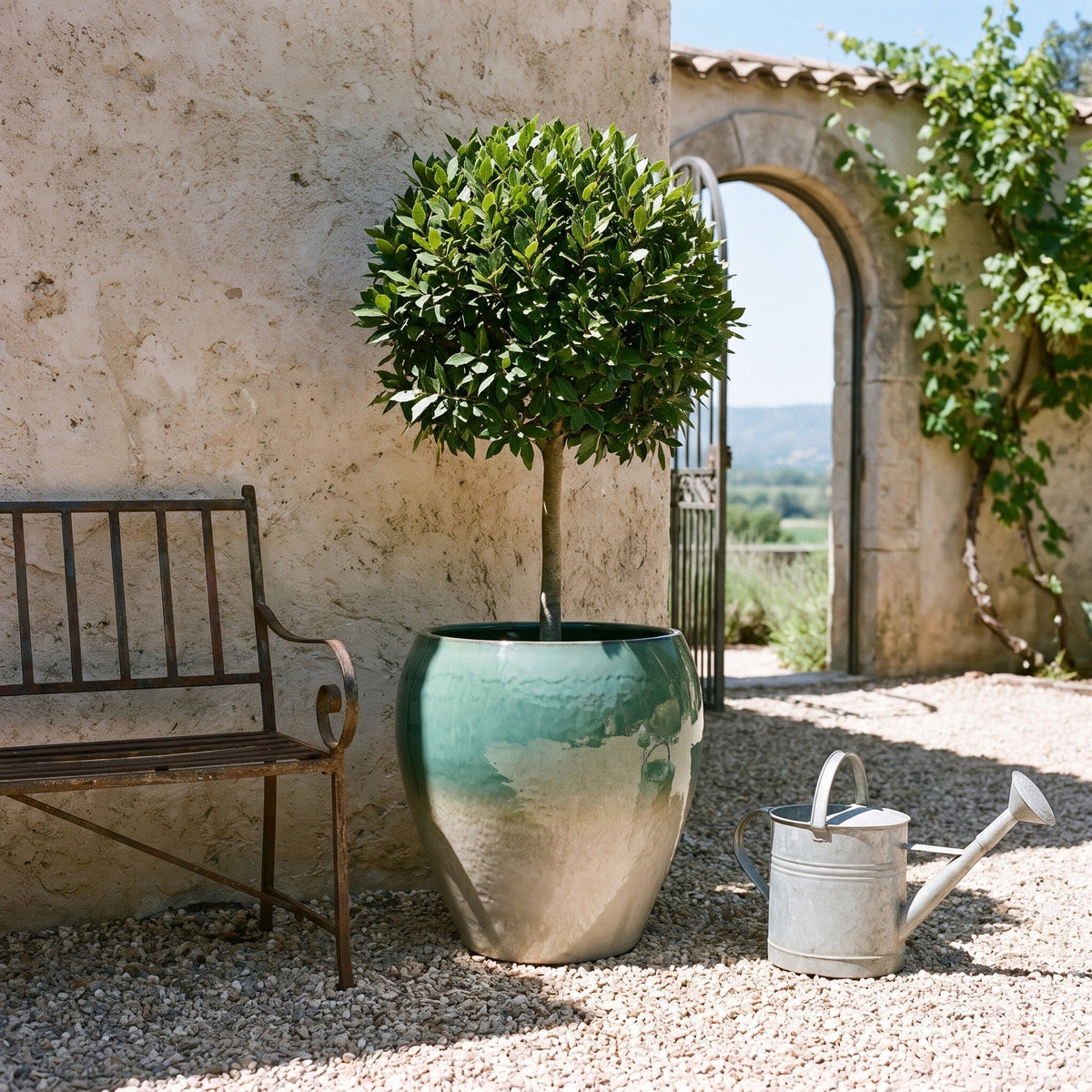
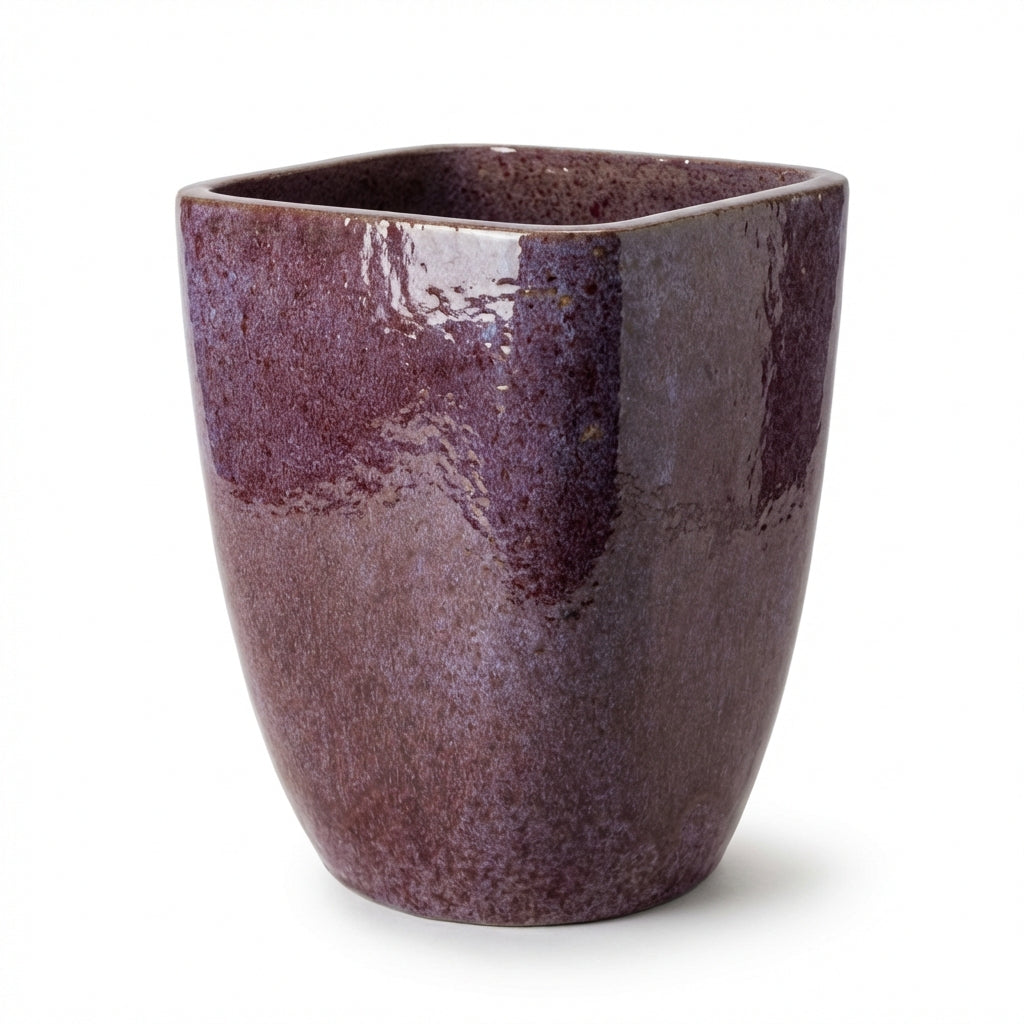
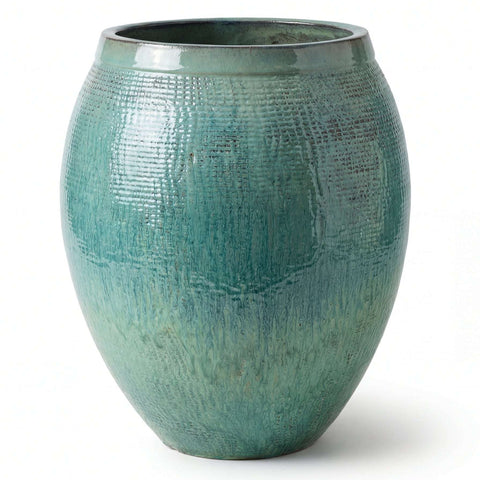
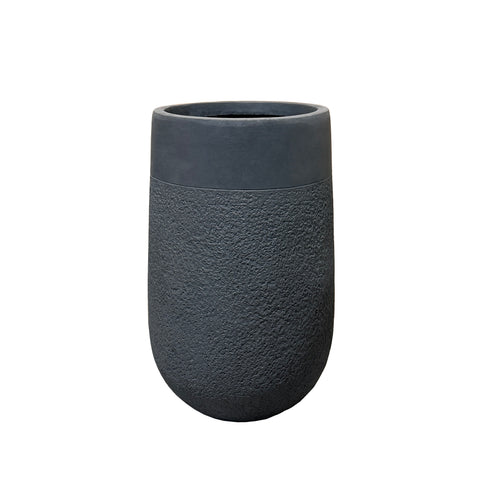
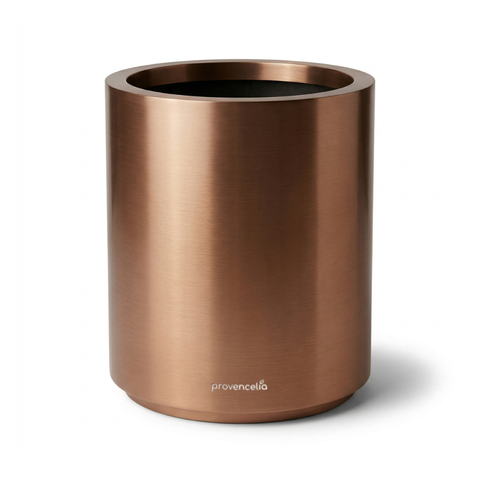
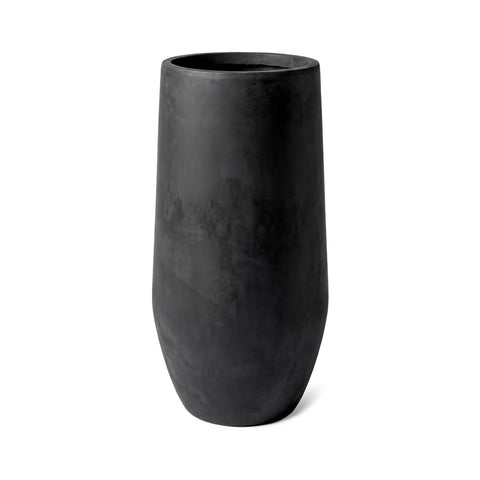
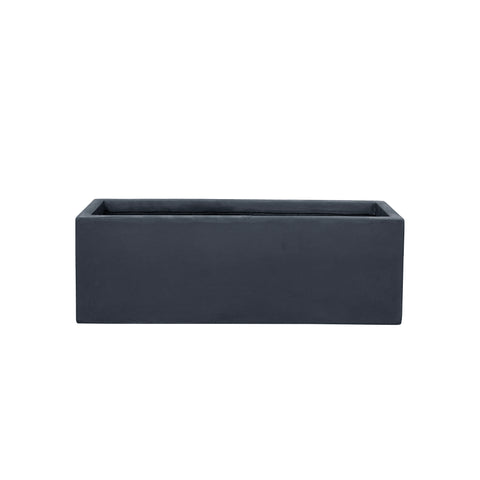
We recommend a high-fired ceramic planter with a drainage hole. Ceramic keeps the roots at a stable temperature and does not overheat in the sun. Suitable models: Cigaline, our rounded planters or our ceramic planters for group planting.
3. Growing medium: the most important point
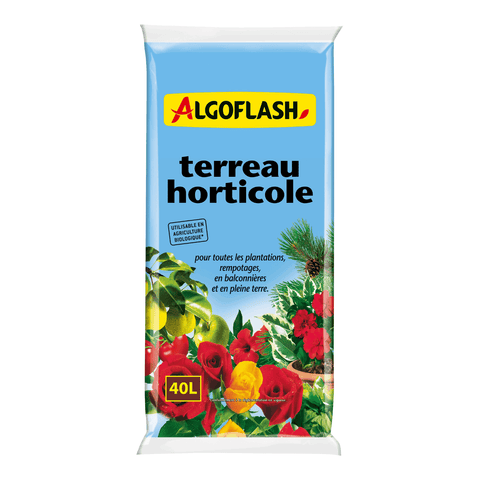
Lavender does not tolerate heavy, clay soils. Mix:
- 40% potting compost
- 30% coarse sand
- 20% perlite or fine gravel
- 10% crushed limestone: lavender likes an alkaline pH (7 to 8)
At the bottom of the planter, allow 5 cm of clay pebbles or gravel.
4. Watering
Lavender likes dry conditions. Water sparingly: once a week is enough in summer. Always allow the growing medium to dry out between waterings. Excess water is the leading cause of lavender dying. In winter, water very little.
5. Fertiliser
Lavender does not tolerate too much fertiliser: in an overly rich growing medium, it produces leaves rather than flowers. A small dose of fertiliser for Mediterranean plants in spring is enough. No compost or chicken manure.
6. Pruning: twice a year, essential
Without pruning, lavender quickly becomes woody and stops flowering after 3 to 4 years. Prune:
- In spring (March-April): shape pruning, 10 to 15 cm from the ground, never cutting into old wood (it will not regrow)
- After flowering (August): cut off the faded flower spikes with a small piece of stem
7. Overwintering
English lavender (L. angustifolia) is very hardy and can spend the winter outdoors in a planter. Simply place it against a house wall and, in very cold weather, protect the root ball with hessian or bubble wrap.
Spanish and toothed lavender (L. stoechas, L. dentata) are more cold-sensitive: after more than a few light frosts, overwinter them in a cool, bright room.
8. Common problems
The lavender turns yellow and dries out in the centre: excess water. Reduce watering and check drainage.
No flowers: insufficient sun or too much fertiliser. Put it in the sun and stop fertilising.
It spreads out and becomes woody: lack of pruning. Prune in spring, without cutting into old wood.
9. Varieties
- L. angustifolia 'Hidcote': compact, dark blue, a classic
- 'Munstead': lighter blue-purple, for low planting
- 'Grosso' (lavandin): very fragrant, taller (60 cm)
- L. stoechas (Spanish lavender): flower spikes topped with “flags”, cold-sensitive
10. Frequently asked questions
Can it be grown from seed? It is possible, but germination is slow (2 to 4 weeks) and it will not flower in the first year. It is better to buy a young plant.
How often should it be repotted? Every 2 to 3 years in spring. After 5 to 7 years, even when well cared for, lavender becomes exhausted: it is then better to replace it.
Can the flowers be dried? Yes, cut the flower spikes right at the start of flowering and dry them upside down in a dark, airy place.
In summary
Lavender in a planter is a Provençal classic: it rewards minimal care with its fragrance, flowers and evergreen foliage. The keys: a free-draining growing medium, full sun and pruning twice a year.
Looking for the right planter? Discover our collection from 25 to 60 cm, ideal for outdoor planting all year round.