

Oleander in a planter: how to care for it, prune it and protect it in winter?
Oleander (Nerium oleander) is a Mediterranean classic: it flowers from May to October and tolerates drought as well as wind. However, it is not frost-resistant and requires specific winter protection. Here is how to do it.
1. Position: what it needs
Oleander is a Mediterranean plant, and its needs reflect this. Full sun is not an option, it is a necessity: at least 6 hours of direct sunlight per day, ideally 8 or more. In partial shade, it flowers little or not at all, its leaves become pale and it is more susceptible to disease.
Good locations: a south- or south-west-facing terrace, a balcony against a wall (which releases heat at night), or an open garden. Avoid draughts: it tolerates wind, but cold wind damages flowers and young shoots.
2. Planter size and type
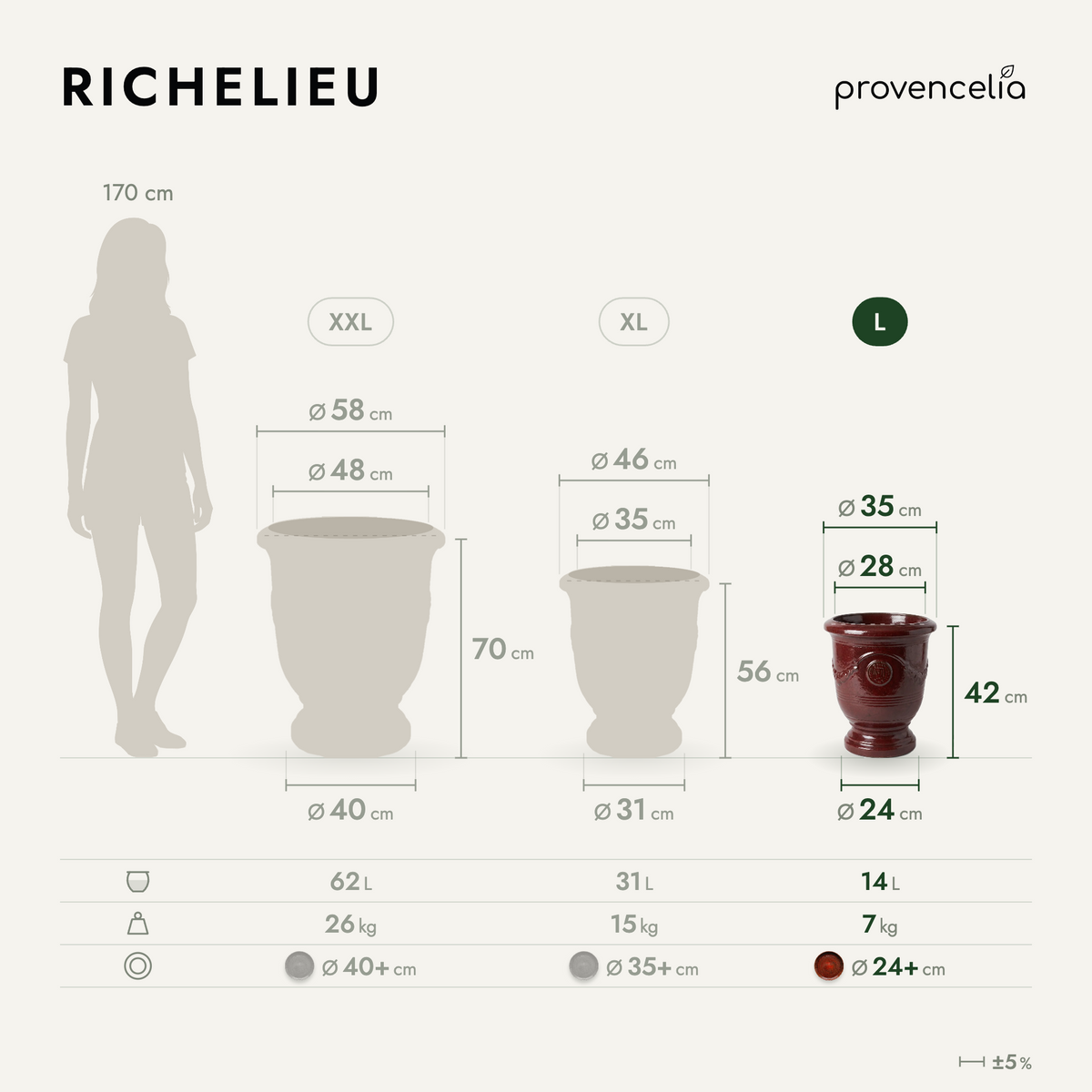
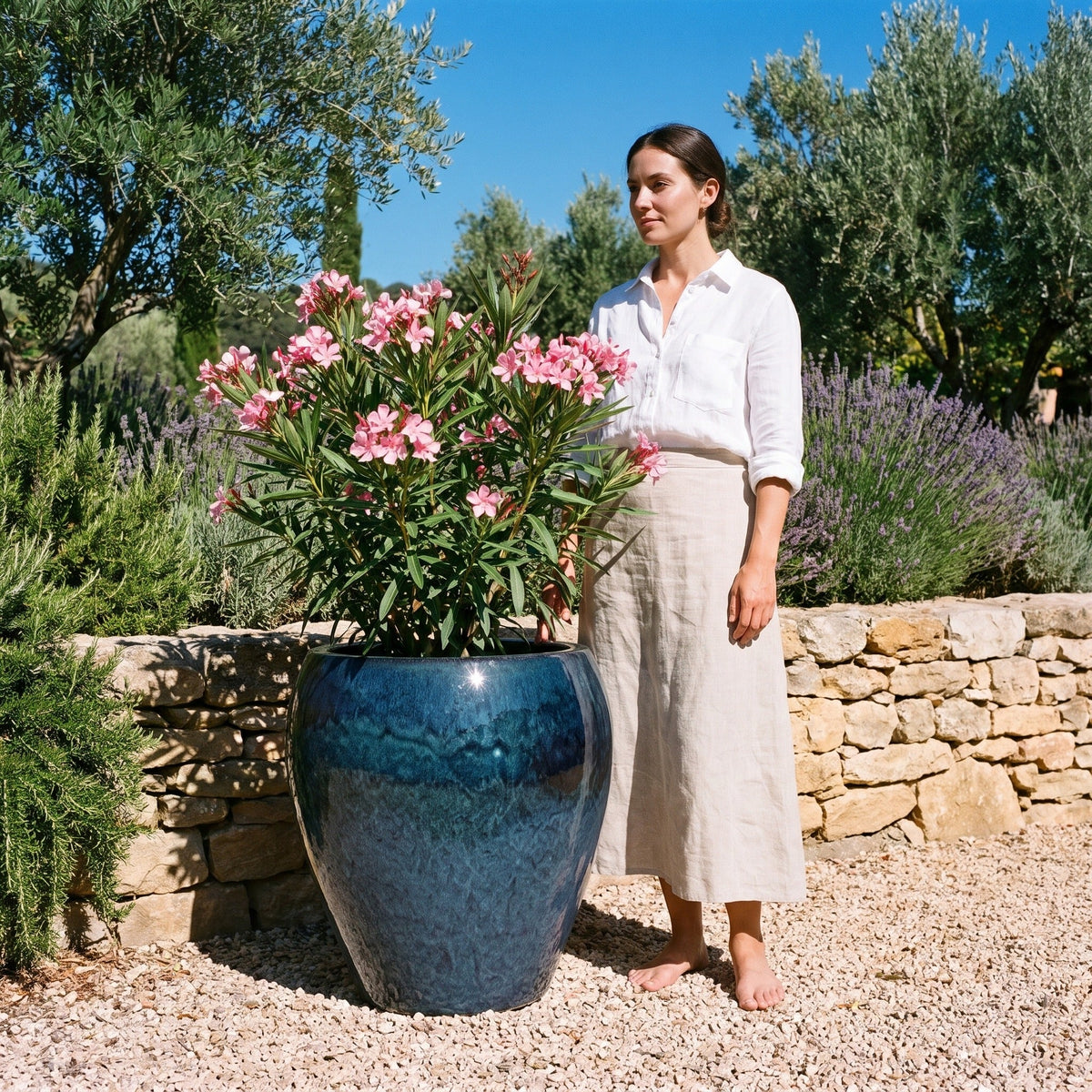
Oleander has a vigorous root system and suffers in a planter that is too small. Recommended minimum diameters:
- Young plant (under 60 cm): 30 to 35 cm planter
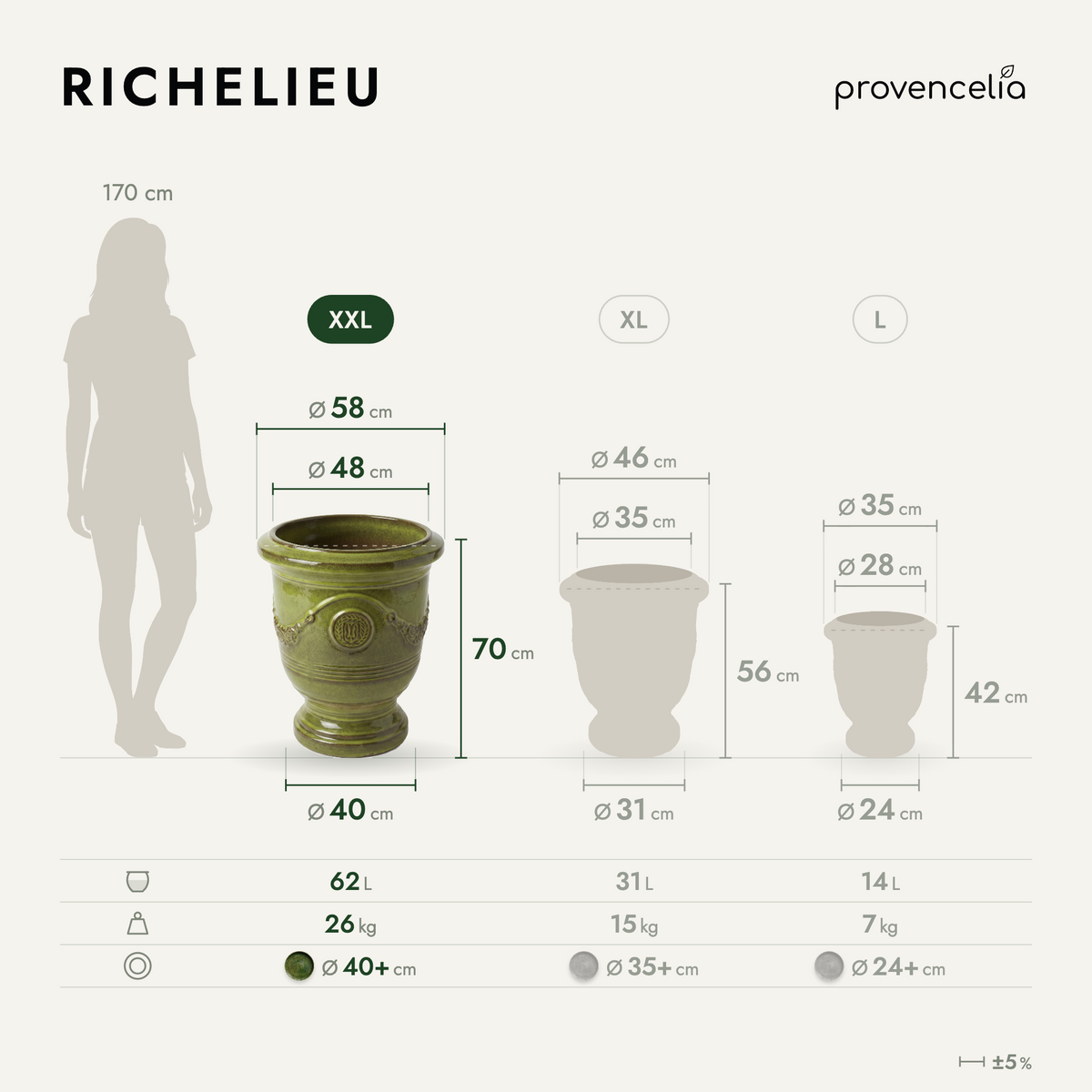
- Medium-sized plant (60 to 120 cm): 40 to 50 cm
- Large oleander (over 120 cm): 55 to 70 cm
- Standard or very large plant: 70 cm and above
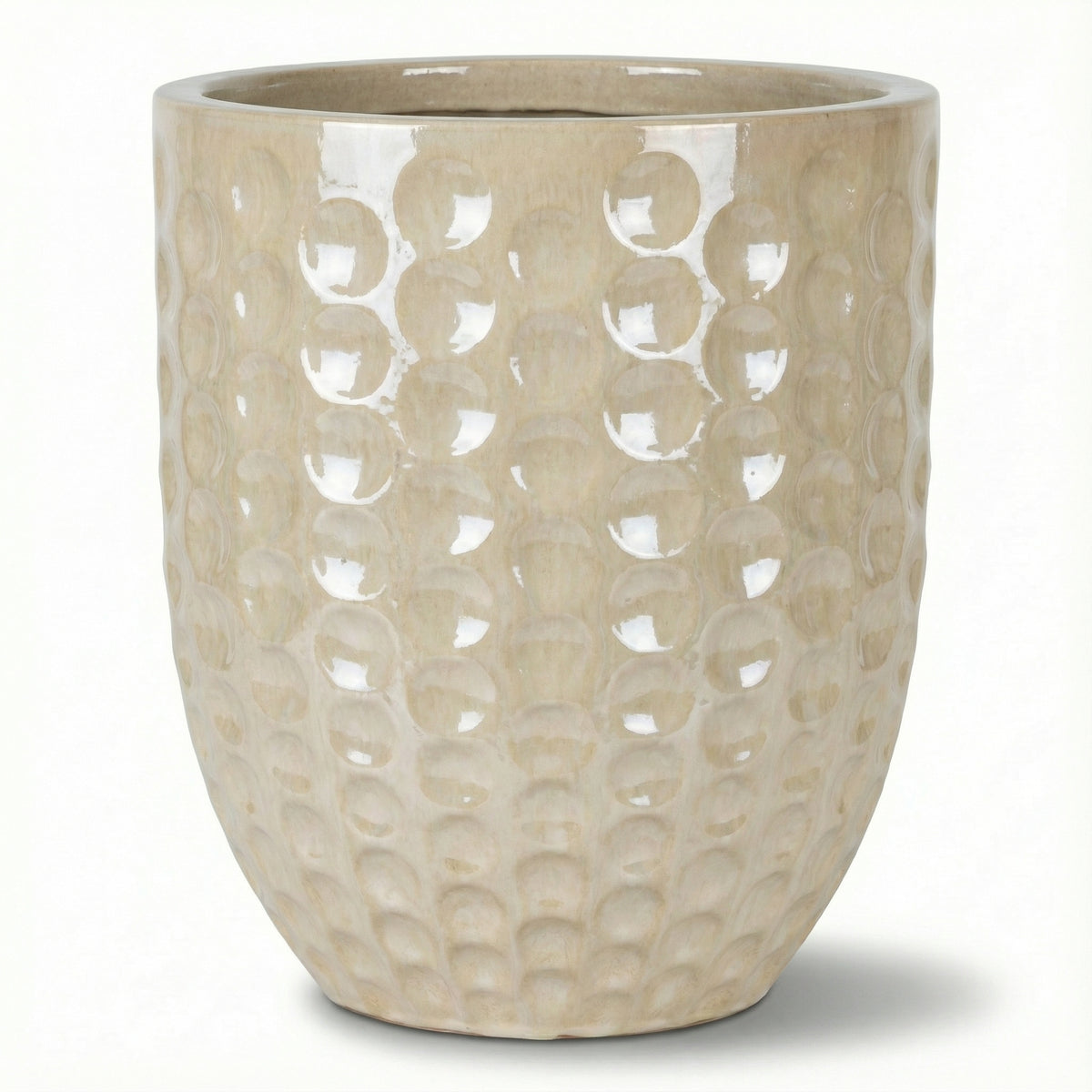
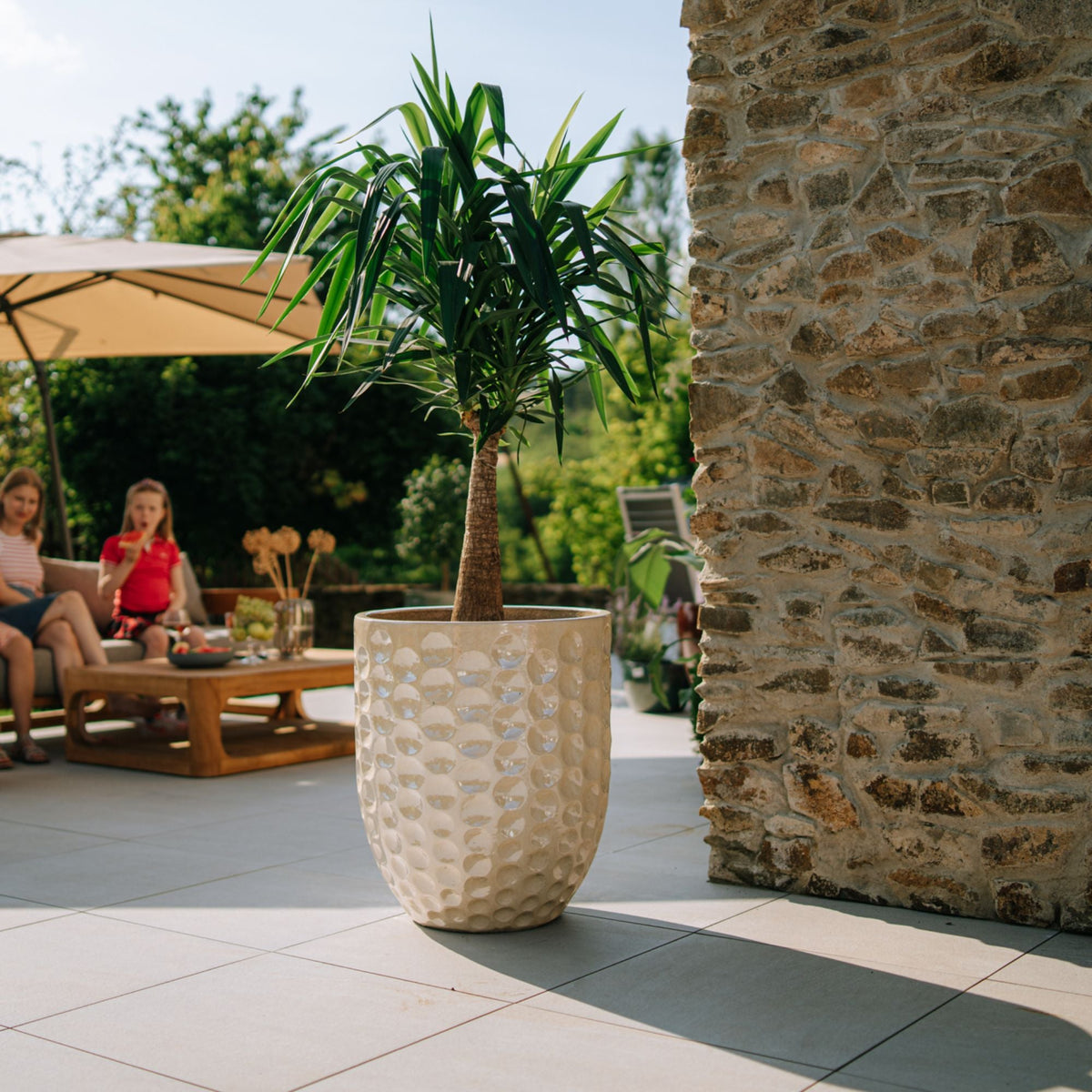
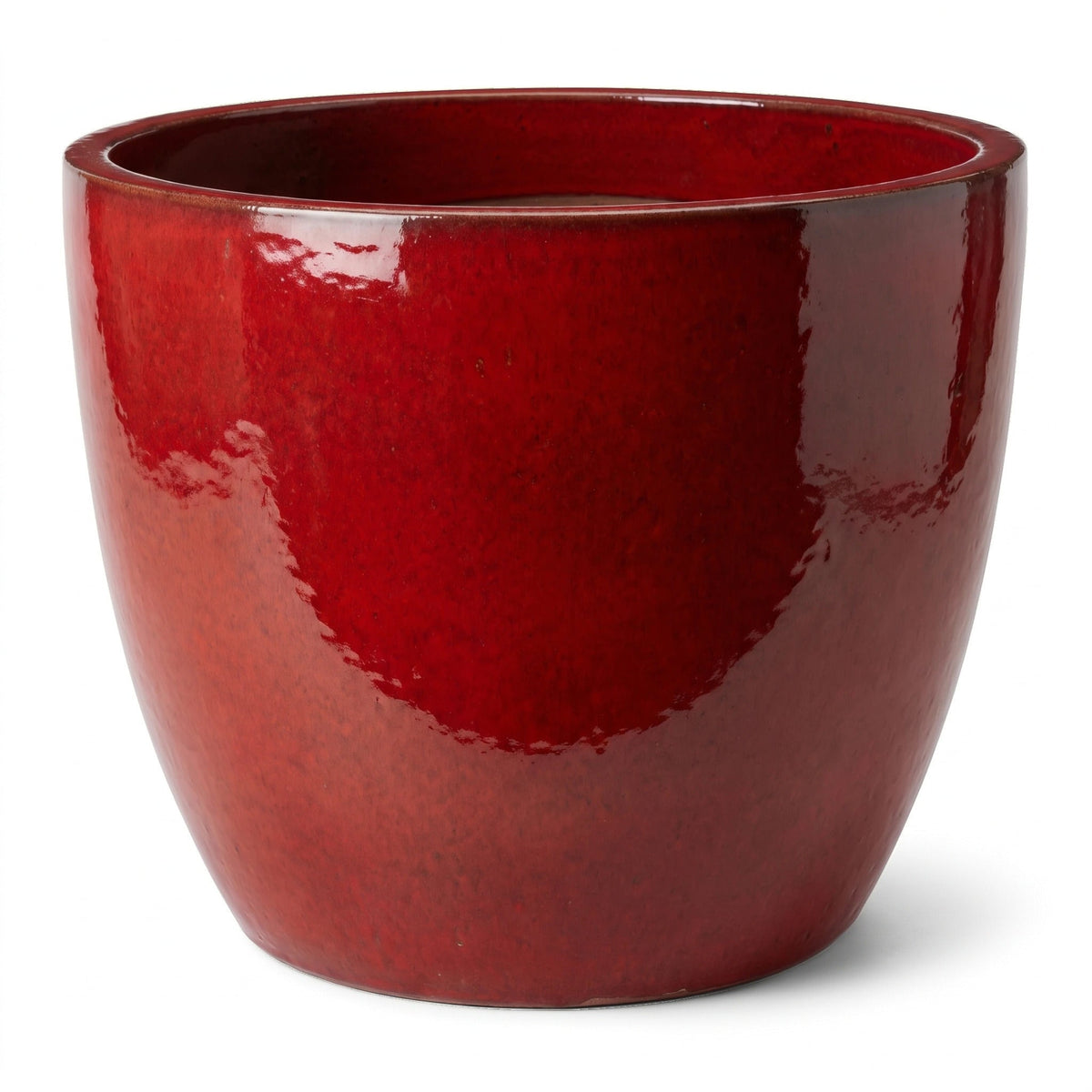
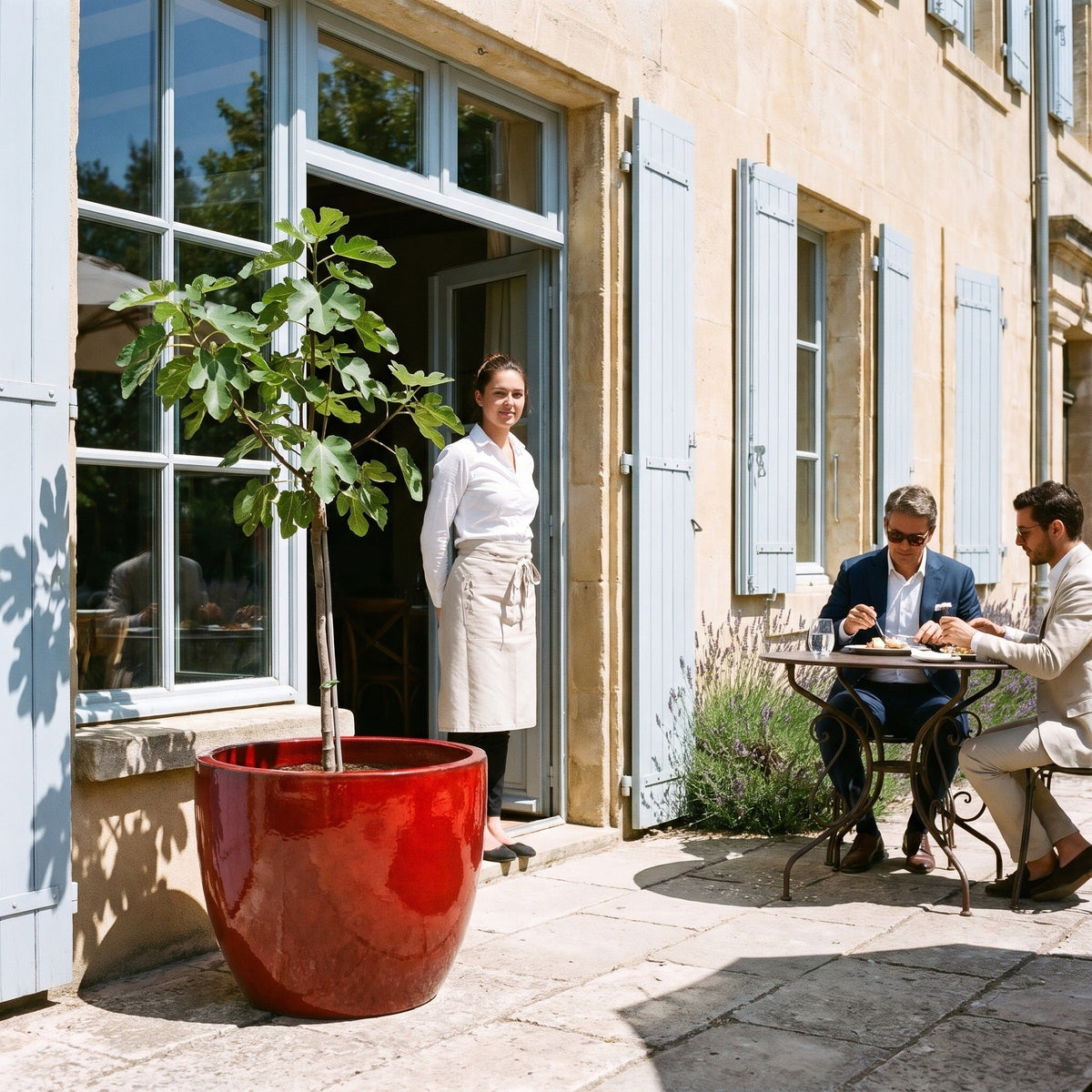
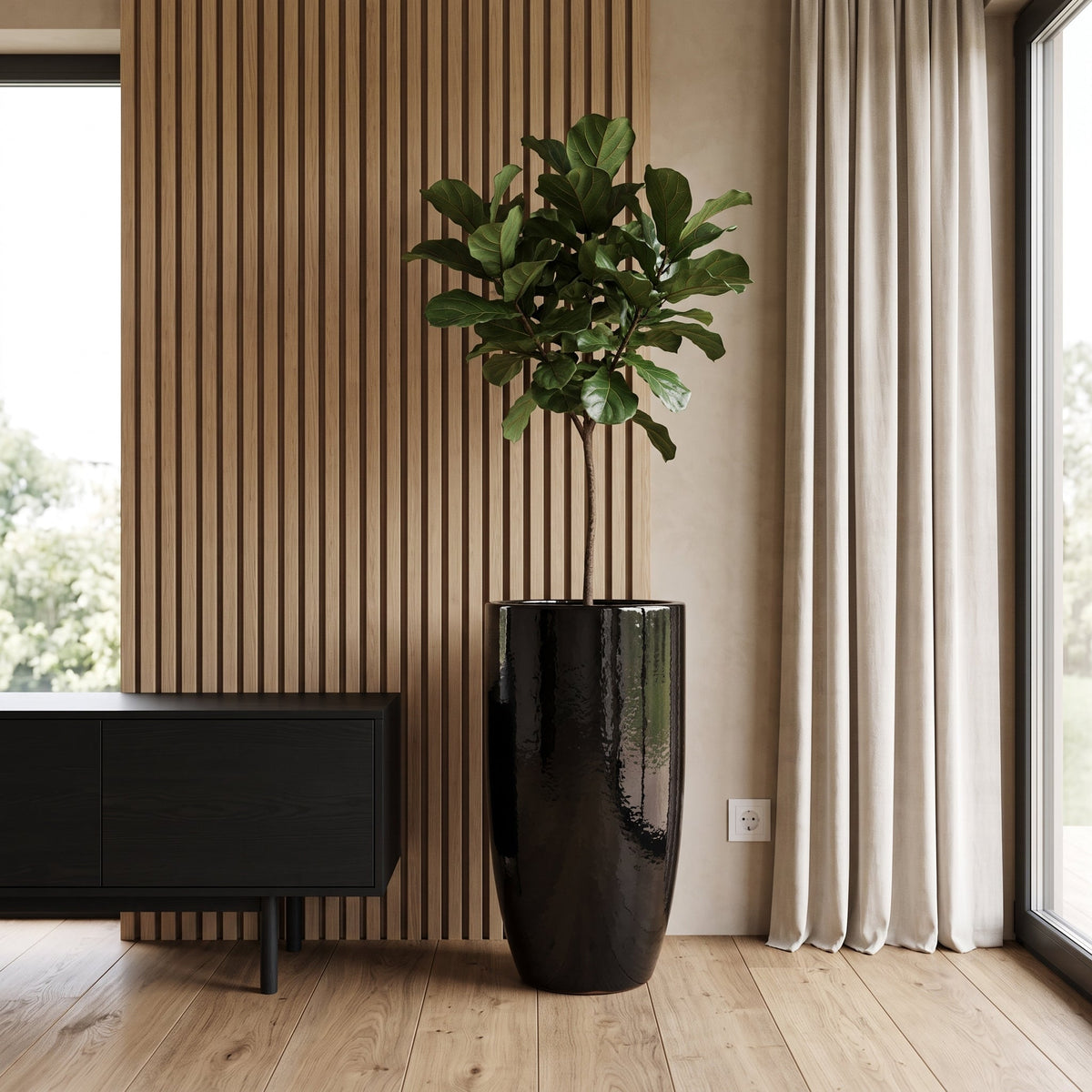
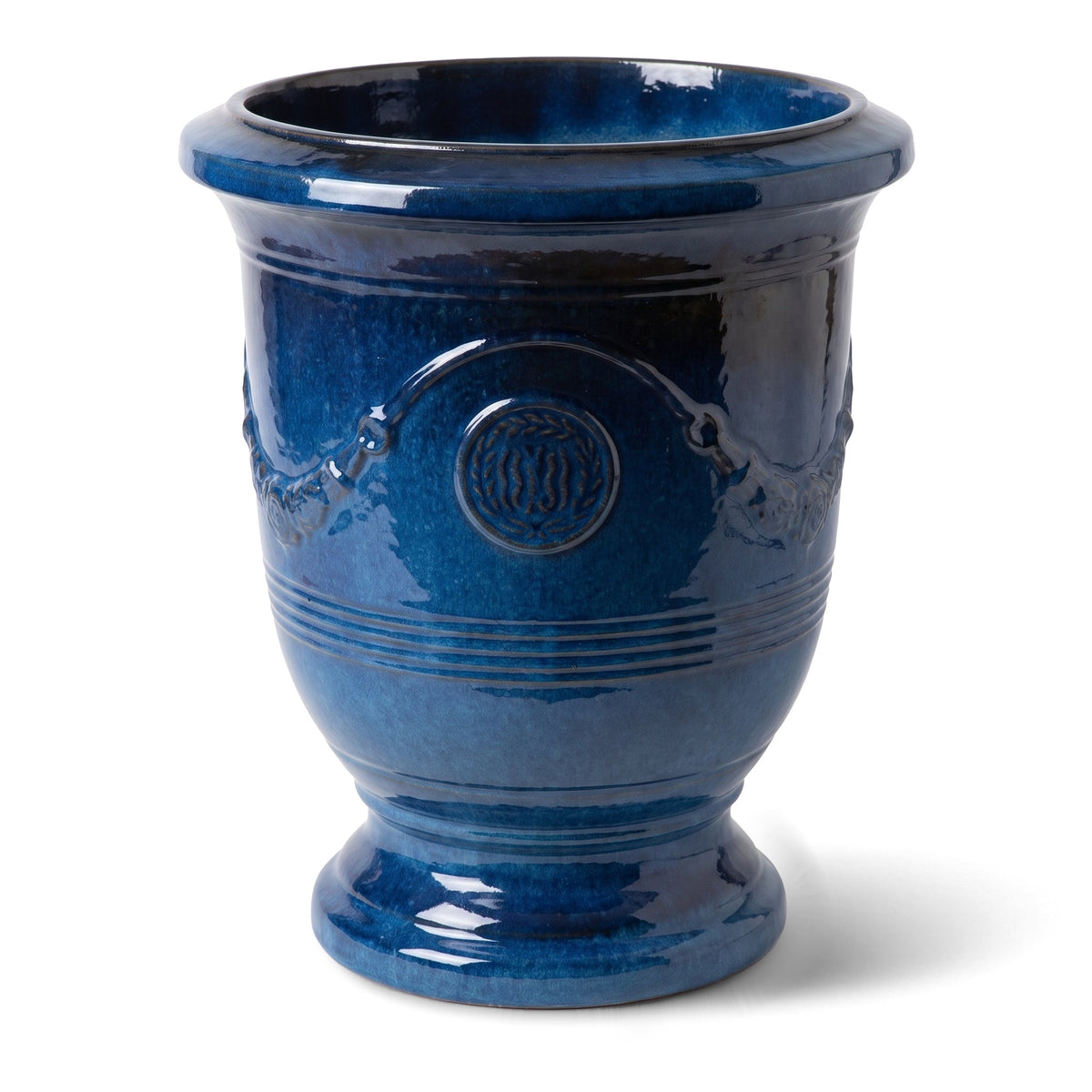
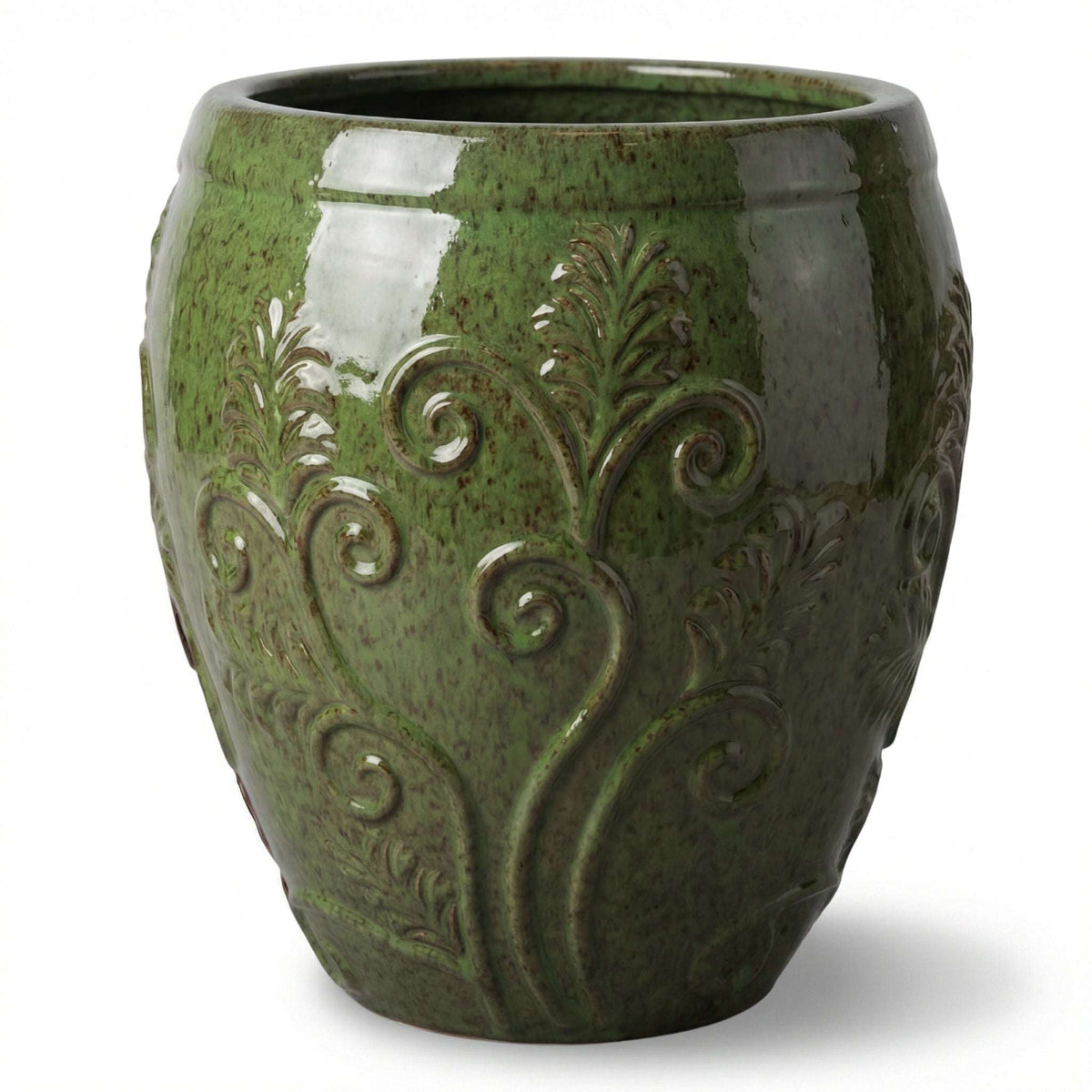
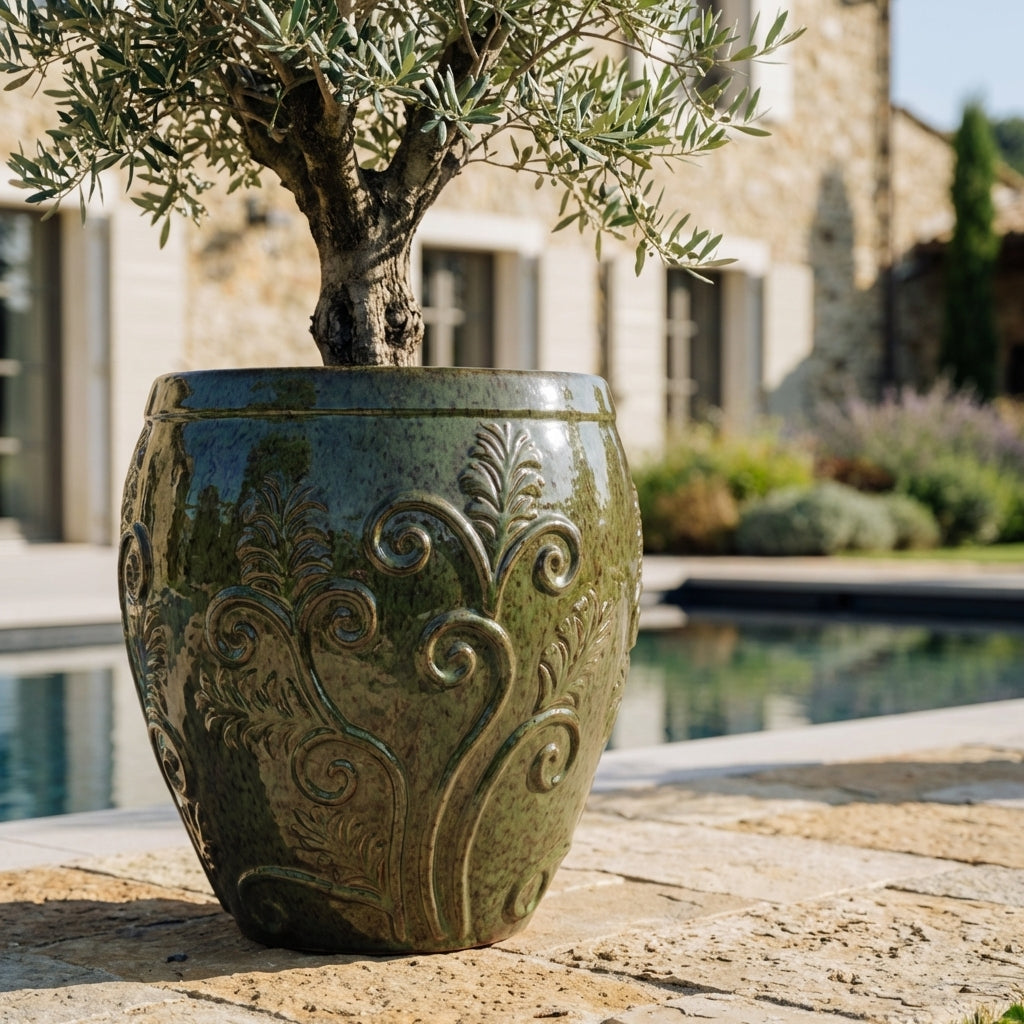
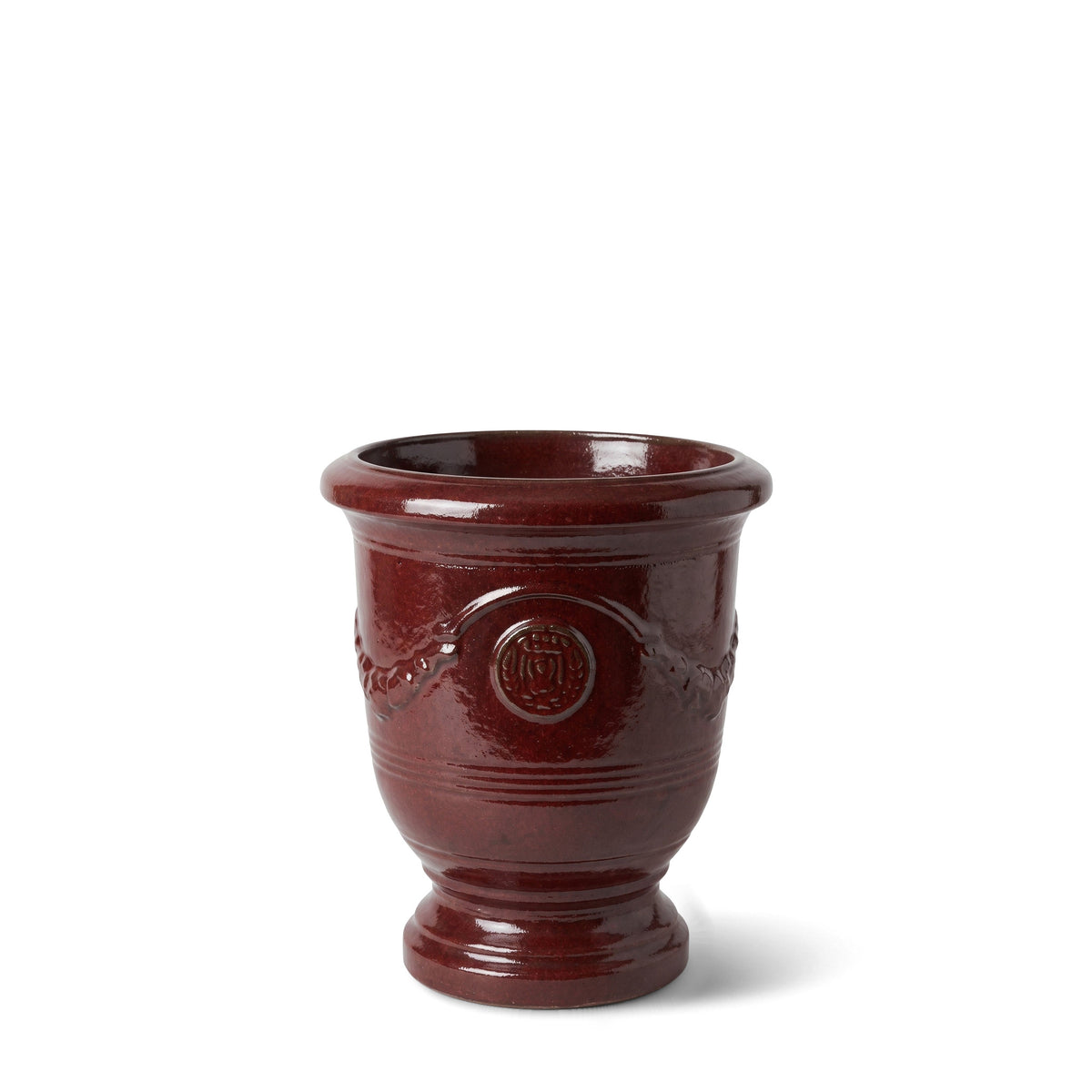
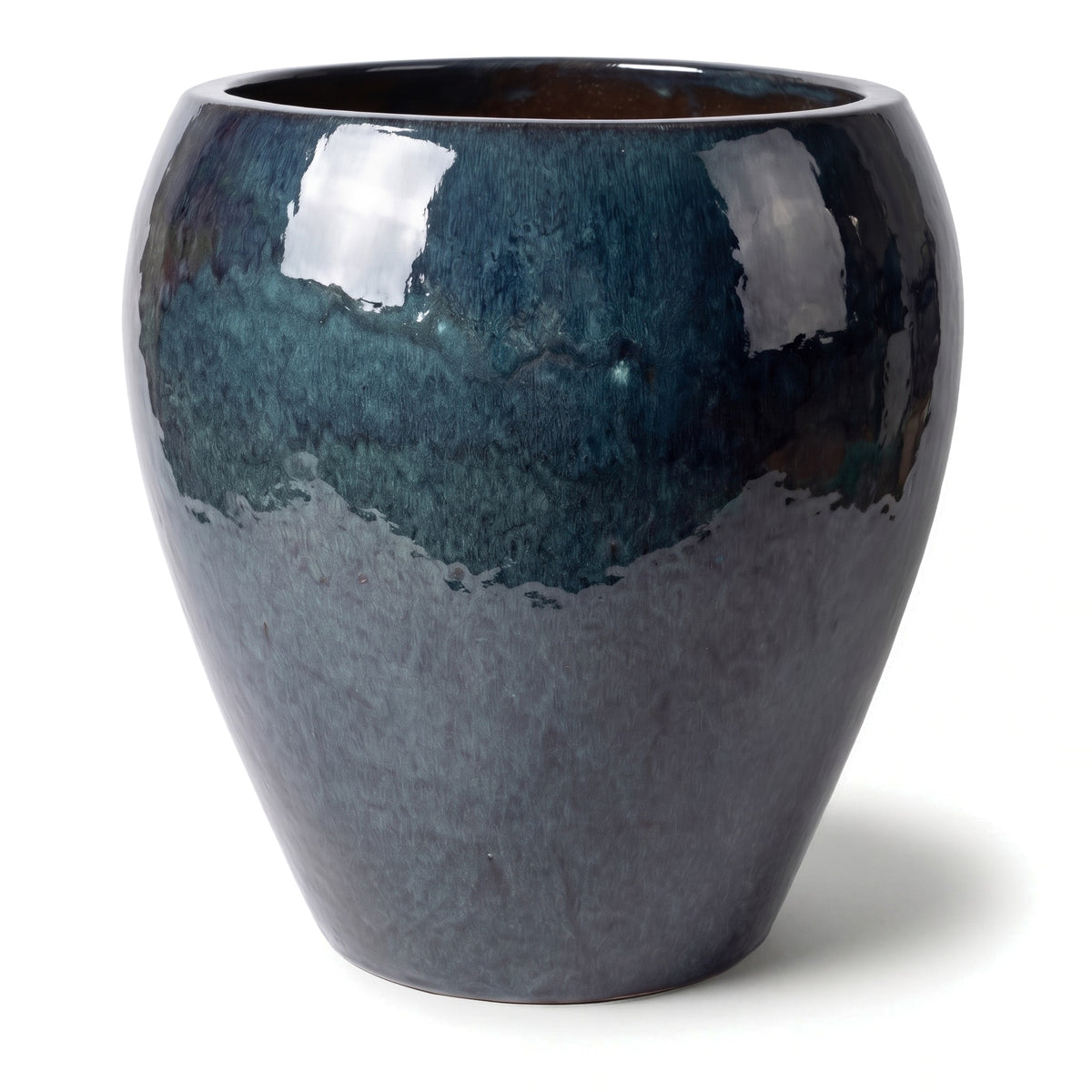
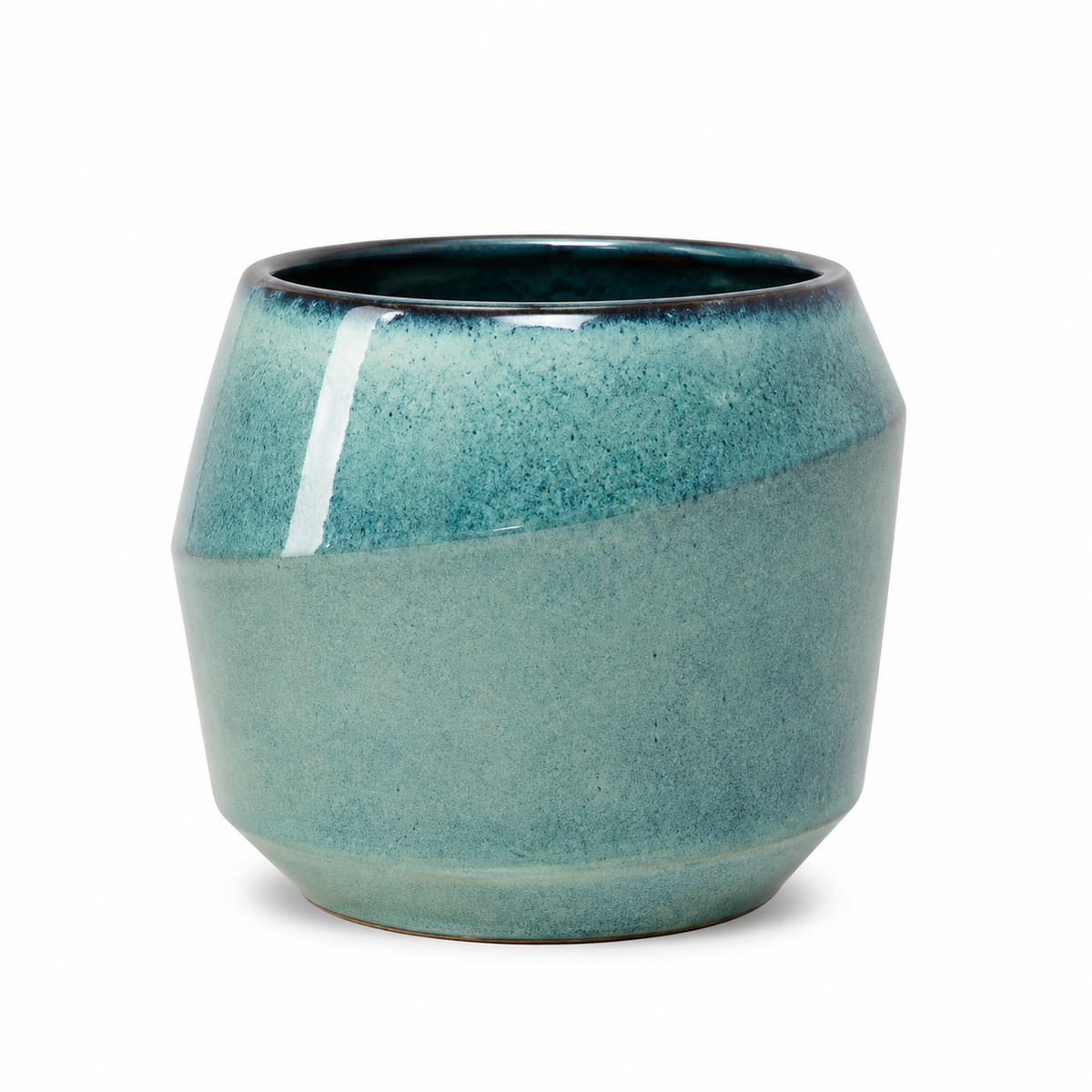
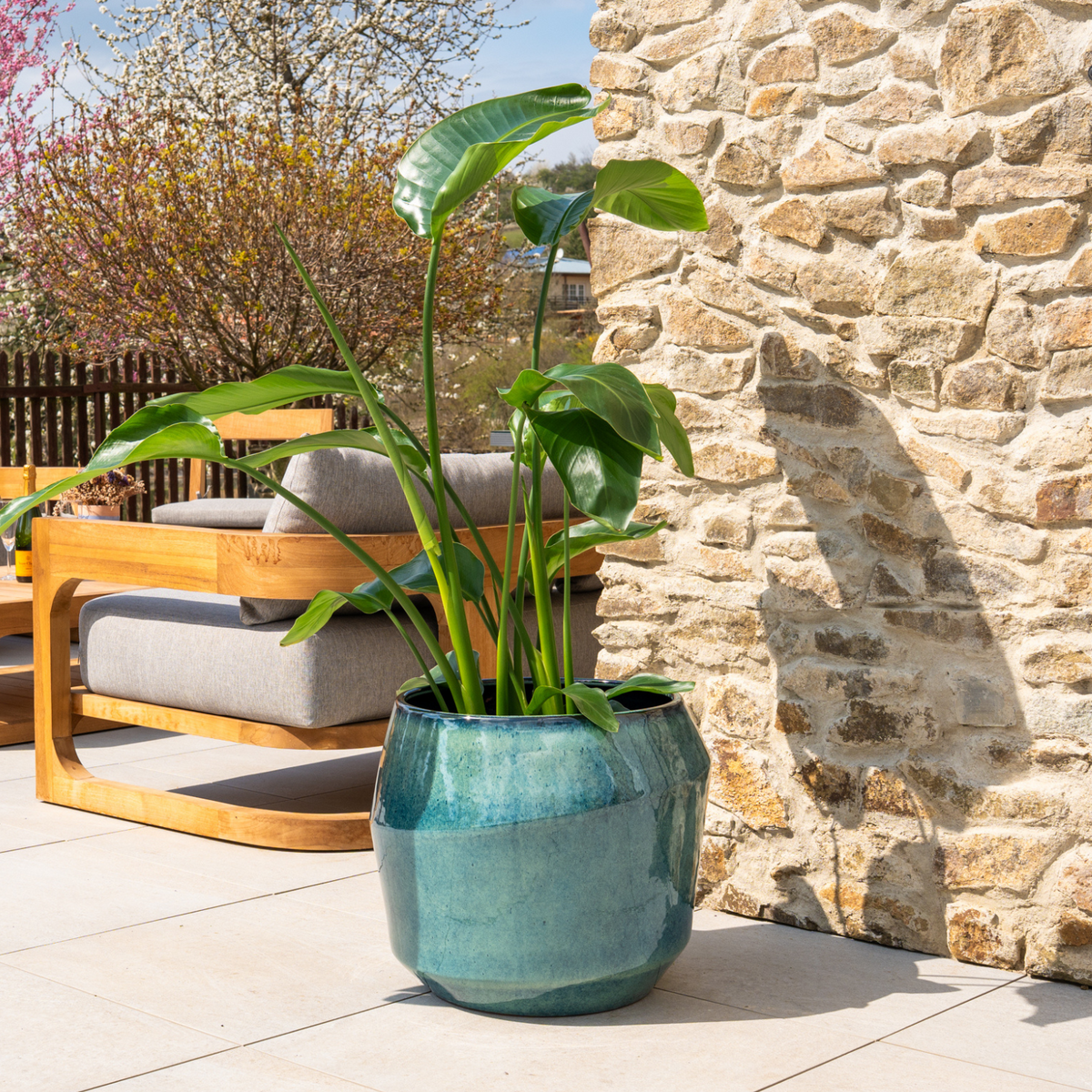
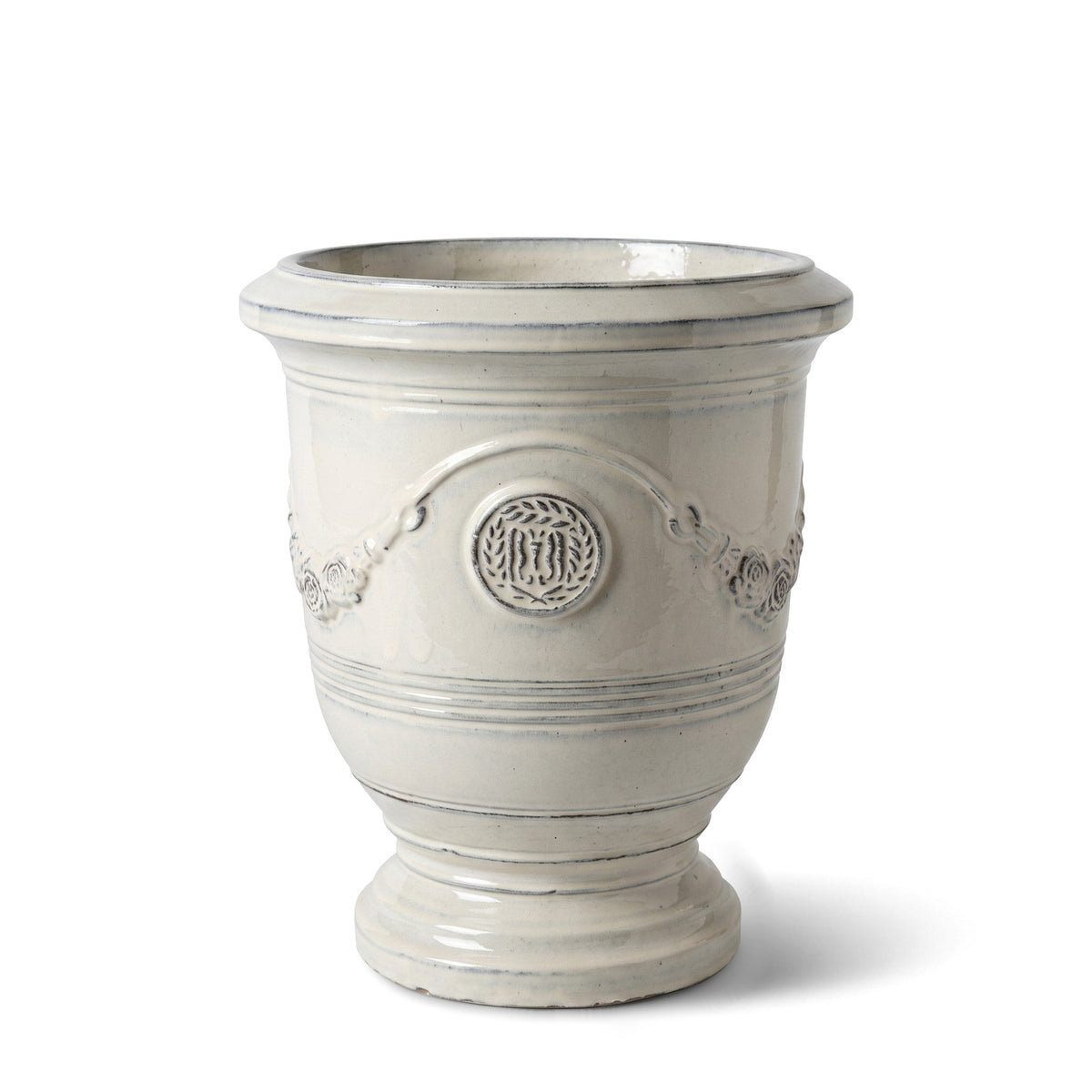
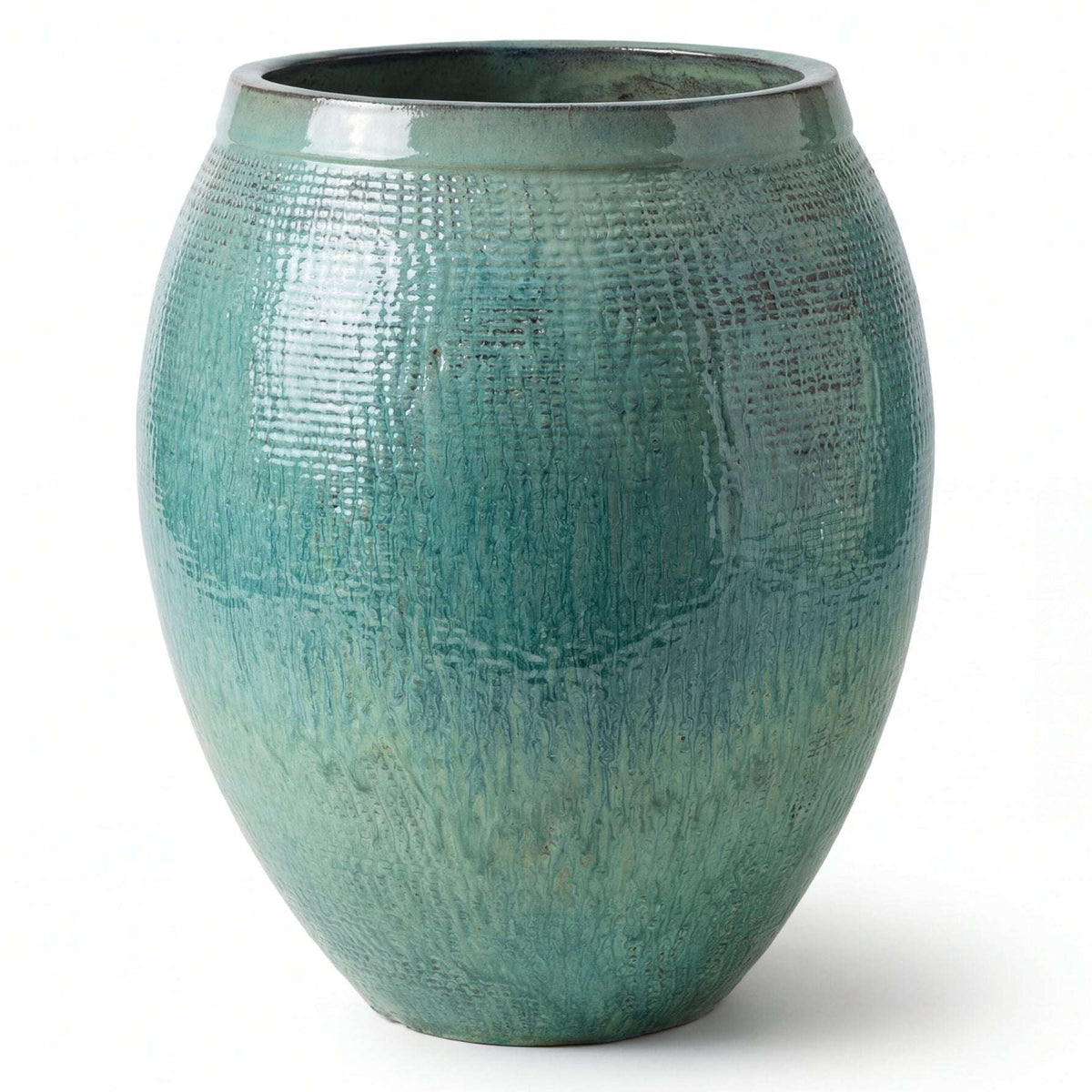
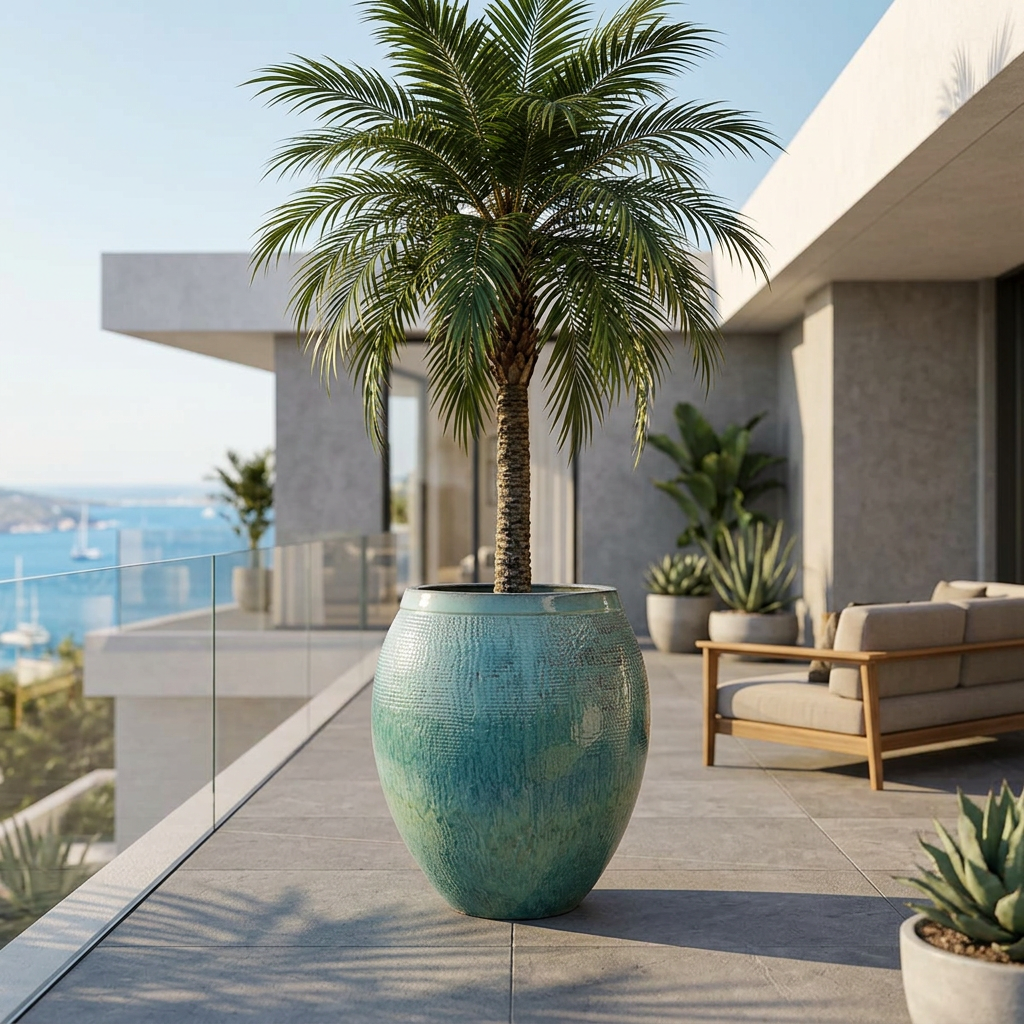
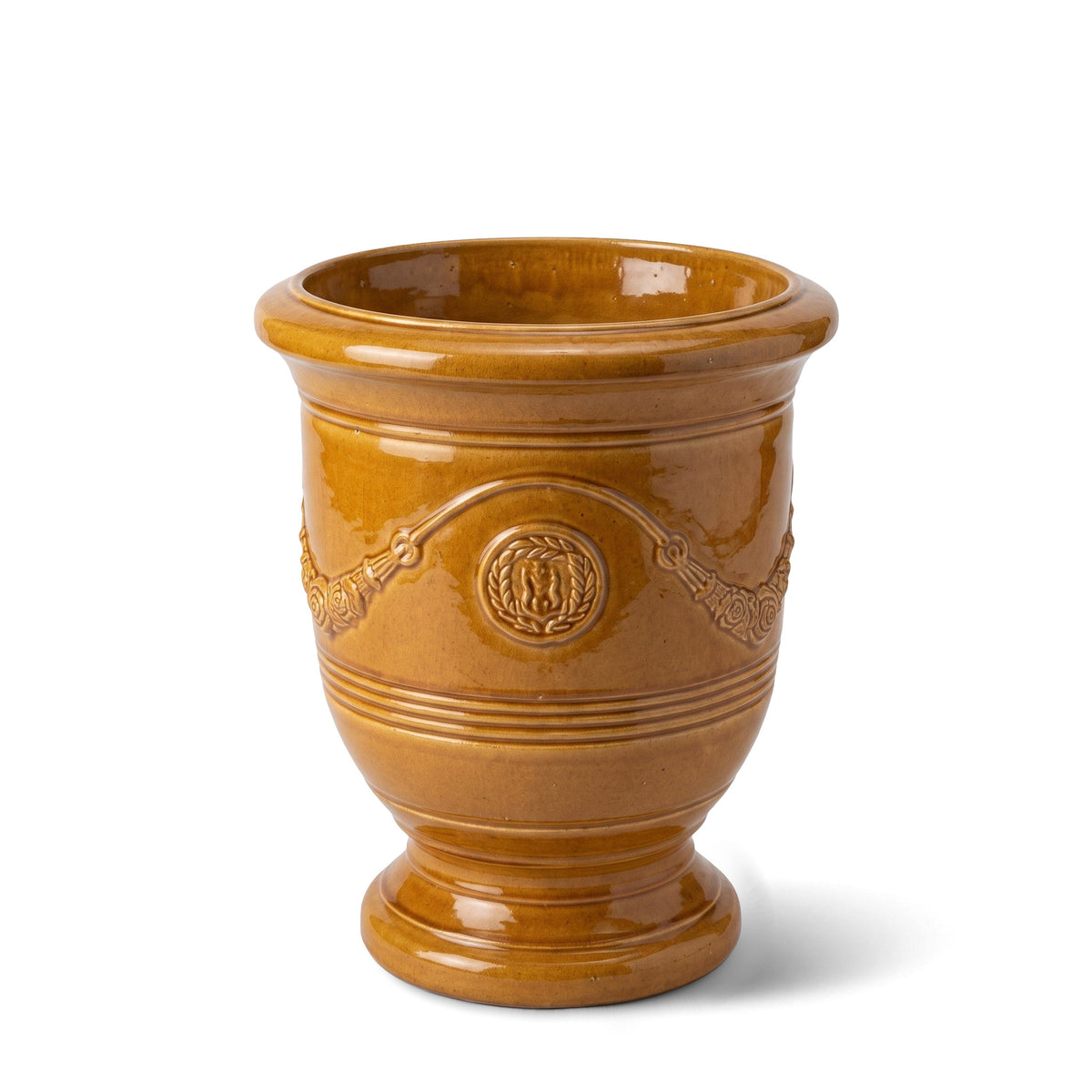
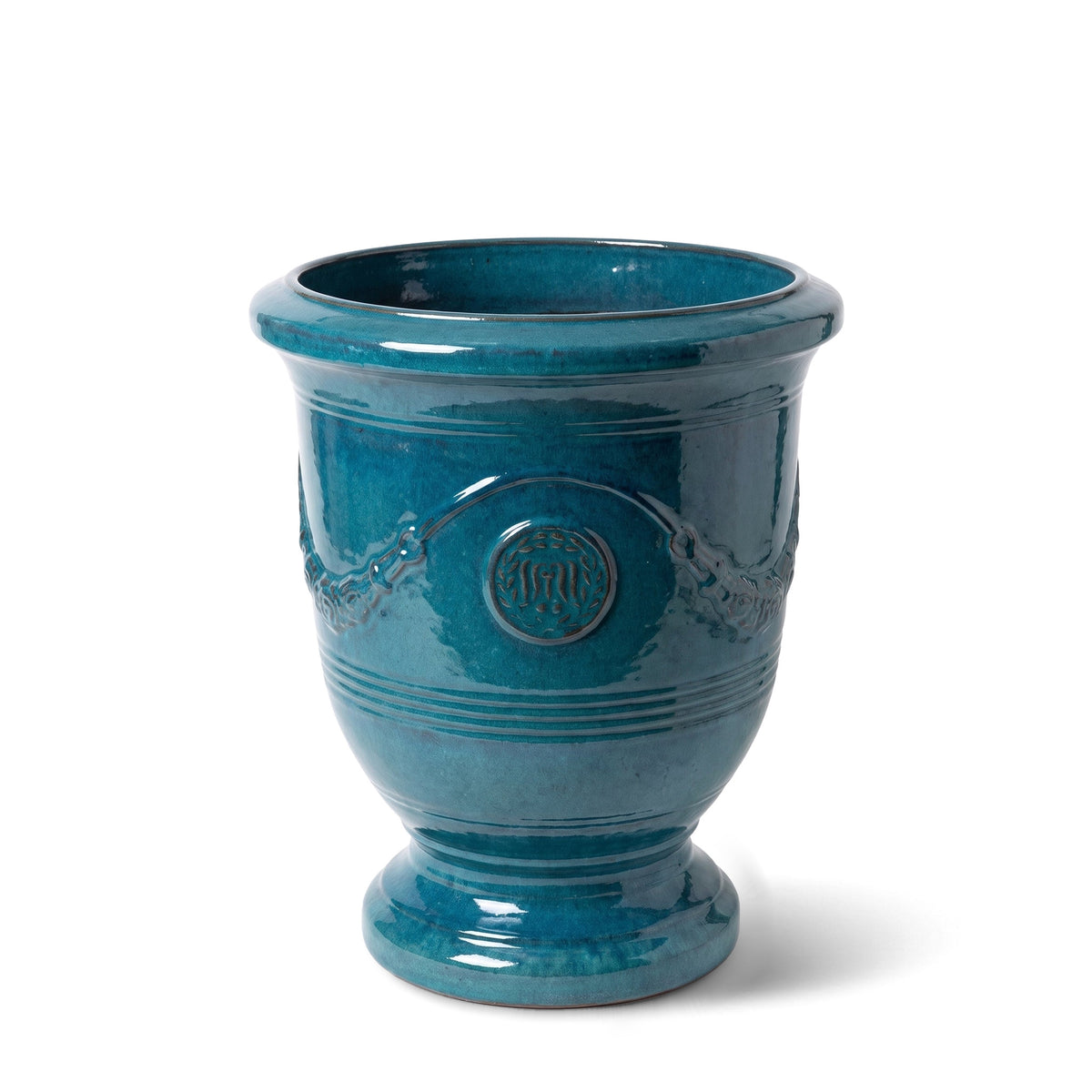
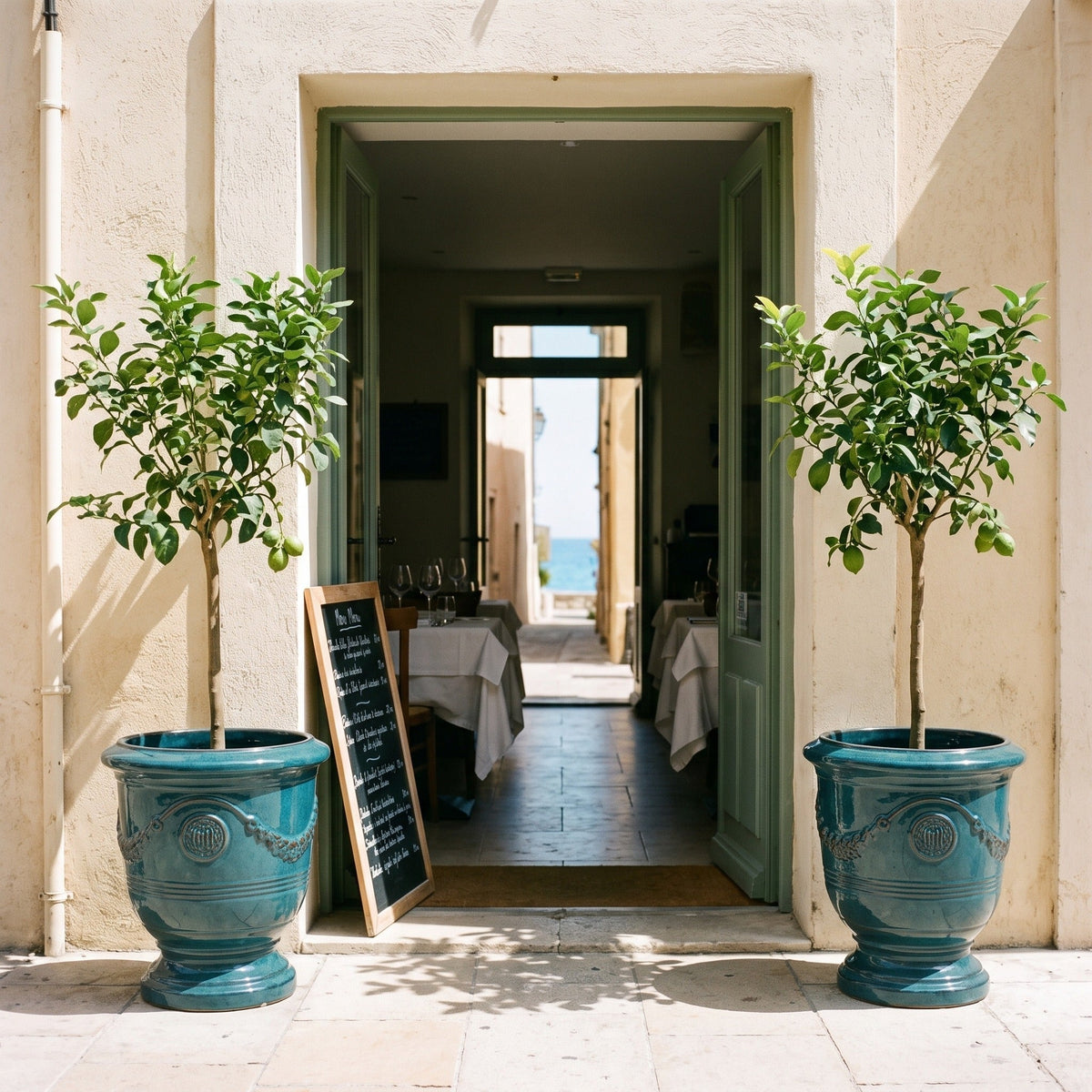
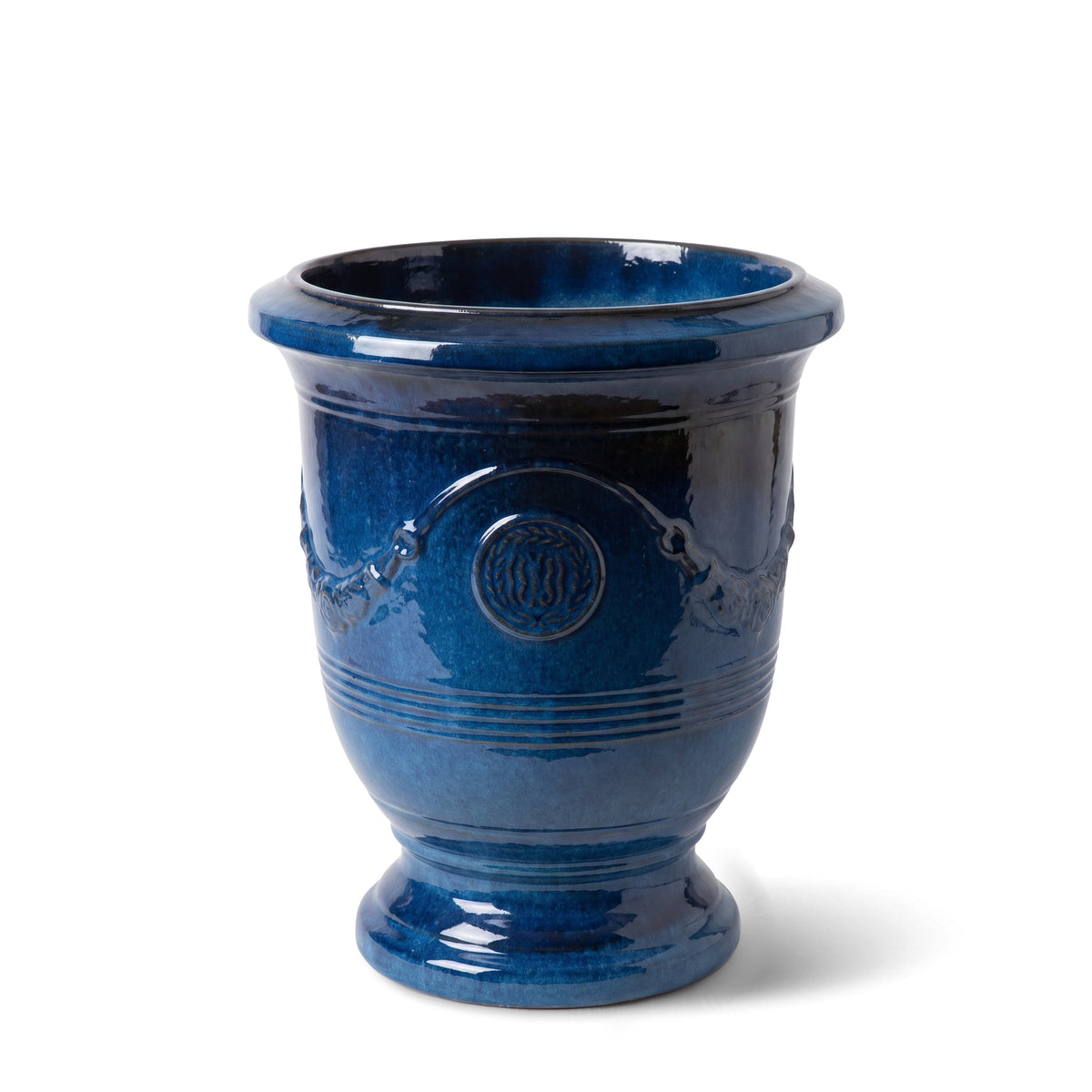
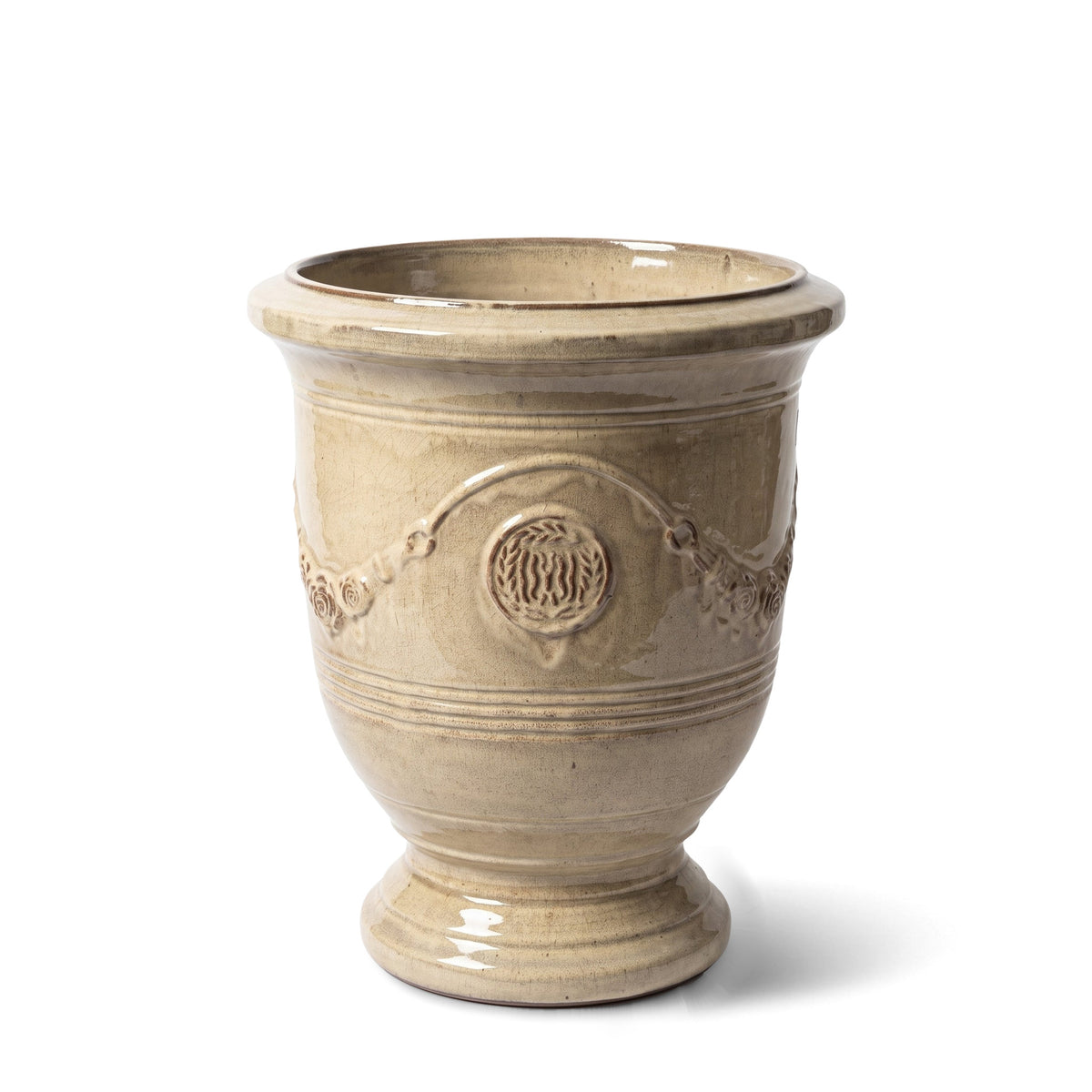
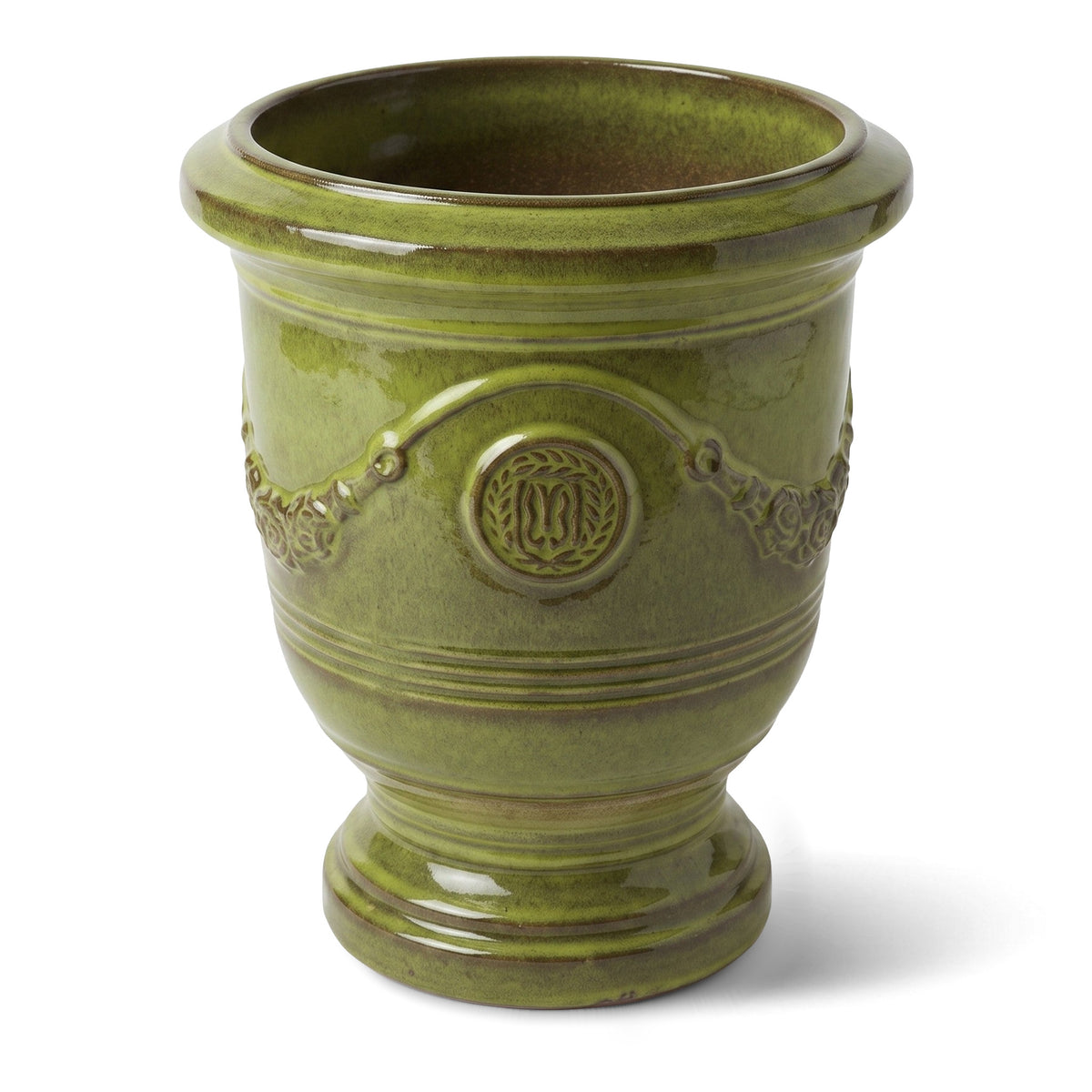
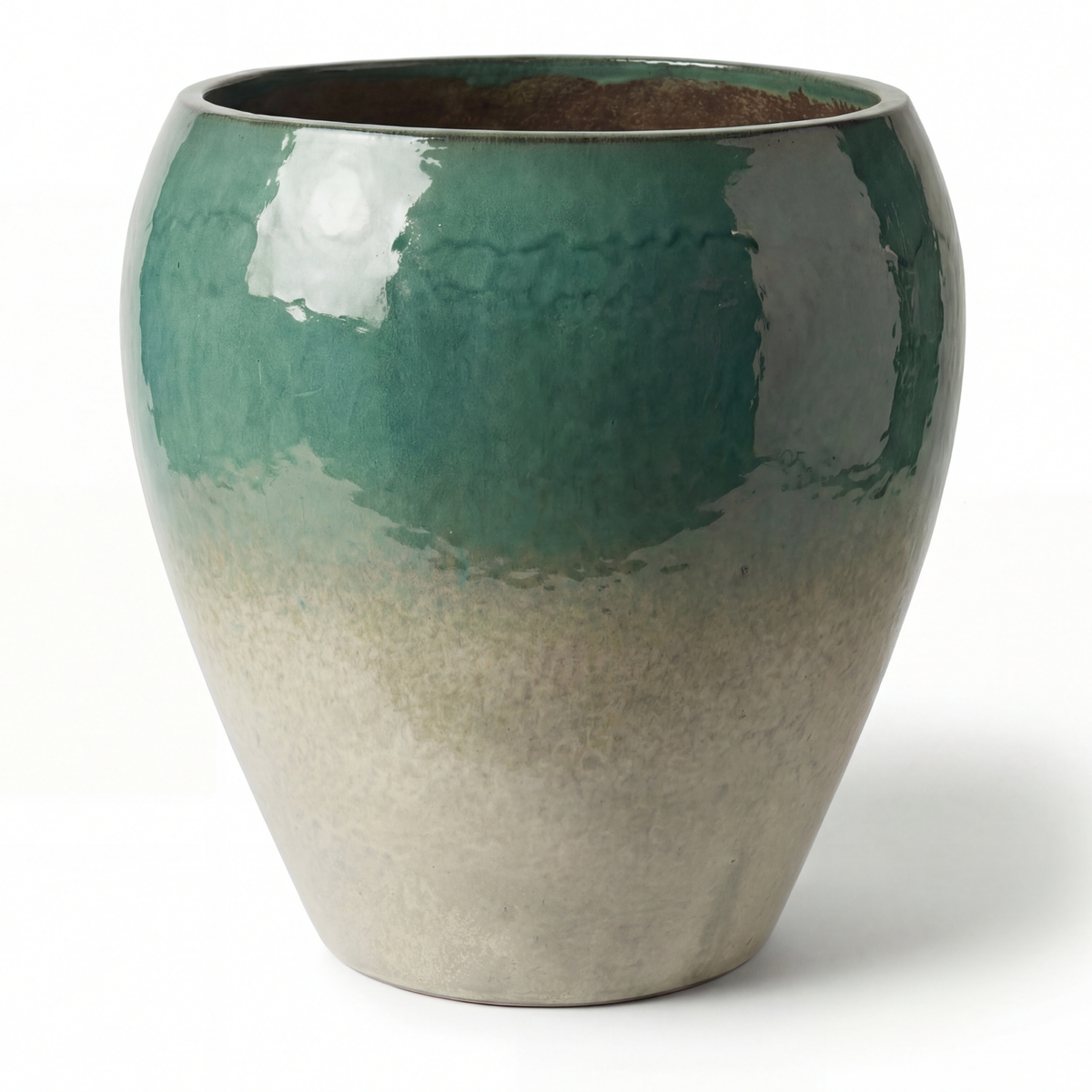
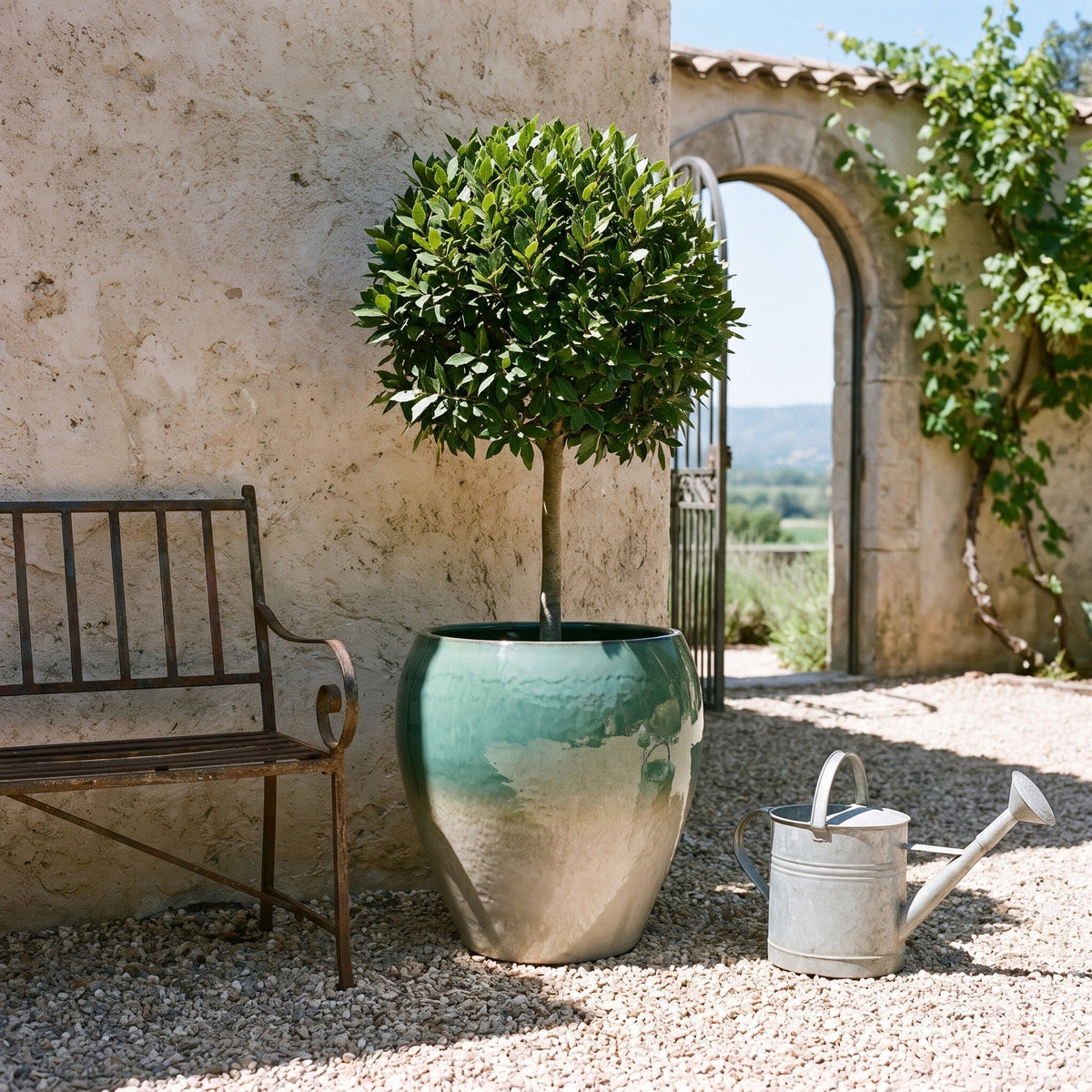
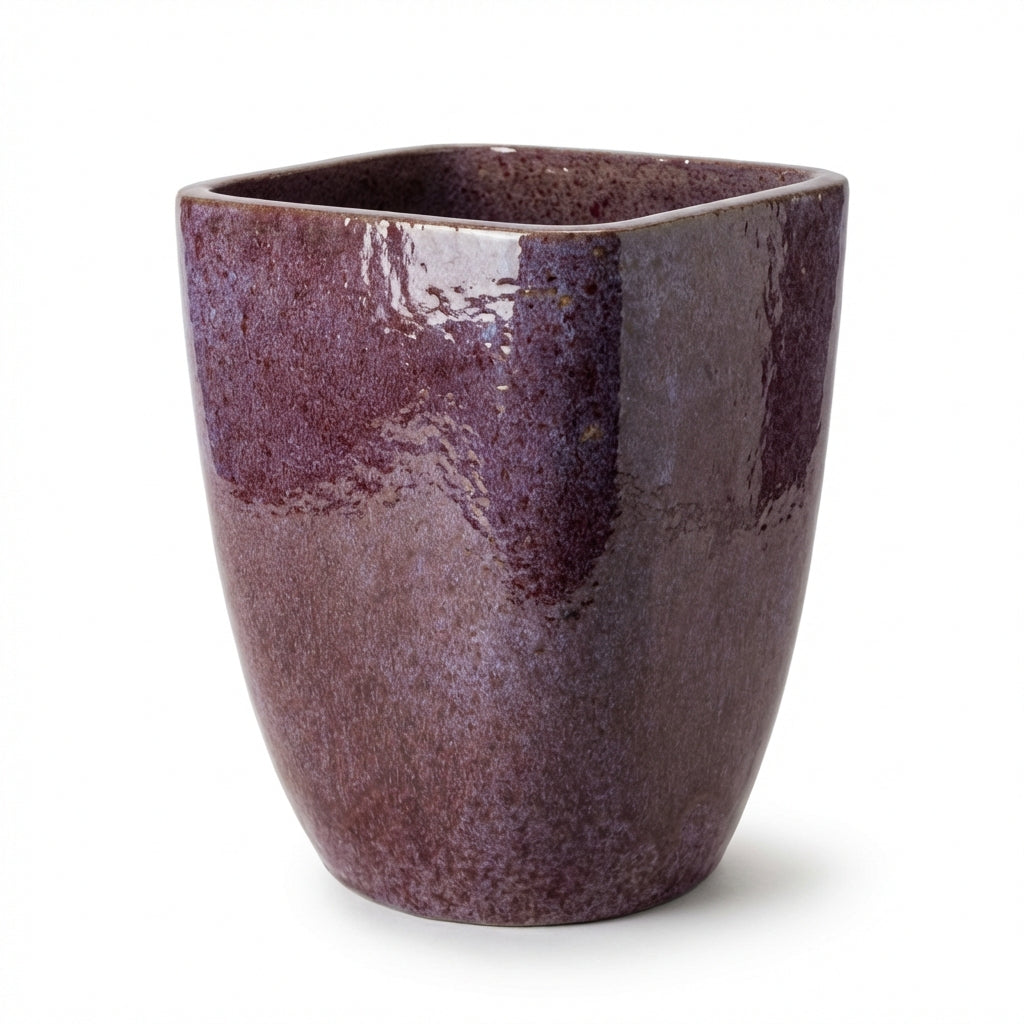
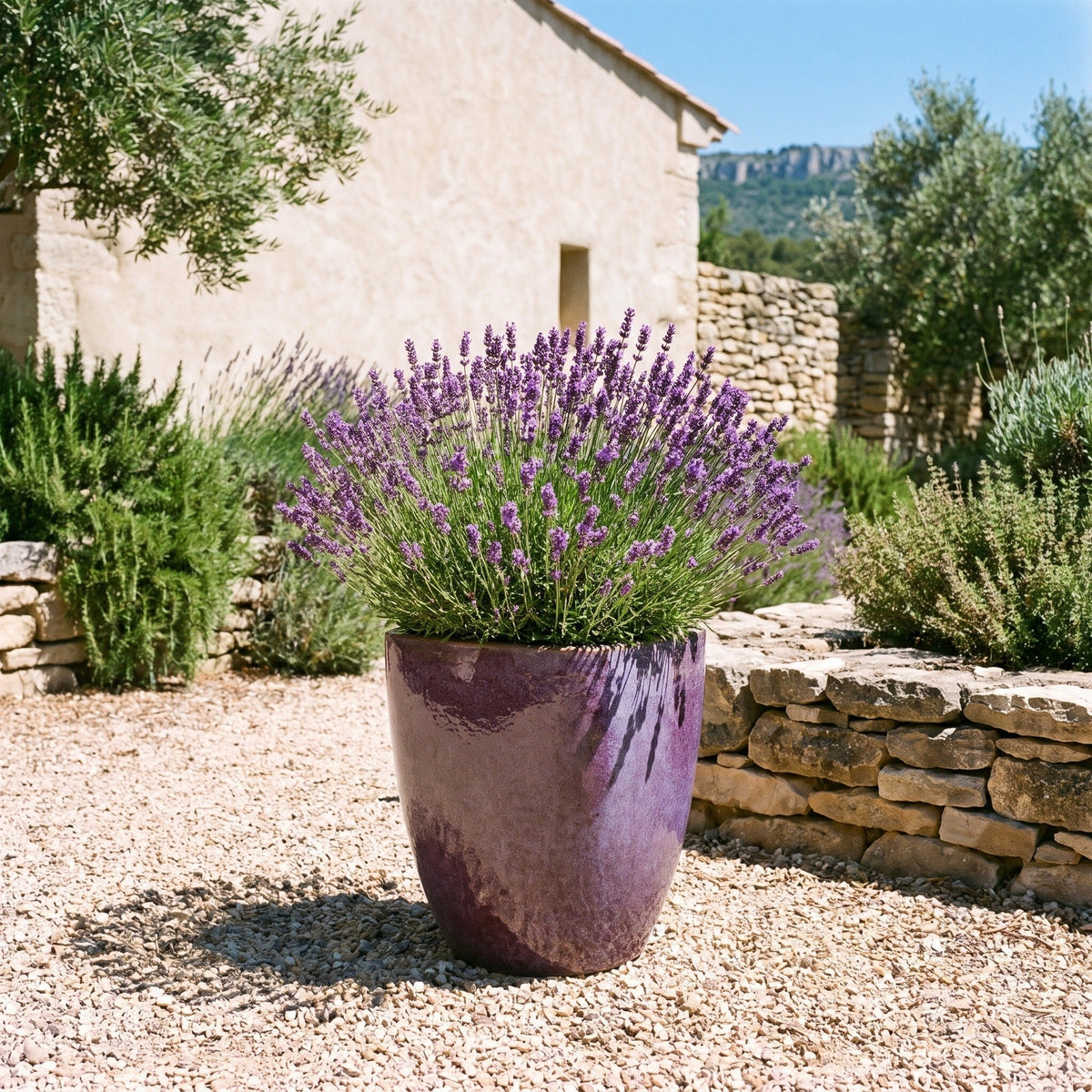
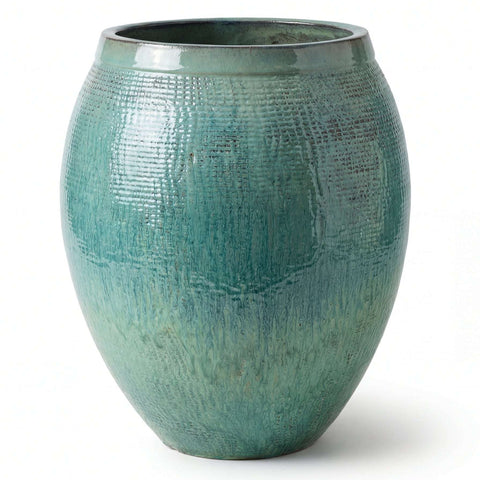
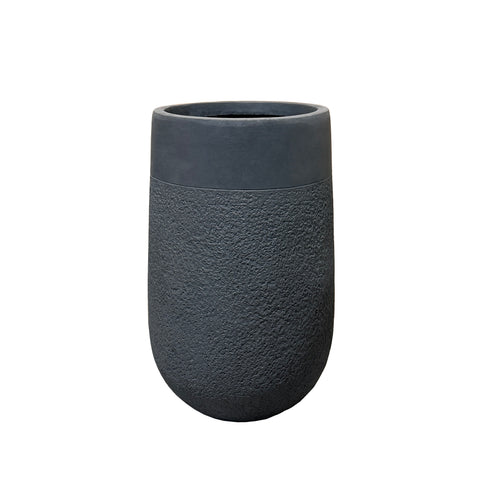
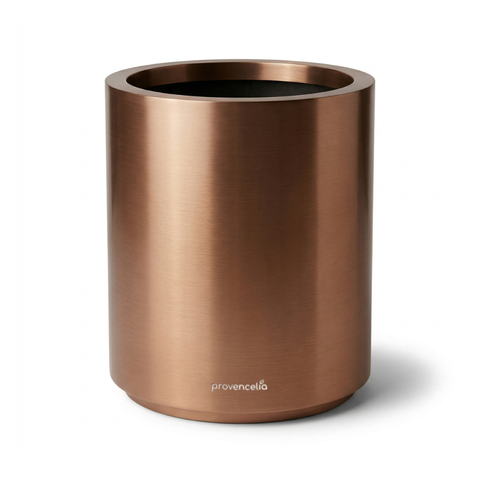
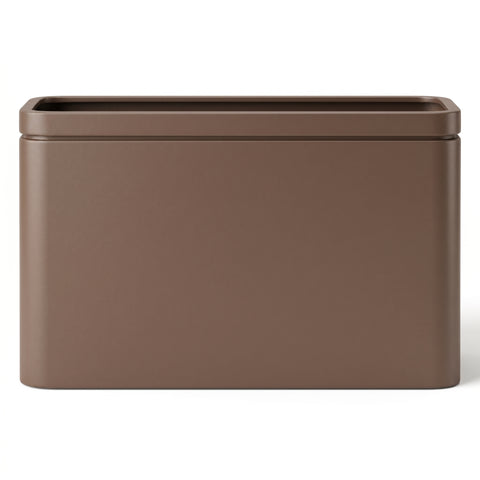
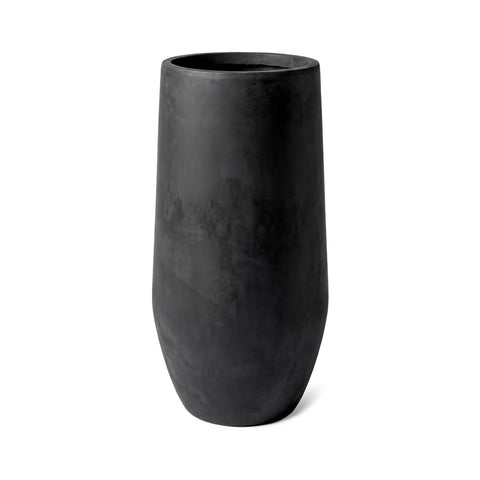
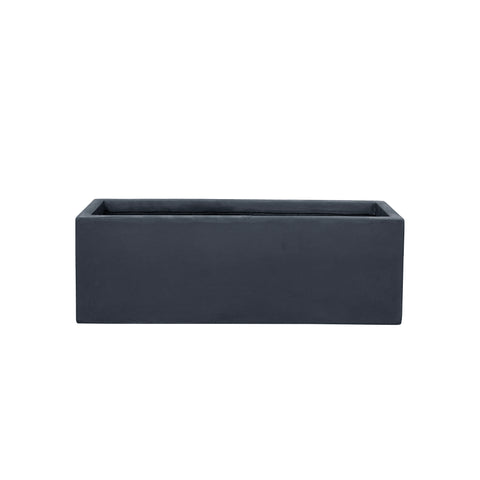
For the material, we recommend high-fired ceramic. It keeps the roots at a stable temperature (no overheating in summer, slow cooling in autumn), and its weight stabilises a fully flowering oleander in the wind. A drainage hole is essential: oleander cannot tolerate standing water.
We recommend the Lafontaine models (classic shape, for medium-sized plants), Bacchus (wider, for vigorous roots), or our XXL models for large plants.
3. Growing medium and drainage
Oleander is not demanding, but it needs a free-draining growing medium with a neutral to slightly alkaline pH (6.5 to 7.5). Mix:
- 50% quality potting compost
- 30% garden soil
- 20% sand or perlite (for drainage)
At the bottom of the planter, add 3 to 5 cm of clay pebbles or gravel. This detail is crucial: in waterlogged growing medium, oleander quickly loses its roots and may die within a few weeks.
4. Watering: when and how much
As a Mediterranean plant, oleander tolerates drought better than excess water. In summer (June to August), water generously 2 to 3 times a week, as soon as the top 2 to 3 centimetres of the growing medium are dry. Above 30 °C, daily watering may be necessary, but always check the moisture with your finger.
In spring and autumn, once a week is enough. In winter (winter protection between 5 and 10 °C), water just enough to prevent the root ball from drying out, generally every 2 to 3 weeks, in small amounts.
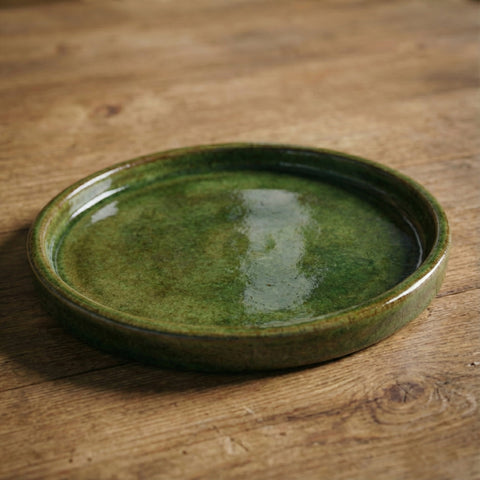
A little water in the saucer will not bother it, but empty any excess after an hour.
5. Fertiliser
It only flowers well when it is well fed. From April to September, apply a liquid fertiliser for flowering plants every week. You can also mix a slow-release fertiliser into the growing medium in spring.
From September onwards, stop fertilising: the plant needs to prepare for dormancy.
6. Pruning: when and how
Oleander flowers on the current year's growth. For abundant flowering, prune after flowering, in September or October, never in spring (you would remove the flower buds).
Remove:
- faded flowers
- damaged or dry branches
- overly long branches (shorten by one third to maintain the shape)
Warning: oleander is highly toxic in all its parts. Wear gloves when pruning, never burn pruning waste (the smoke is toxic), and keep it out of reach of children and animals.
7. Winter protection: the crucial step
Oleander is not frost-resistant. It can withstand a brief frost of around −2 °C, but repeated frosts are fatal. In most regions, it must therefore be brought indoors for winter.
The ideal winter location:
- Temperature: 5 to 10 °C (cool, frost-free)
- Light: bright, without direct sunlight
- Where: unheated conservatory, bright cellar, garage with a window
- Watering: every 2 to 3 weeks, just enough to prevent the root ball from drying out
No cool, bright room? Short-term winter storage in darkness is possible (a cellar without windows): the plant will lose some of its leaves but will recover in spring. Bring it indoors at the end of October, reduce watering to a minimum, then gradually reacclimatise it to light in April.
8. Common problems and solutions
Yellow leaves falling off: excess water. Reduce watering and check drainage. If the problem persists, repot into fresh growing medium.
Few or no flowers: lack of sun, a planter that is too small, or pruning at the wrong time (in spring rather than after flowering). Place it in the sun and consider repotting.
White deposits on leaves: scale insects or powdery mildew. Treat with an organic product or soapy water.
Leaves curling and yellowing at the edges: calcium deficiency or excessively strong sun on a young plant. Add a little crushed limestone to the growing medium and shade young plants for the first two weeks.
9. Recommended varieties
- 'Hardy Red': more cold-resistant, deep red flowers
- 'Petite Pink': compact habit up to 1 m, ideal for small terraces and balconies
- 'Atlas': creamy white flowers, vigorous growth, a classic
- 'Provence': pale pink double flowers, medium-sized
10. Frequently asked questions
Can it be left outdoors in winter?
Only in regions where it hardly ever freezes. Elsewhere, it needs a cool, bright shelter (5 to 10 °C).
When should it be repotted?
Every 2 to 3 years in spring (March or April), when the roots fill the whole planter. Always choose a planter 5 cm wider in diameter.
Is it really toxic?
Yes, all parts contain substances toxic to the heart. It can be grown safely, but wash your hands after contact with its sap and keep it out of reach of children and animals.
How long does it live?
When well cared for in a planter, 15 to 25 years without difficulty.
In summary
Oleander rewards anyone with a sunny terrace and a cool shelter for winter. Three points not to overlook: planter size (it needs room for its roots), drainage (it cannot tolerate standing water), and cool winter protection.
Looking for the right planter? Discover our collection of ceramic planters from 40 to 80 cm, all with a drainage hole.
Also read: