


Olive trees: a Mediterranean symbol for your terrace or balcony
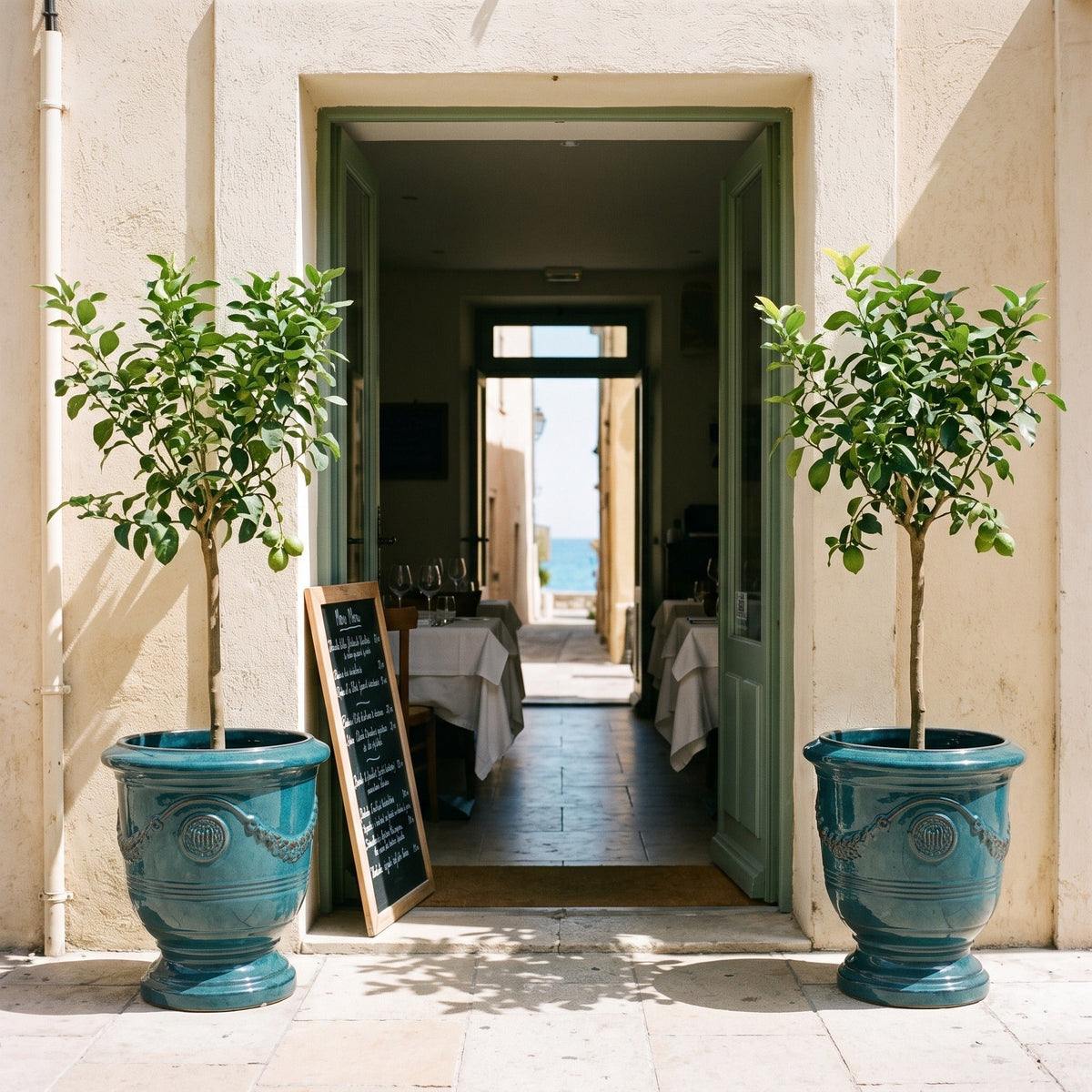
Olive trees are not only a symbol of the Mediterranean basin; they are also elegant, easy-care plants that can enhance your terrace or balcony. If you do not have a garden or live in a region with colder winters, growing an olive tree in a planter is an excellent solution. Here are our tips for making a success of it.
1. Choosing the right olive tree
Not all olive tree varieties are suitable for growing in a planter. We recommend choosing dwarf or small varieties, such as:
- Olea europaea ‘Cipressino’ – a compact variety ideal for planters.
- Olea europaea ‘Arbequina’ – a small olive tree that produces fruit even in a planter.
These varieties adapt easily to confined spaces and are highly decorative.
2. Choosing the right planter
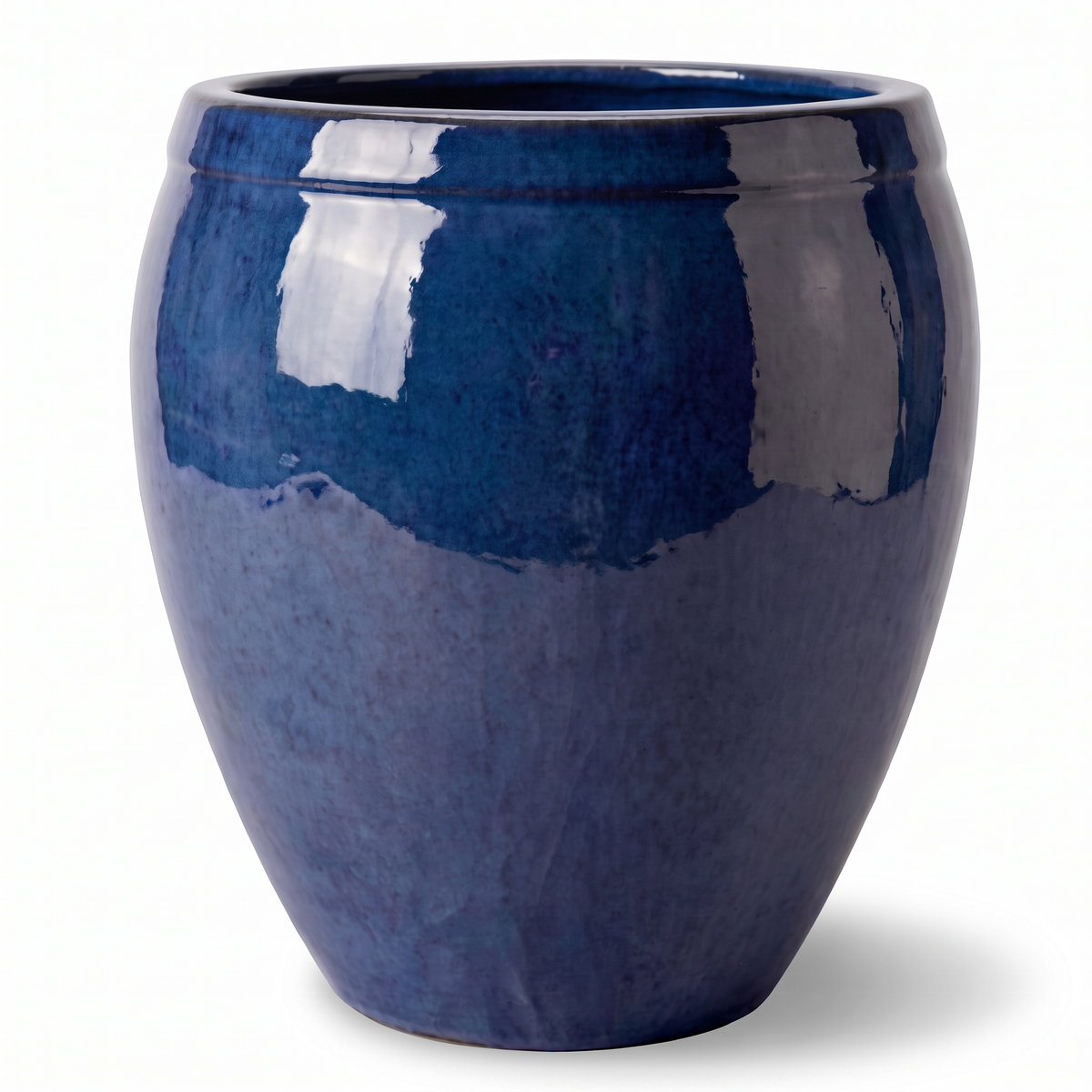
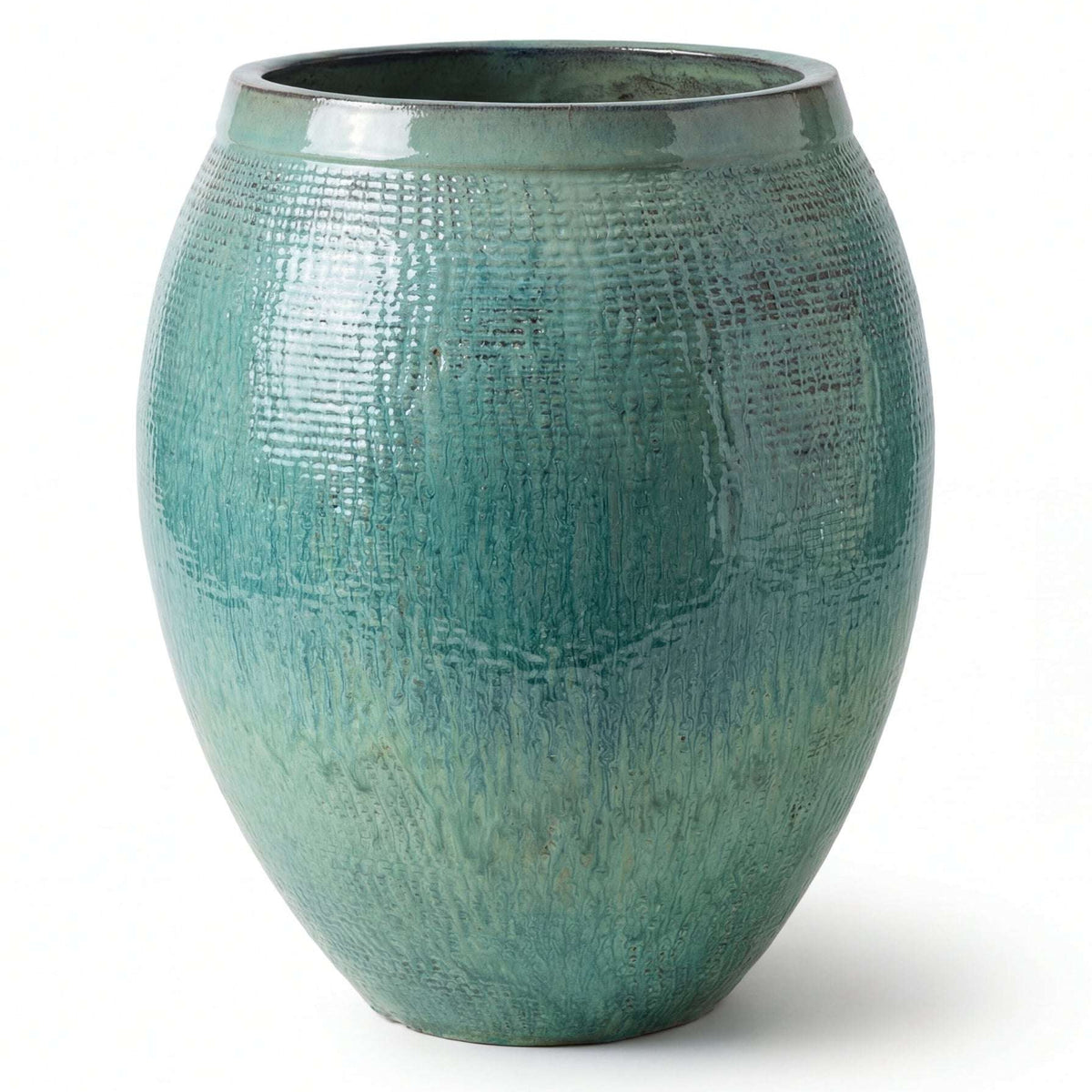
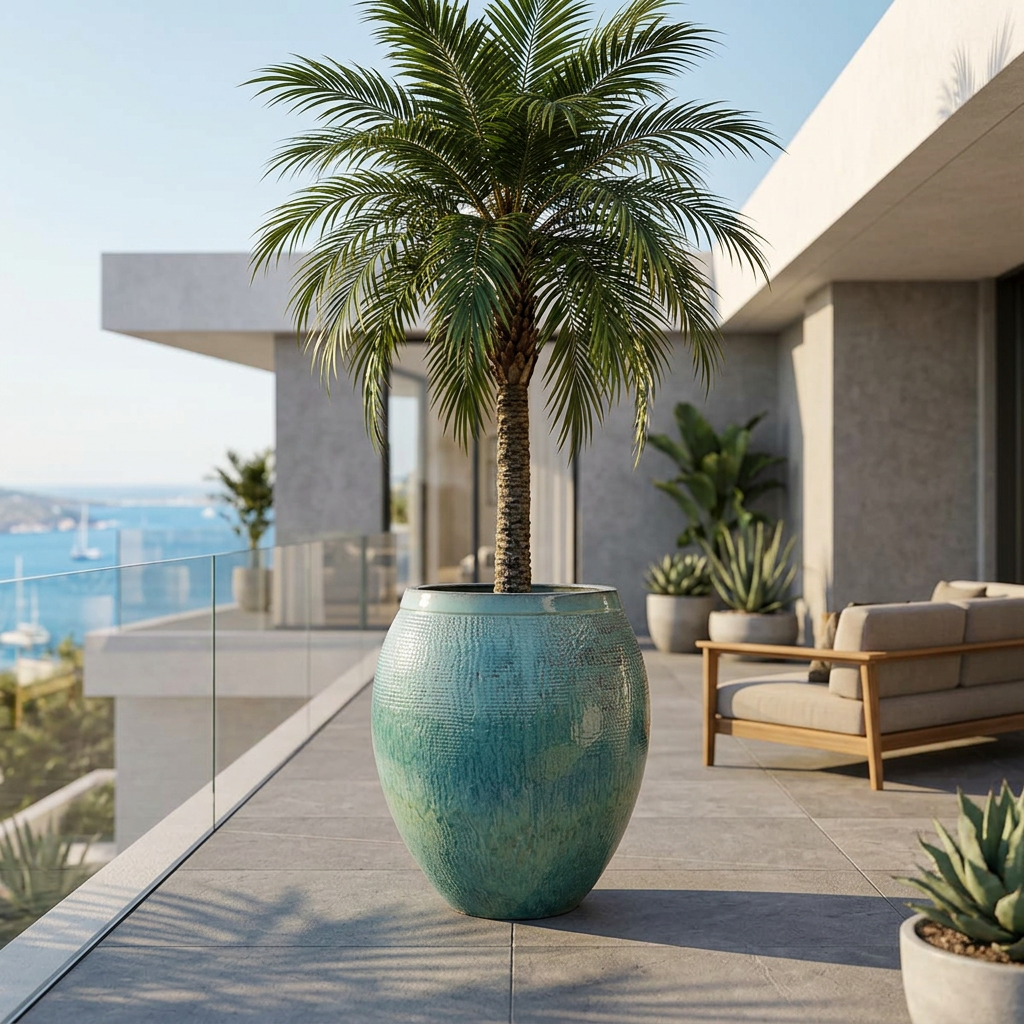
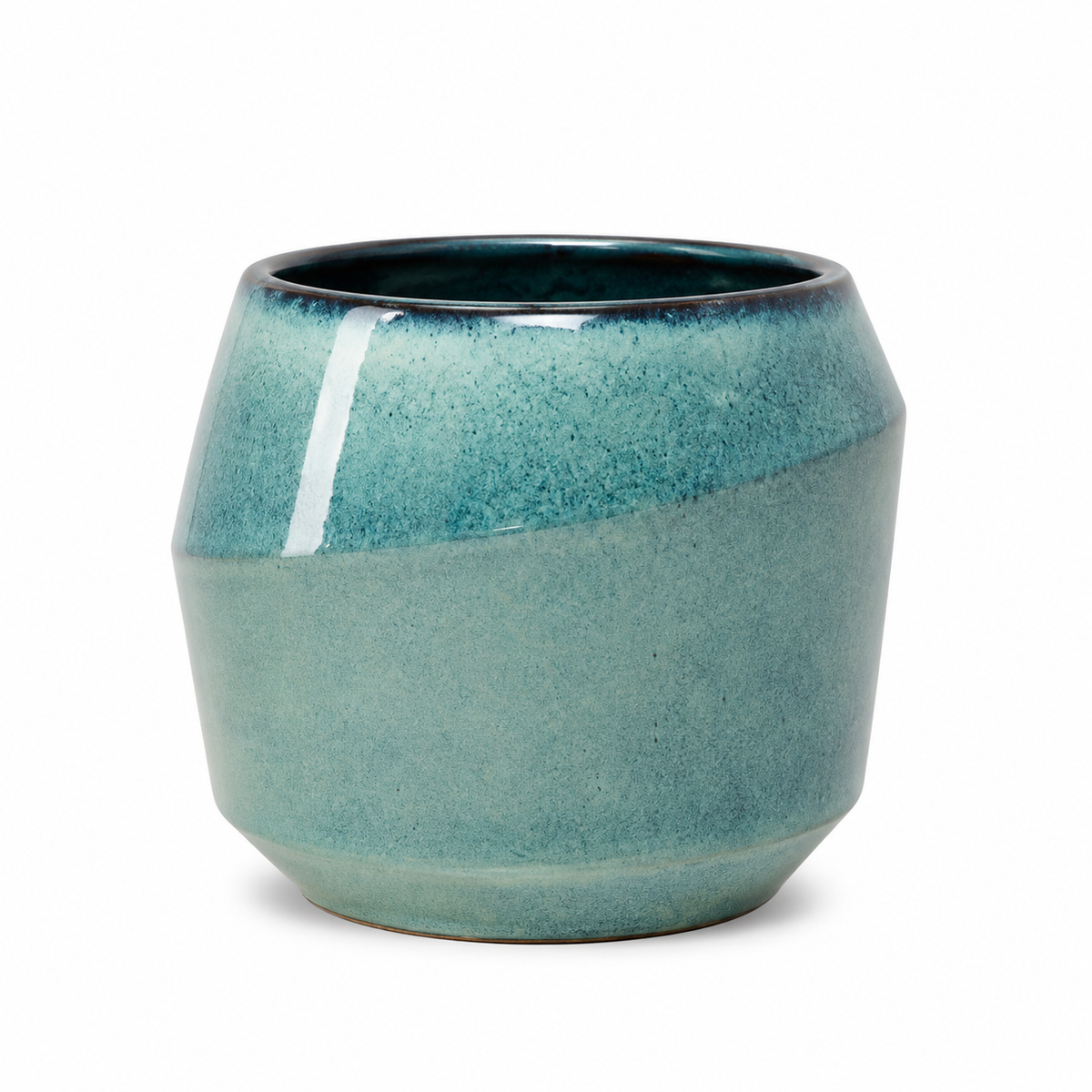
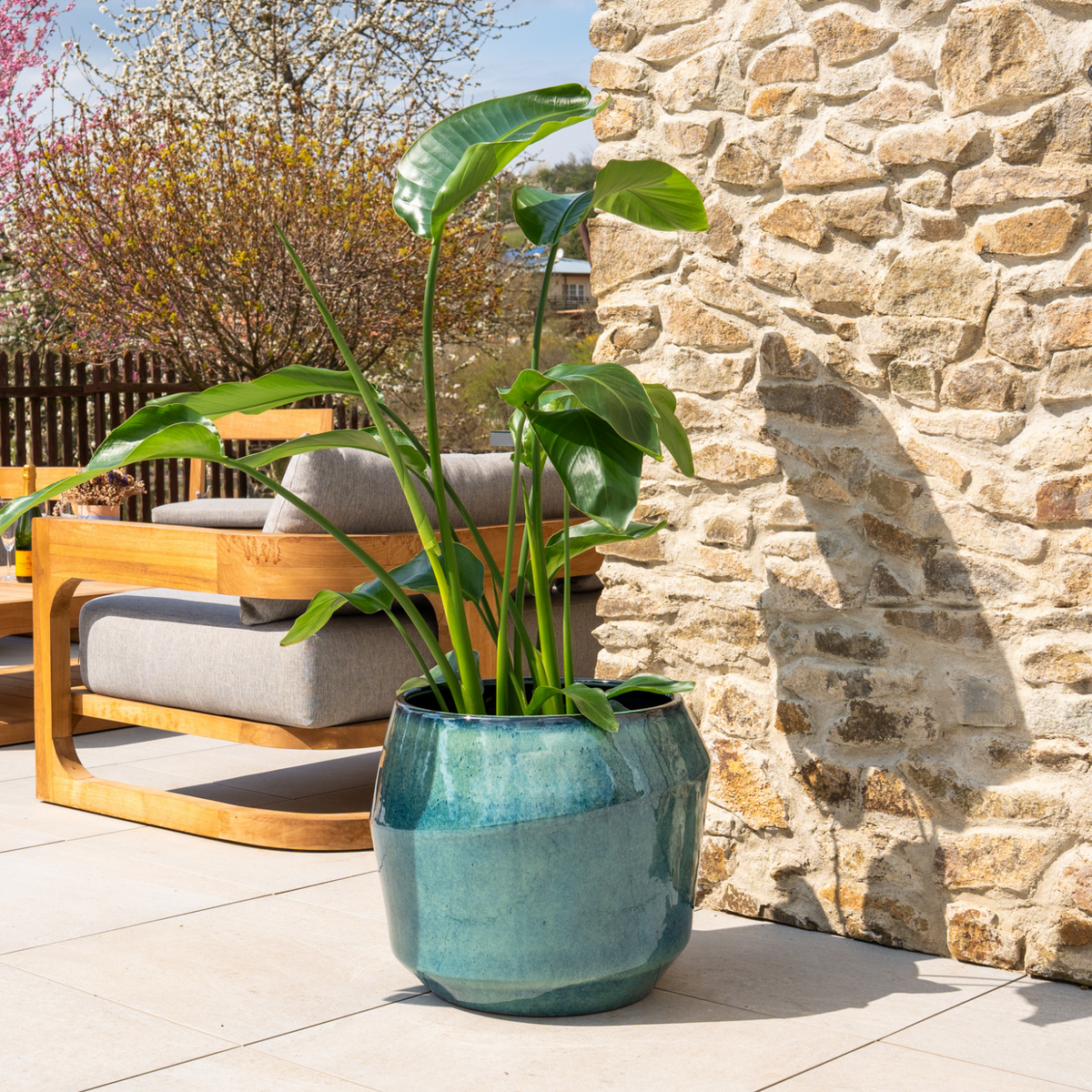
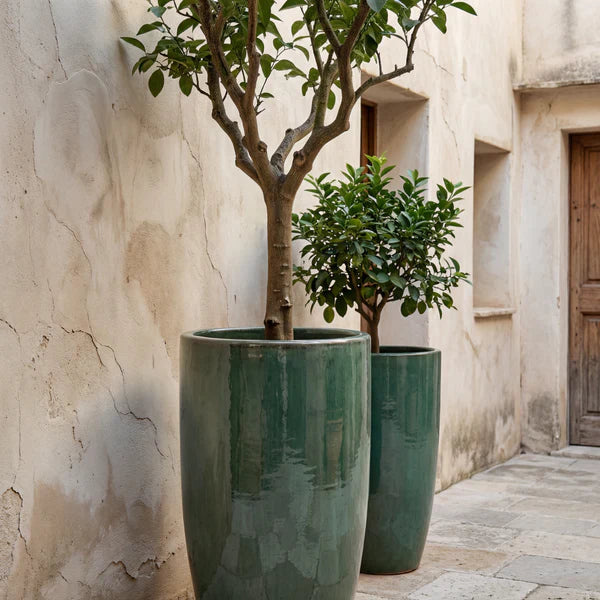
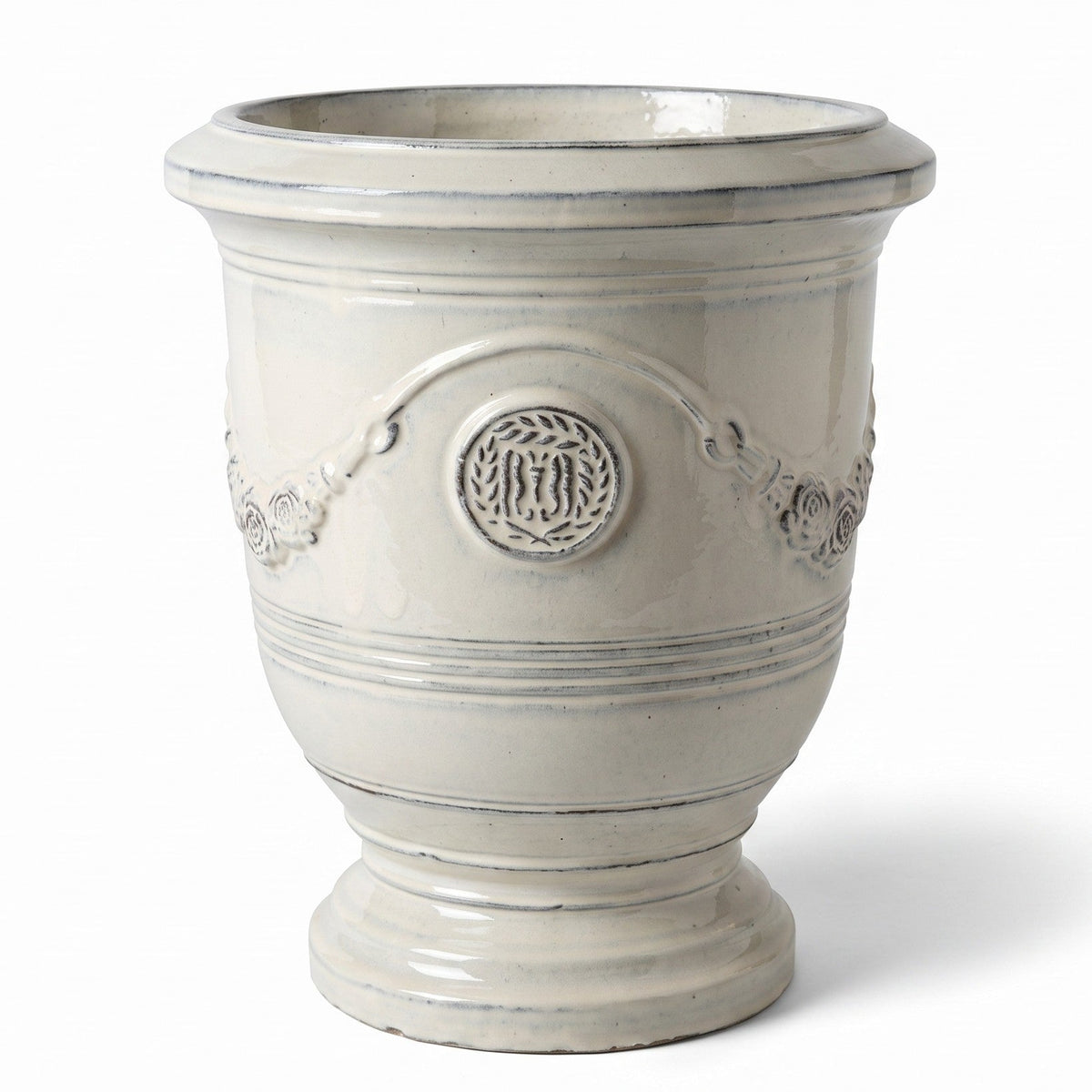
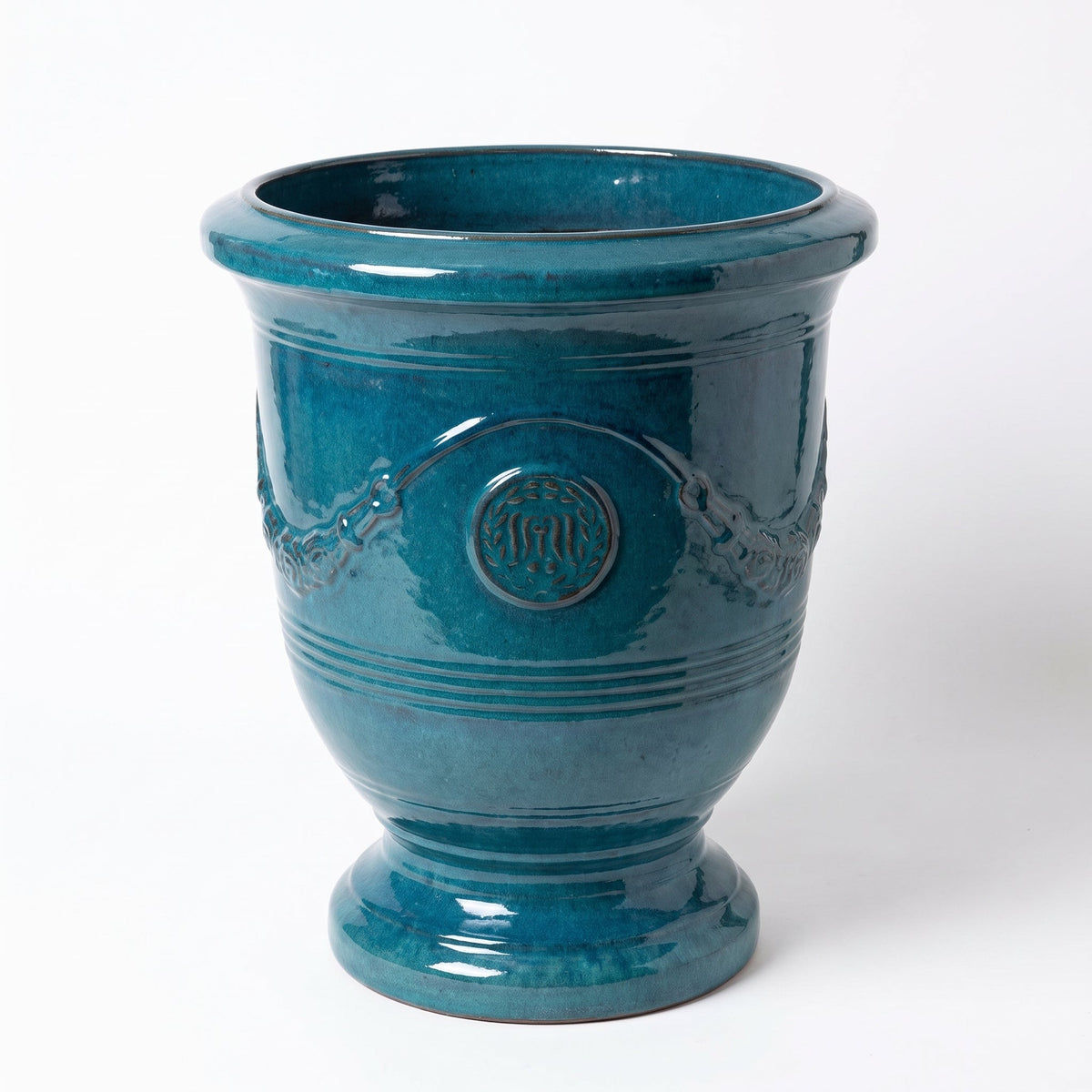
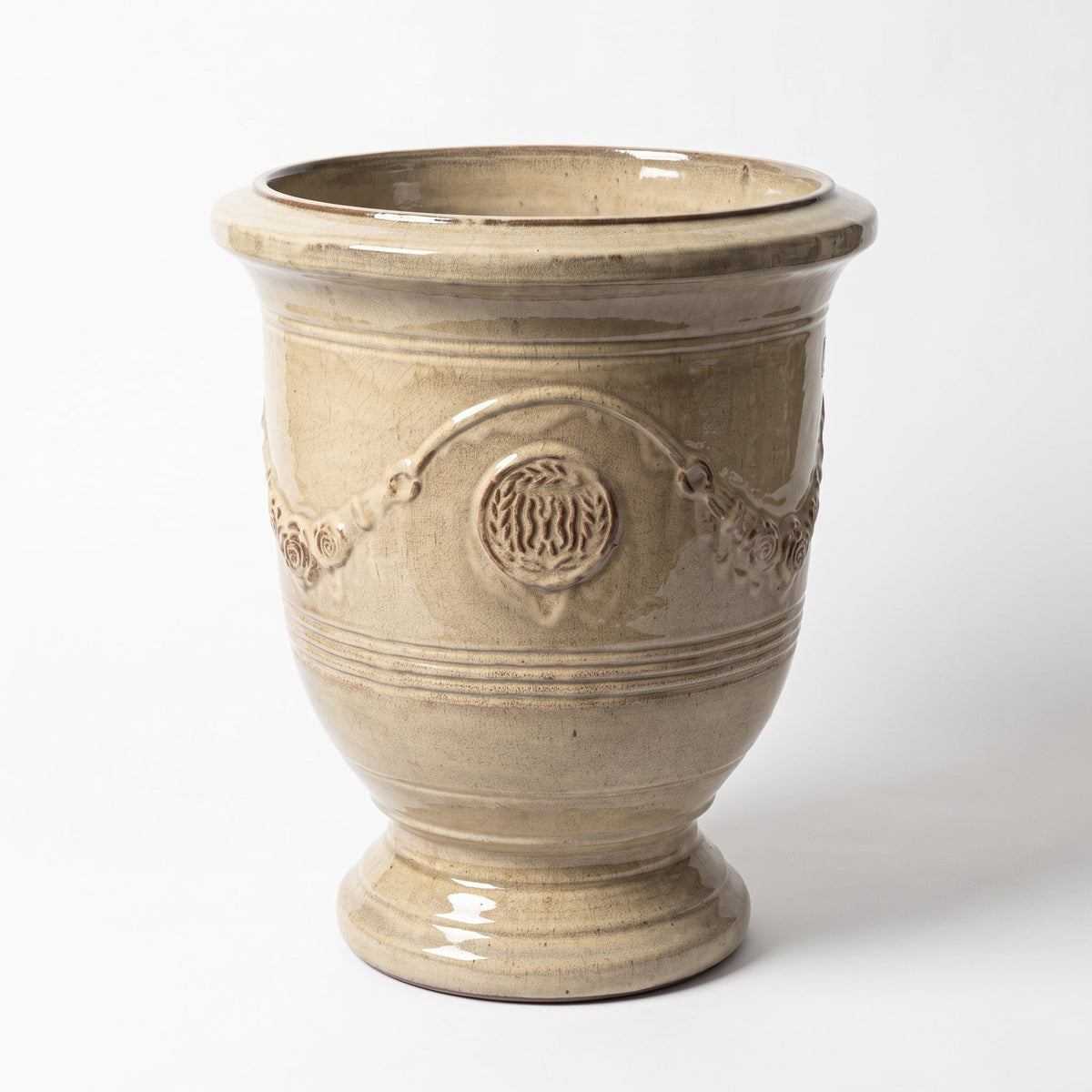
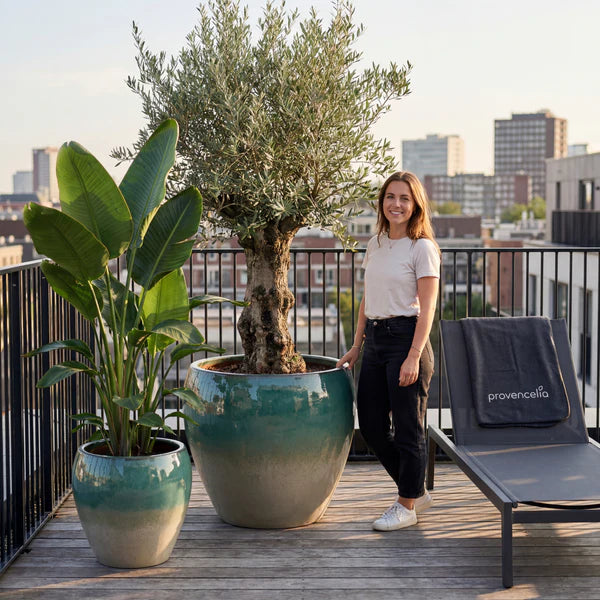
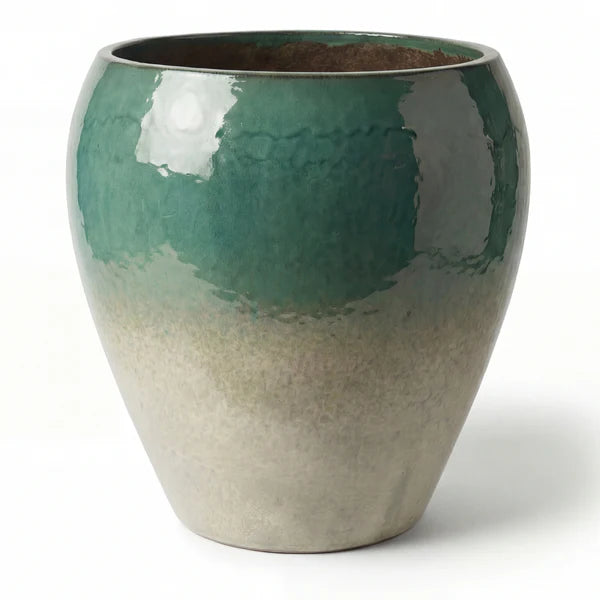
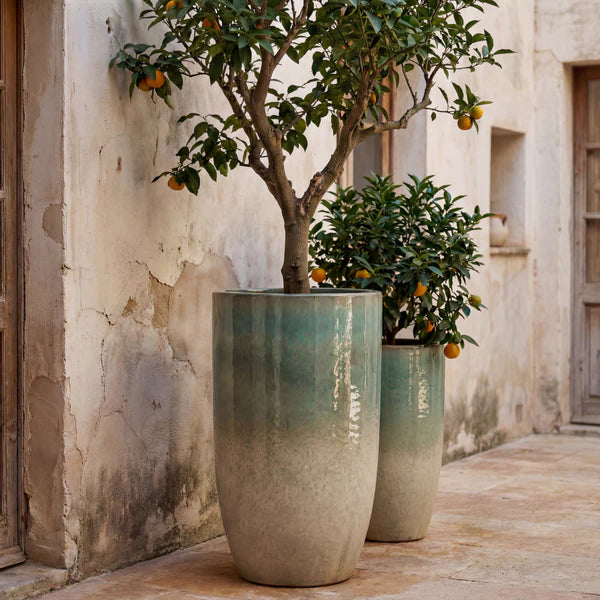
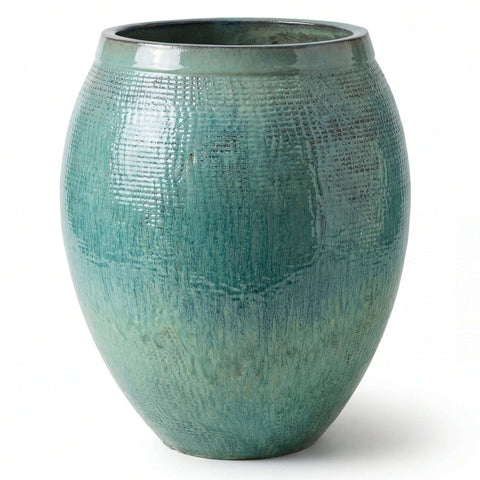
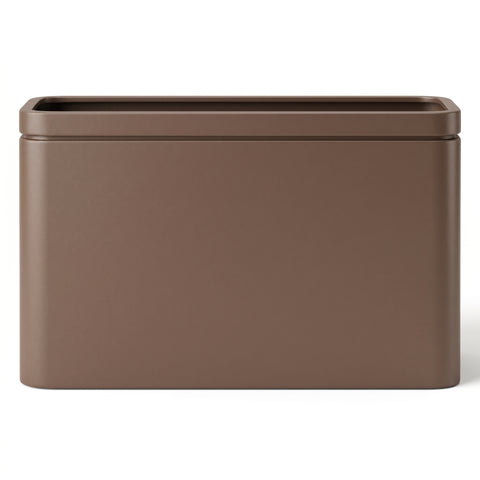
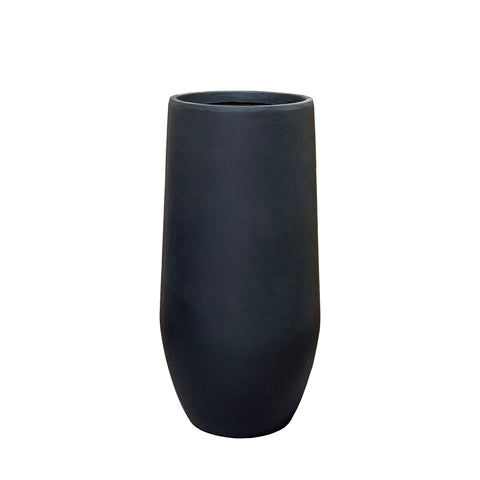
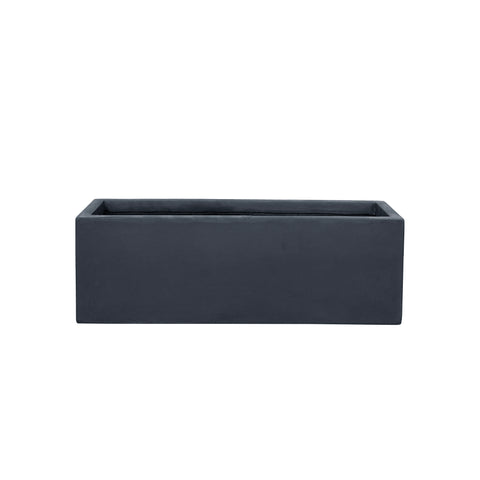
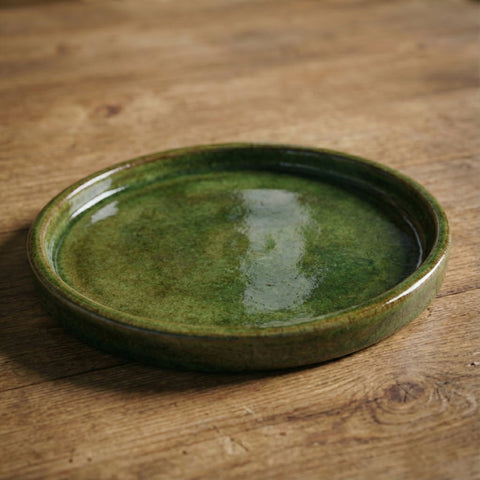
Olive trees need a quality planter that offers both stability and sufficient space for their roots. Ceramic planters are particularly recommended because:
- They are stable and heavy, preventing them from tipping over.
- They allow good root aeration.
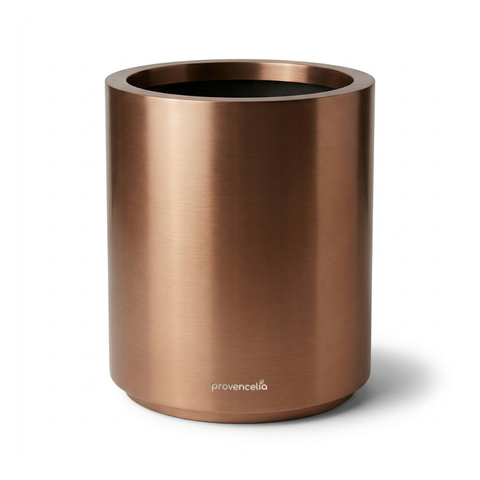
- Frost-resistant planters, such as those from Provencelia, make it possible to grow olive trees even in regions with cold winters.
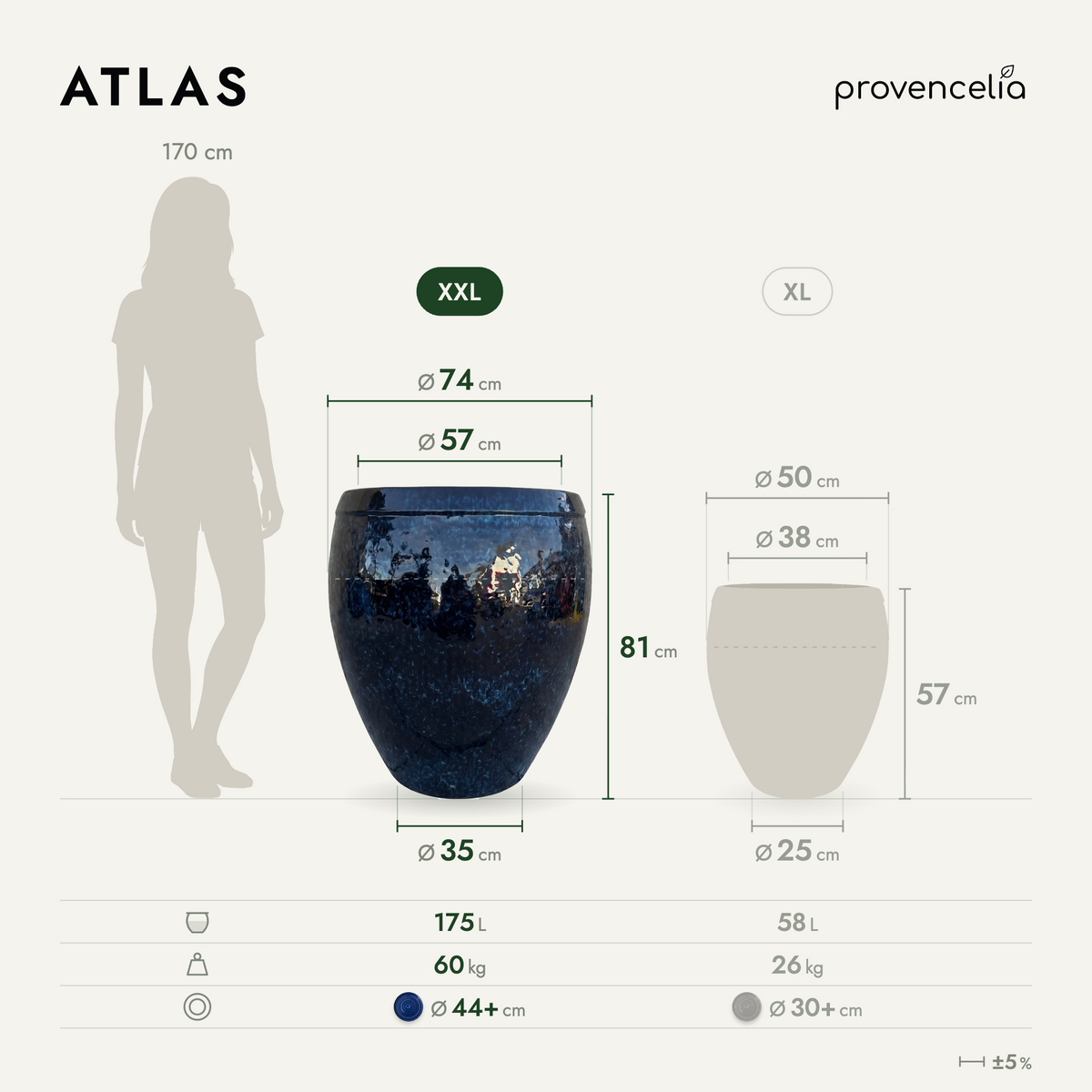
We recommend a planter with a diameter of at least 40 to 50 cm for young plants, then a larger planter as the olive tree grows.
3. Suitable growing medium and drainage
Olive trees require well-drained compost to prevent the roots from becoming waterlogged. Here is an ideal mix:
- 1 part garden soil
- 1 part sand or perlite
- 1 part quality compost
Place a drainage layer (for example, clay pebbles or small stones) at the bottom of the planter to allow excess water to drain away easily.
4. Position and care
Sunlight and warmth
Olive trees love sunlight. Place them where they will receive at least 6 to 8 hours of direct light per day. They tolerate drought well, but do not thrive in the shade.
Watering
Olive trees are adapted to dry conditions. It is therefore important not to overwater them. Water when the surface of the compost is dry, about once a week in summer and less frequently in winter.
Fertiliser
In spring and summer, add a potassium-rich fertiliser to encourage healthy growth and fruit formation. In winter, reduce fertiliser applications.
5. Overwintering
Olive trees can tolerate short periods of frost, but during prolonged low temperatures, it is best to move the planter to a sheltered place, such as:
- A conservatory
- A cool room with a temperature of around 5 to 10 °C
If you cannot move the plant, protect it by wrapping the planter and foliage with horticultural fleece.
6. Pruning and shaping
Olive trees tolerate pruning well, which helps maintain their compact shape. The best time to prune is spring. Remove damaged or unnecessary branches so that the canopy benefits from good light and air circulation.
7. Repotting
Repot young olive trees every 2 to 3 years, and older ones less frequently. Repotting should be done in spring, using a slightly larger planter each time.
8. Is fruit production possible?
Yes, olive trees grown in planters can produce fruit, but they need plenty of sunlight and regular fertiliser. The fruit generally ripens in autumn, but bear in mind that young plants only produce olives after a few years.
Conclusion
Growing an olive tree in a planter is a wonderful way to bring a Mediterranean touch to your home. With a quality planter, such as those from Provencelia, and suitable care, your olive tree can thrive even in colder climatic conditions. Not only will it enhance your space, but over time it may also offer you a harvest of home-grown olives!