

Potted herb garden: creating a successful arrangement
There is no need for a large garden to grow your own herbs. On a terrace, balcony or along a sunny façade, a few well-chosen planters are enough to create a truly fragrant kitchen garden, as useful in the kitchen as it is pleasing to look at. You simply need to know which plants to combine, which containers to use, and how to care for them so they thrive throughout the summer.
Why grow herbs in planters rather than in the ground
Growing herbs in planters offers two advantages. First, it is practical: planters can be placed near the kitchen, moved with the seasons, or grouped according to their water and light requirements. It is also aesthetically pleasing: a thoughtfully arranged selection of herbs, with its silvery foliage, soft greens and touches of lavender, dresses a terrace as beautifully as a flowering planter, while releasing its fragrance every time you pass by.
Which combinations to favour
The golden rule for creating a successful herb arrangement in a planter is to group plants according to their needs, rather than their culinary qualities alone. There are generally two families, each finding an ideal container in the Provencelia collections.
Mediterranean herbs, lovers of sun and dry conditions
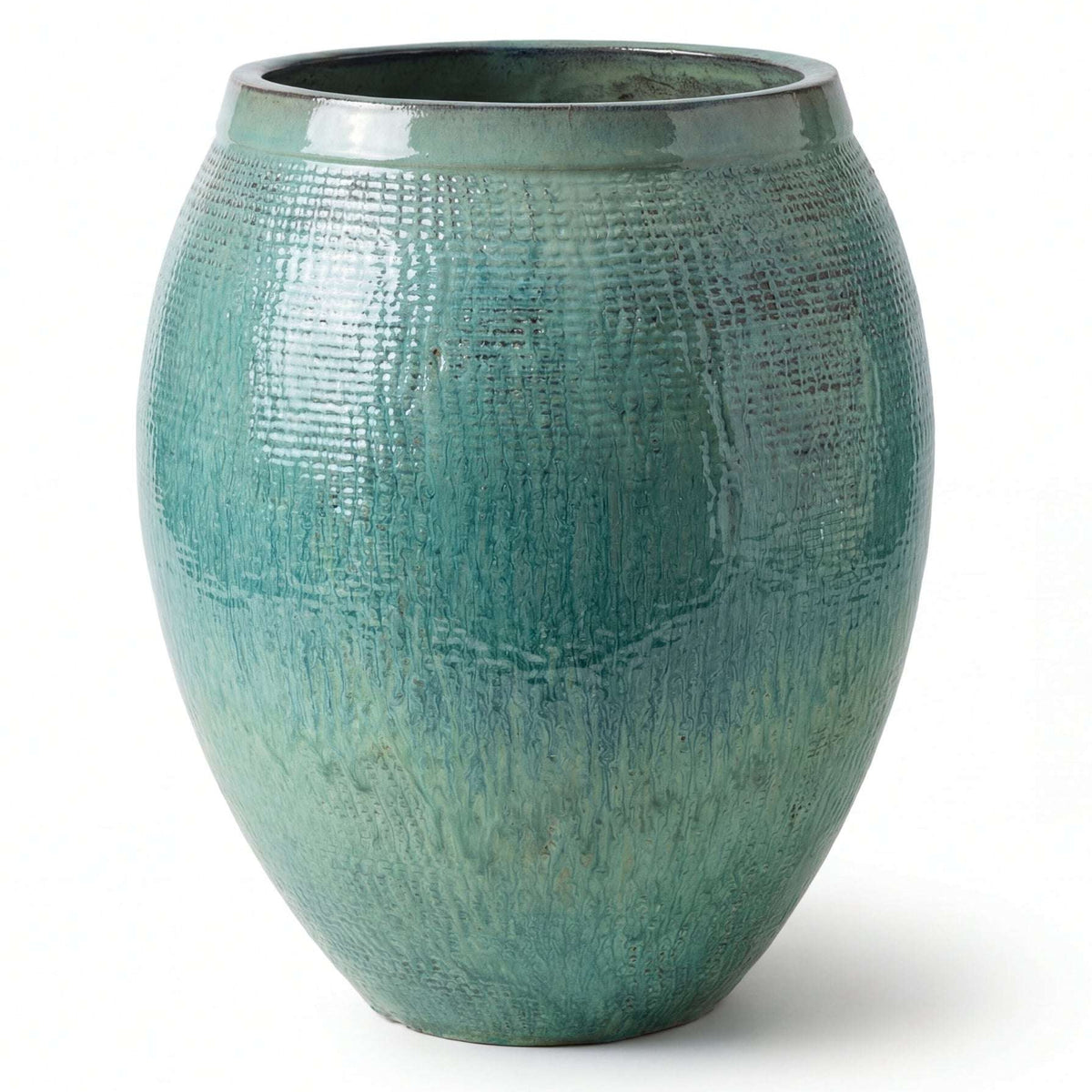
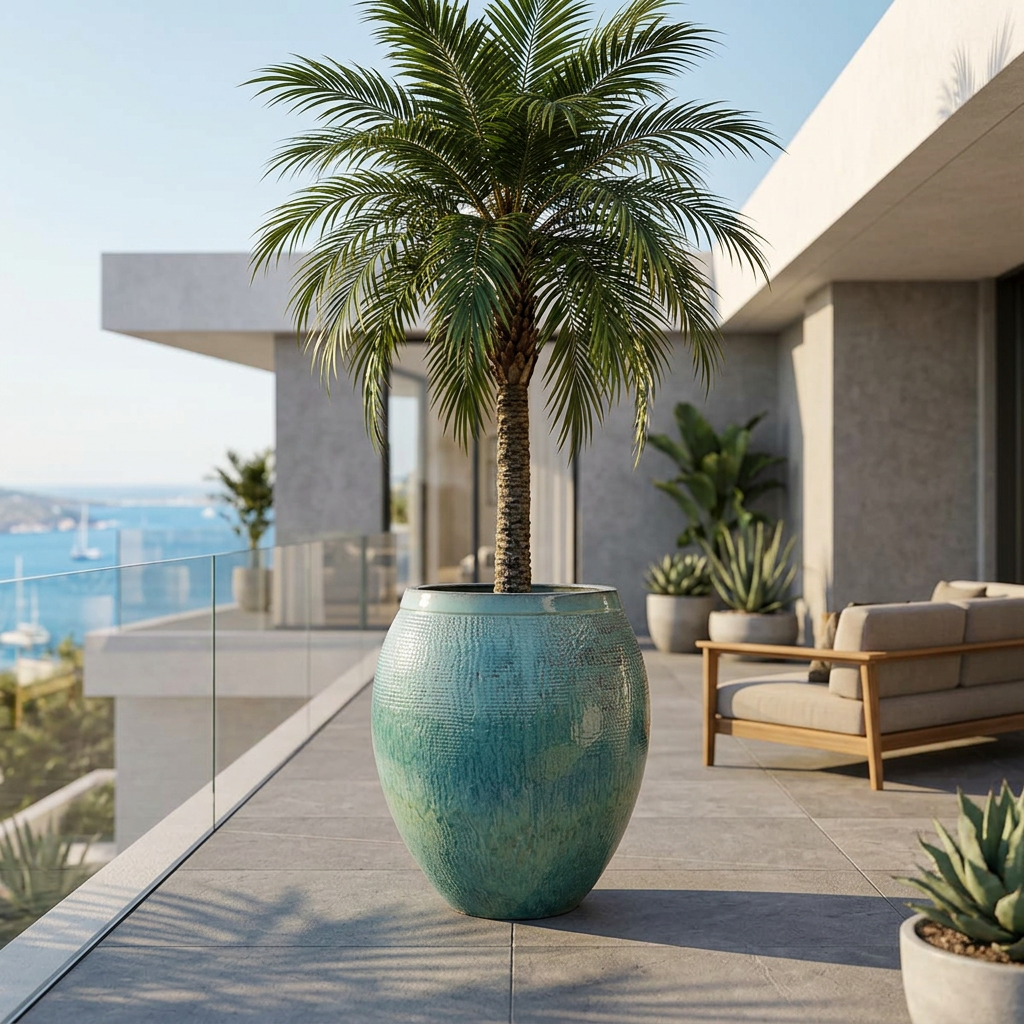
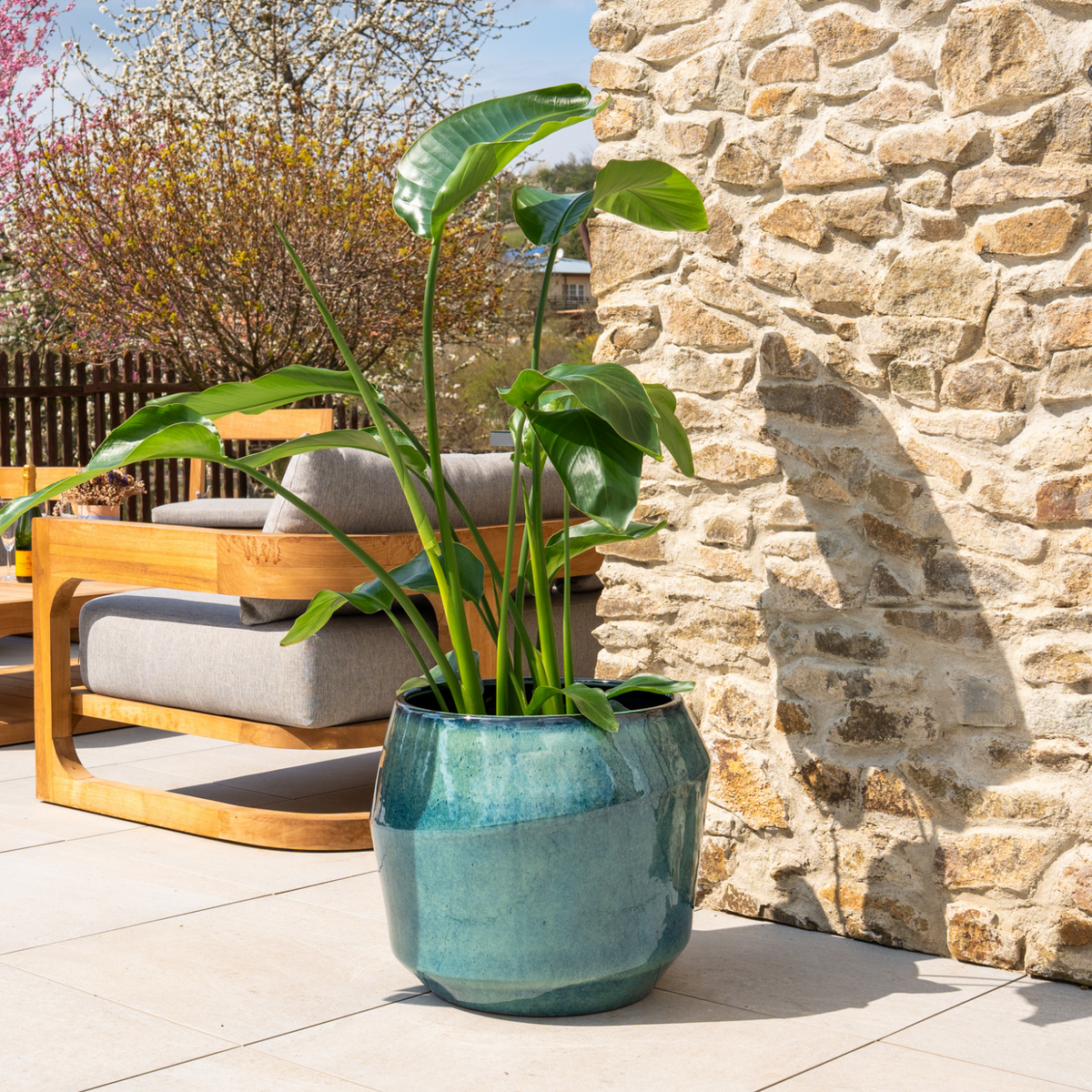
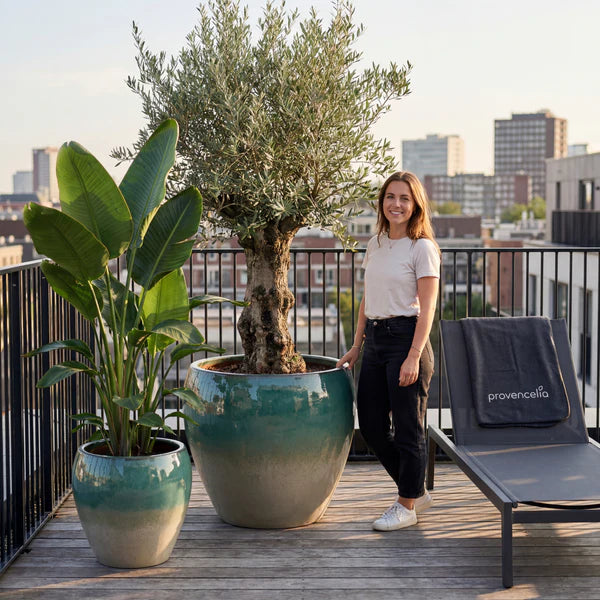
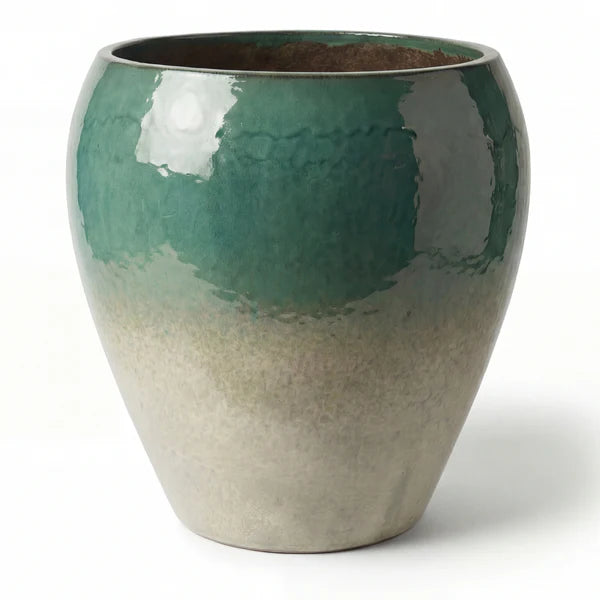
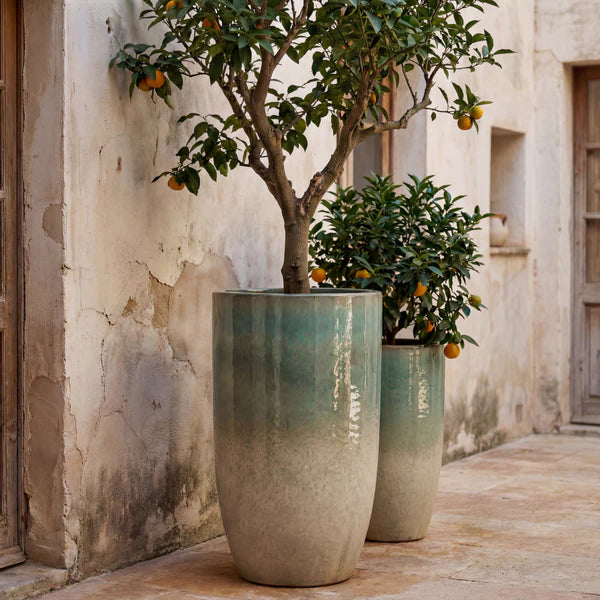
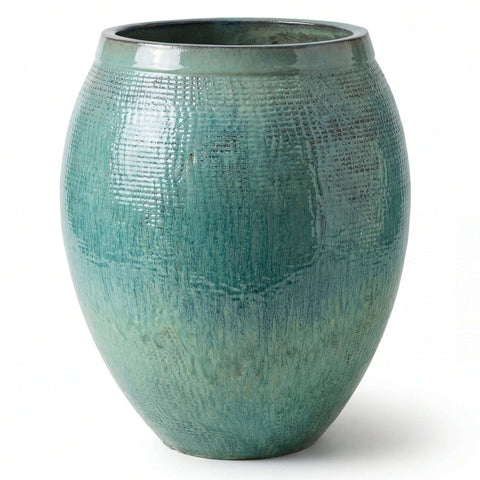
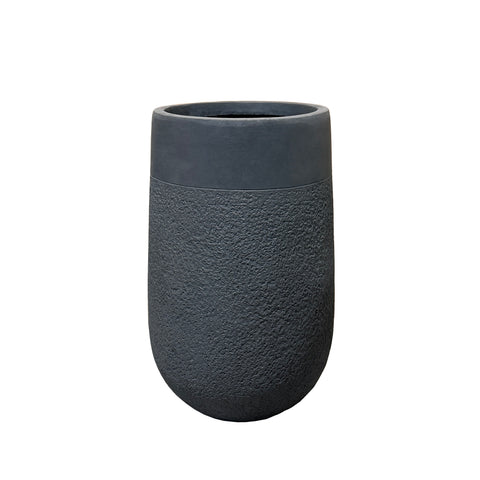
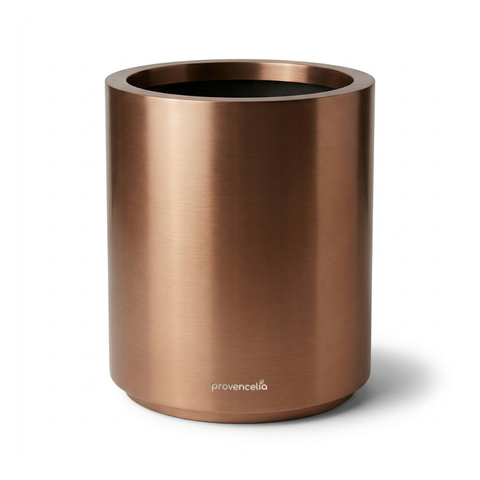
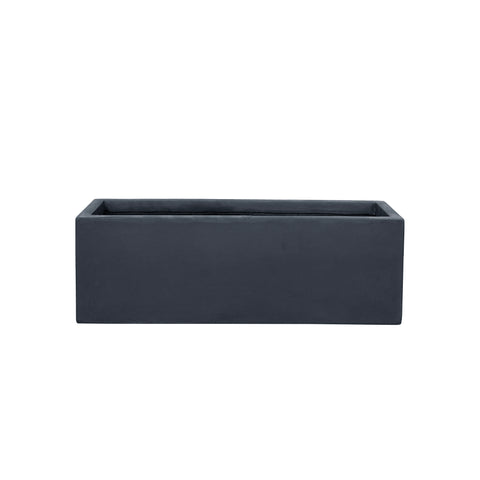
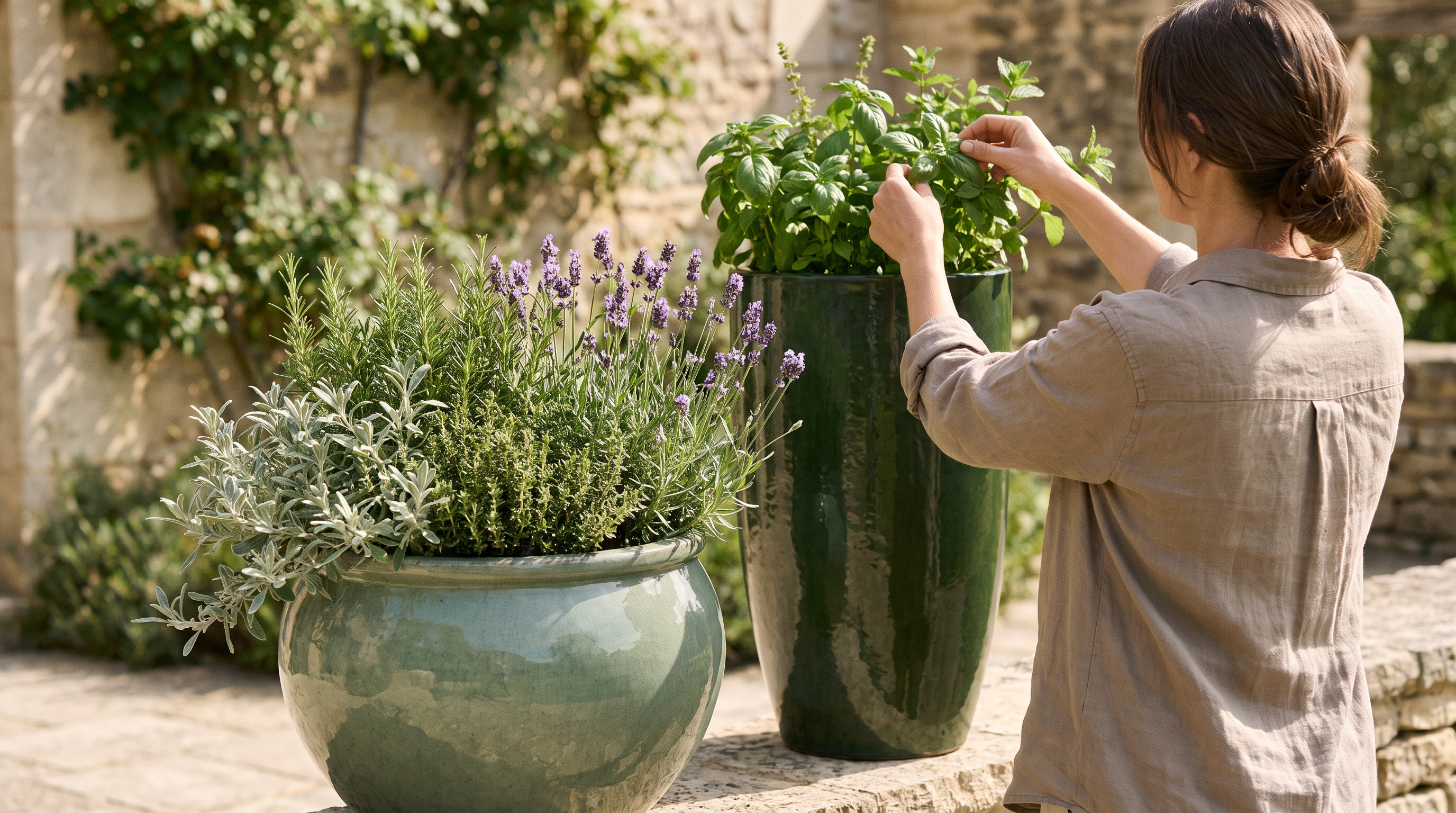
Rosemary, thyme, lavender, sage and oregano share the same requirements: full sun, infrequent watering and a very free-draining growing medium. They coexist perfectly in the same container, provided it offers enough surface area for each plant to develop its root system without competition. This is the great advantage of the Clovis planter (85x64 cm): its wide opening and generous diameter make it the ideal container for creating a true bed of Mediterranean herbs, with ample planting space for combining several species side by side rather than isolating them in scattered small planters.
Thirstier herbs, lovers of moisture
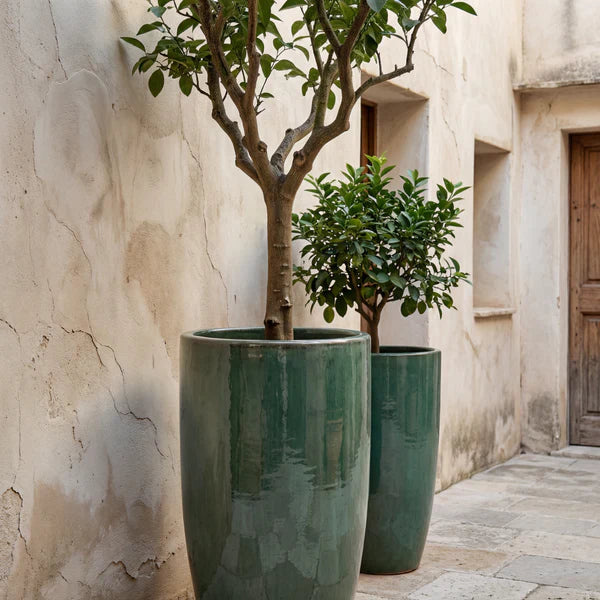
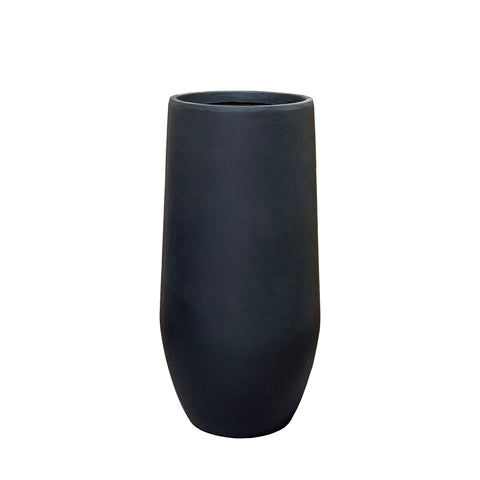
Basil, mint, parsley and chives, on the other hand, require more regular watering and tolerate partial shade in the height of summer. They are also the herbs you pick most often, when preparing a dish or passing through the terrace: it makes sense to place them within easy reach. With its slender silhouette, the Eiffel planter (47x92 cm) naturally raises the foliage to a comfortable height, without the need to bend down to pick a few basil or mint leaves. Mint in particular is always best kept in its own planter: its highly invasive root system quickly colonises any shared container.
Creating a visually appealing fragrant kitchen garden
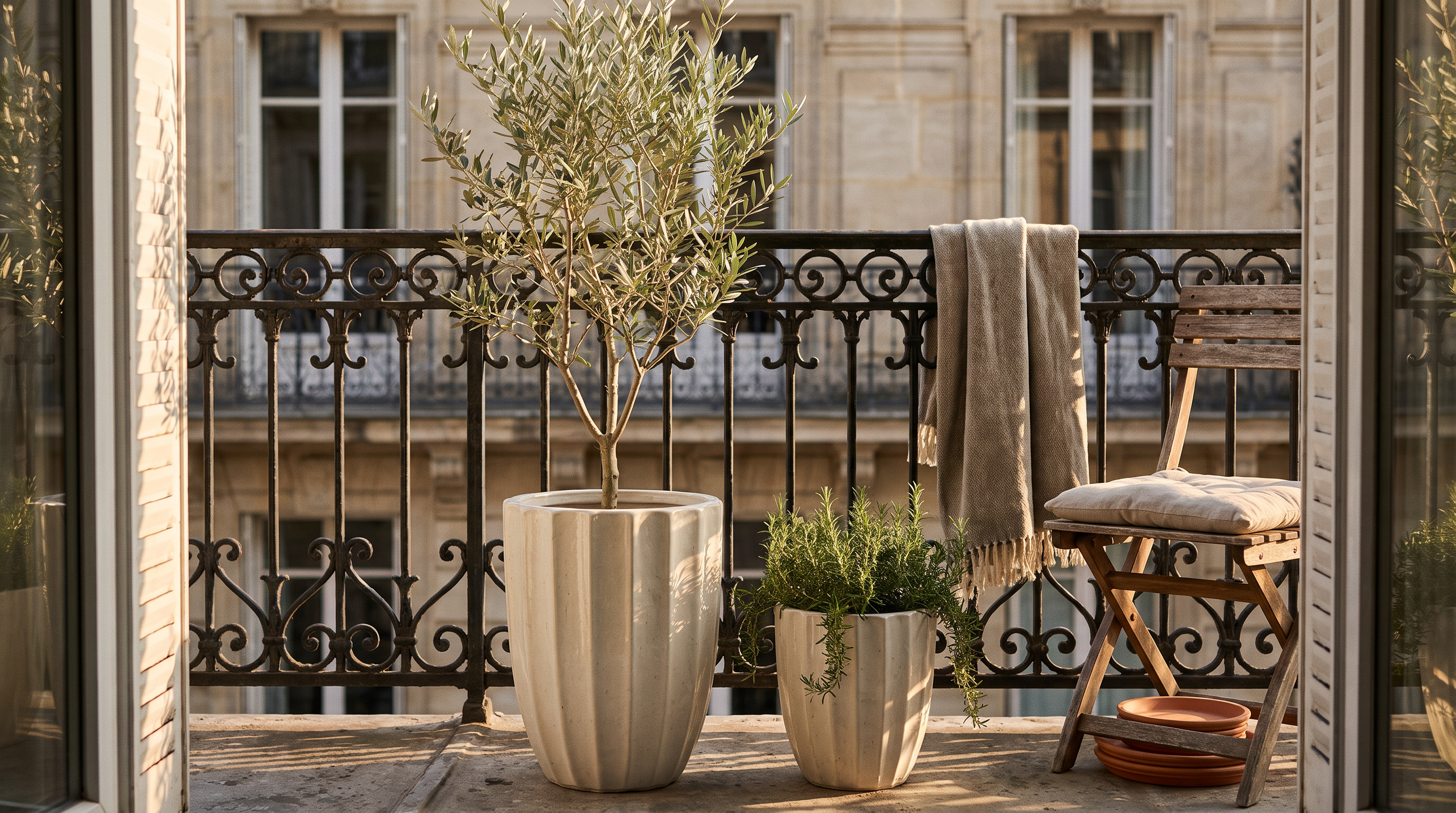
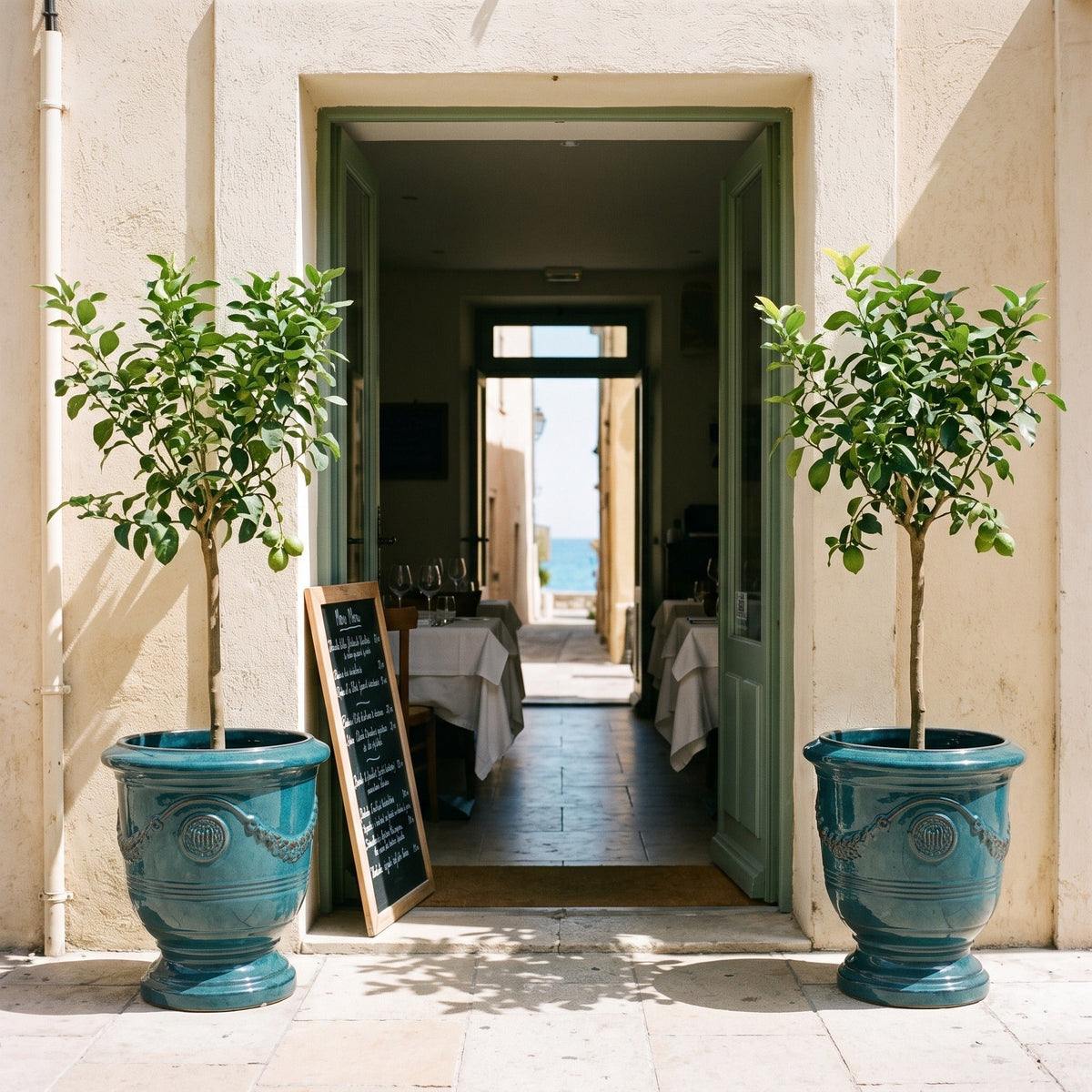
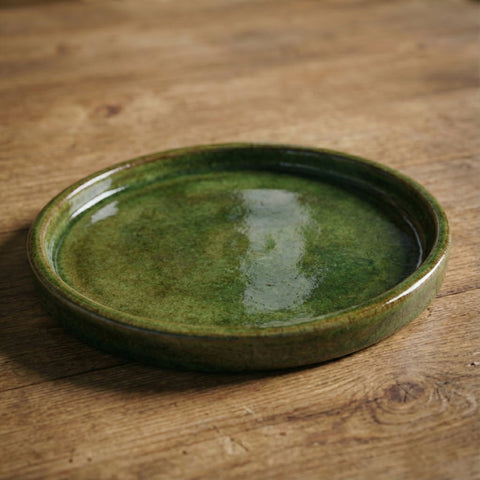
An herb garden does not have to sacrifice aesthetics for practicality. By varying the heights and volumes of the planters, you can create an arrangement as carefully composed as a purely decorative display. Placed on the ground with its bed of rosemary and lavender, the large Clovis anchors the arrangement with its width; positioned beside it or on a low wall, the Eiffel adds verticality while keeping basil and mint effortlessly accessible. A few matching saucers slipped beneath each piece protect the terrace tiles or stone and beautifully complete the ensemble.
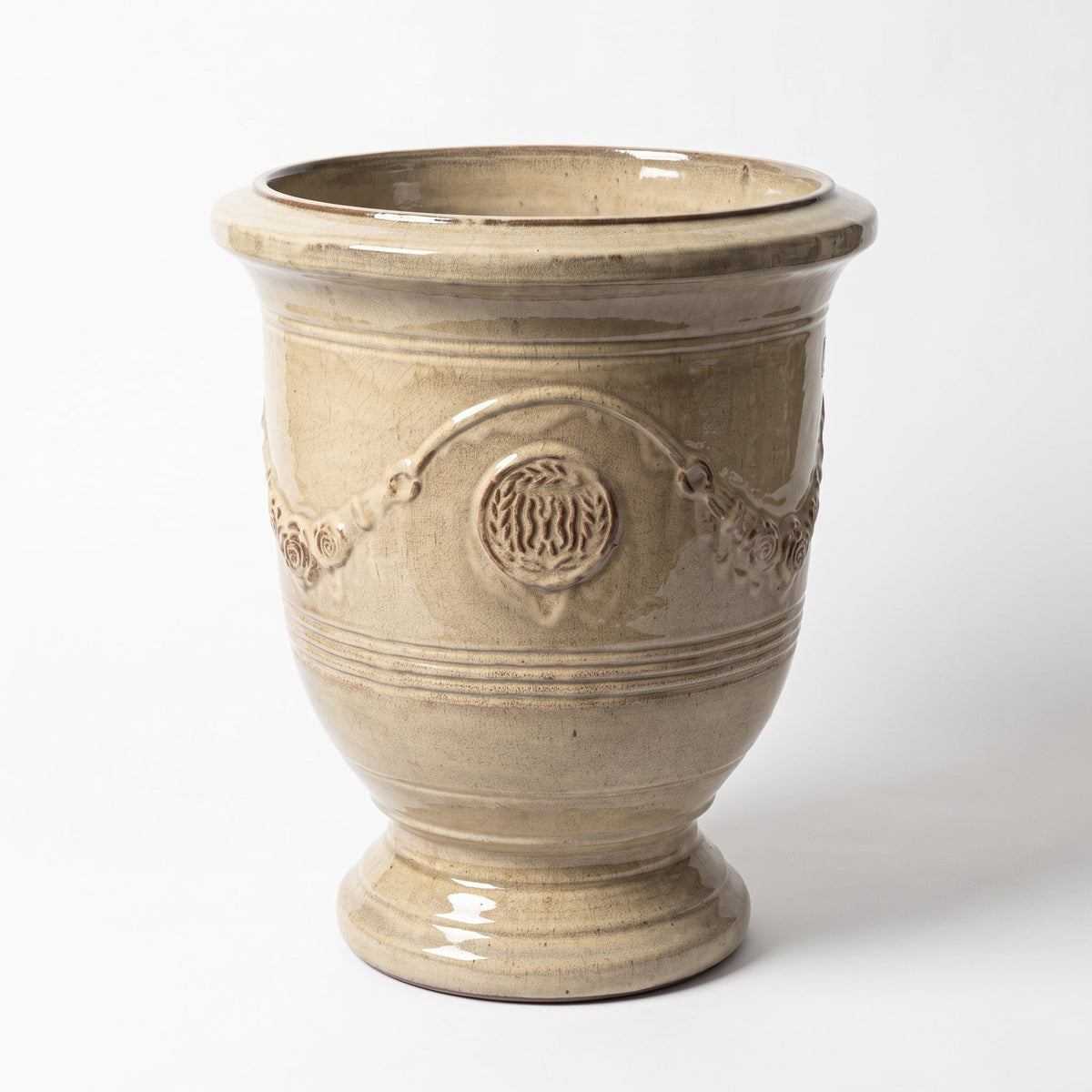
The natural tones of glazed ceramic pair particularly well with the silvery foliage of lavender and rosemary, without ever competing with the colours of the surrounding flowers.
Care: the steps that make all the difference
A few simple habits are enough to keep a planter herb garden thriving all summer:
Drainage above all else: a layer of clay pebbles or gravel at the bottom of the planter prevents water from stagnating around the roots, an especially critical point for Mediterranean species planted in a large volume such as the Clovis.
Regular pruning: regularly pinching basil and mint encourages bushy rather than straggly growth, while delaying flowering.
Watering adapted to each family: it is better to water Mediterranean herbs generously but less often, and thirstier herbs more frequently but moderately.
Repotting every two to three years for perennials such as rosemary or lavender, which eventually run out of space even in a generously sized container.
Create your own herb corner
Whether you have a wide windowsill or a proper terrace, a planter herb garden is built gradually, plant by plant and planter by planter. The frost-resistant and heat-resistant glazed ceramic Provencelia collections, including the Clovis and Eiffel models, offer the ideal setting for establishing these herbs permanently, season after season.
Discover our glazed ceramic planters and saucers at provencelia.com to create your own herb corner, combining practicality and decoration.