

Which roses can you grow in planters, and how do you care for them?
A potted rose is a revisited classic. It blooms from May to October, scents the terrace and is more resilient than you might think, provided you choose the right variety, a sufficiently large planter and know how to protect it in winter.
1. Varieties suited to planters
Not all roses are suitable. Choose compact varieties:
- English roses (David Austin): compact, long-flowering, fragrant
- Ground-cover roses: low-growing, resilient
- Miniature roses: up to 50 cm
- Polyanthas and floribundas: abundant flowering
Avoid: climbing roses and varieties over 1.5 m.
2. Position
Full sun, at least 6 hours a day, in an airy spot (to prevent disease). Avoid draughts and places where morning dew remains on the leaves for a long time.
3. Planter size
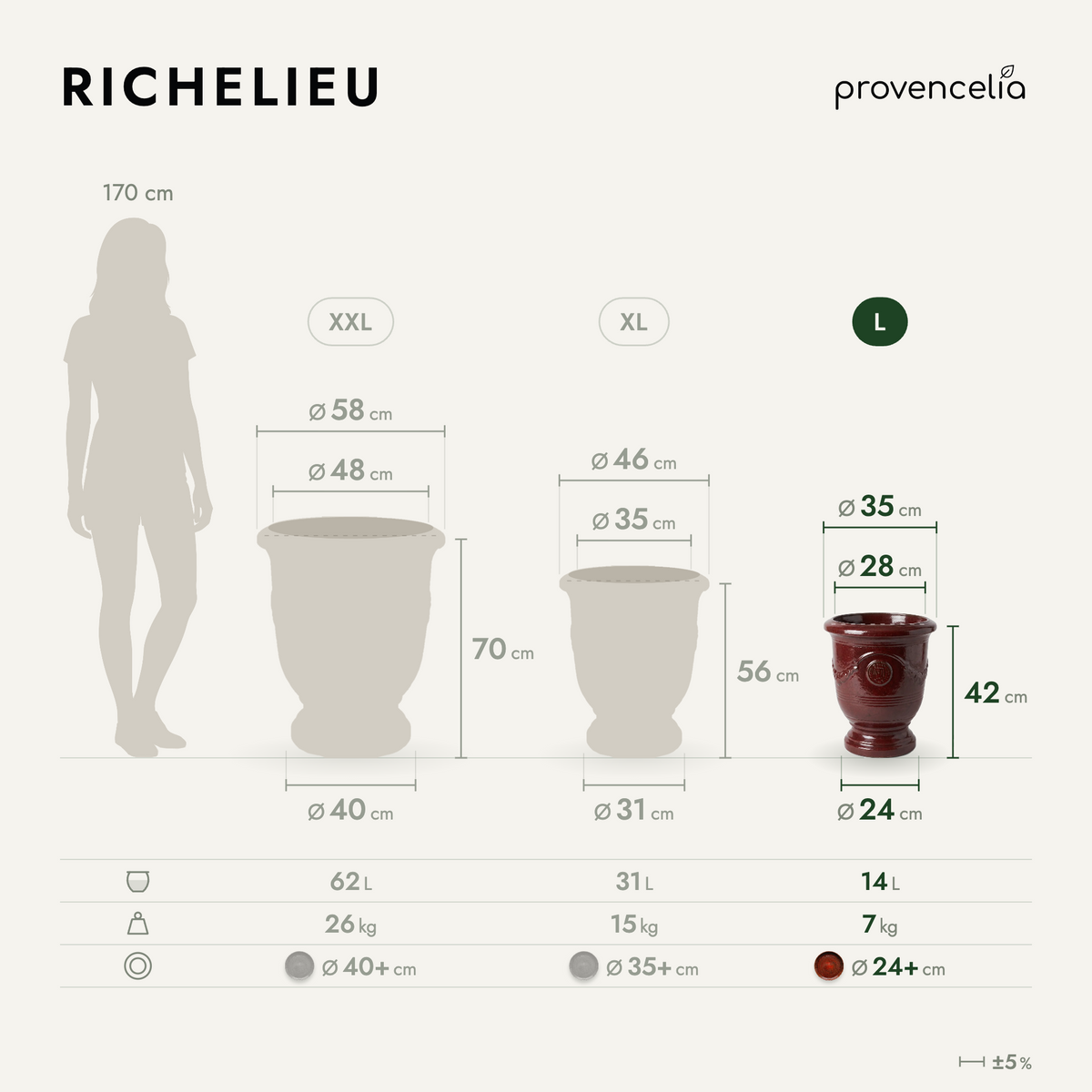
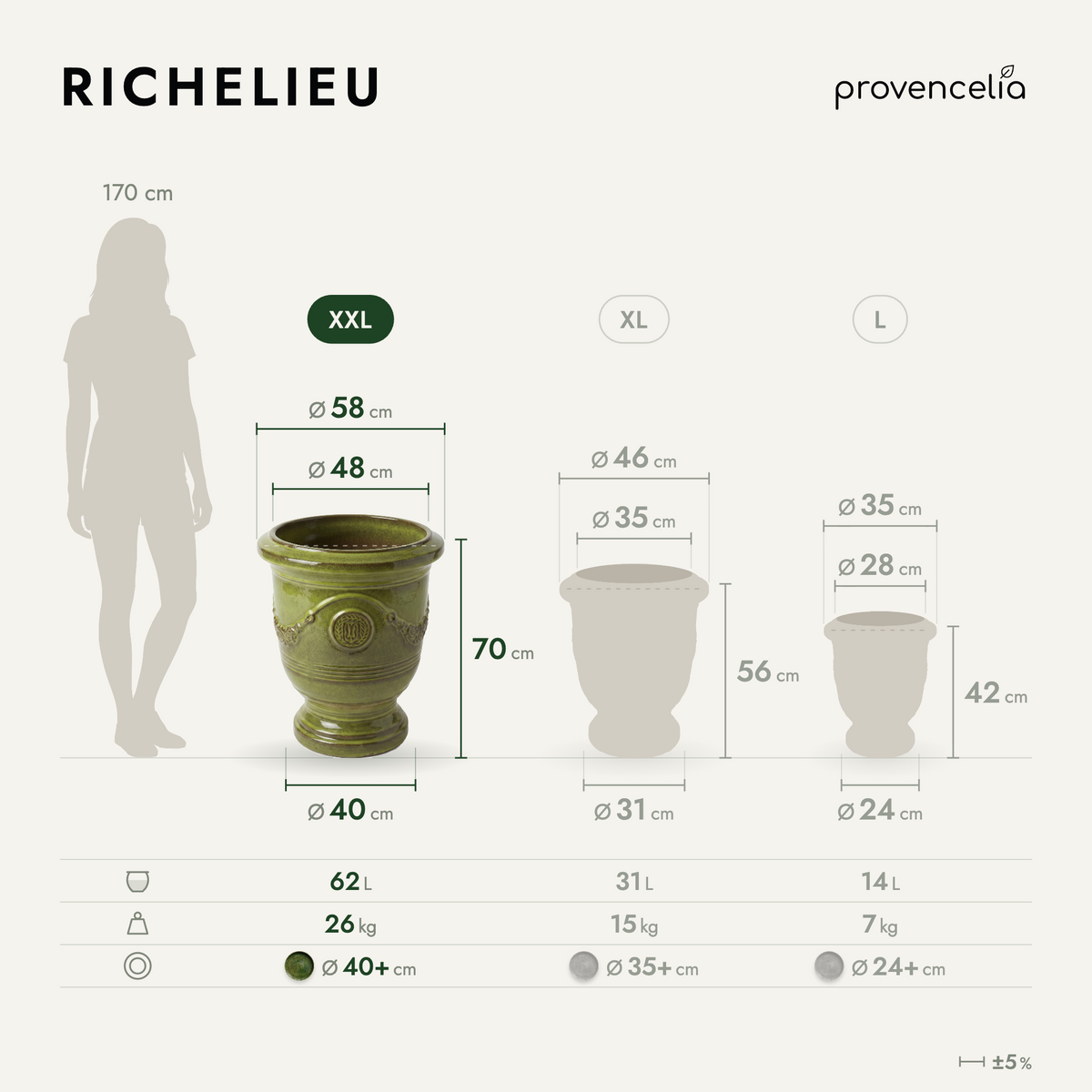
- Miniatures and ground-cover roses: 30 to 35 cm
- English roses, polyanthas: 40 to 50 cm
- Standard roses: 50 to 60 cm
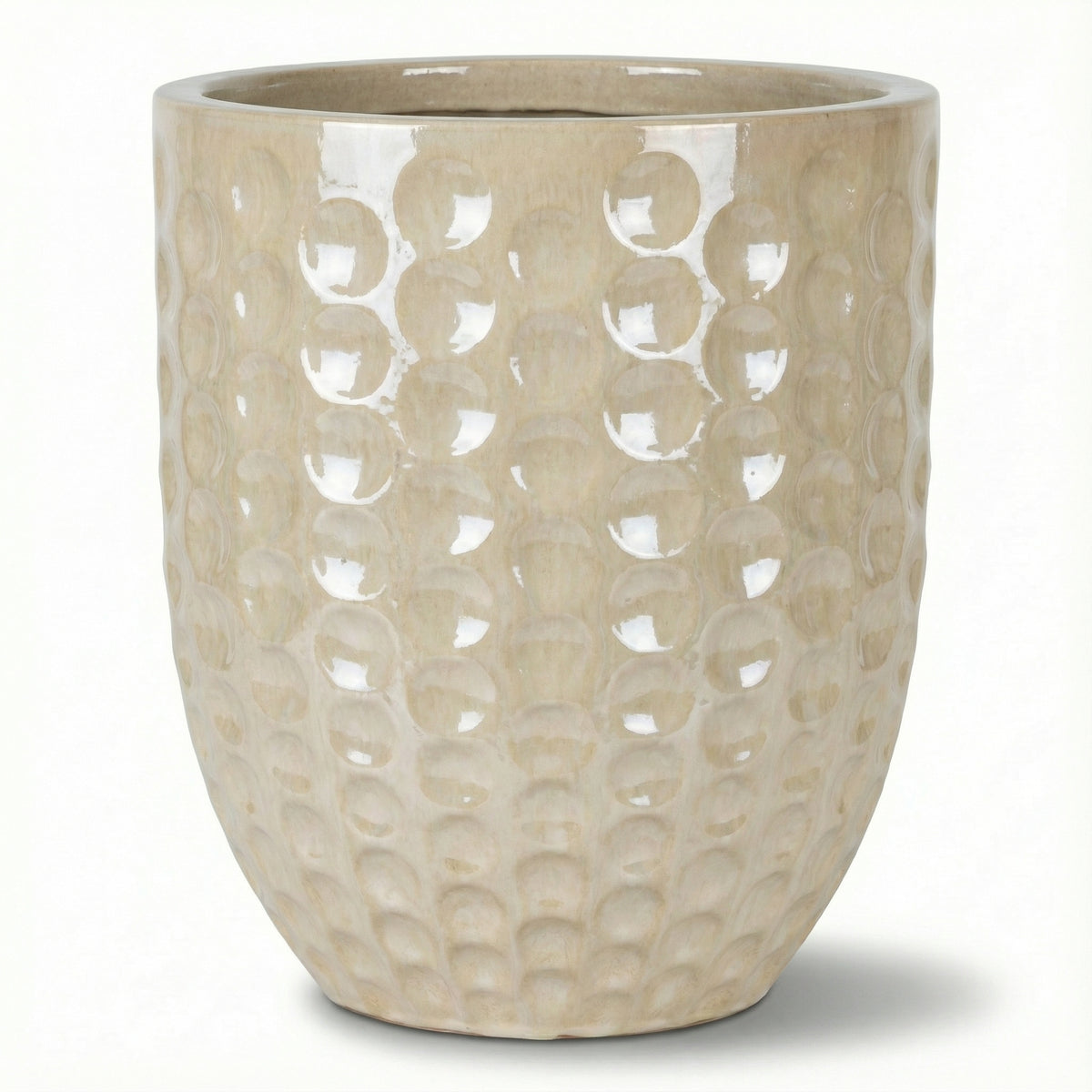
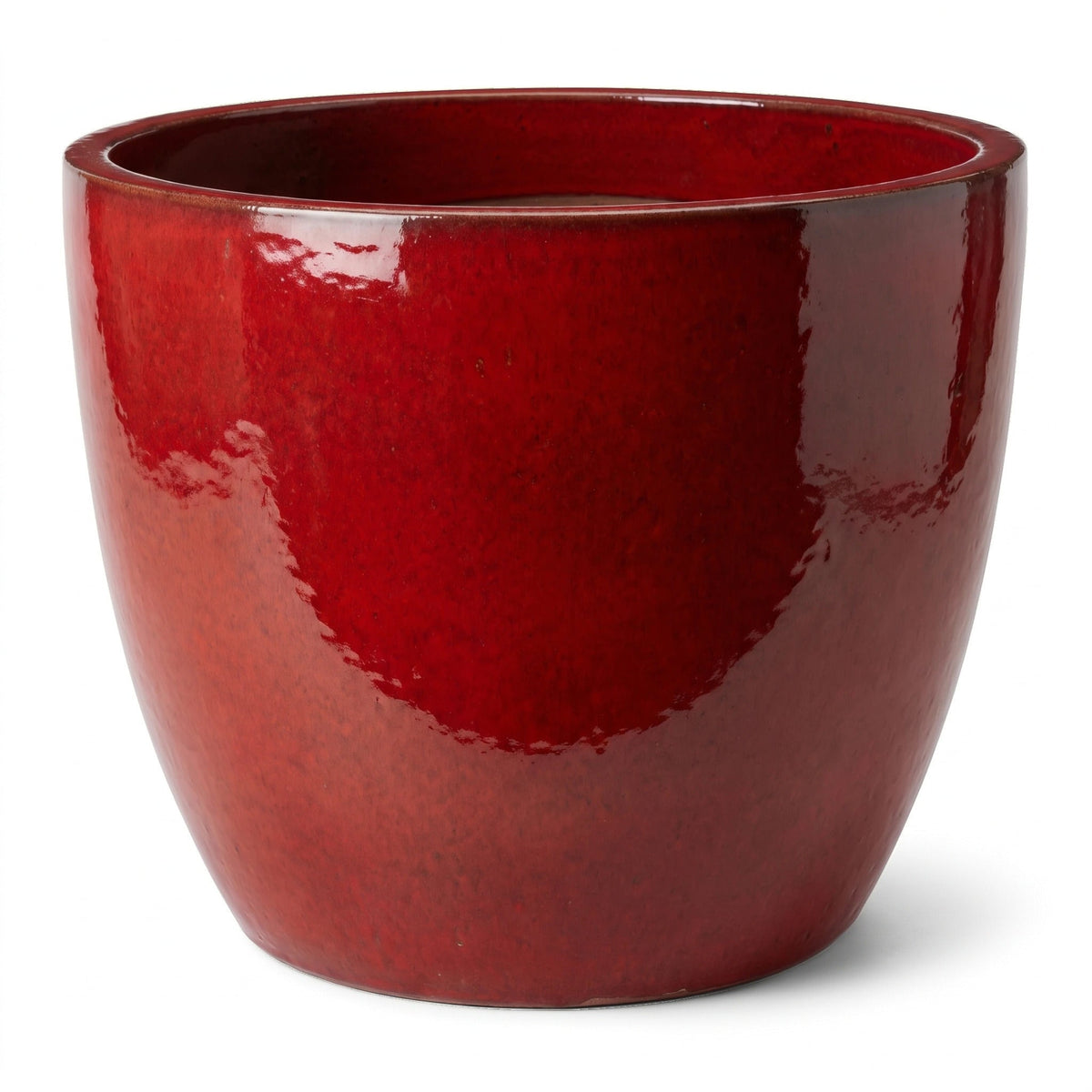
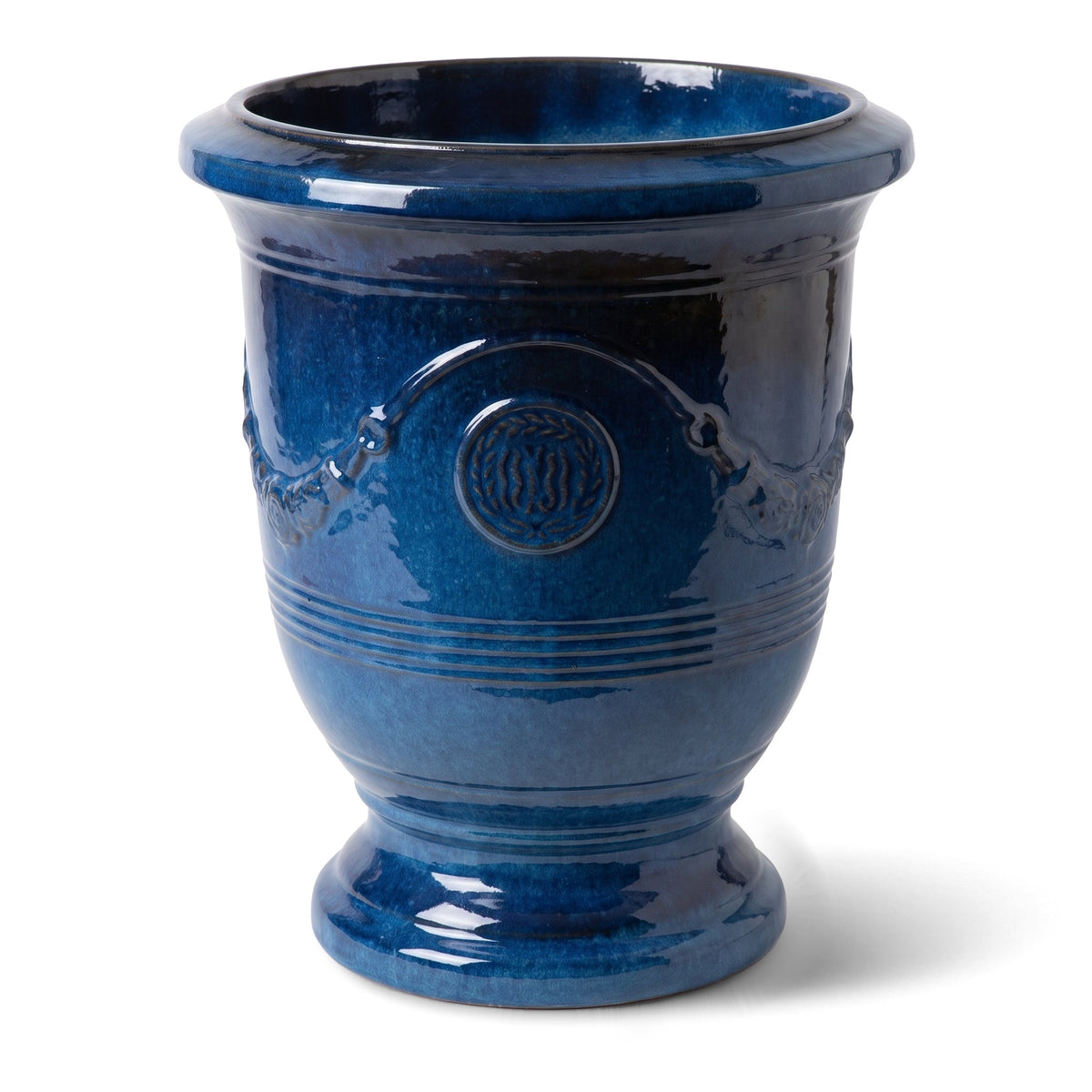
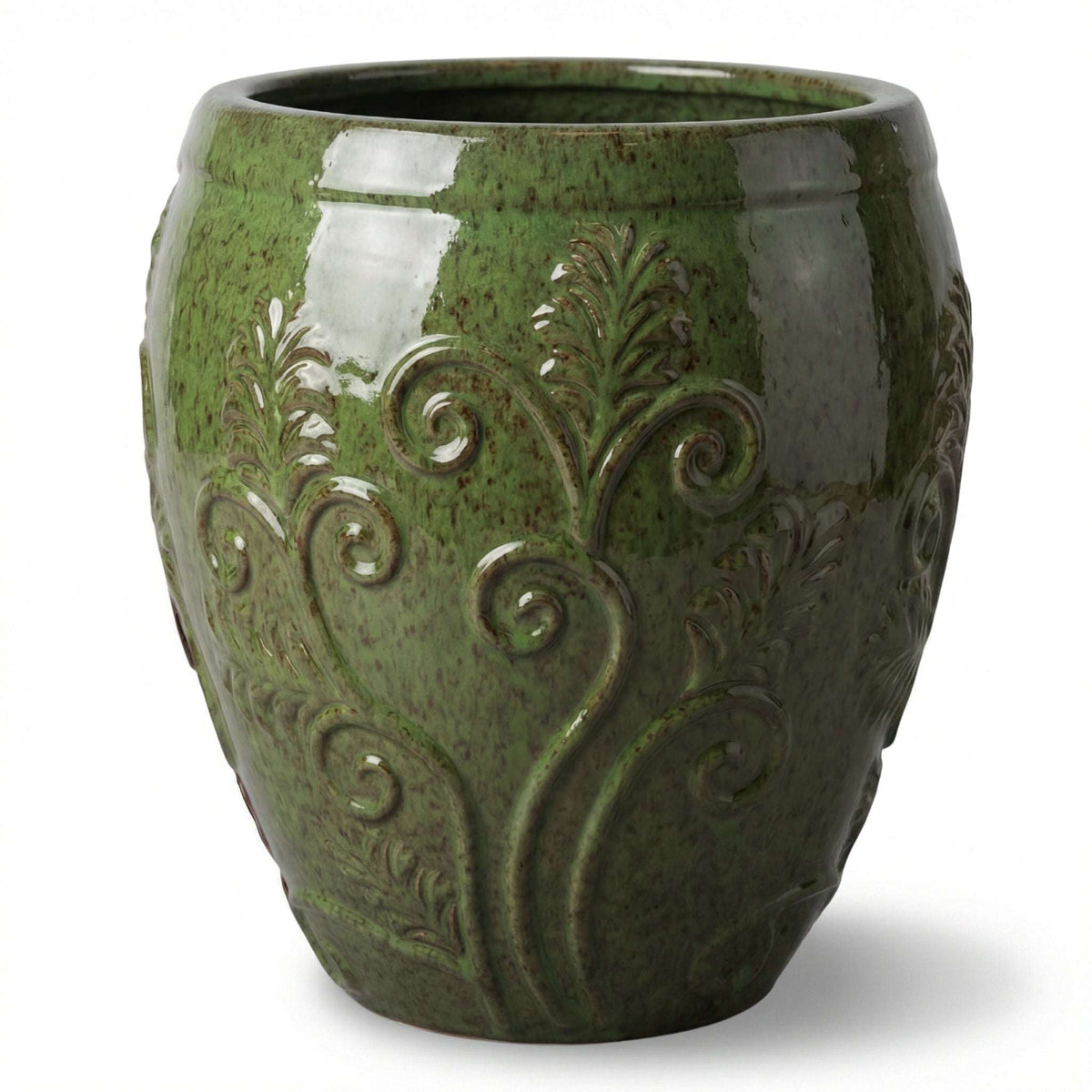
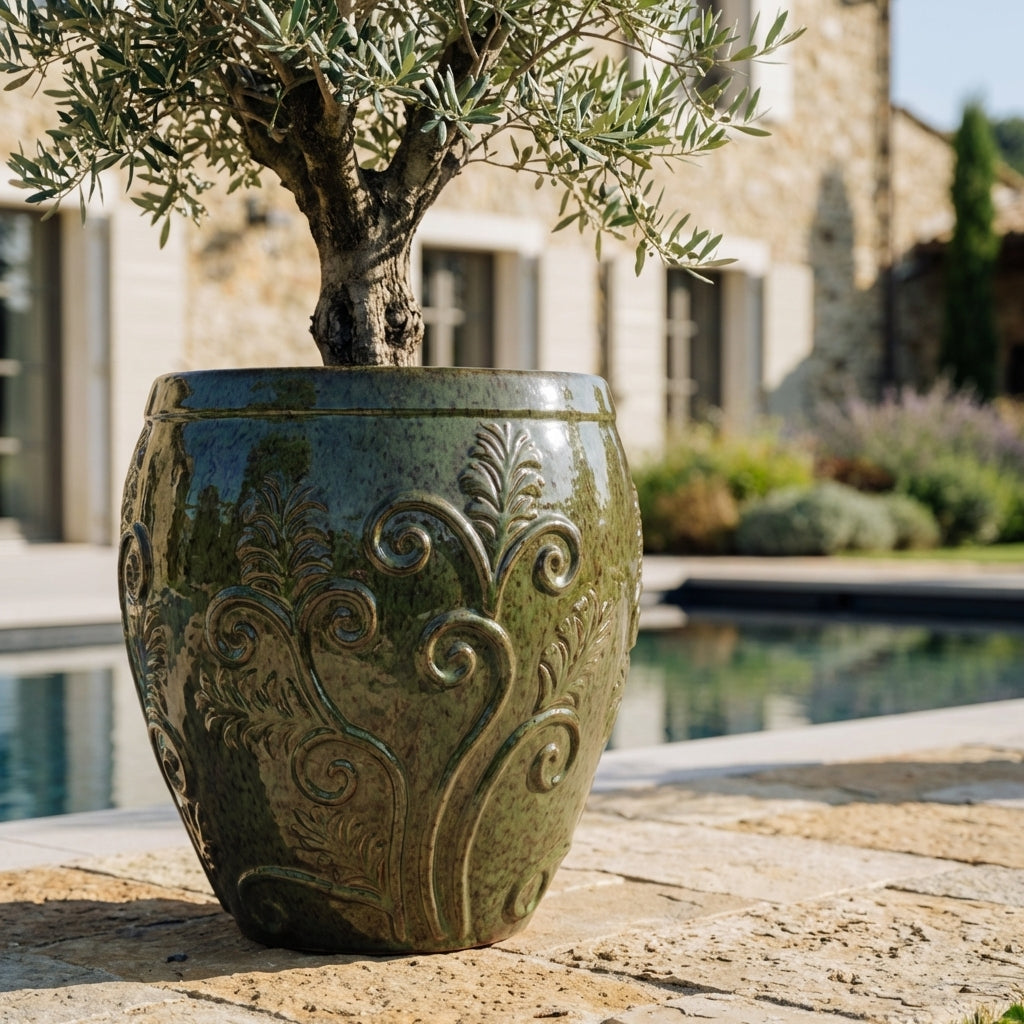
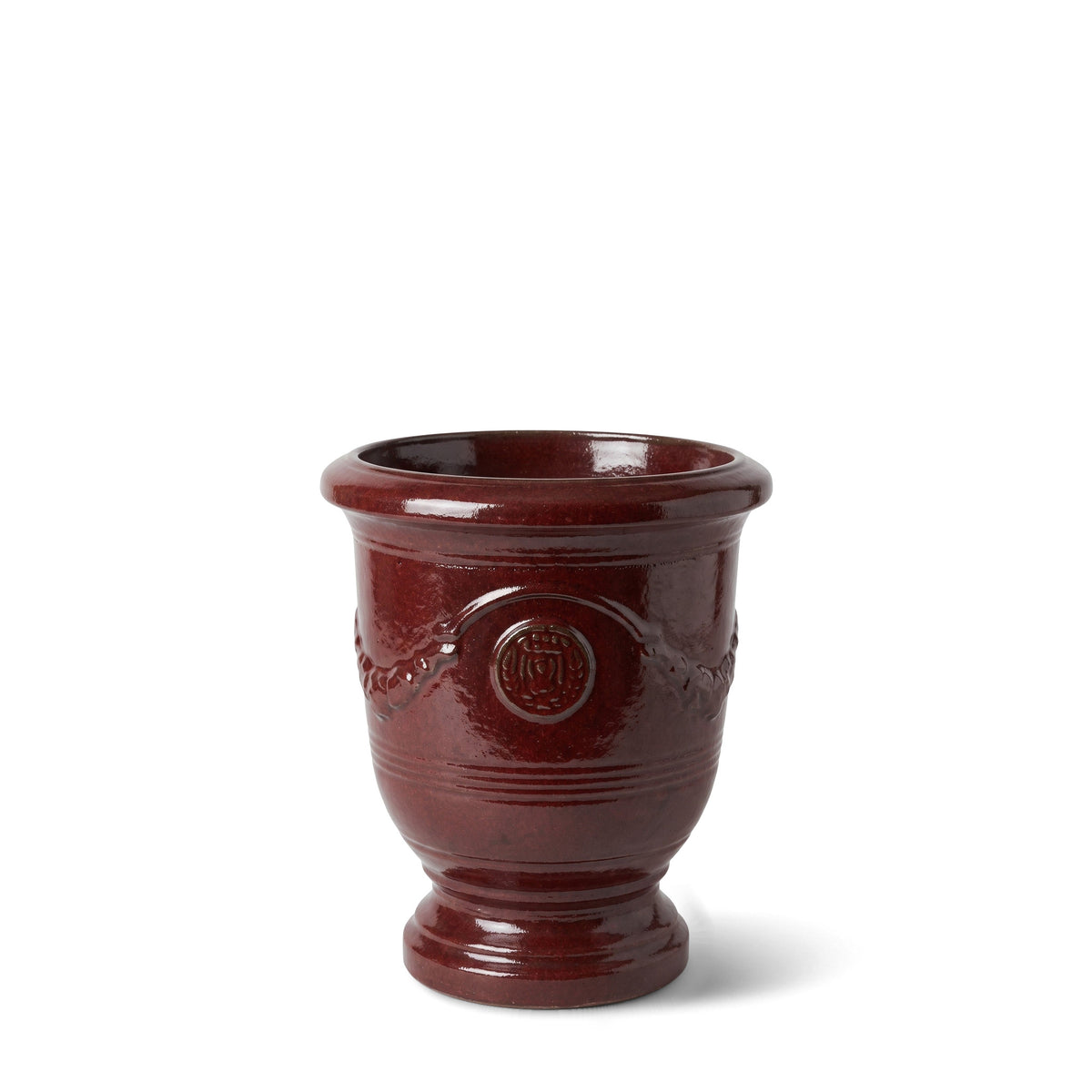
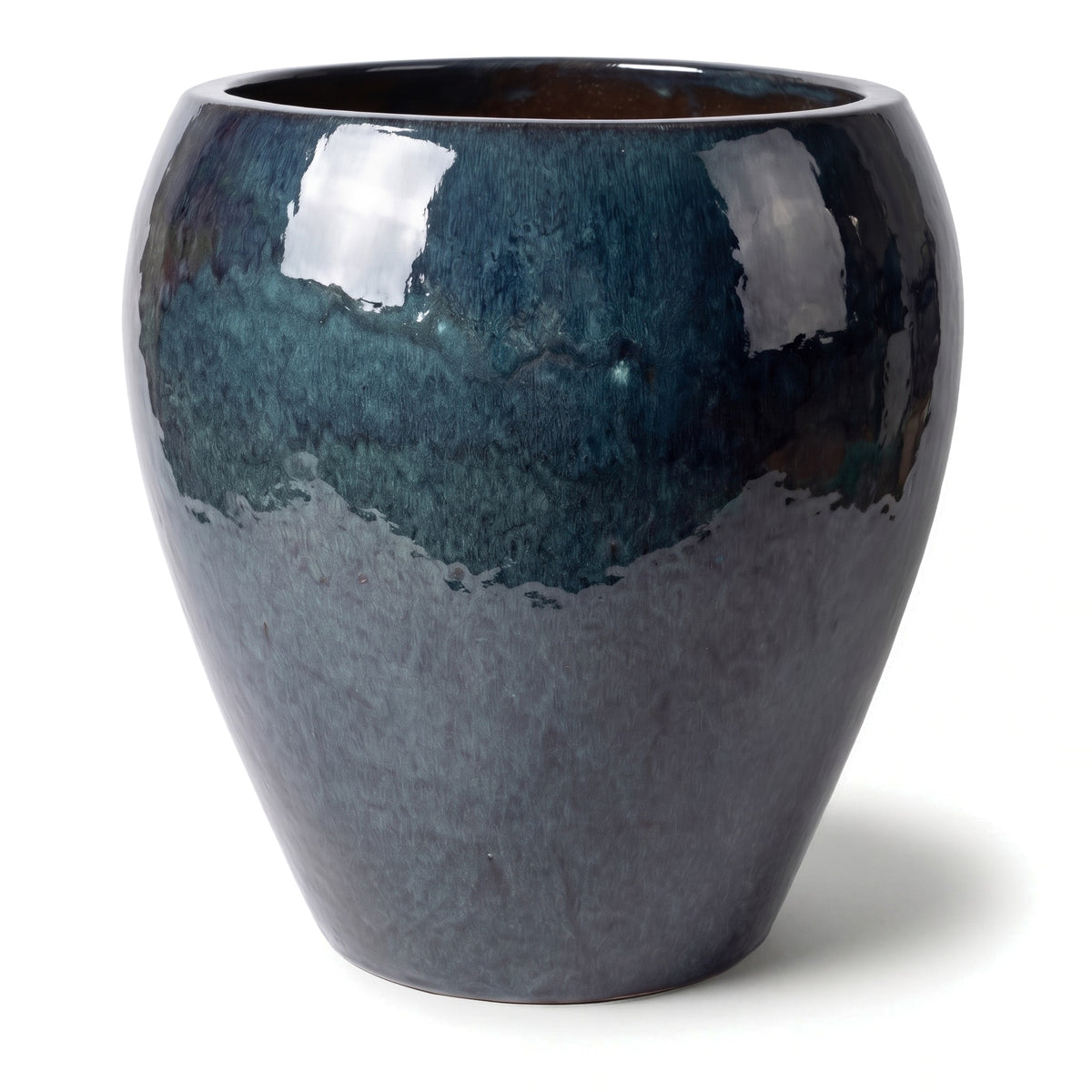
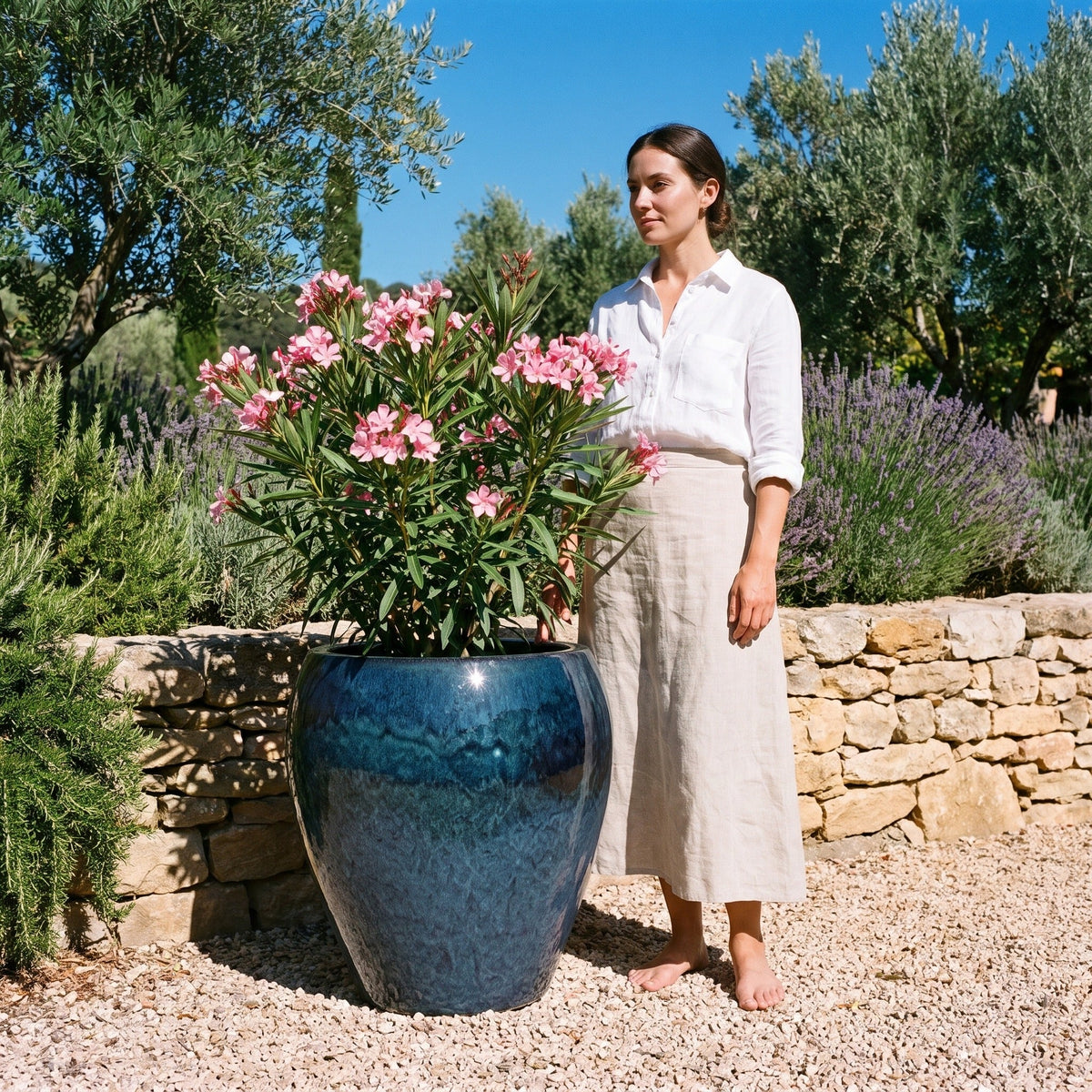
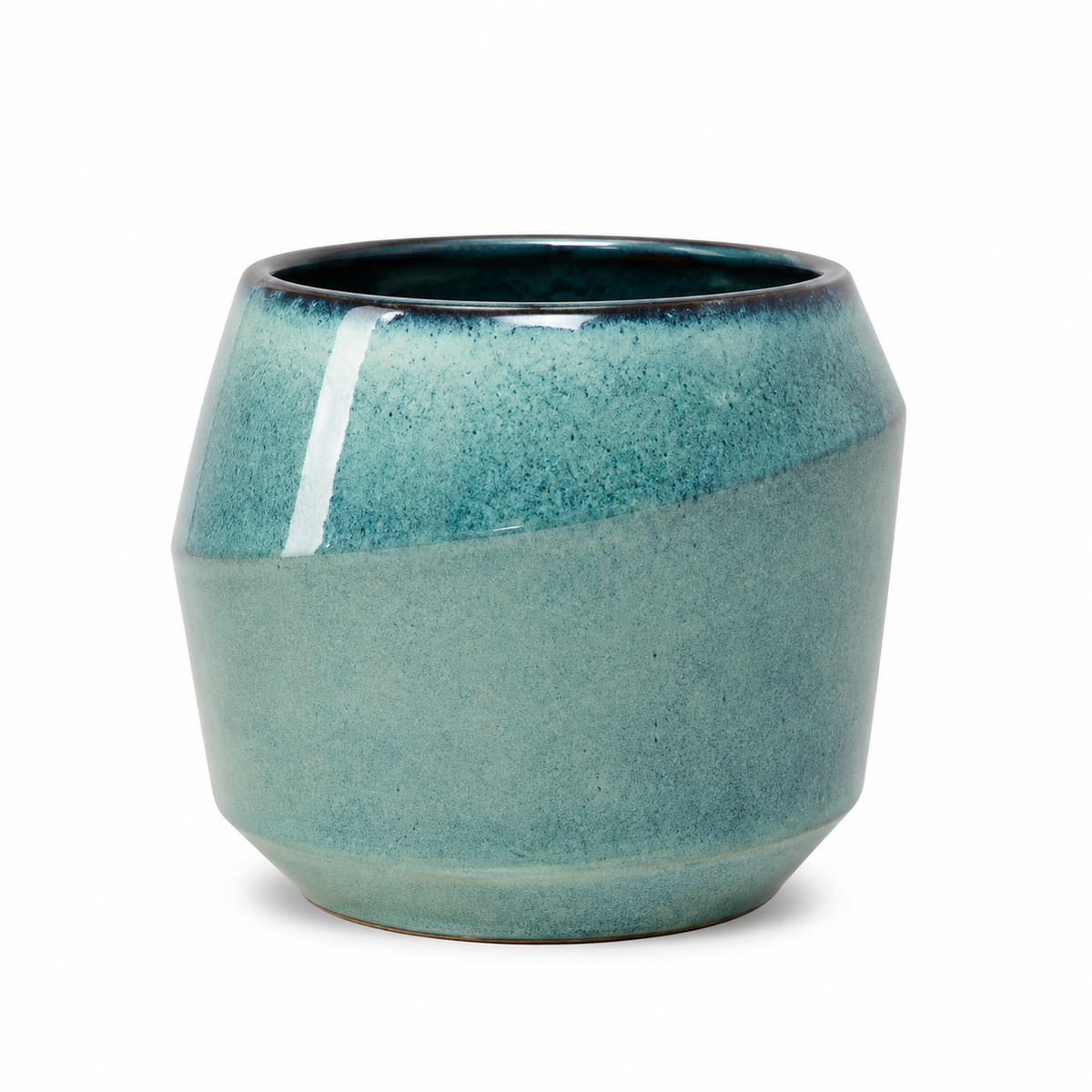
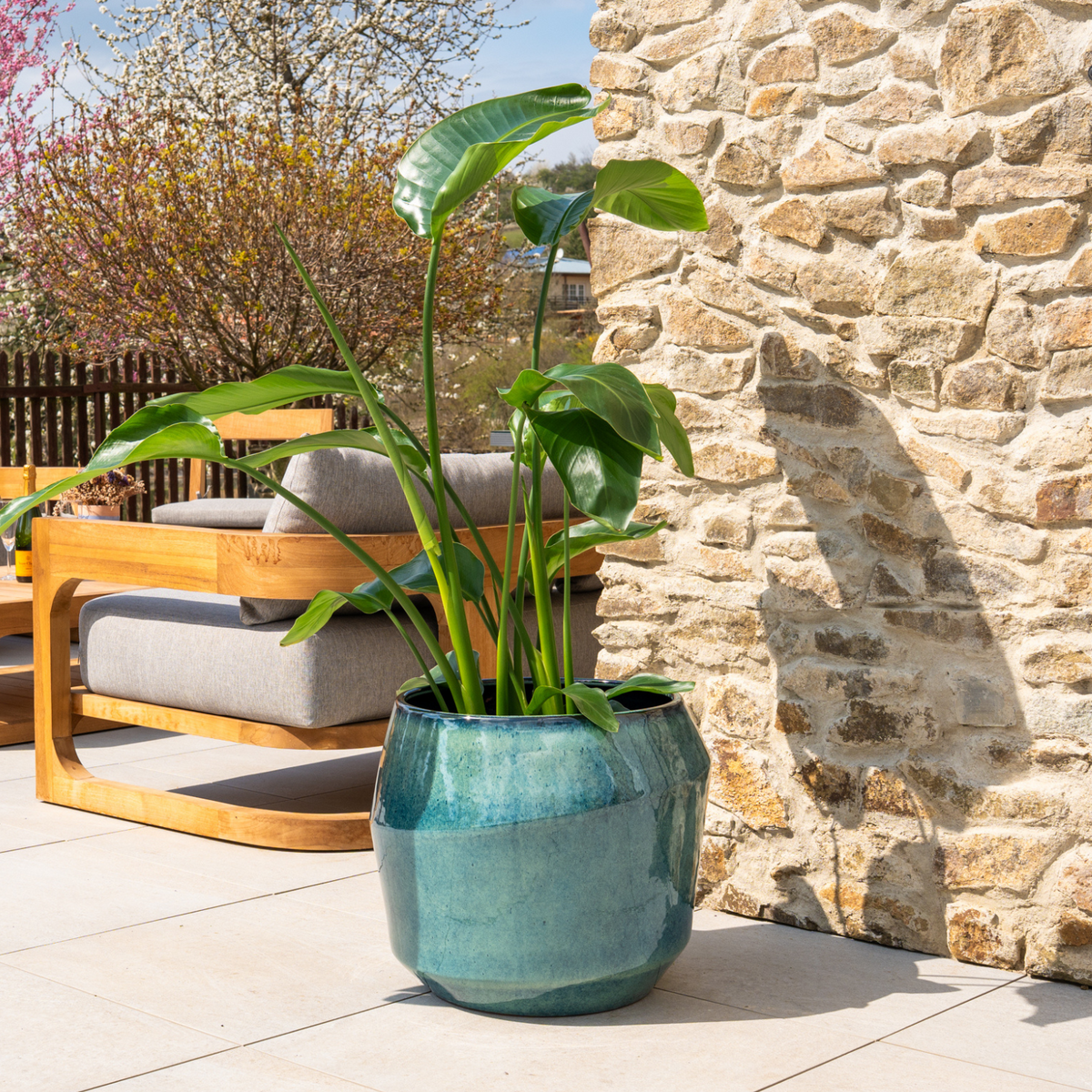
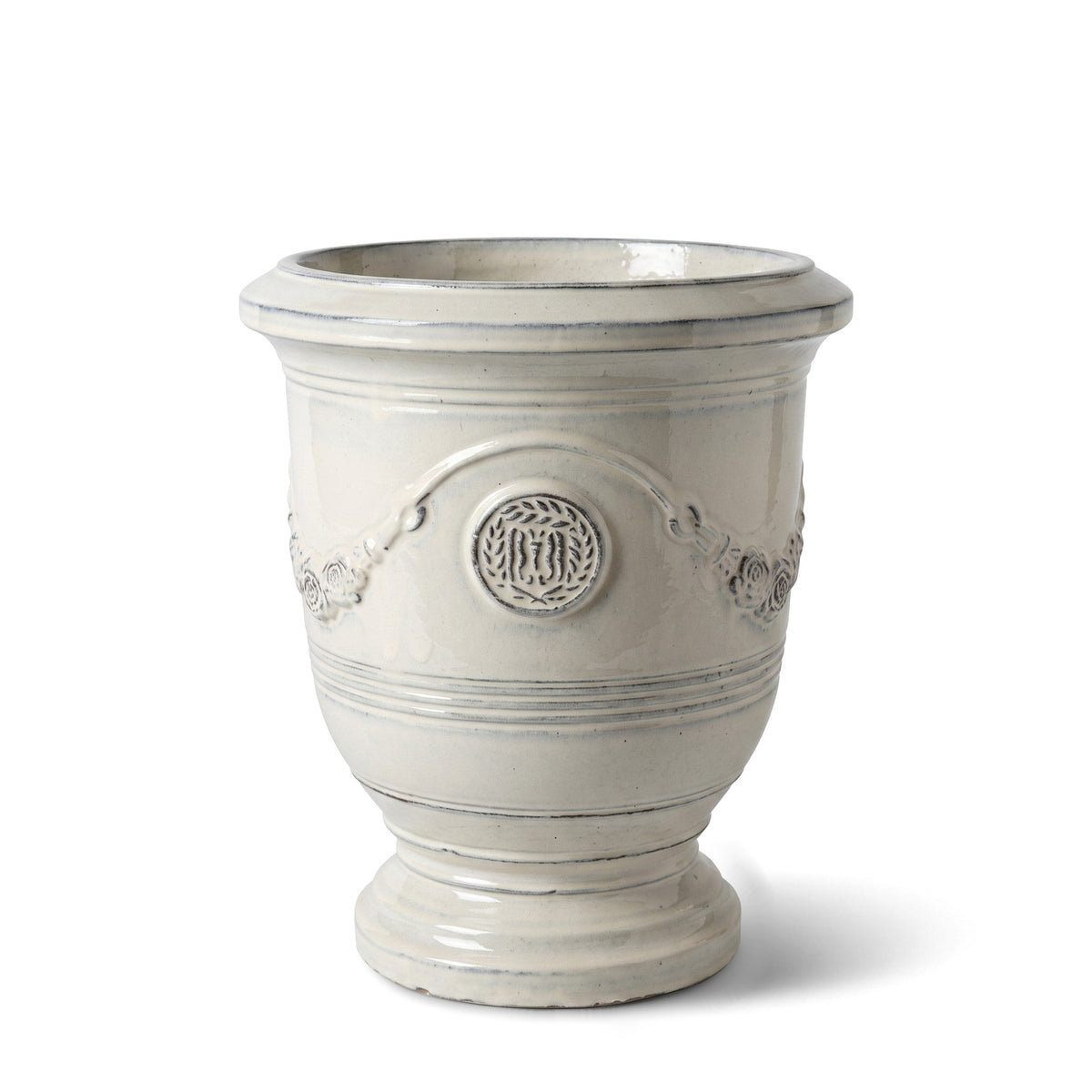
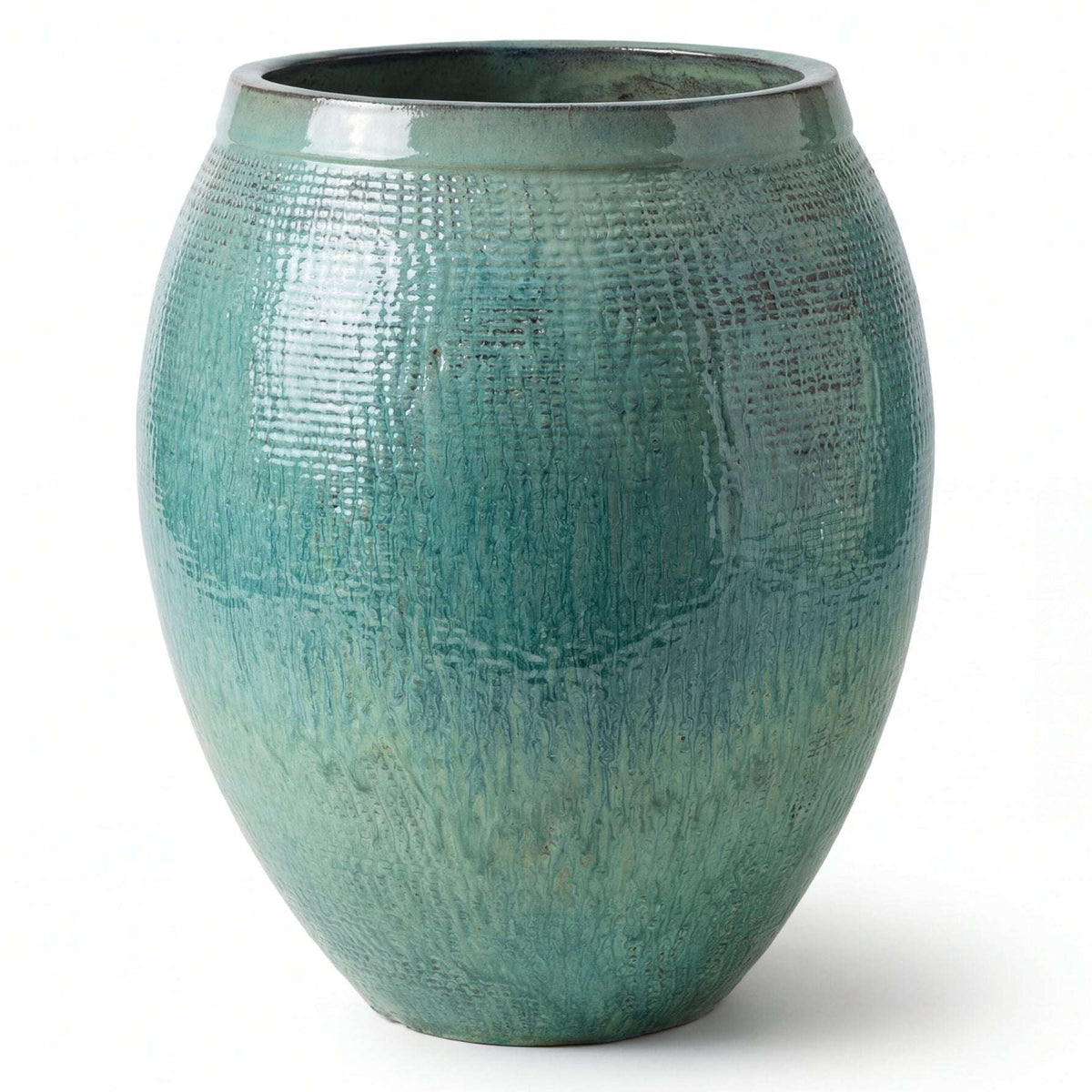
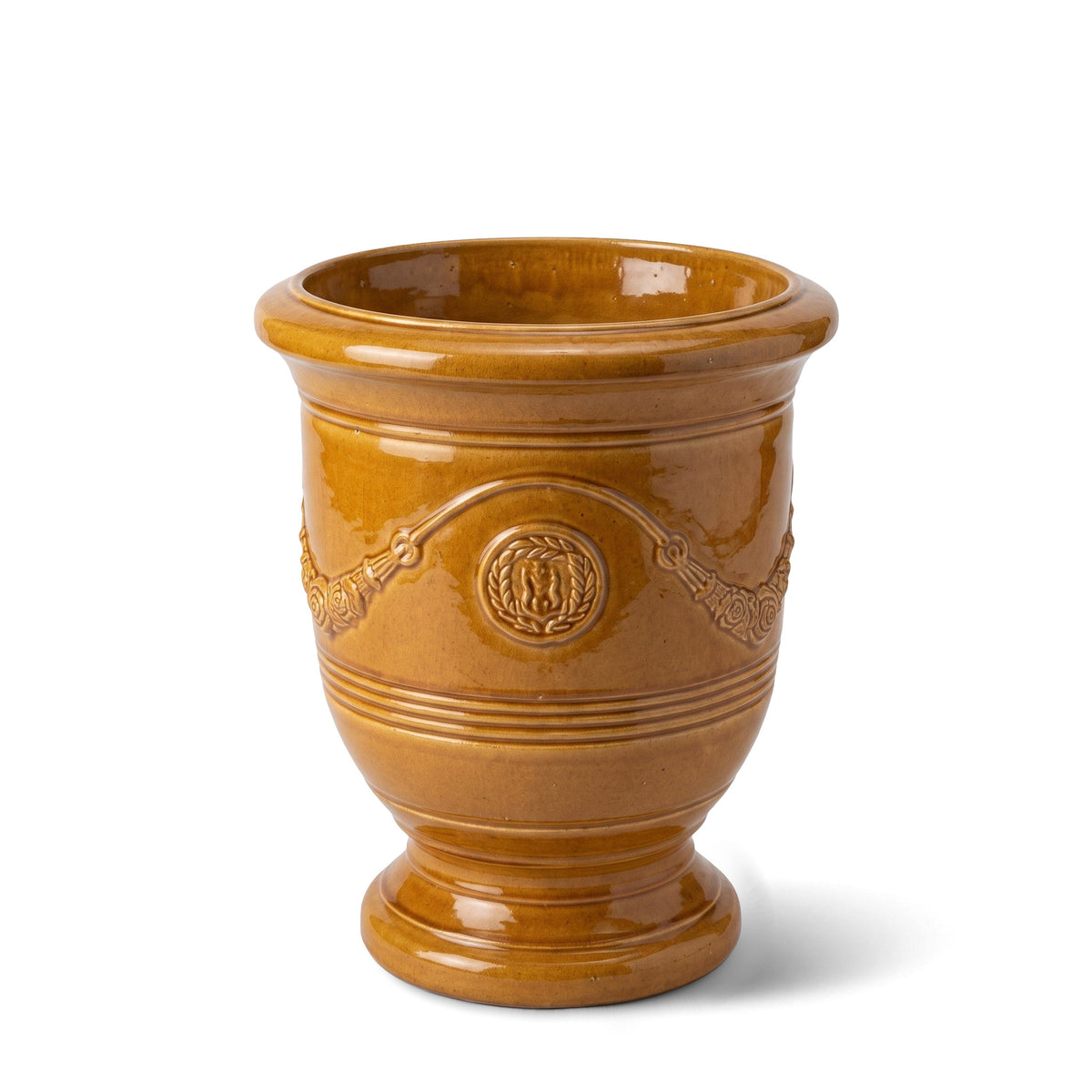
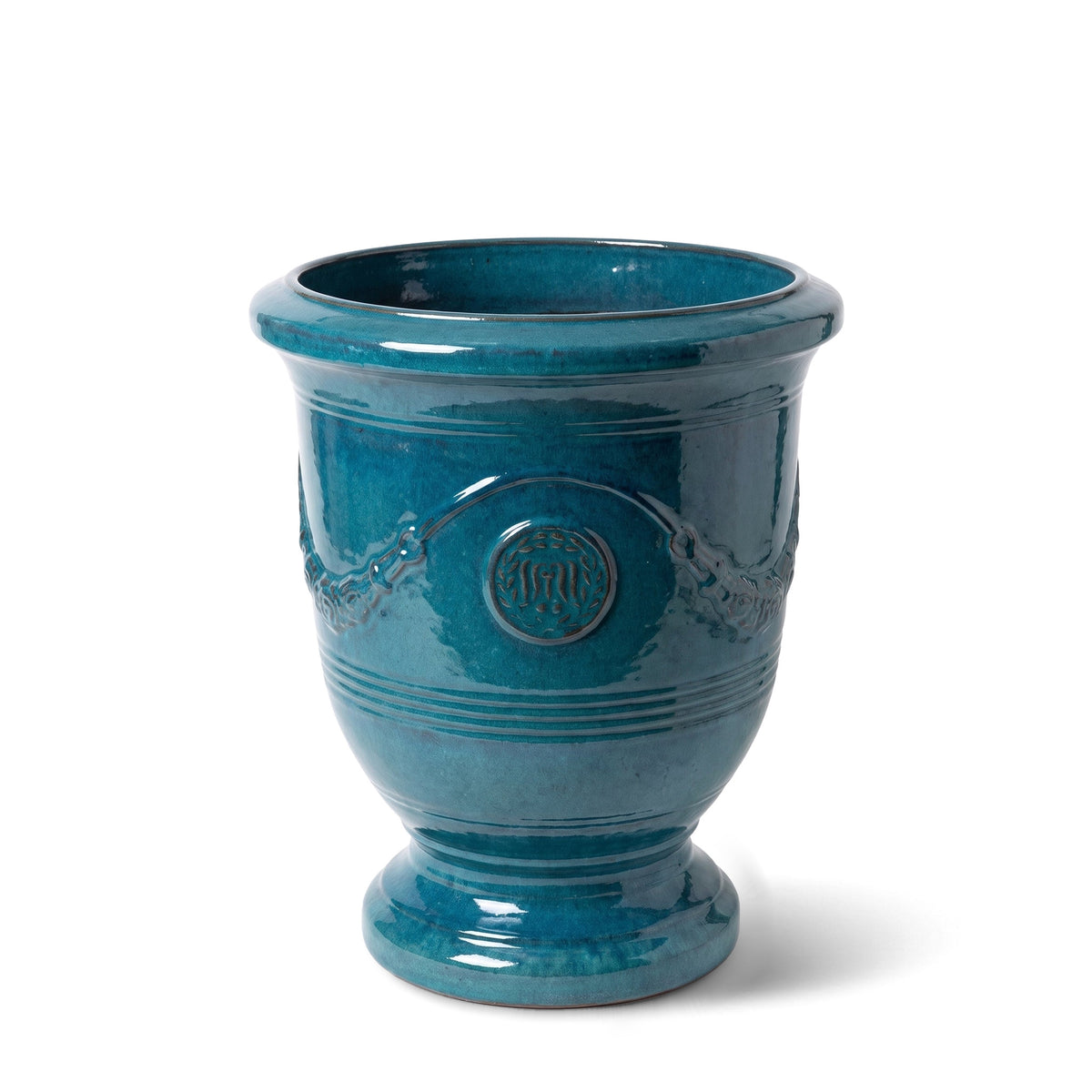
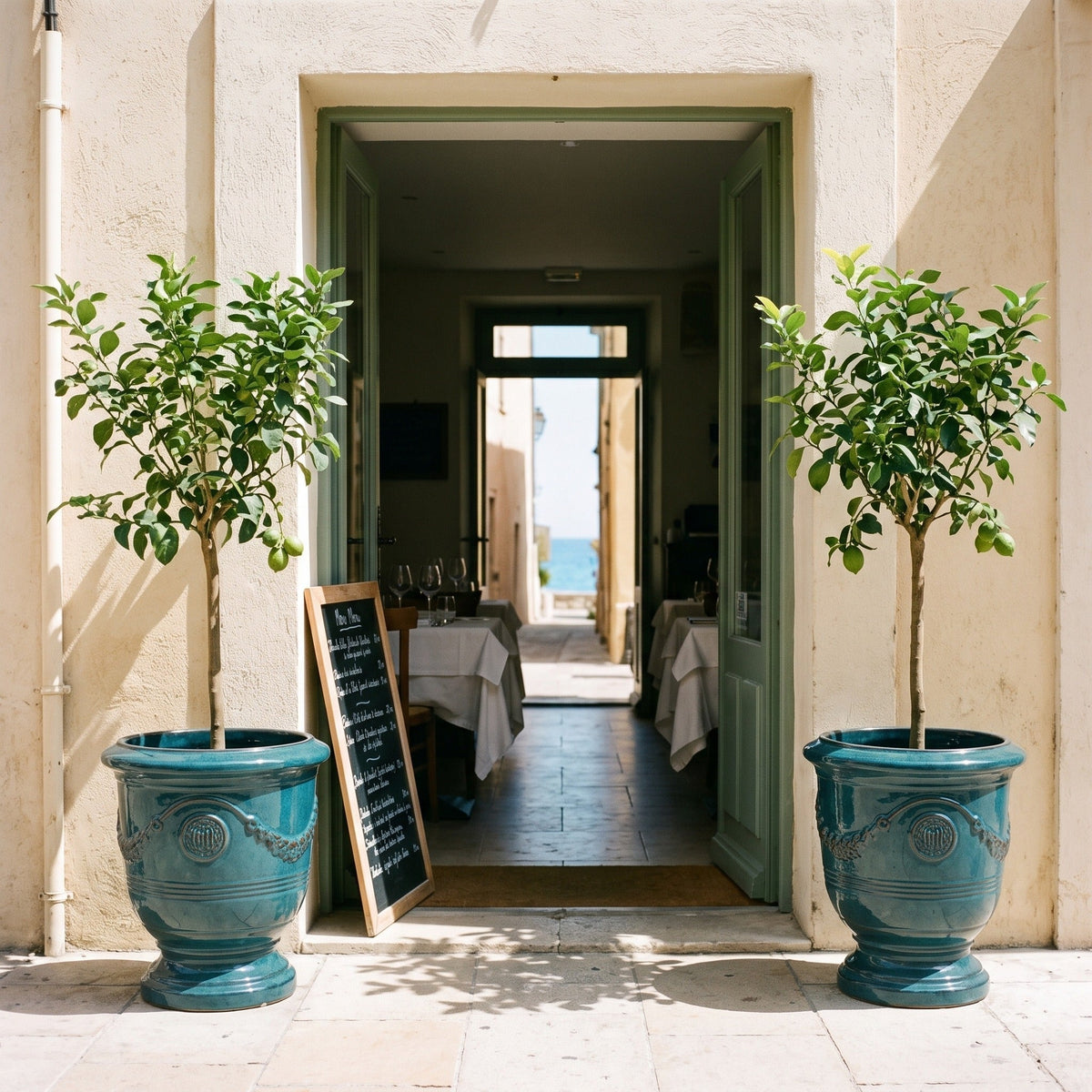
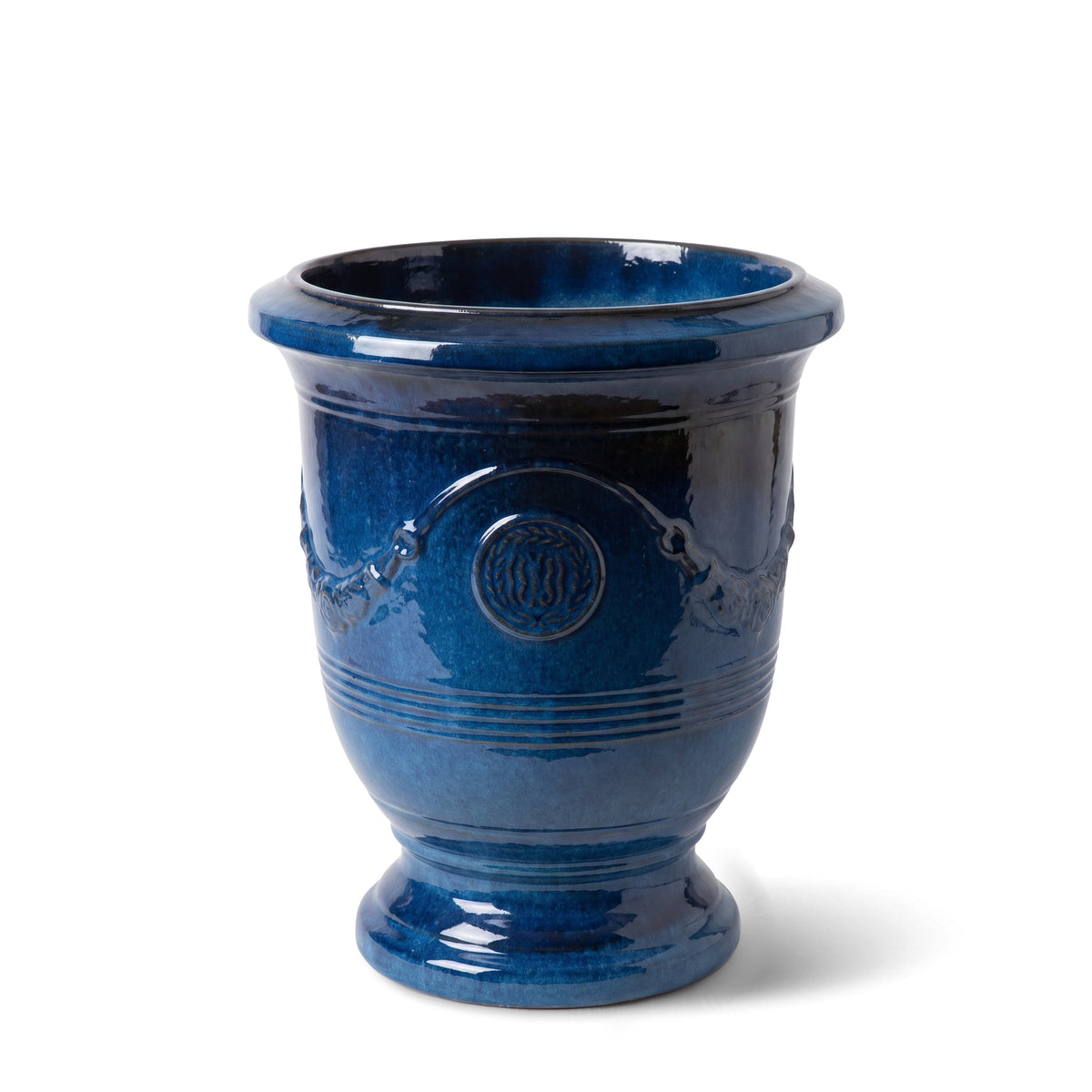
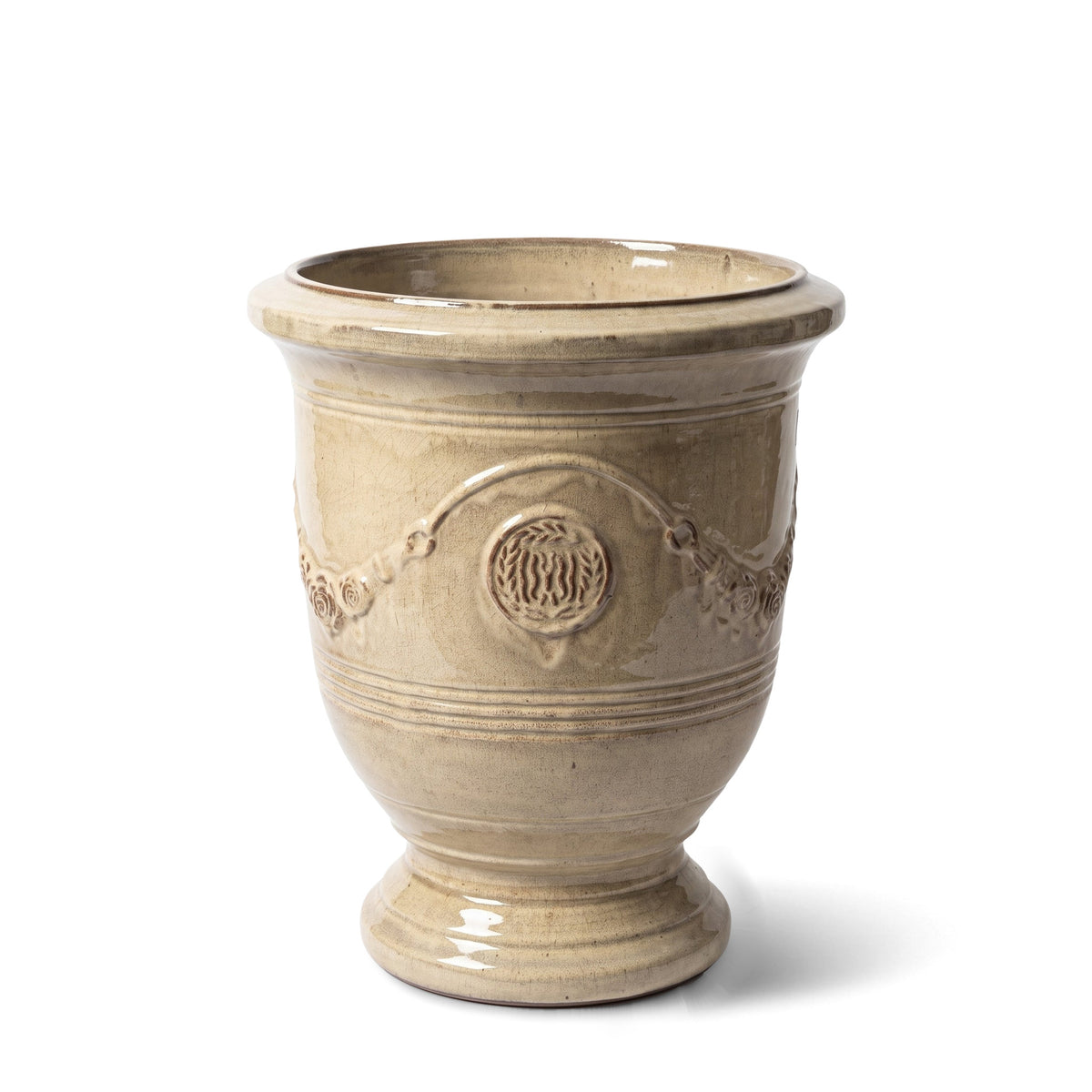
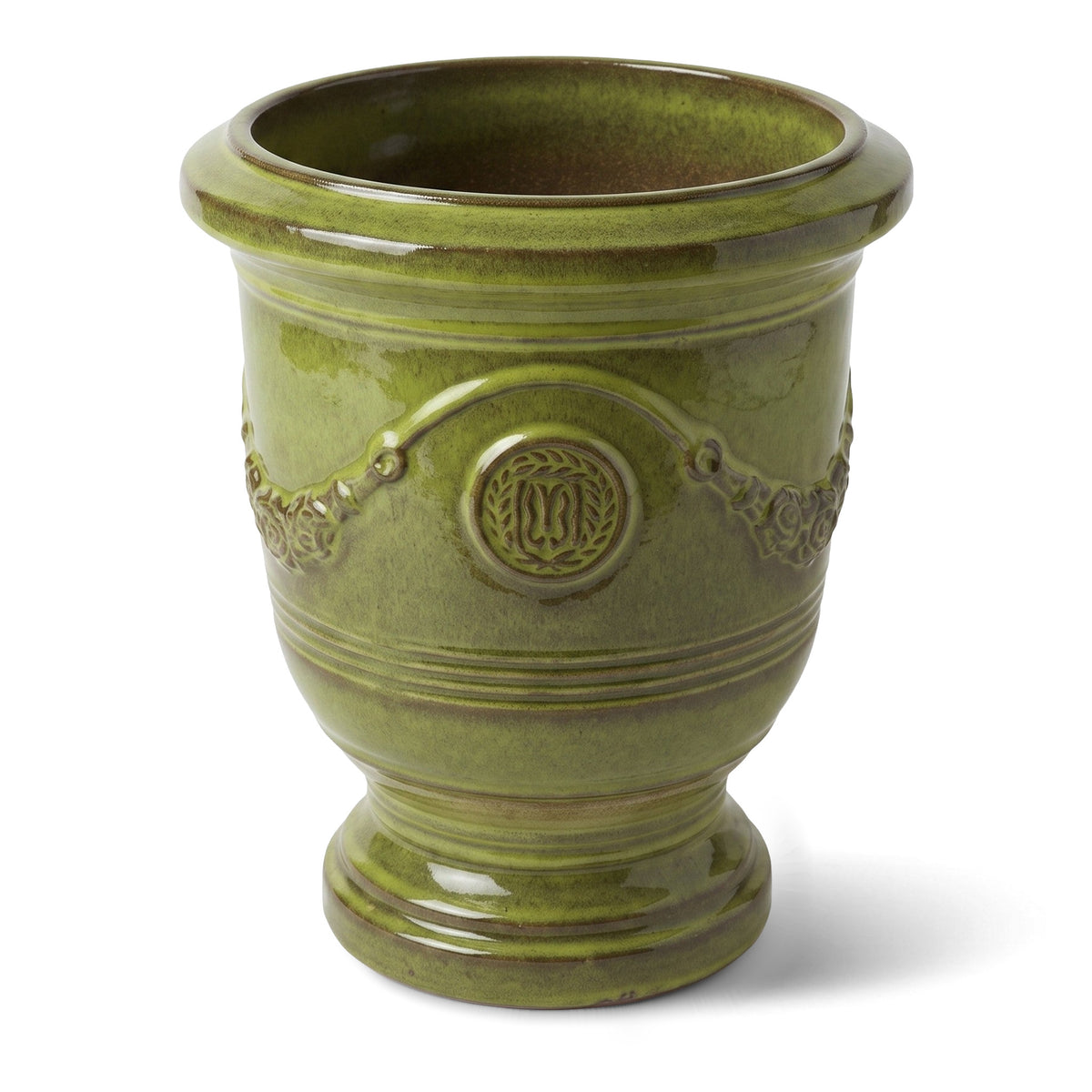
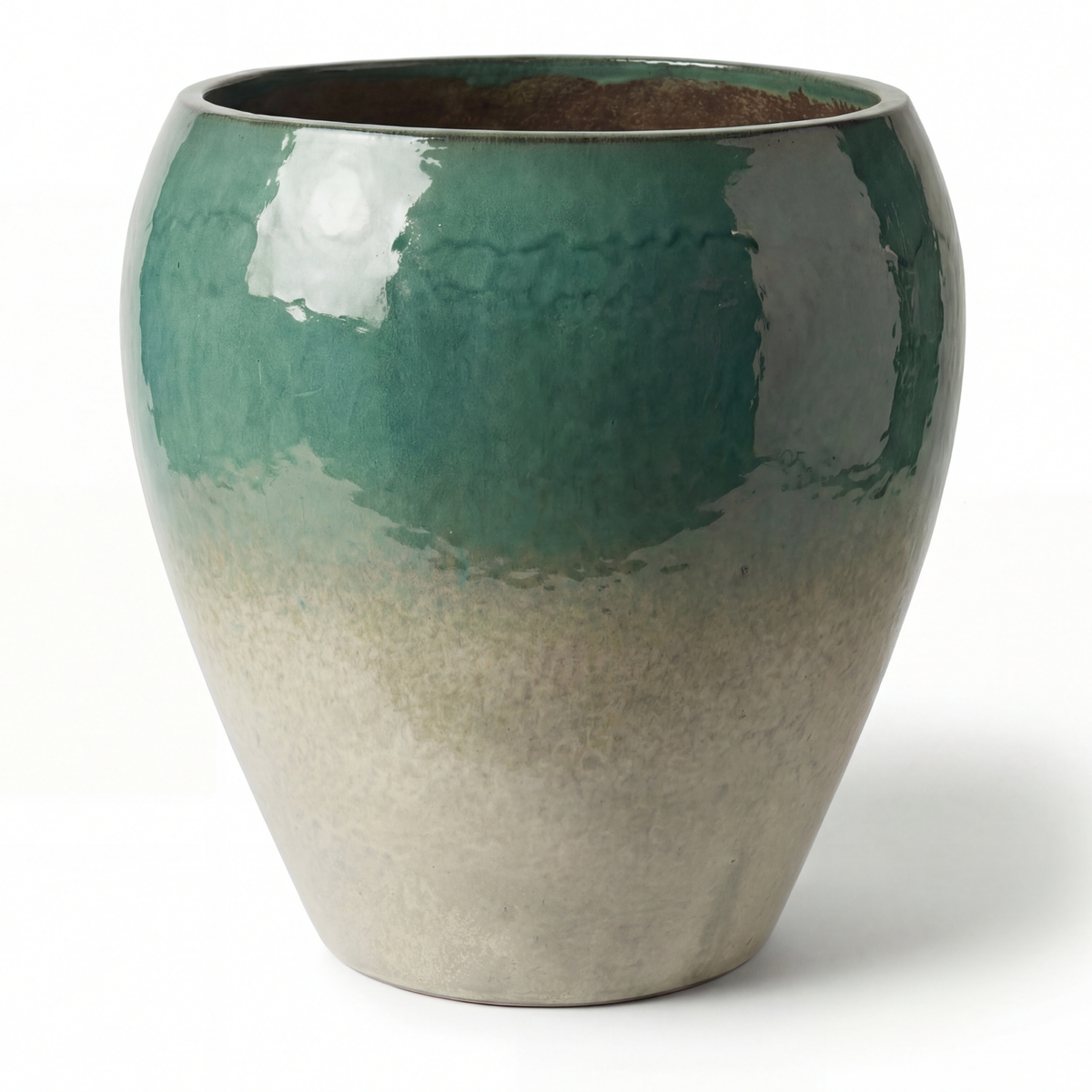
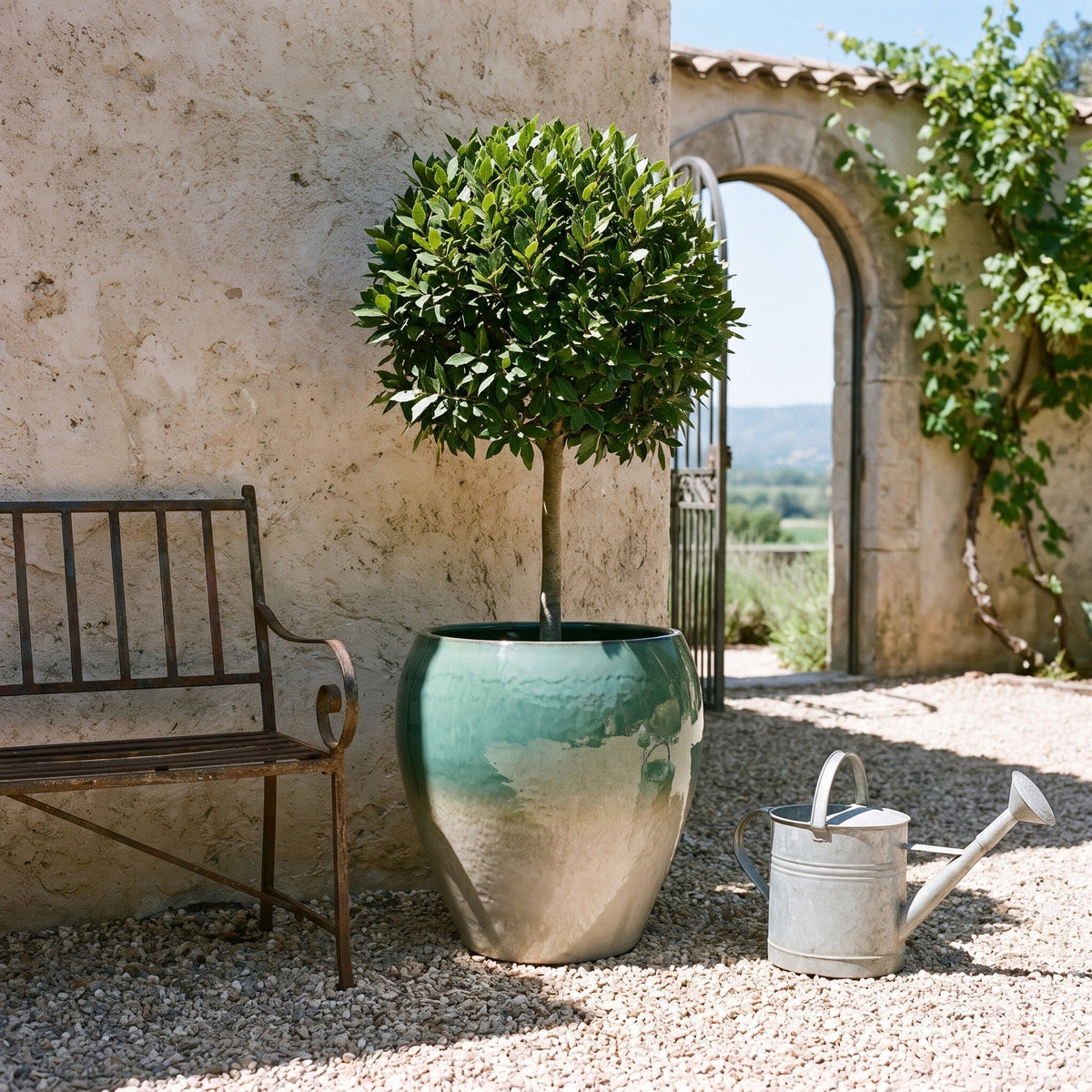
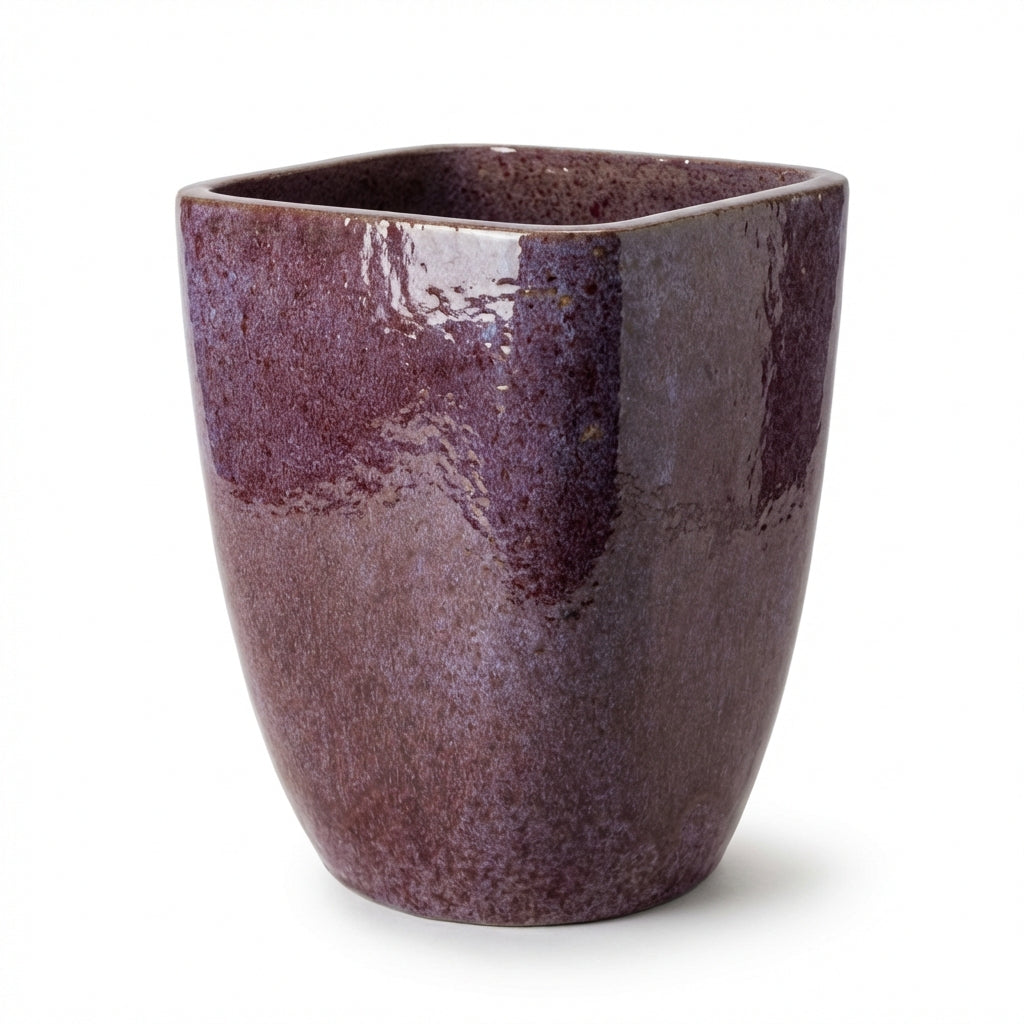
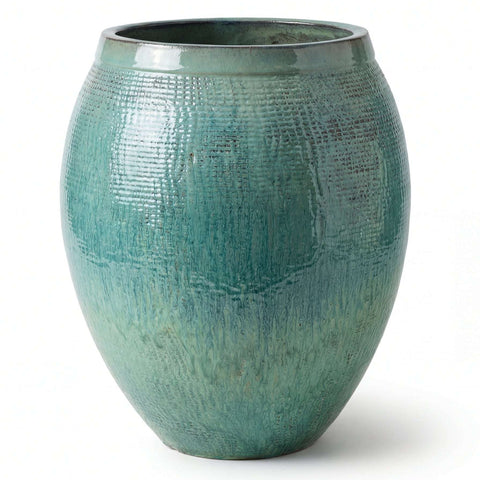
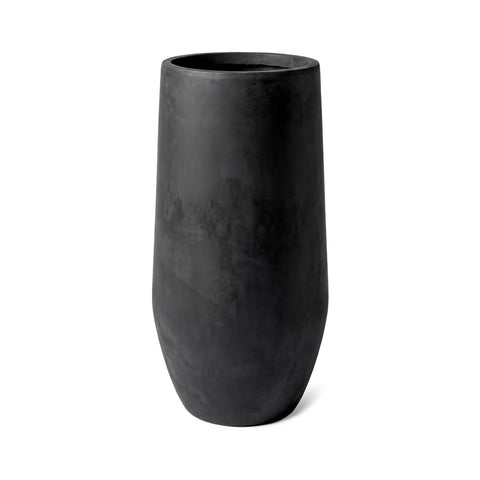
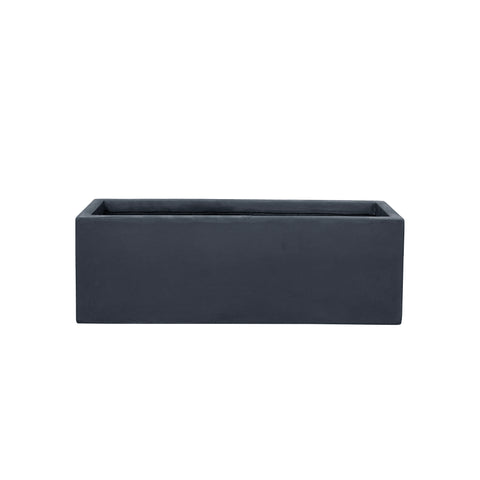
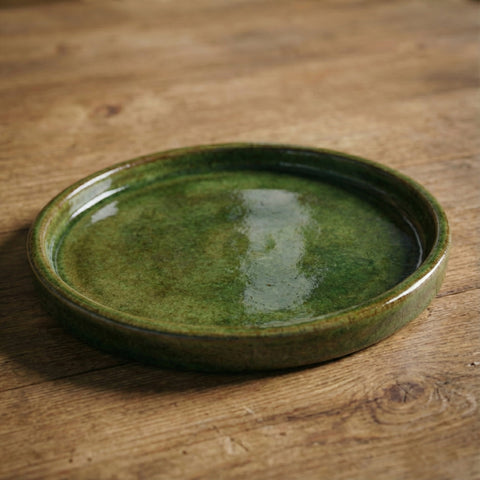
Choose a ceramic planter with a drainage hole, such as the Pompadour, Mars or other models.
4. Growing medium
Rich soil, with a pH of 6 to 6.8:
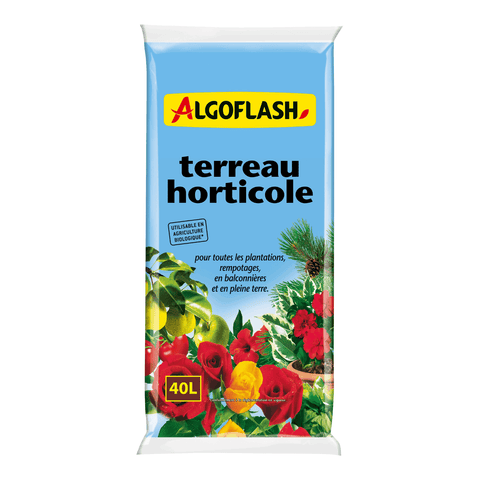
- 50% potting compost
- 30% garden soil
- 10% sand or perlite
- 10% well-rotted compost
5 cm of drainage at the bottom. Roses like consistent moisture.
5. Watering
Generously but not too often: 2 to 3 times a week in summer, watering deeply so that the growing medium is moist down to the roots. Water in the morning, at the base, not on the leaves (to prevent disease).
6. Fertiliser
From May to August, apply rose fertiliser every two weeks (rich in potassium for flowering). Stop in September.
7. Pruning
Spring pruning (March–April): this is the main pruning, to tidy and shape the rose. Cut English roses back by a third and floribundas by half.
Summer pruning (after each flowering): remove faded blooms.
8. Winter protection
Hardy varieties can spend winter outdoors in planters. To prepare them properly:
- at the end of October, protect the root ball with hessian or bubble wrap
- mulch around the base with fir branches or mulch
- place the planter against a house wall (sheltered from the north wind)
- in winter, water every 2 to 3 weeks when it is not freezing
9. Common problems
Powdery mildew (white coating on leaves): treat it, choose an airy spot and avoid wetting the foliage in the evening.
Black spot disease: remove affected leaves and treat with a fungicide.
Aphids: soapy water or an organic product.
Brown petal edges: excess water or rainy weather. Protect it from the rain.
10. Frequently asked questions
How often should it be repotted? Every 2 to 3 years in spring, into a planter 5 cm wider in diameter.
Can it be grown on a balcony? Yes, if it receives at least 6 hours of sun. A north-facing balcony is not suitable.
How long does it live? 10 to 15 years with good care, and sometimes longer depending on the variety.
In summary
A potted rose is a classic choice for every terrace. The essentials: a compact variety, a sufficiently large planter (40 cm and over), rich growing medium and good winter protection.
Also read: