


30 cm flower pots
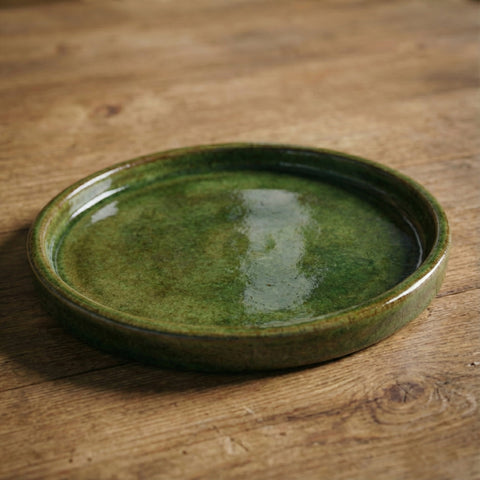
Our 30cm plant pots measure 30 to 39 cm across, which is 13 to 27 L of compost. This is the most versatile size in the range: large enough for a citrus or a clipped bay, contained enough for a city terrace. Glazed ceramic dominates, with drainage built into the base. The matching saucer is ordered separately. The neighbouring sizes are 20cm and 40cm.


PARIS 39x63cm fir green, large handmade outdoor pot in glazed terracotta
Sale price139,90€


VERSAILLES 38x54cm blue, large handmade outdoor pot in glazed terracotta
Sale price109,90€


PARIS 39x63cm blue, large handmade outdoor pot in glazed terracotta
Sale price139,90€


PARIS 39x63cm turquoise, large handmade outdoor pot in glazed terracotta
Sale price139,90€


PARIS 39x63cm white, large handmade outdoor pot in glazed terracotta
Sale price139,90€


VERSAILLES 38x54cm red, large handmade outdoor pot in glazed terracotta
Sale price109,90€


LONDON 35x33cm Pink, large outdoor glazed terracotta pot
Sale price69,90€


PARIS 39x63cm red, large handmade outdoor pot in glazed terracotta
Sale price139,90€


LONDON 35x33cm verdigris, large outdoor glazed terracotta pot
Sale price69,90€


LONDON 35x33cm heliodor, large outdoor glazed terracotta pot
Sale price69,90€


MEROVEE 30x45cm abyss blue, large handmade outdoor pot in glazed terracotta, frost resistant
Sale price49,90€
Regular price59,90€


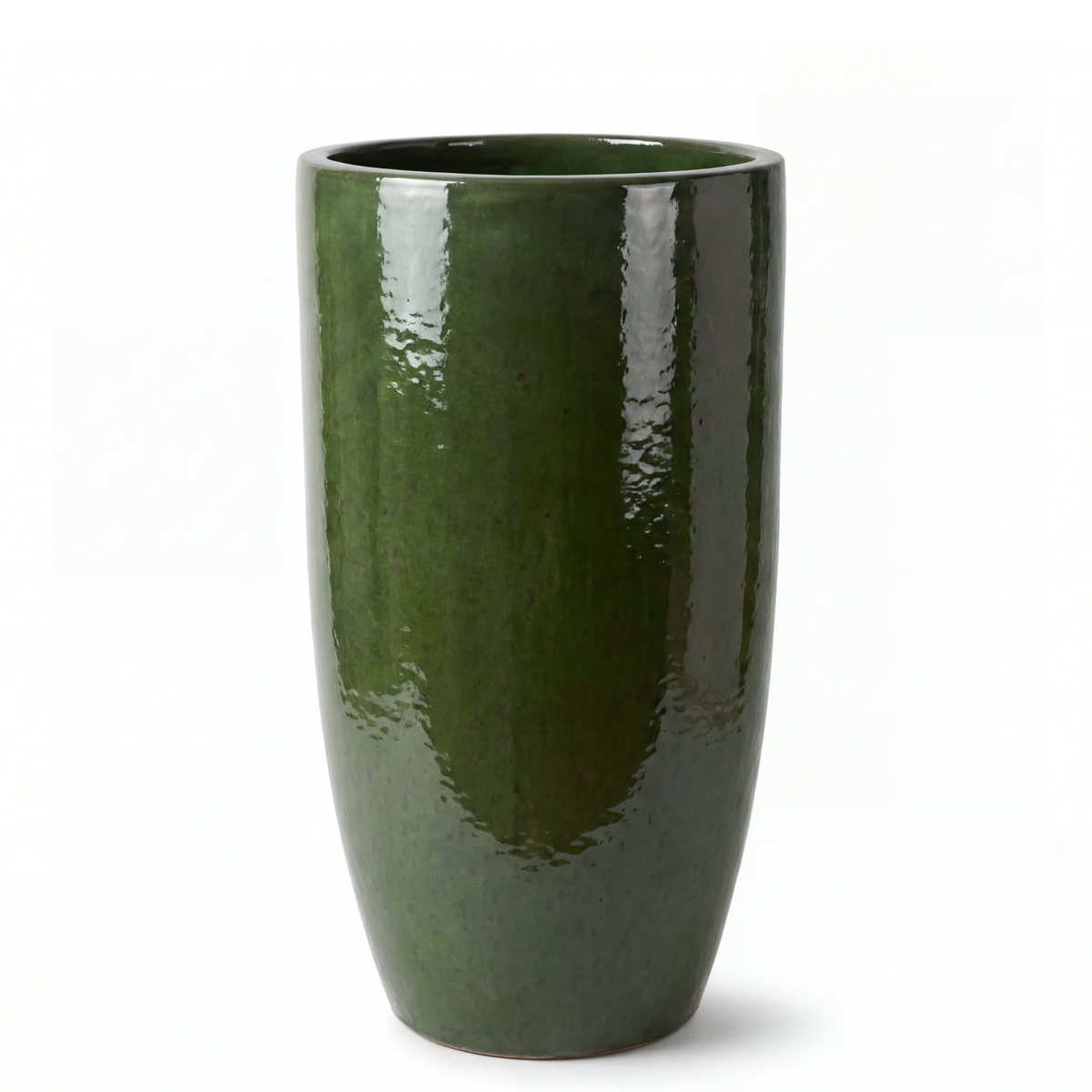

EIFFEL 37x70cm deep green, large handmade outdoor pot in glazed terracotta, frost resistant
Sale price116,90€
Regular price129,90€
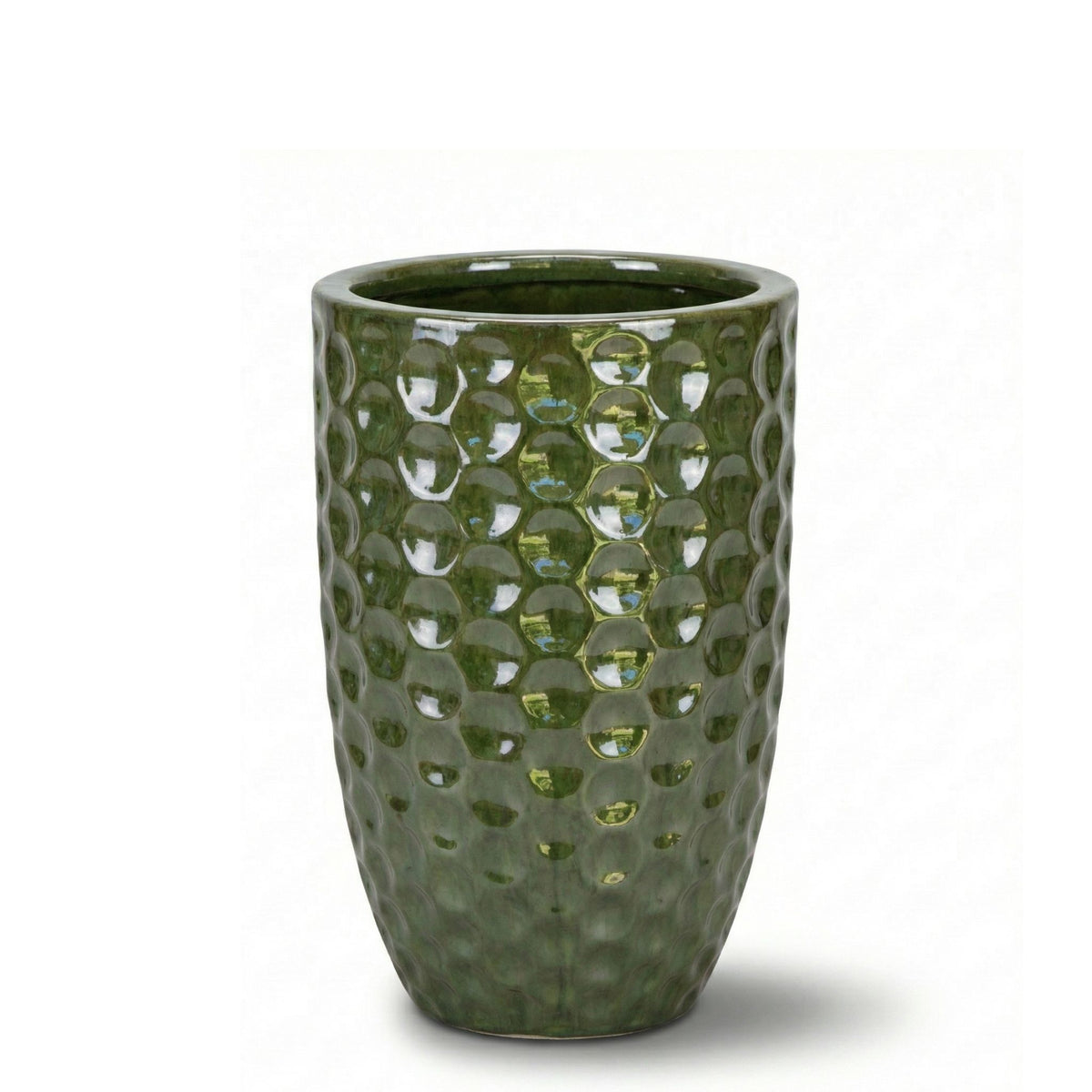
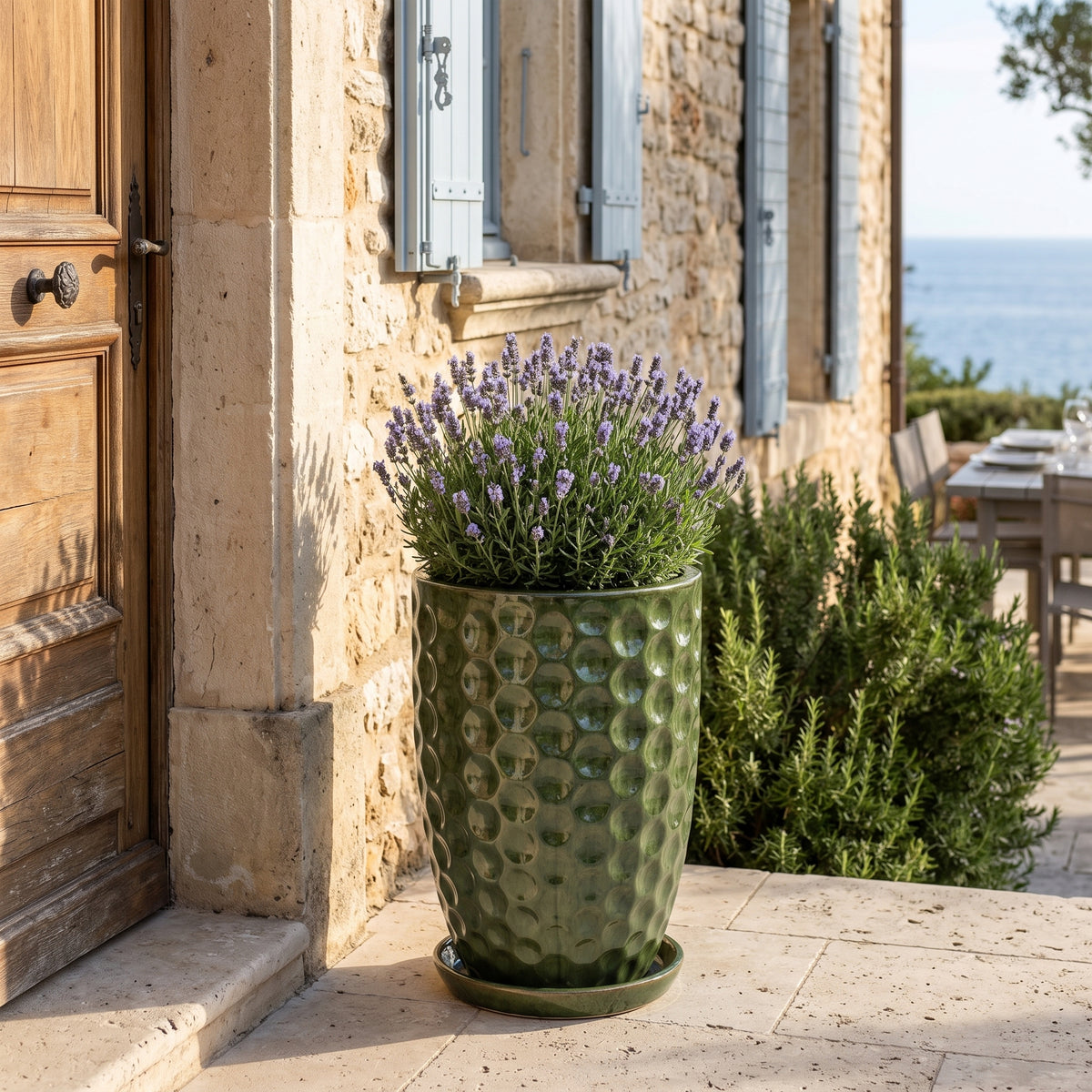
MEROVEE 30x45cm tropical green, large handmade outdoor pot in glazed terracotta, frost resistant
Sale price49,90€
Regular price59,90€


MILANO 31x61cm Pink, large handmade outdoor pot in glazed terracotta
Sale price119,90€


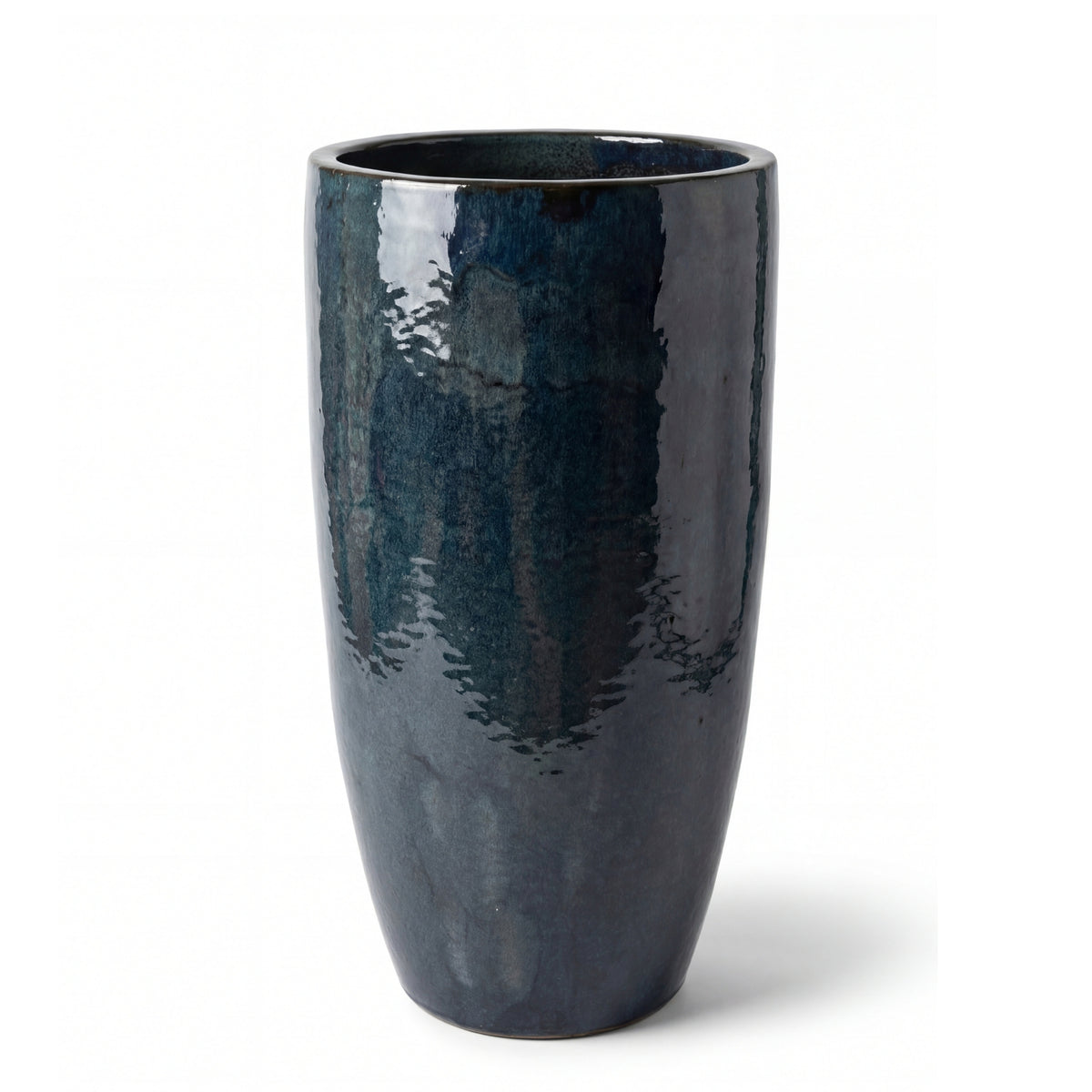

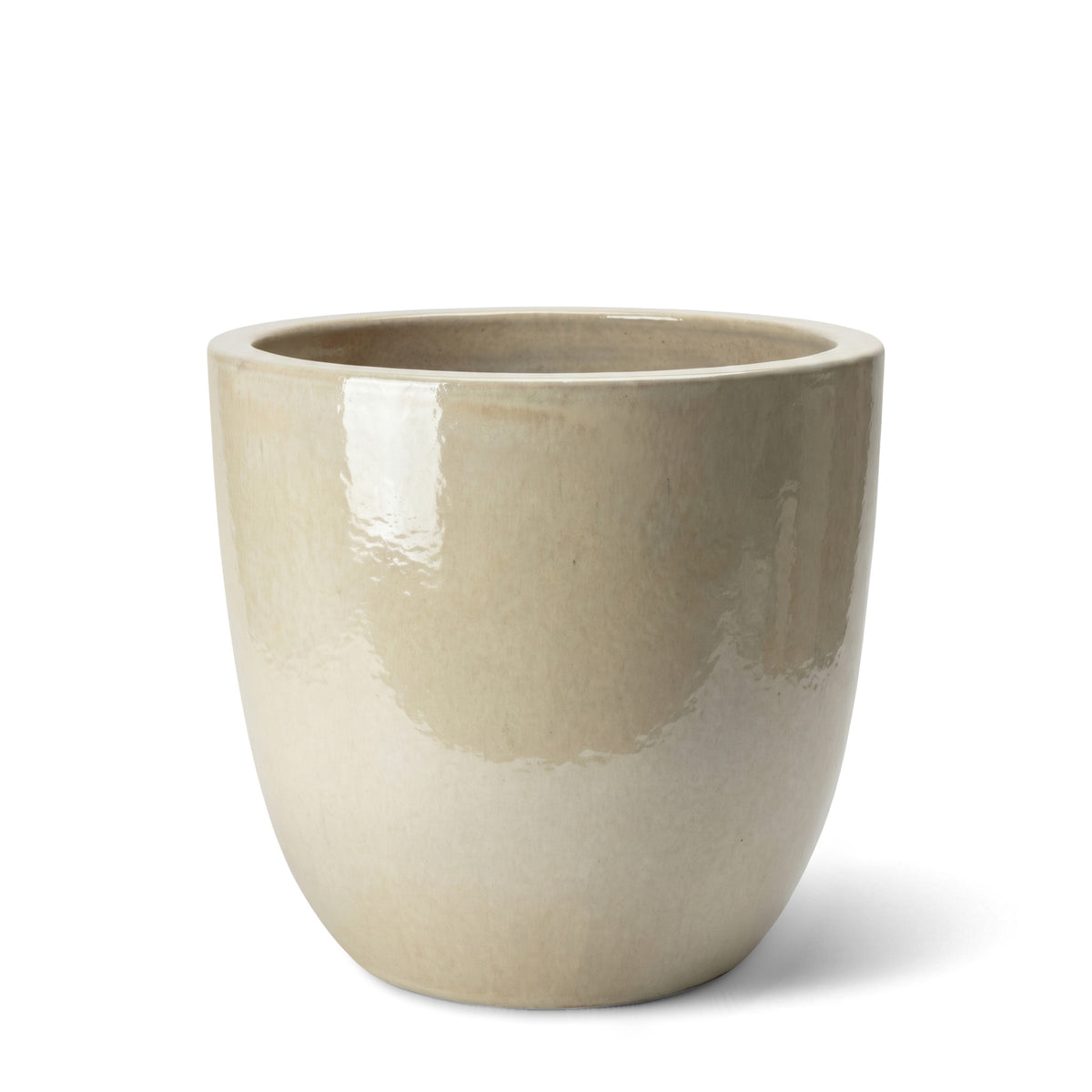

LANCELOT 36x34cm pearl, large handmade outdoor pot in glazed terracotta, frost resistant
Sale price49,90€
Regular price59,90€
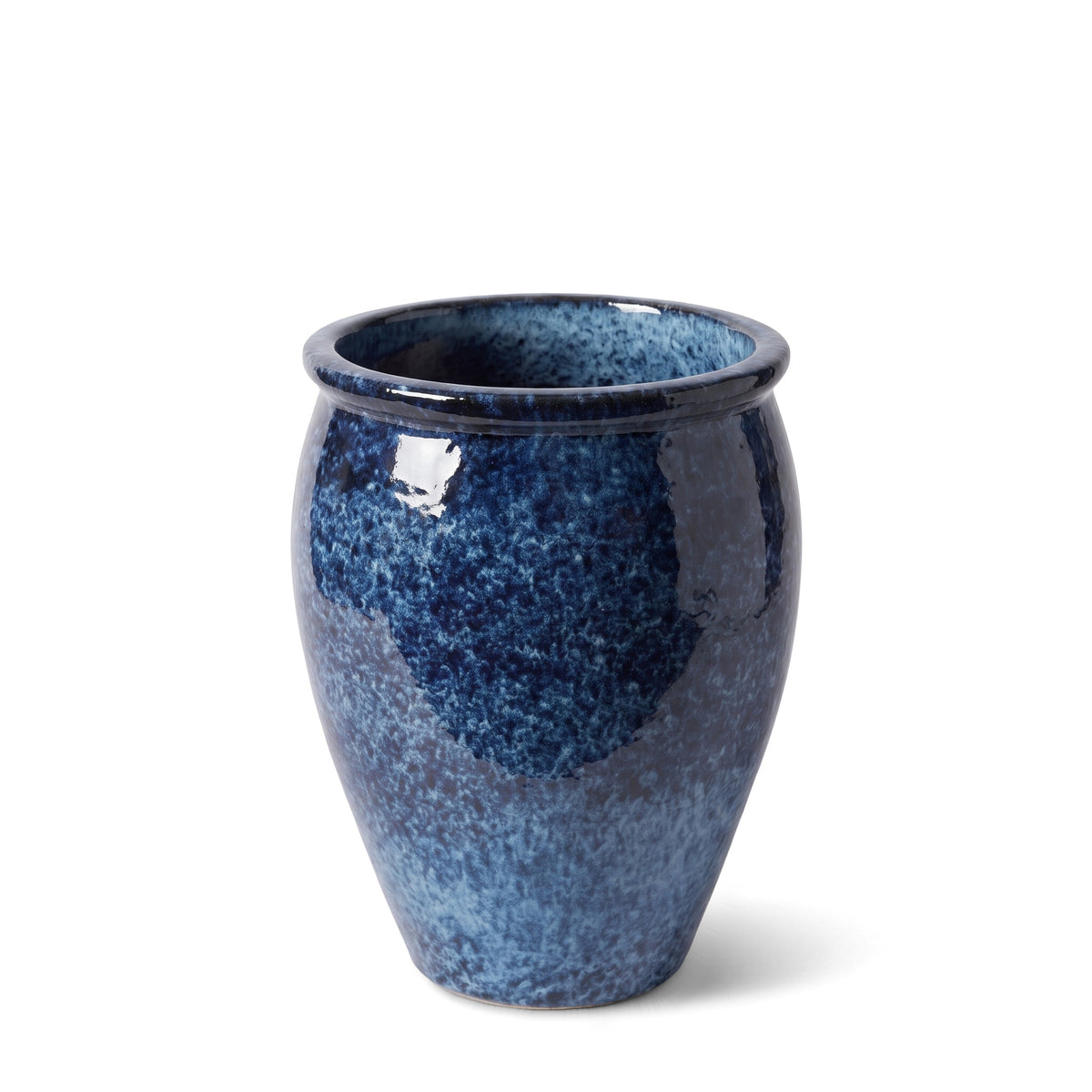
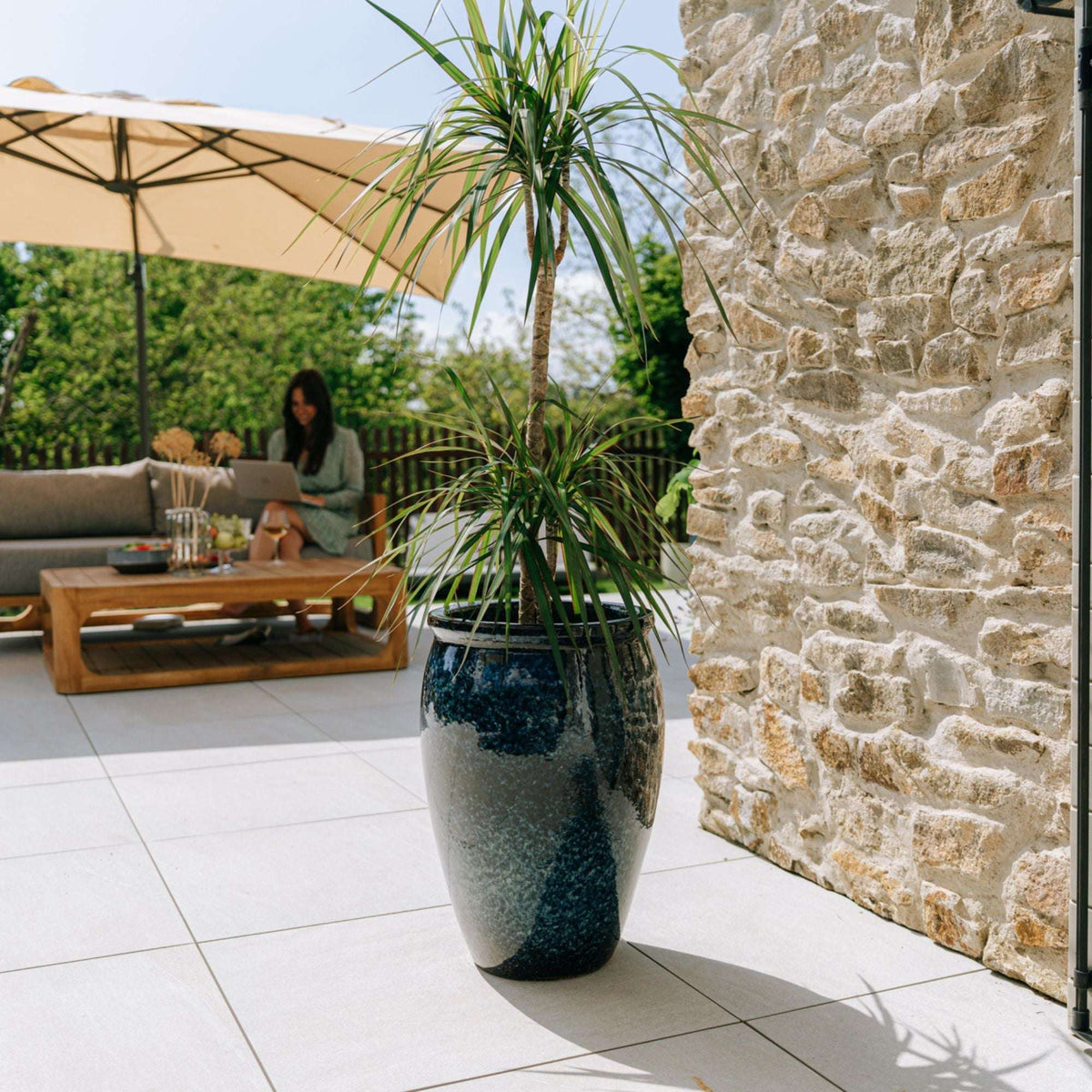
BACCHUS 36x52cm abyss blue, large handmade outdoor pot in glazed terracotta, frost resistant
Sale price84,90€
Regular price99,90€
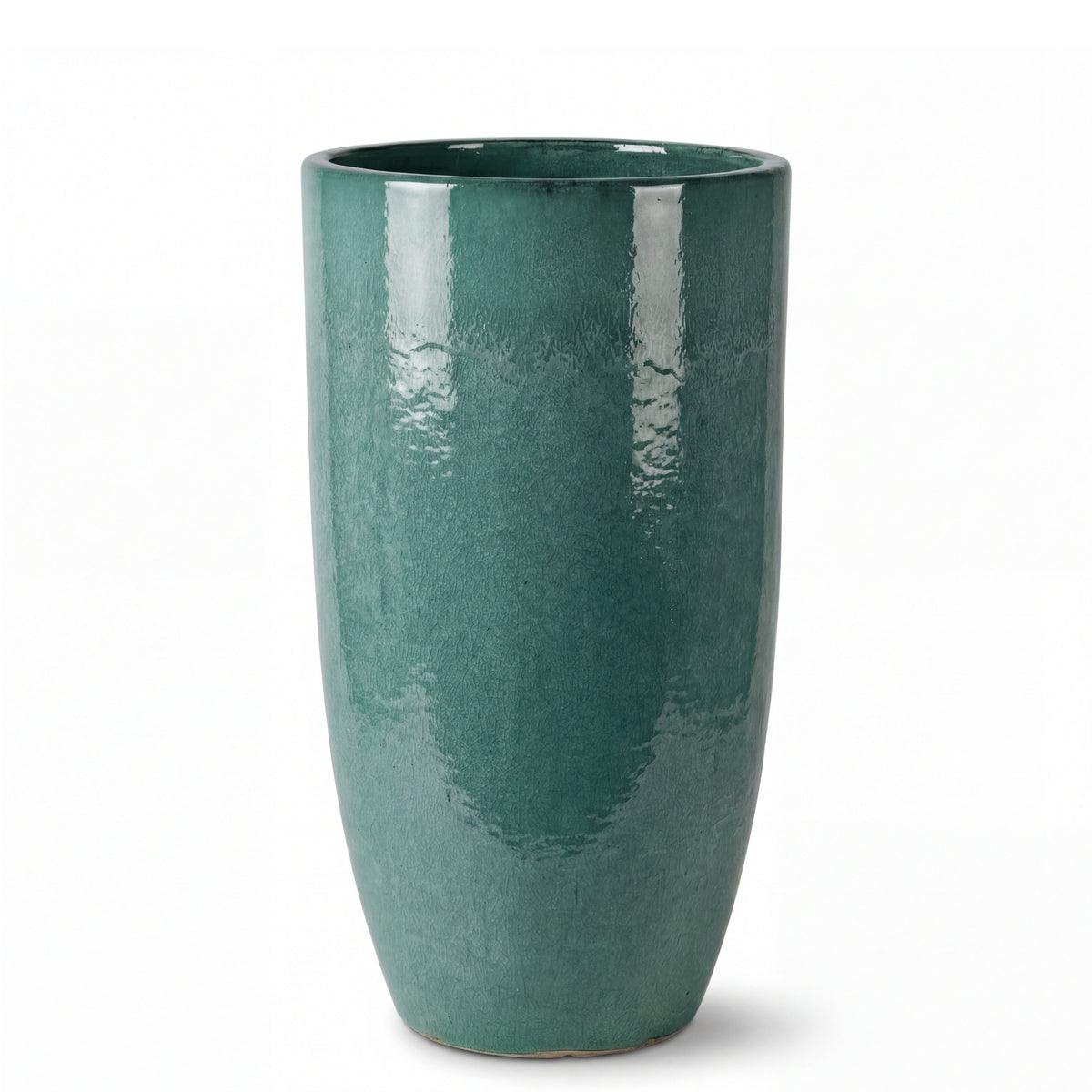

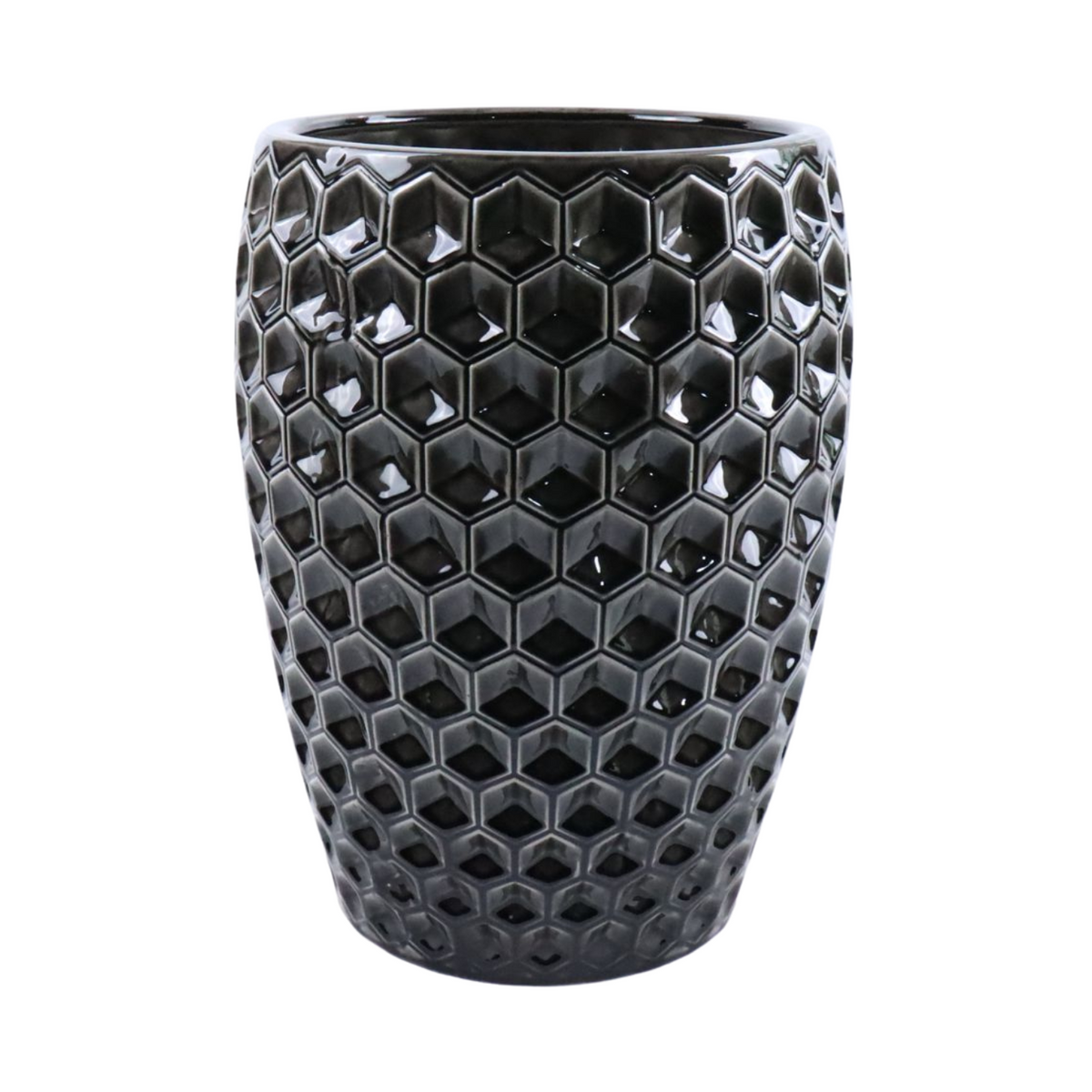
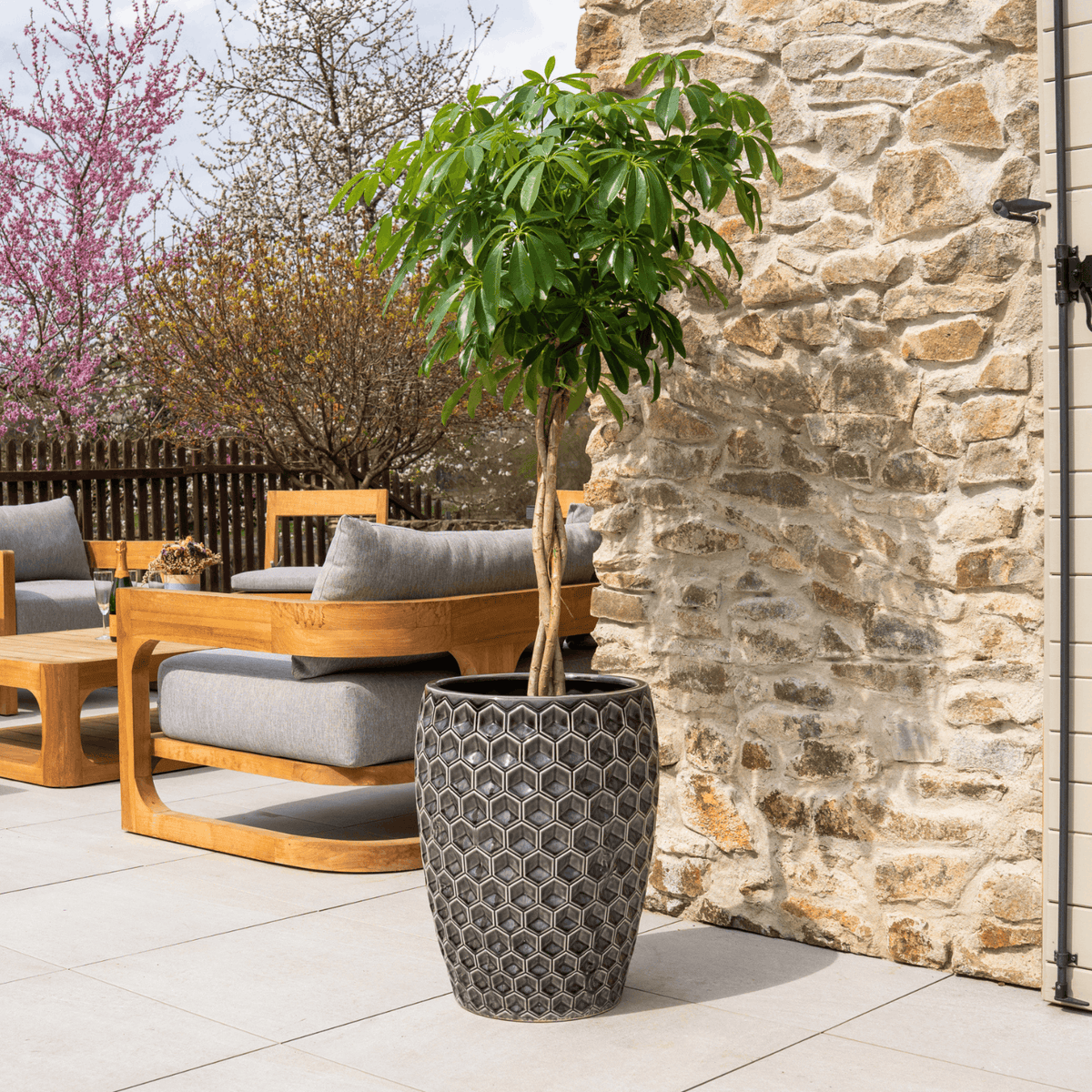
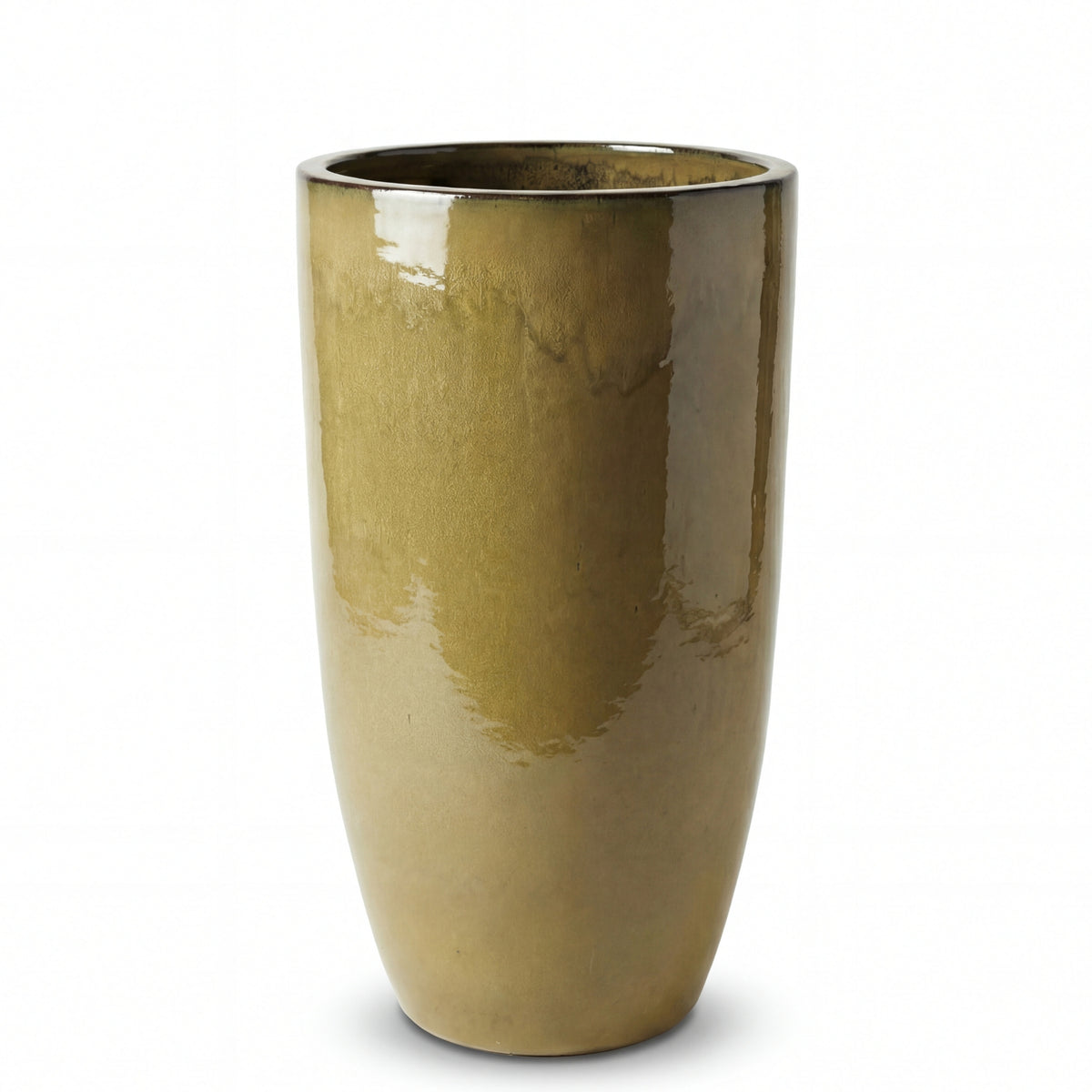

EIFFEL 37x70cm sunset, large handmade outdoor pot in glazed terracotta, frost resistant
Sale price116,90€
Regular price129,90€
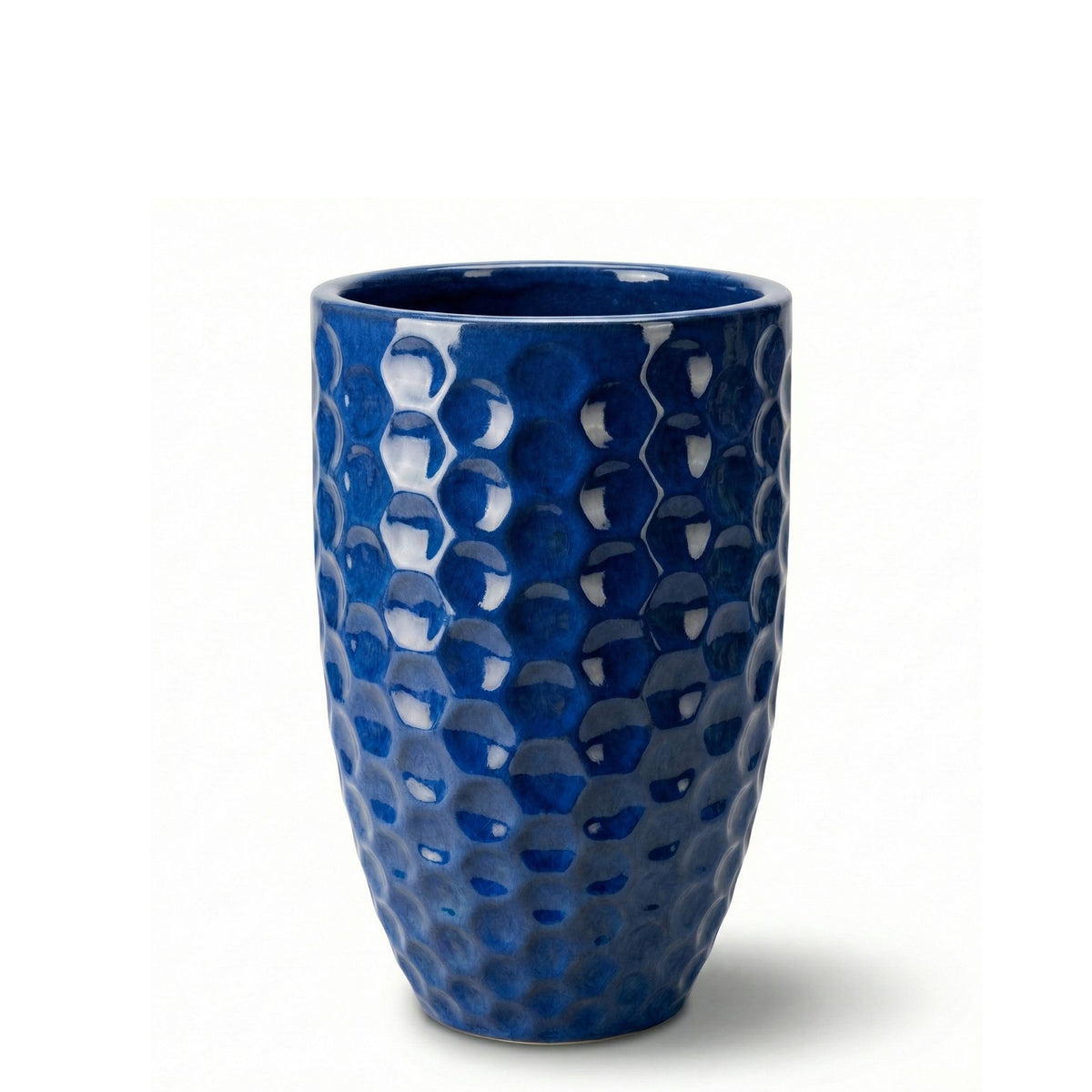
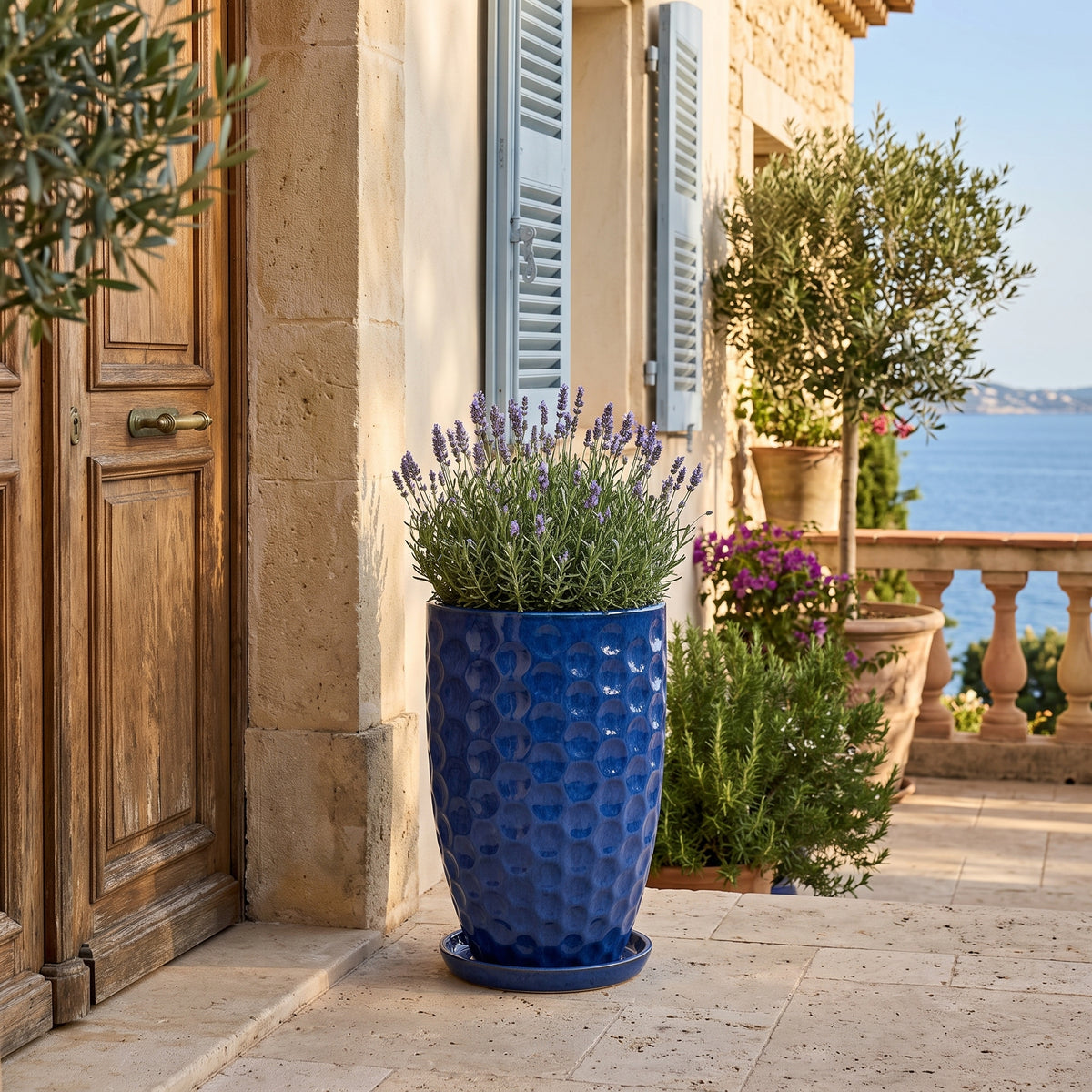


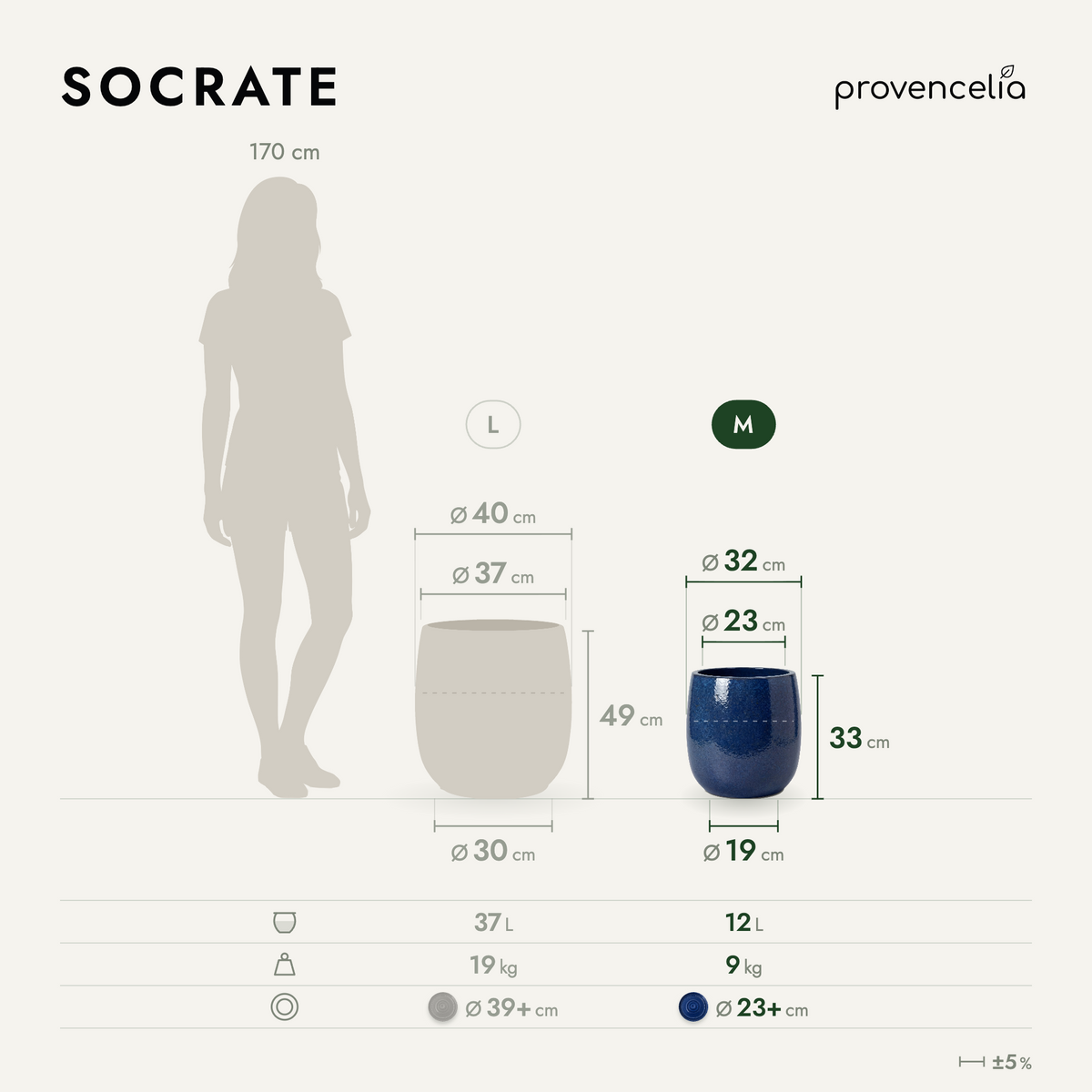


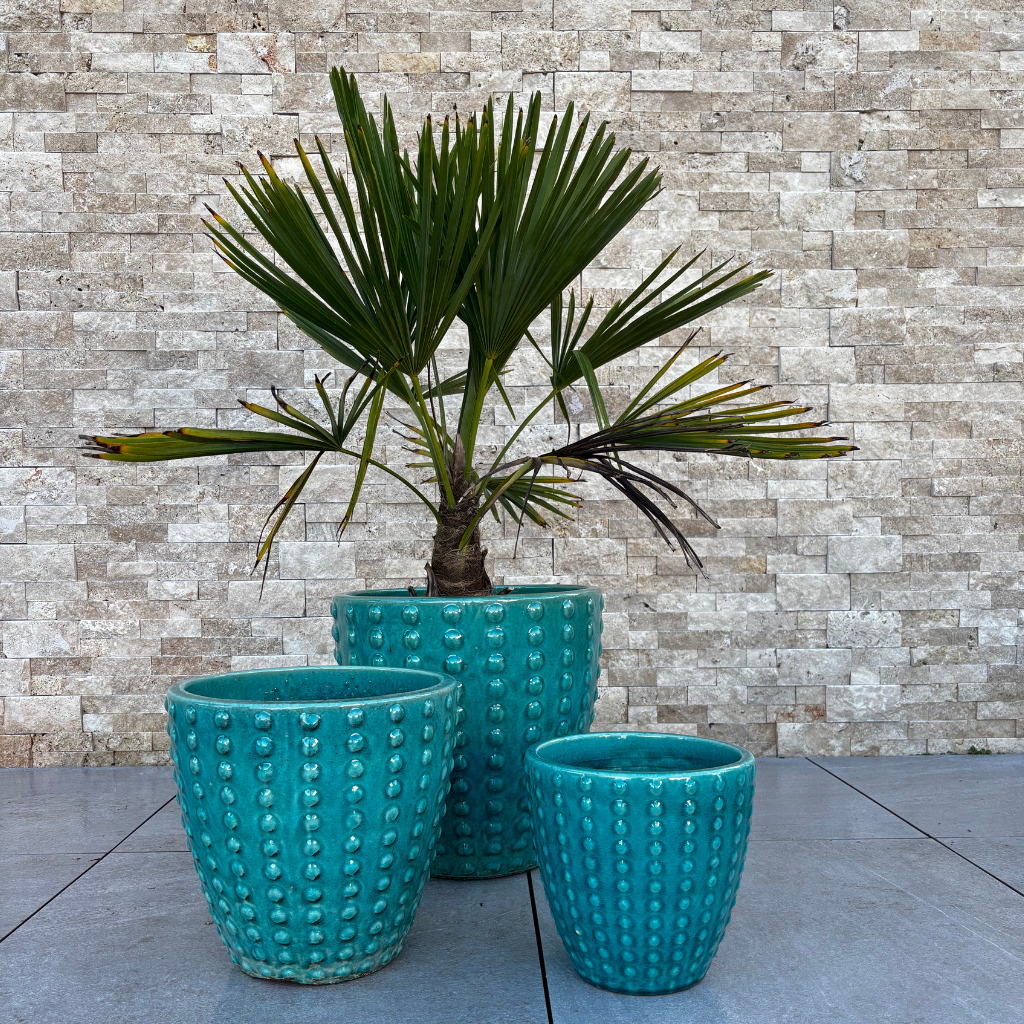
ATTILA 30x29cm turquoise, large handmade outdoor pot in glazed terracotta, frost resistant
Sale price34,90€
Regular price49,90€
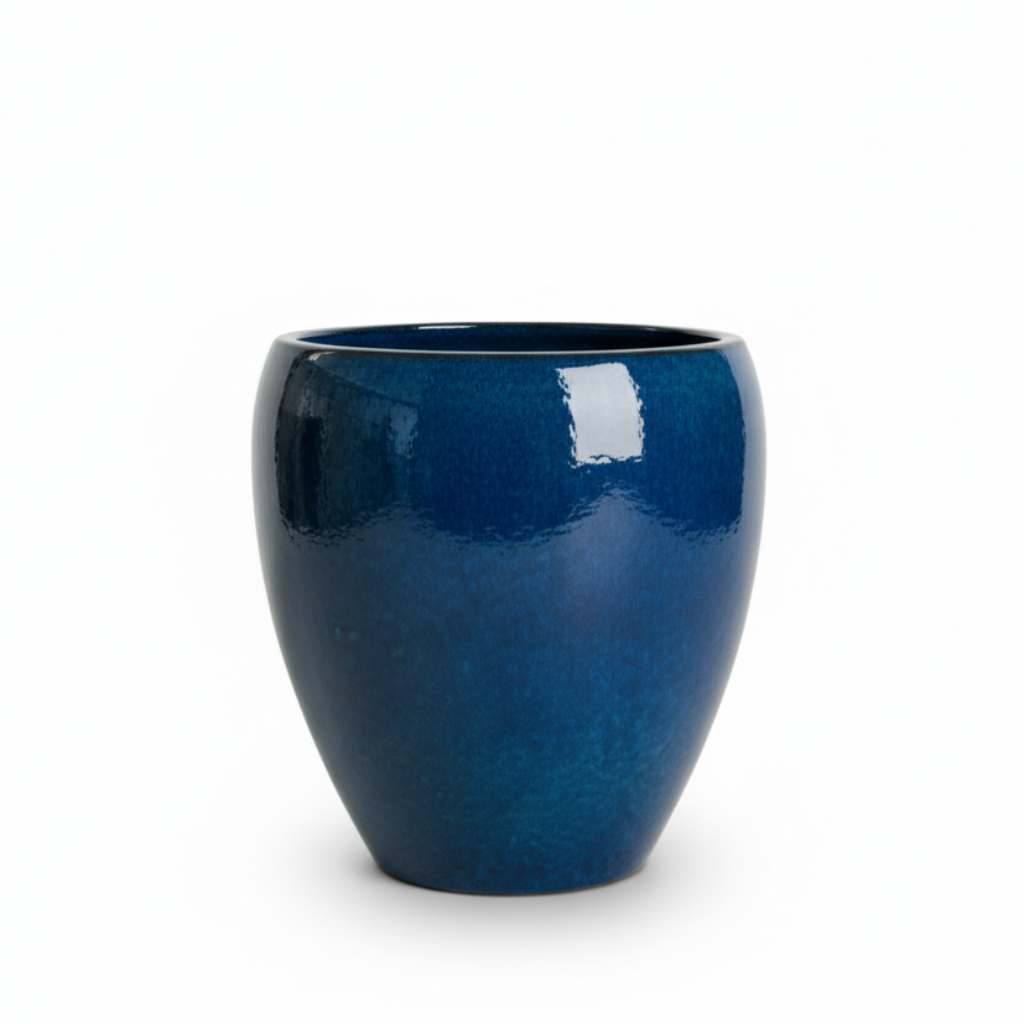
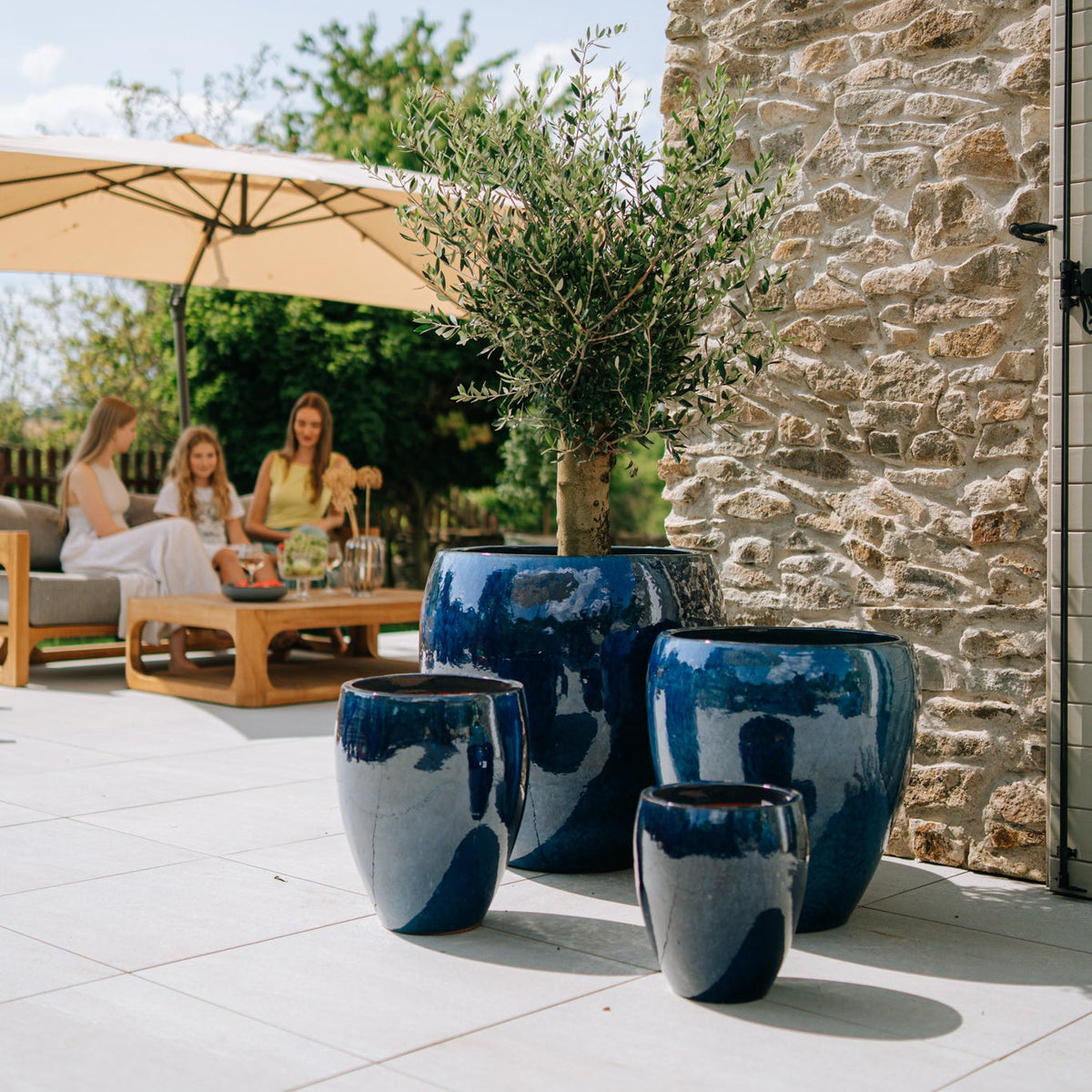
LAFONTAINE 30x45cm azure blue, large handmade outdoor pot in glazed terracotta, frost resistant
Sale price54,90€
Regular price64,90€
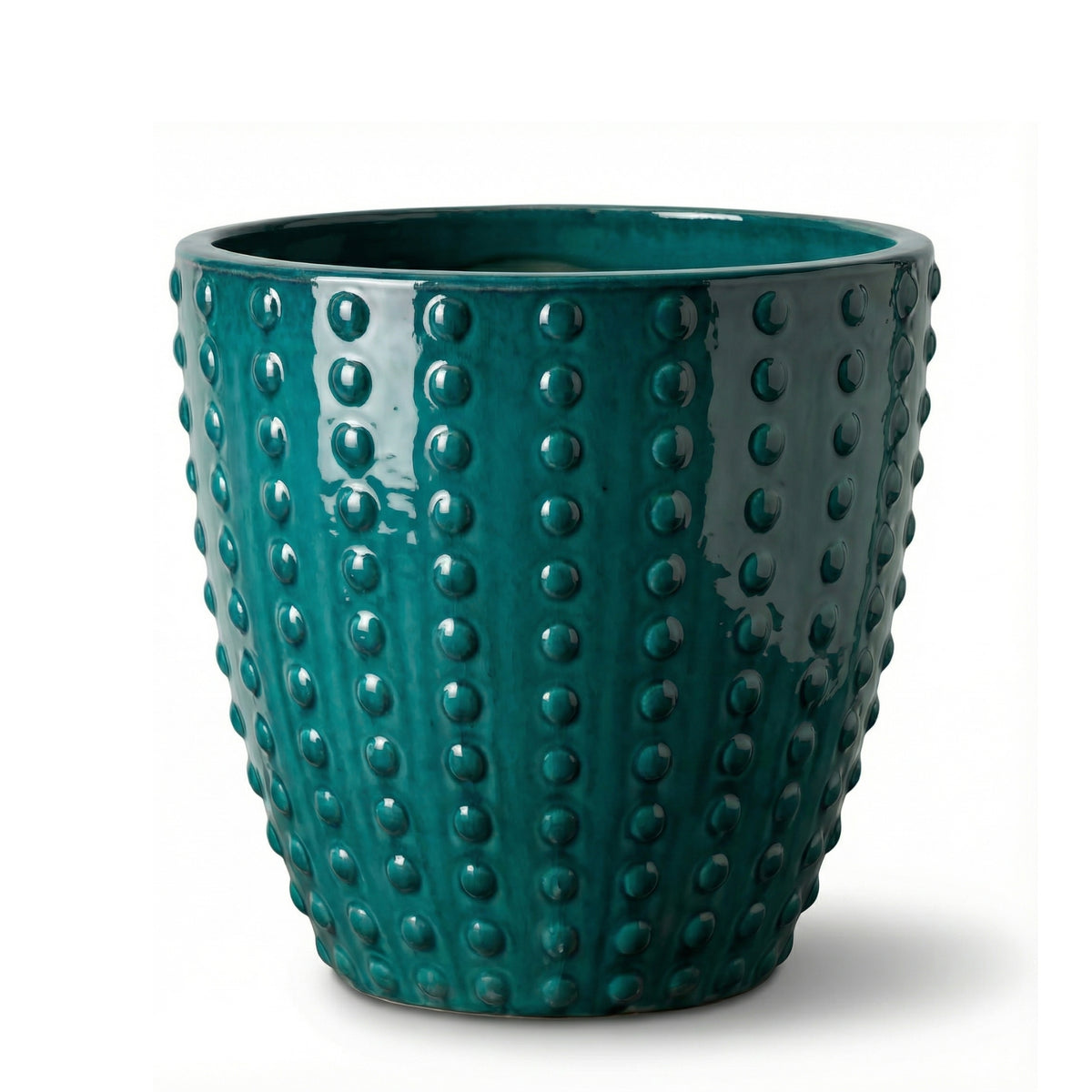


MAZARIN2 37x49cm sapphire, large handmade outdoor pot in glazed terracotta, frost resistant
Sale price69,90€
Regular price79,90€


MAZARIN2 37x49cm jade mist, large handmade outdoor pot in glazed terracotta, frost resistant
Sale price69,90€
Regular price79,90€
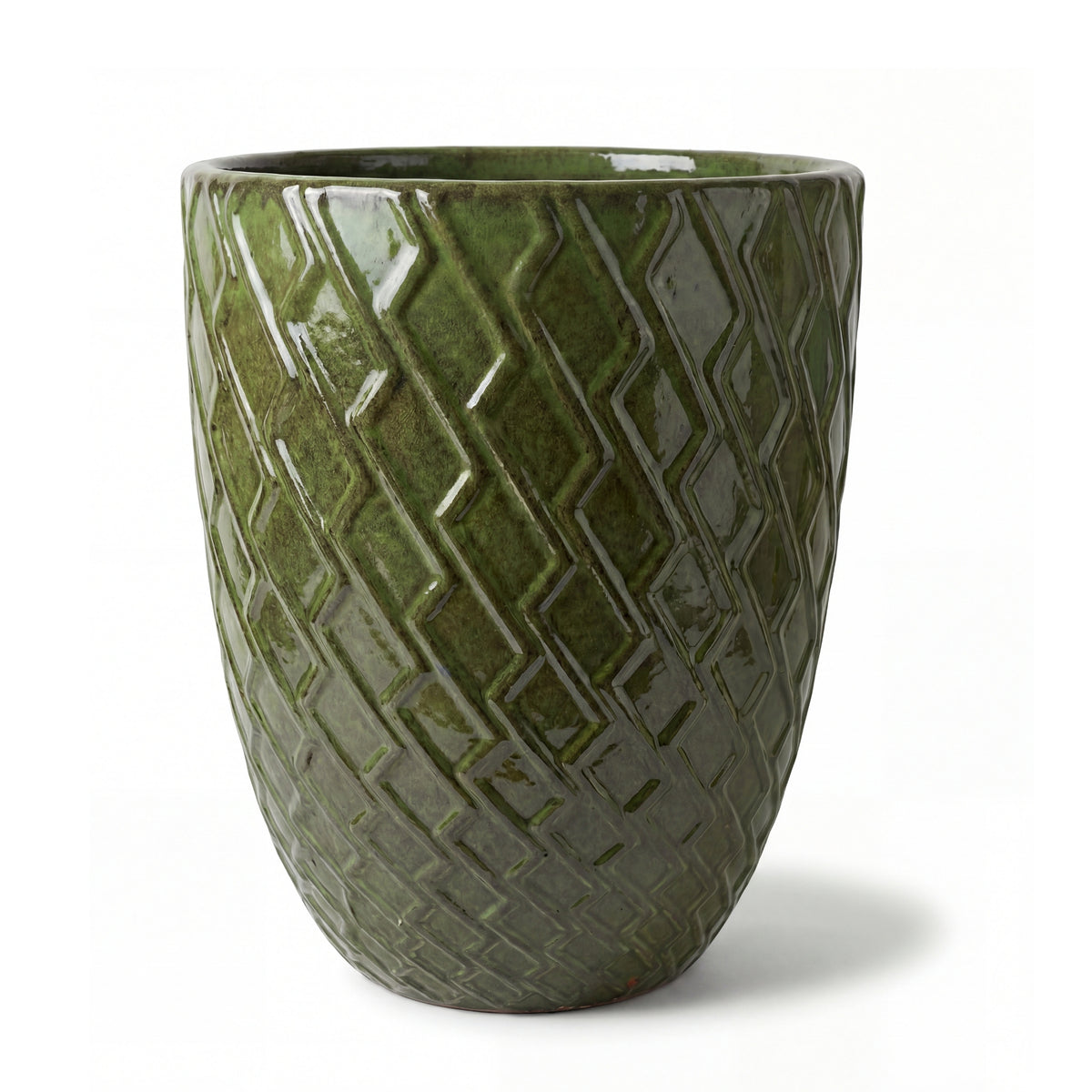

ZEUS 30x44cm deep green, large handmade outdoor pot in glazed terracotta, frost resistant
Sale price39,90€
Regular price49,90€


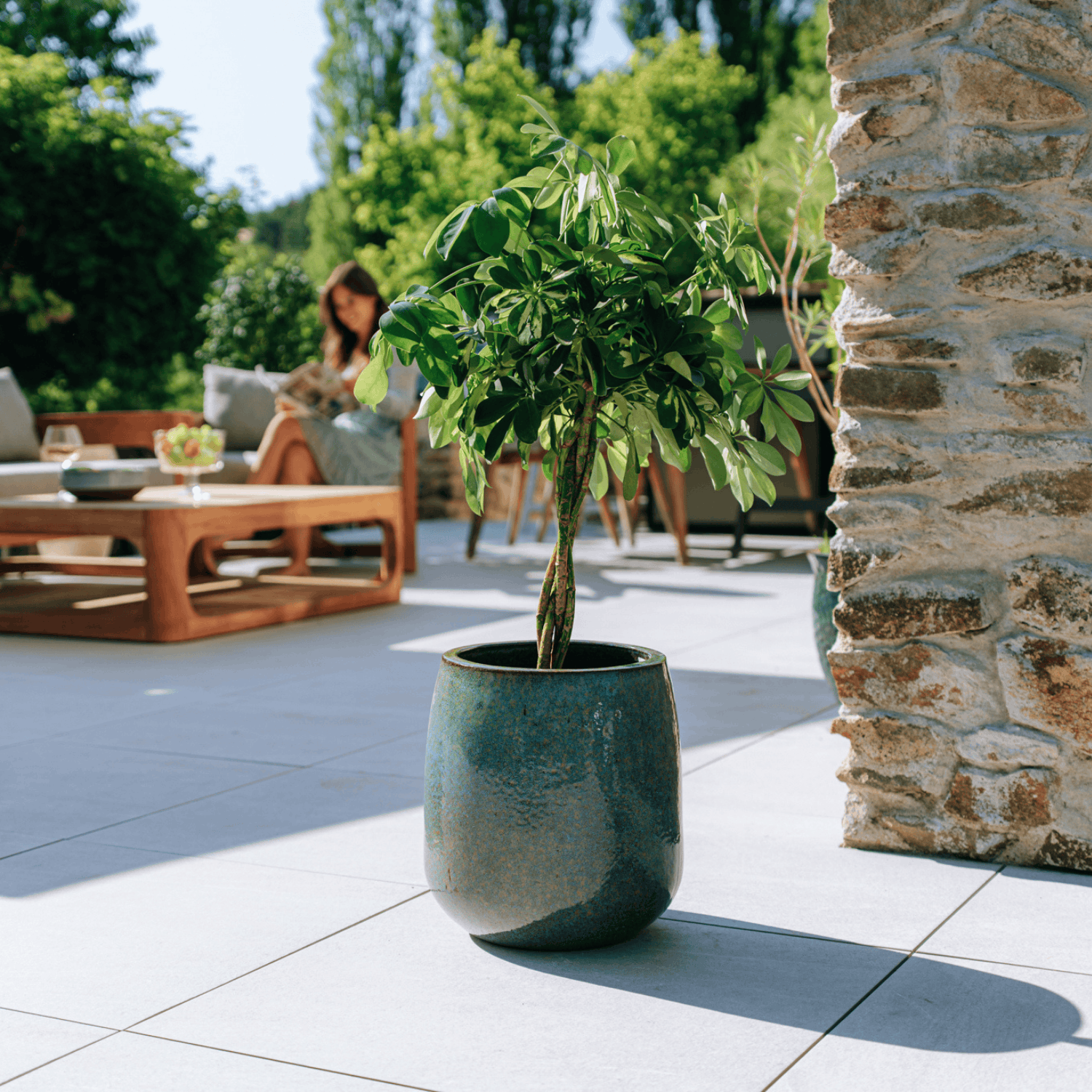
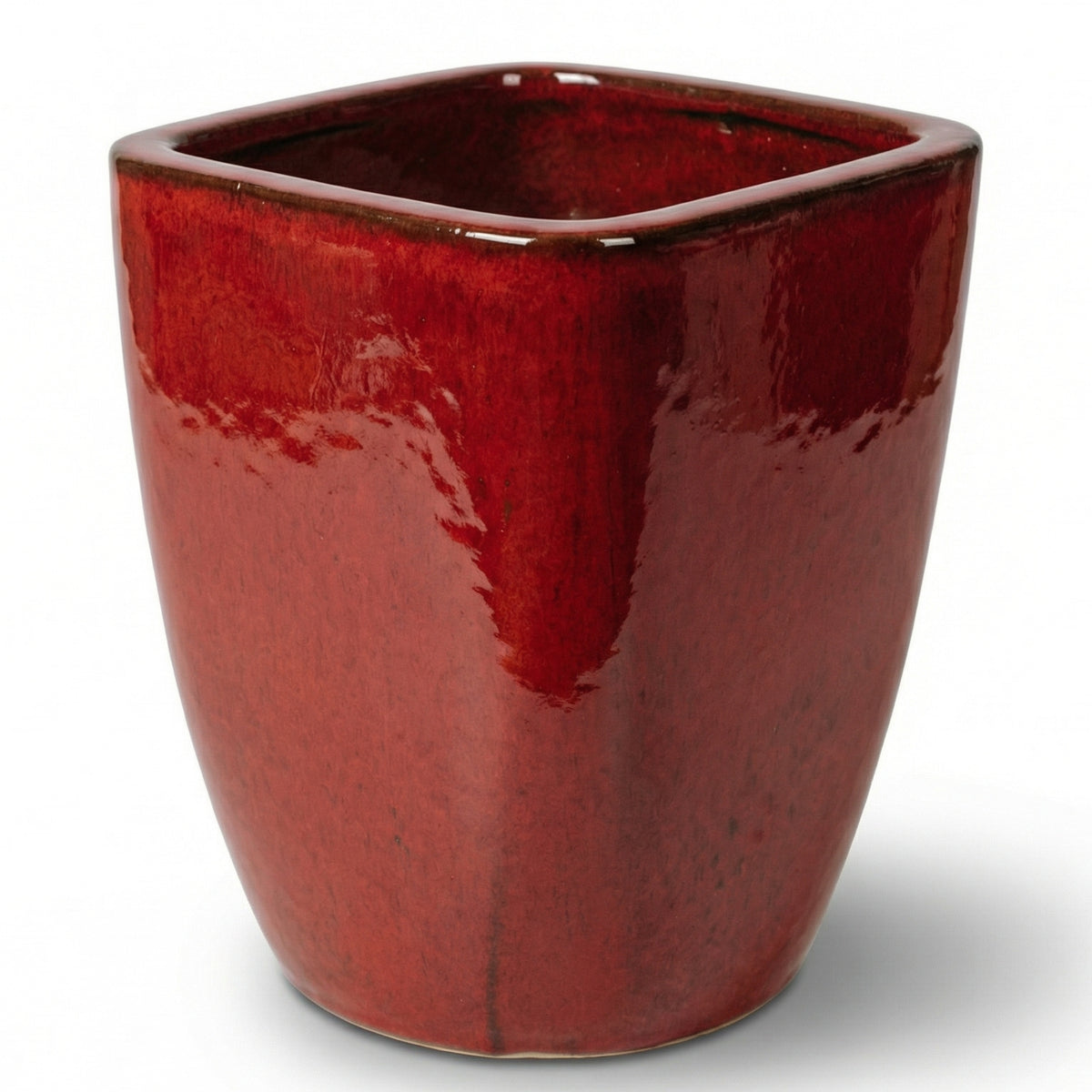
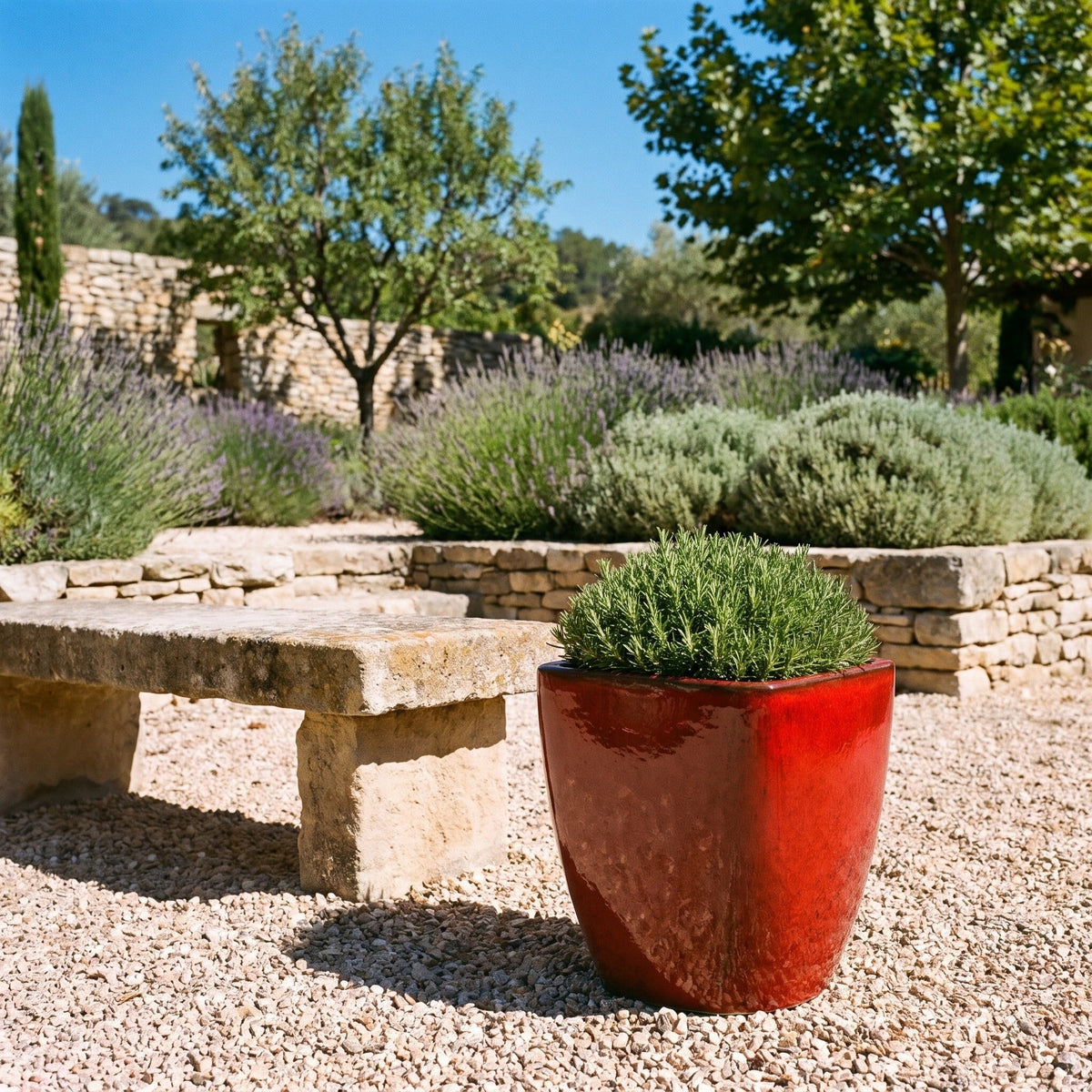
VAUBAN 34x43cm tropical red, large handmade outdoor pot in glazed terracotta, frost resistant
Sale price59,90€
Regular price99,90€
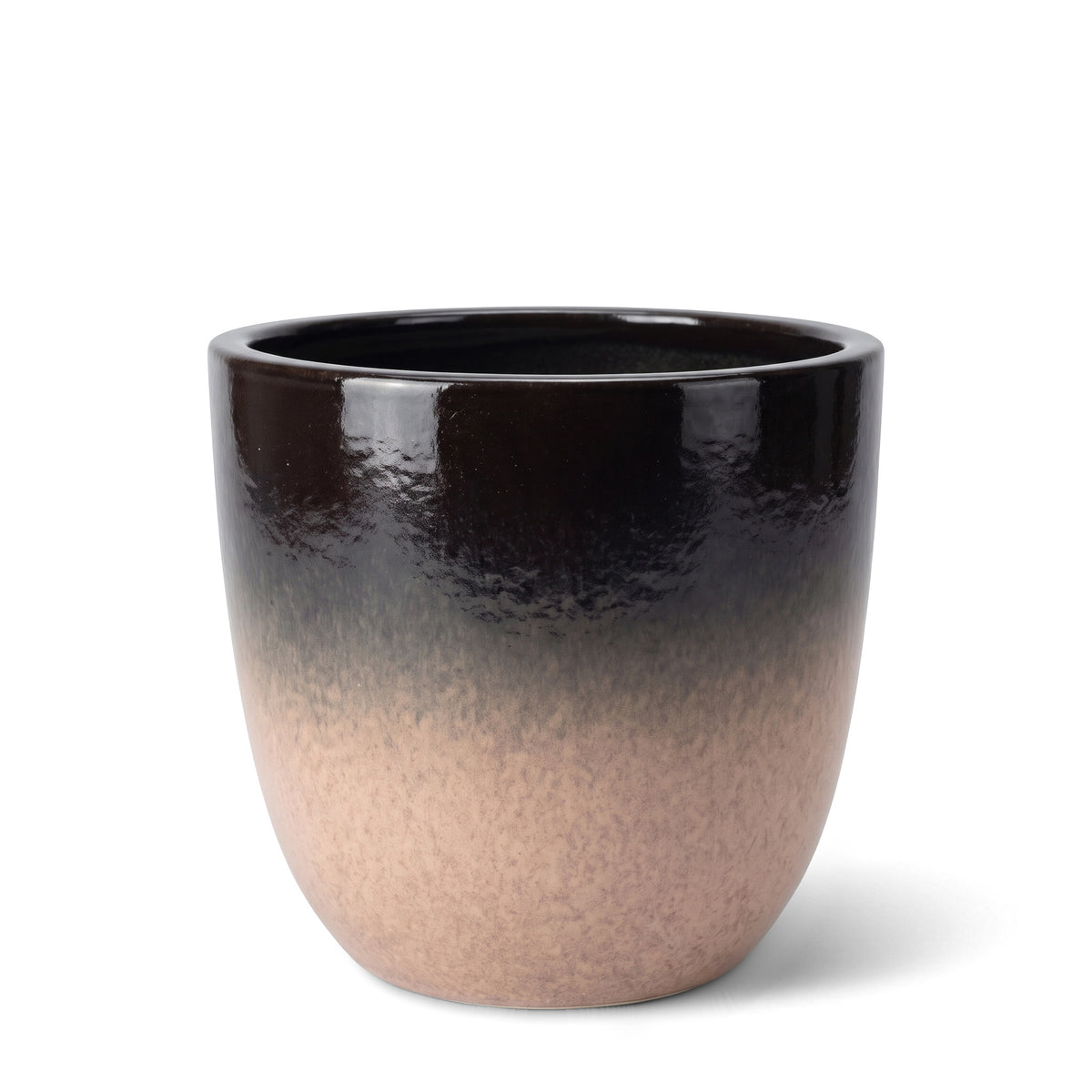
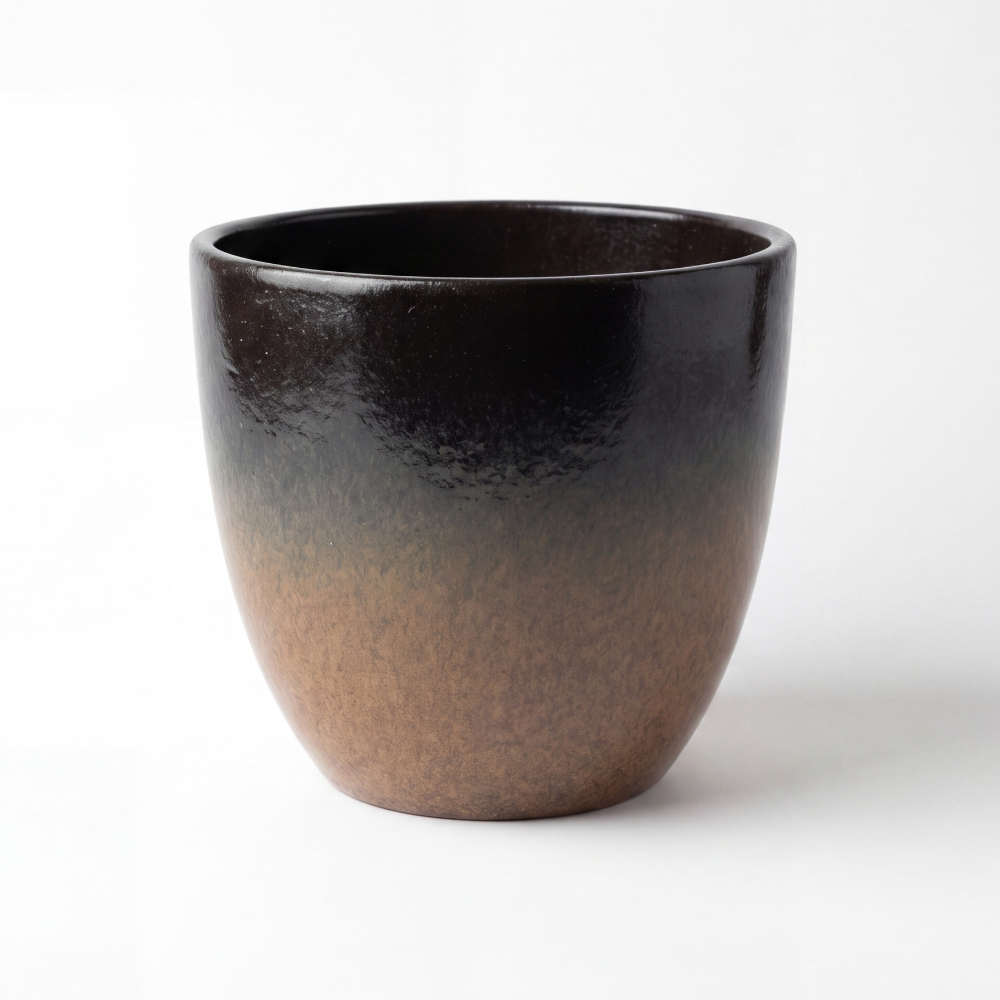
LANCELOT 36x34cm winter mist, large handmade outdoor planter in glazed ceramic, frost-resistant.
Sale price39,90€
Regular price59,90€


EIFFEL 37x70cm black, large handmade outdoor pot in glazed terracotta, frost resistant
Sale price116,90€
Regular price129,90€
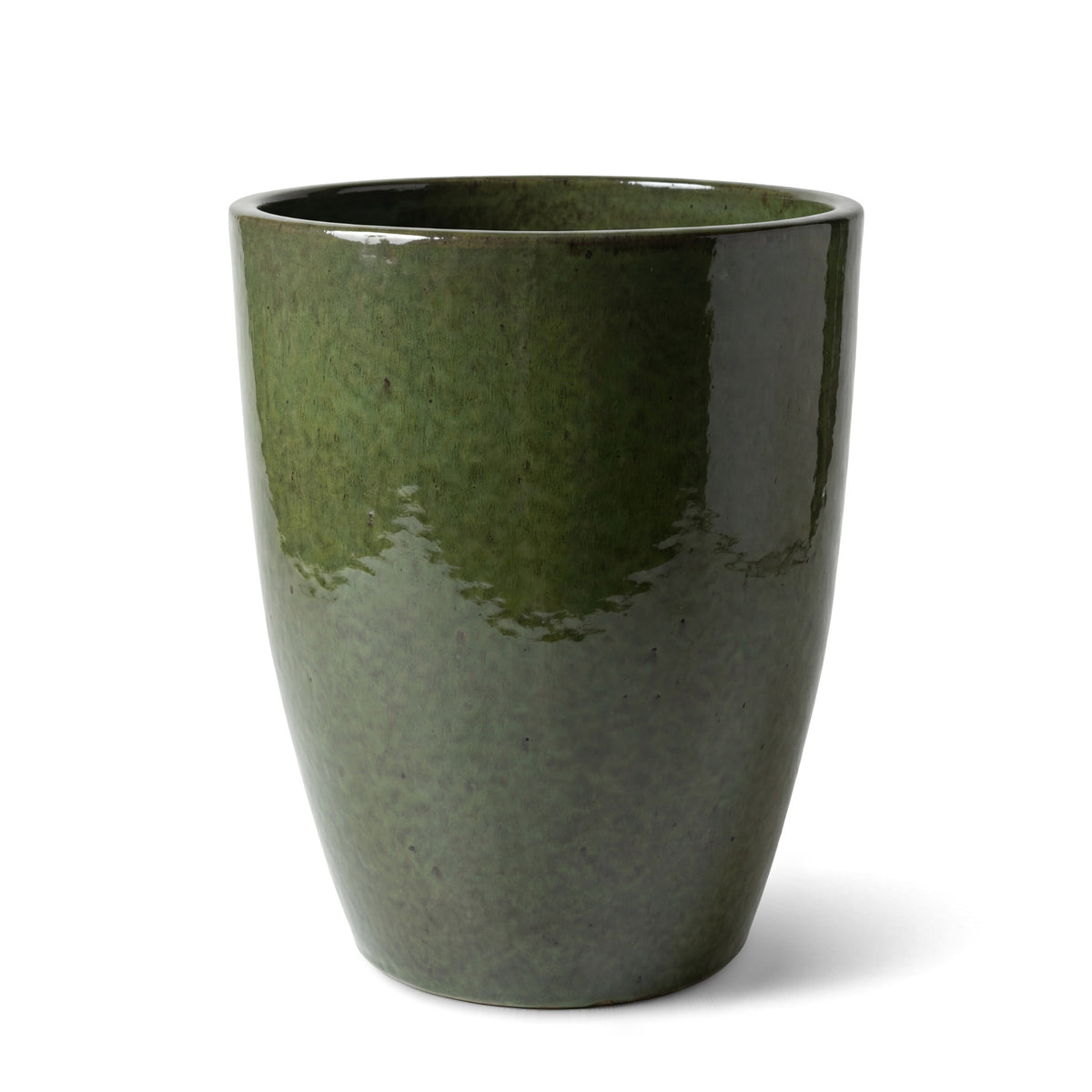

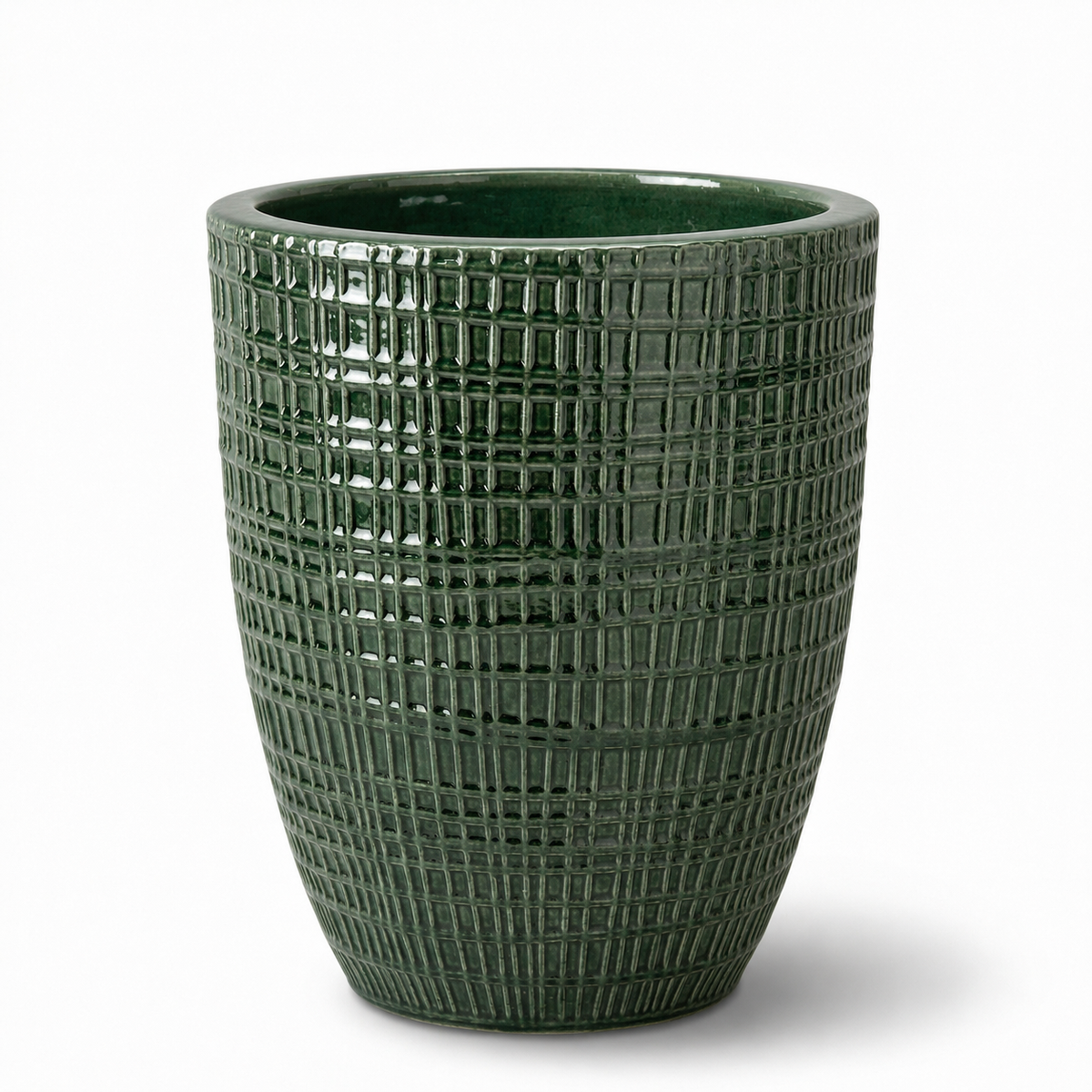
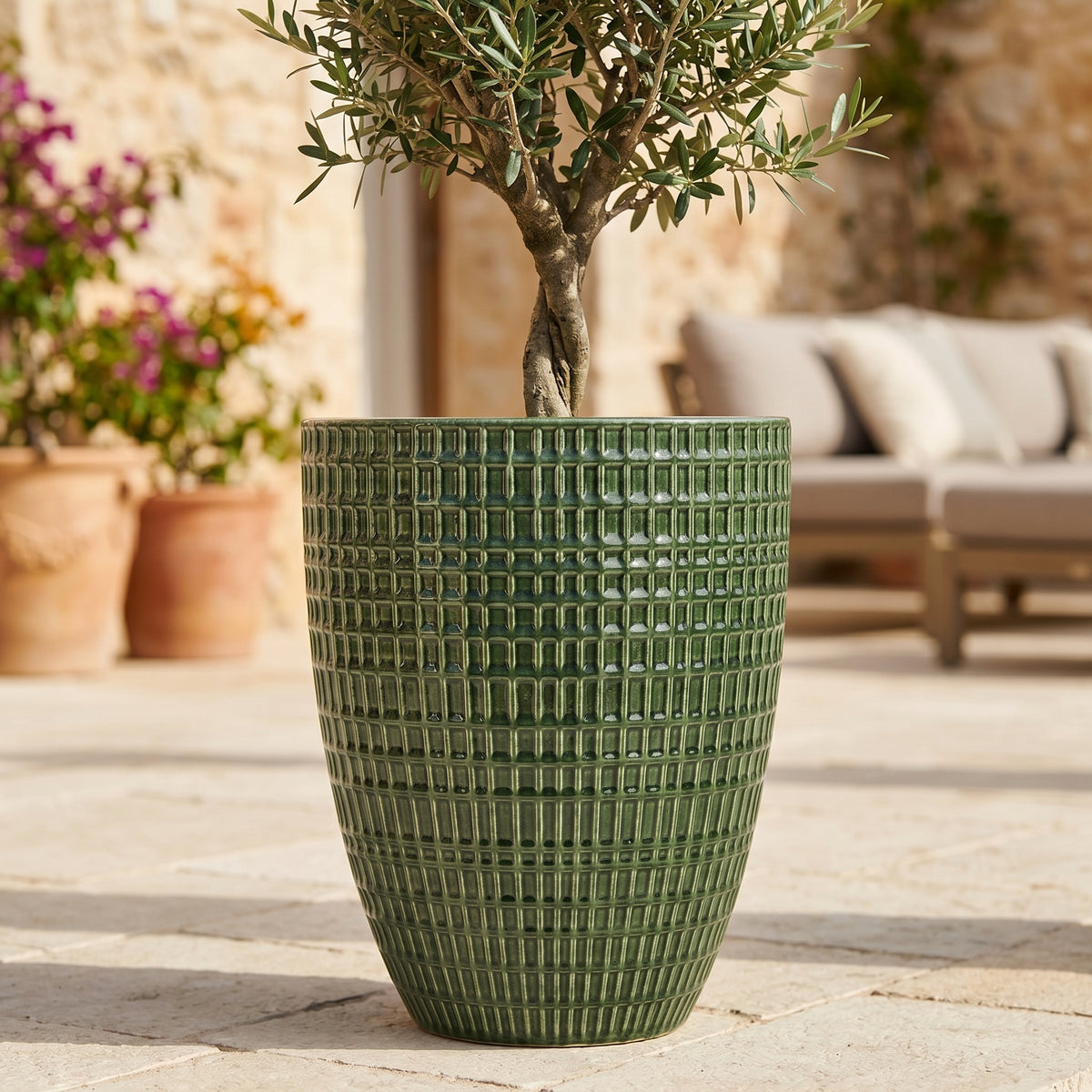
MAZARIN2 37x49cm deep green, large handmade outdoor pot in glazed terracotta, frost resistant
Sale price69,90€
Regular price79,90€


VERNE 32x40cm cobalt blue, large handmade outdoor pot in glazed terracotta, frost resistant
Sale price39,90€
Regular price69,90€
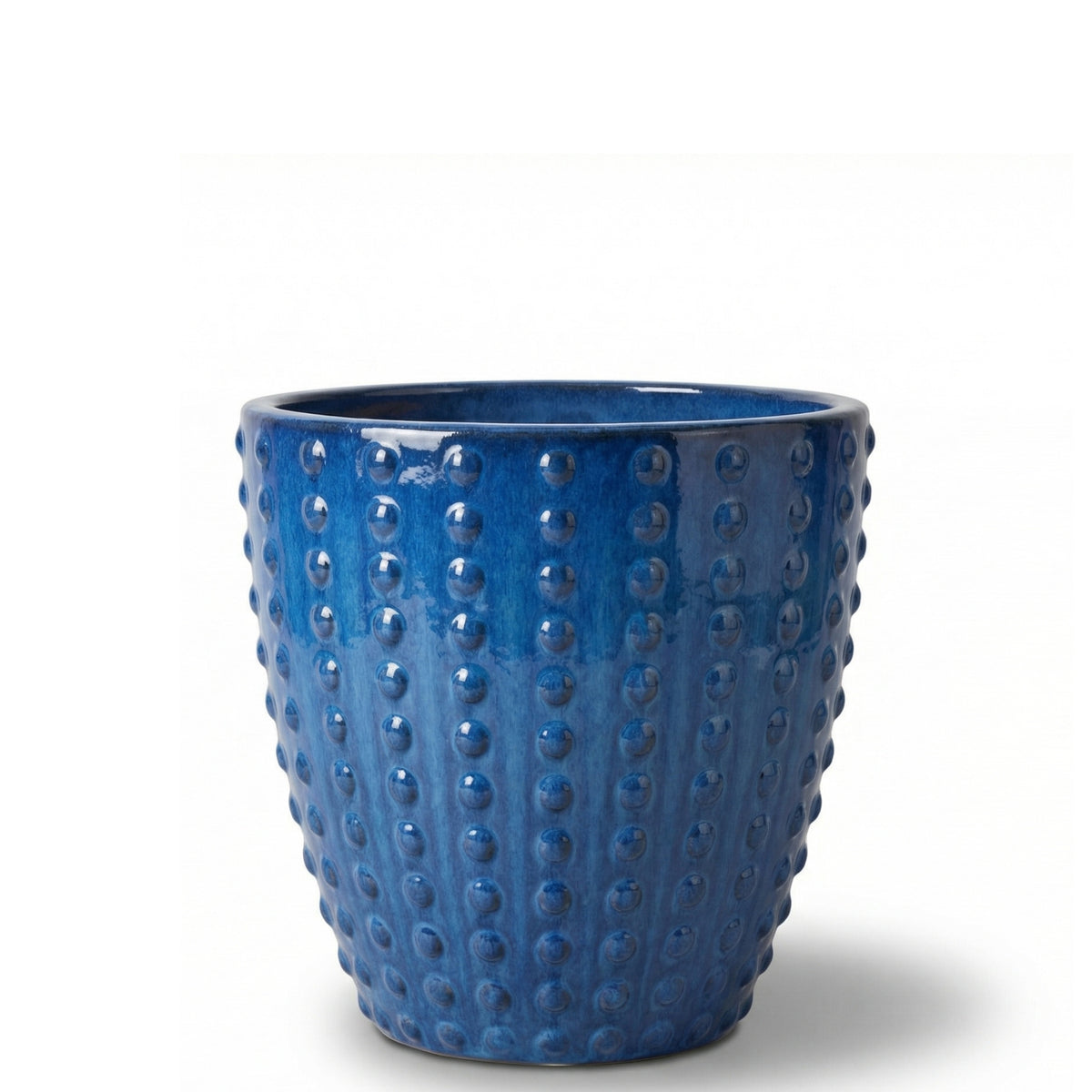

ATTILA 30x29cm antique blue, large handmade outdoor pot in glazed terracotta, frost resistant
Sale price34,90€
Regular price49,90€
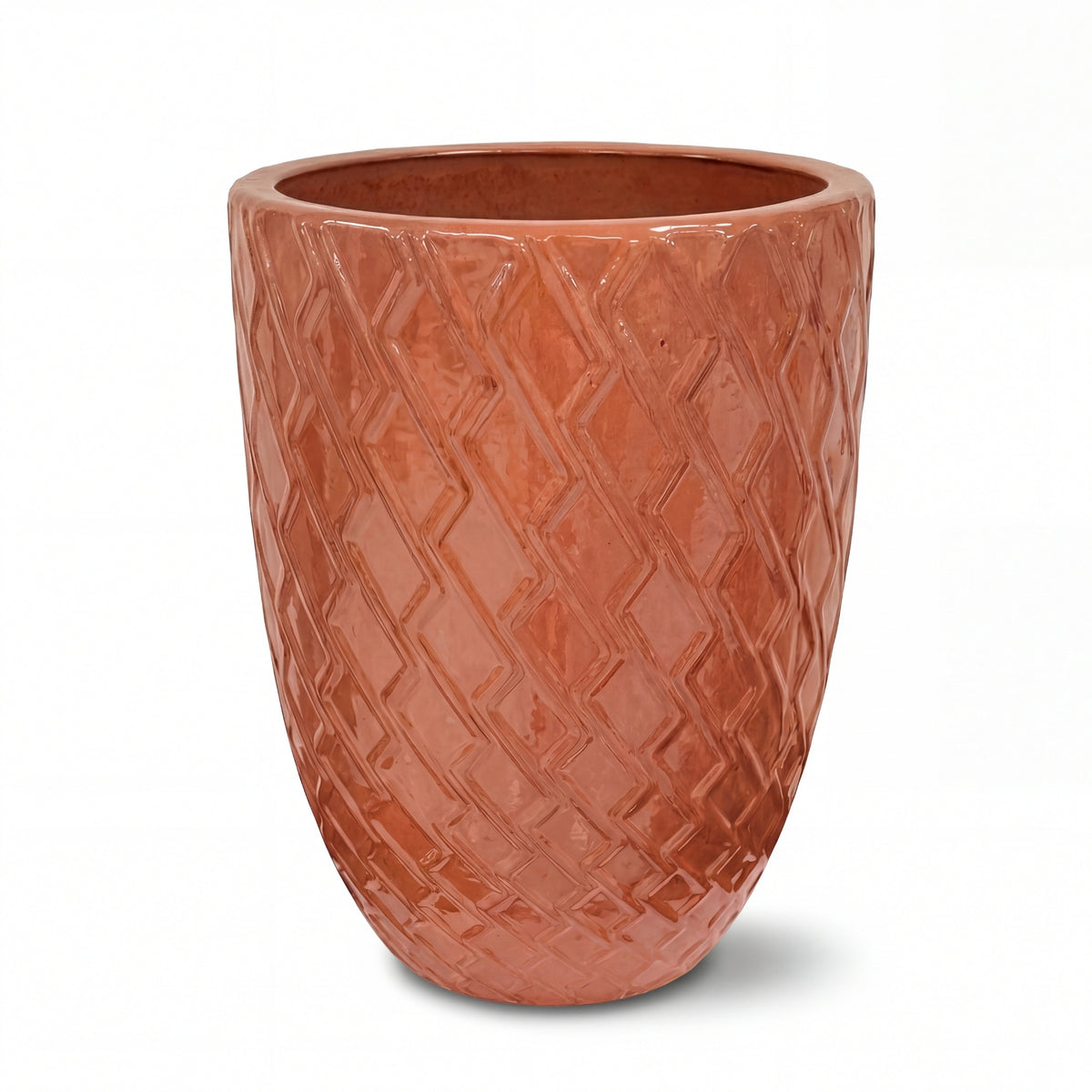
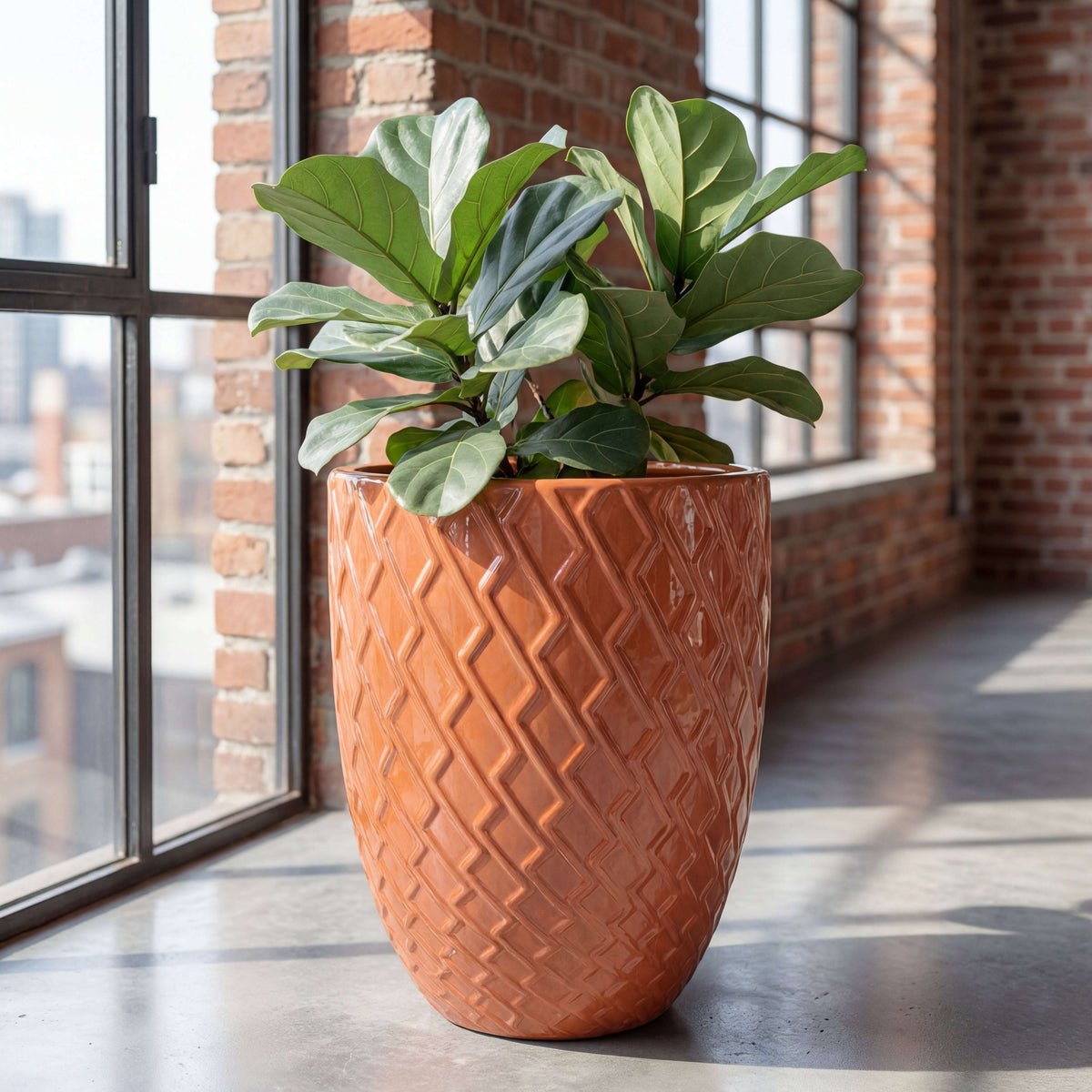
ZEUS 30x44cm aurora, large handmade outdoor pot in glazed terracotta, frost resistant
Sale price39,90€
Regular price49,90€


EIFFEL 37x70cm green cream, large handmade outdoor pot in glazed terracotta, frost resistant
Sale price116,90€
Regular price129,90€
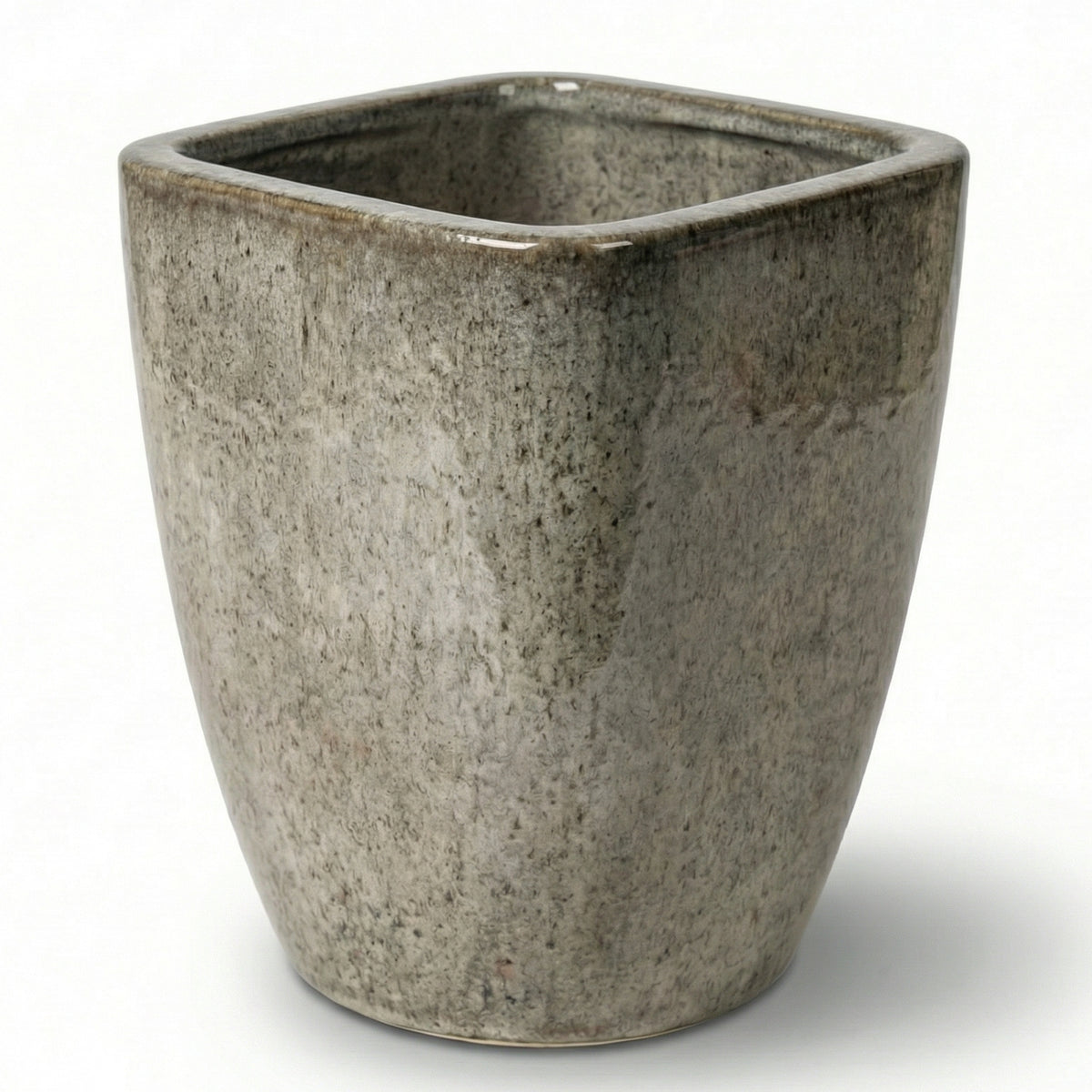

VAUBAN 34x43cm white tiger, large handmade outdoor pot in glazed terracotta, frost resistant
Sale price59,90€
Regular price99,90€
30 cm flower pots