

Provençal rope pottery: the craftsmanship behind our Made in Provence planters
A golden-stone farmhouse, a row of lavender, an olive tree stretching towards the southern light. Sometimes, a single piece is all it takes to give an outdoor space its soul: a terracotta jar, sun-patinated, whose silhouette seems to have travelled through the centuries. This piece has a technical name: it is rope-built, a Provençal craft as rare as it is precise.
At Provencelia, this technique takes shape in the Made in Provence collection, born from an exclusive partnership with Poterie Terre du Sud. Before discovering the Biot and cylindrical planter that make up the collection, let us trace the origins of this artisanal gesture and what it involves, turn after turn.

What is the rope technique in pottery?
The rope technique is a terracotta shaping process that leaves nothing to chance: each piece is built by hand, without an industrial mould, around a wooden and rope structure that guides its inner form.
A Provençal method born in Biot at the end of the 19th century
It was in 1920, in Biot, in the Alpes-Maritimes, that René Augé-Laribé founded La Poterie Provençale and transformed a utilitarian practice into a decorative art. He then invented this distinctive production method: the rope wheel. Jars and oil jars, once designed for storage, became pieces intended to enhance outdoor spaces, while never abandoning their original strength.
The rope wheel, different from coiling and traditional wheel throwing
The rope technique is sometimes confused with coiling, an ancient method consisting of stacking rolls of clay pressed against one another. Both require the same level of manual skill, but their gestures differ: coiling creates a free form through stacking, while the rope wheel relies on a rotating framework to follow a precise volume, closer to the regular silhouette of an amphora. Traditional wheel throwing, meanwhile, shapes the clay directly on a fast wheel, without a template or rope: a quicker method, but one reserved for modestly sized pieces.

The stages of making a rope-built planter
Behind every Made in Provence piece, the same artisanal process is patiently repeated, turn after turn.
- The rope wound around a wooden template: a wooden framework is fixed to the axis of the potter's wheel, then a rope is wound around it. It creates the hollow outline of the future planter's interior.
- Clay applied by hand, turn after turn: the craftsman gradually adds small portions of clay, compressing them against the rope. The shaping time varies according to the dimensions and desired silhouette.
- Smoothing with a rib: once the form is complete, the surface is smoothed using a rubber rib to even out the texture of the clay.
- The gradual removal of the rope: the framework is dismantled at the very beginning of the drying process, then the rope is removed over several days. This stage requires the craftsman's experience: removing it too quickly cracks the piece, while removing it too slowly risks collapse.
- Drying and firing: two to five weeks of drying depending on the season, followed by firing for at least twenty-four hours, which seals the piece's strength and its ability to resist frost, season after season.
Why this technique creates unique pieces
A rope-built piece never emerges twice identical from the same gesture. The texture of the whitewashed terracotta, the thickness of the wall, the subtle variations in colour on the glazed neck: every nuance is the signature of handmade work, never a flaw. This is also what brings these planters close to the ancient amphorae they evoke: a timeless appearance, designed to endure the years spent outdoors as well as indoors.

The Made in Provence collection: an exclusive partnership with Poterie Terre du Sud
This collection was born from an exclusive partnership between Poterie Terre du Sud and Provencelia. Each piece comes from a very small artisanal production: rope-built, it bears the hand of the craftsman who shaped it.
The Biot, a silhouette inherited from the jars of the past
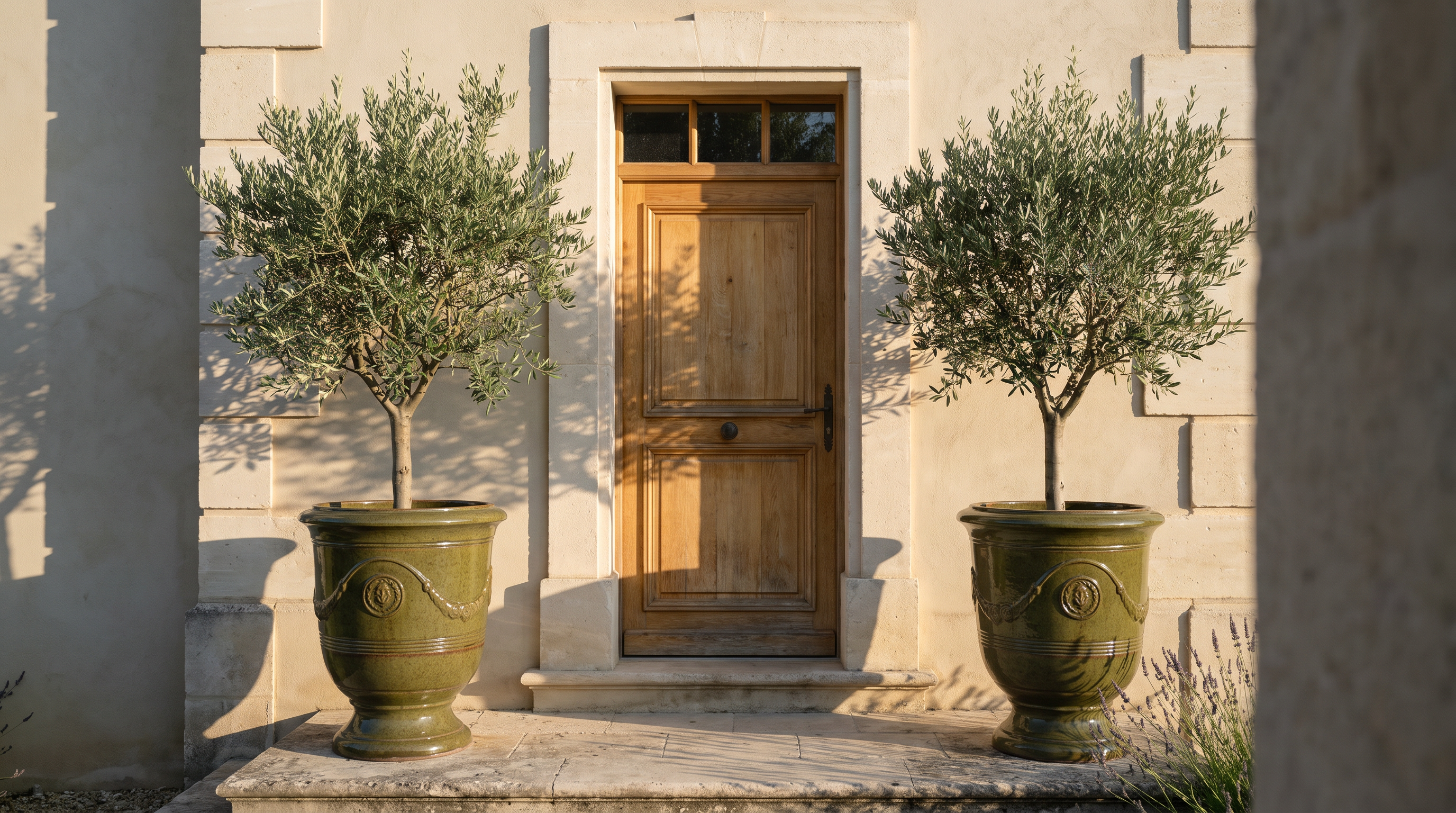
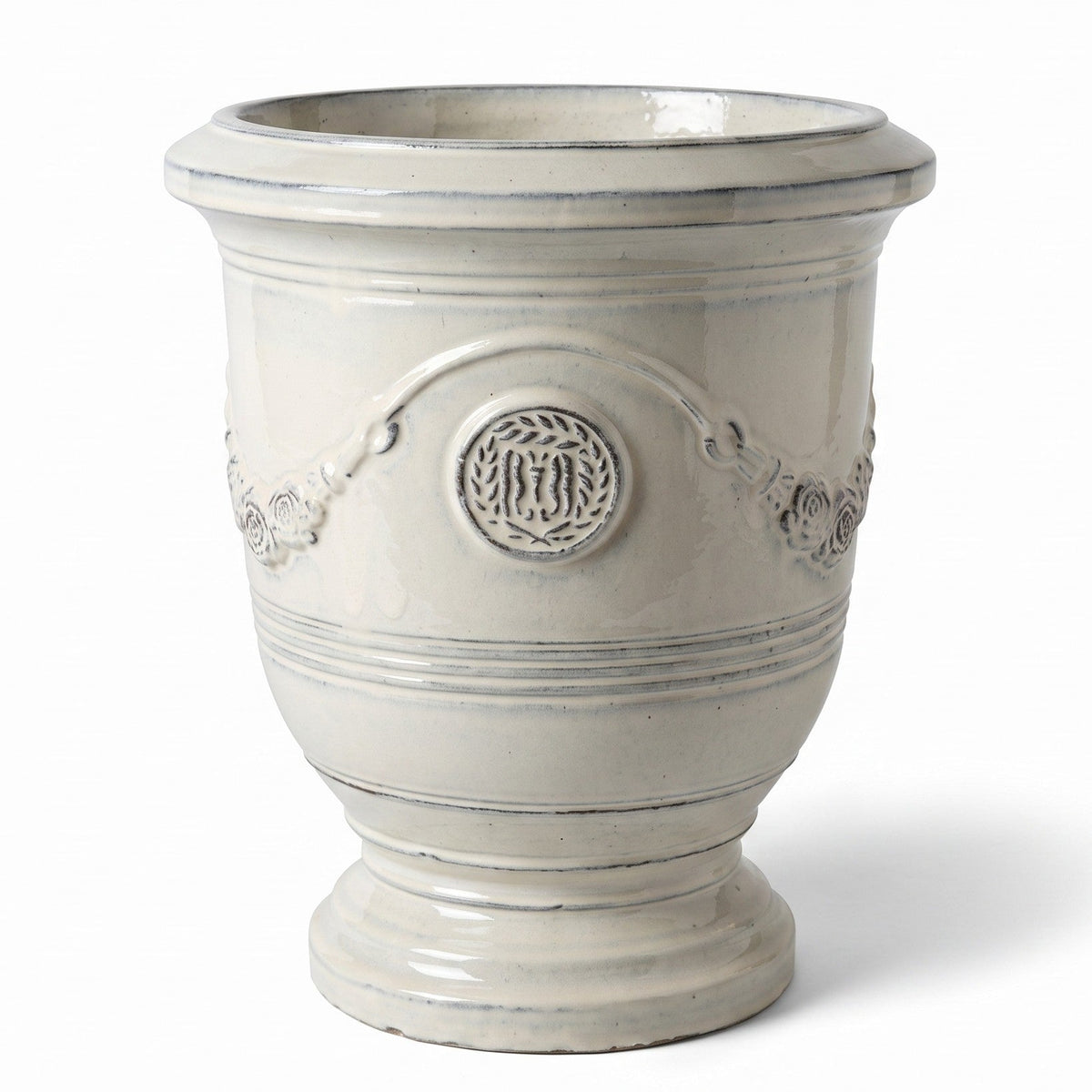
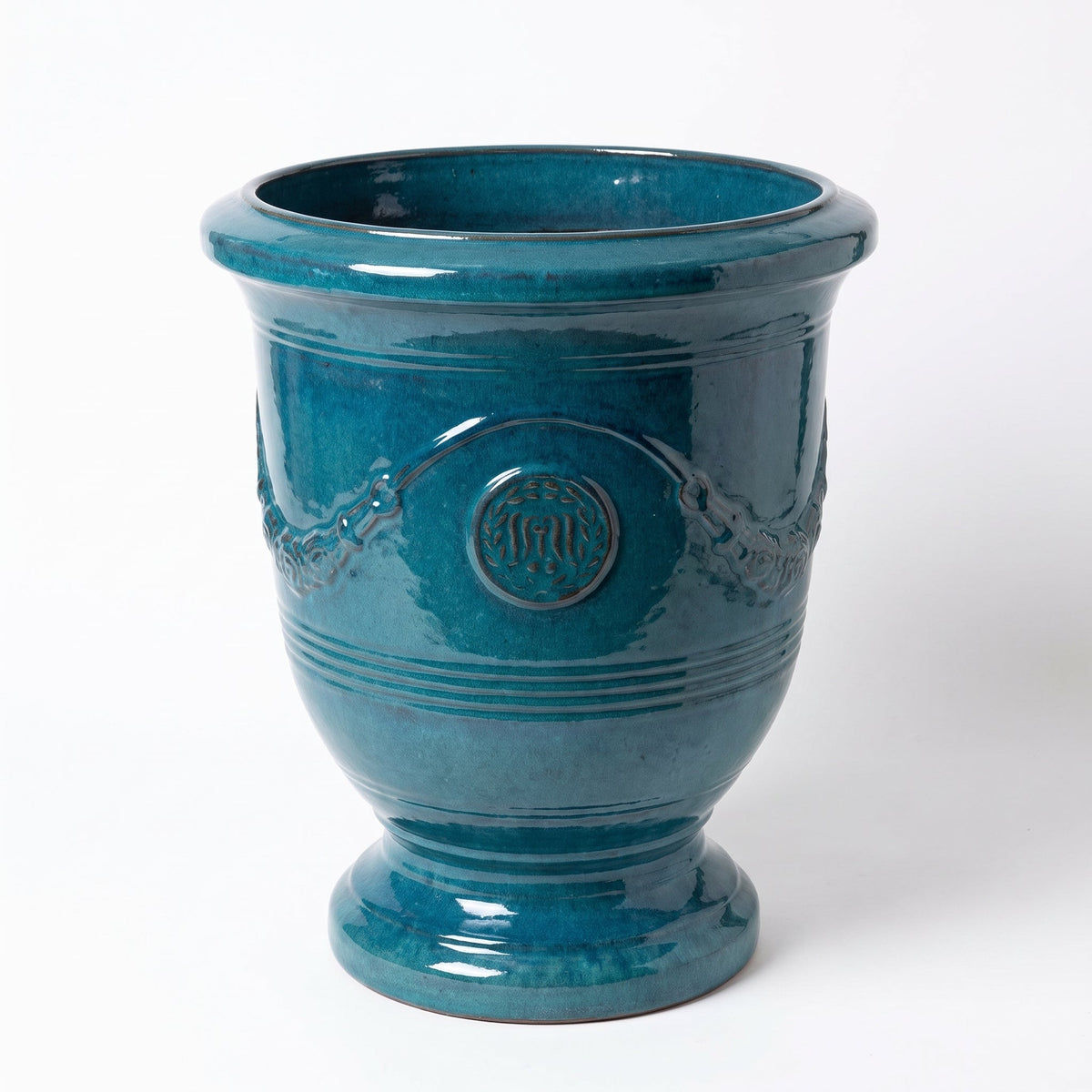
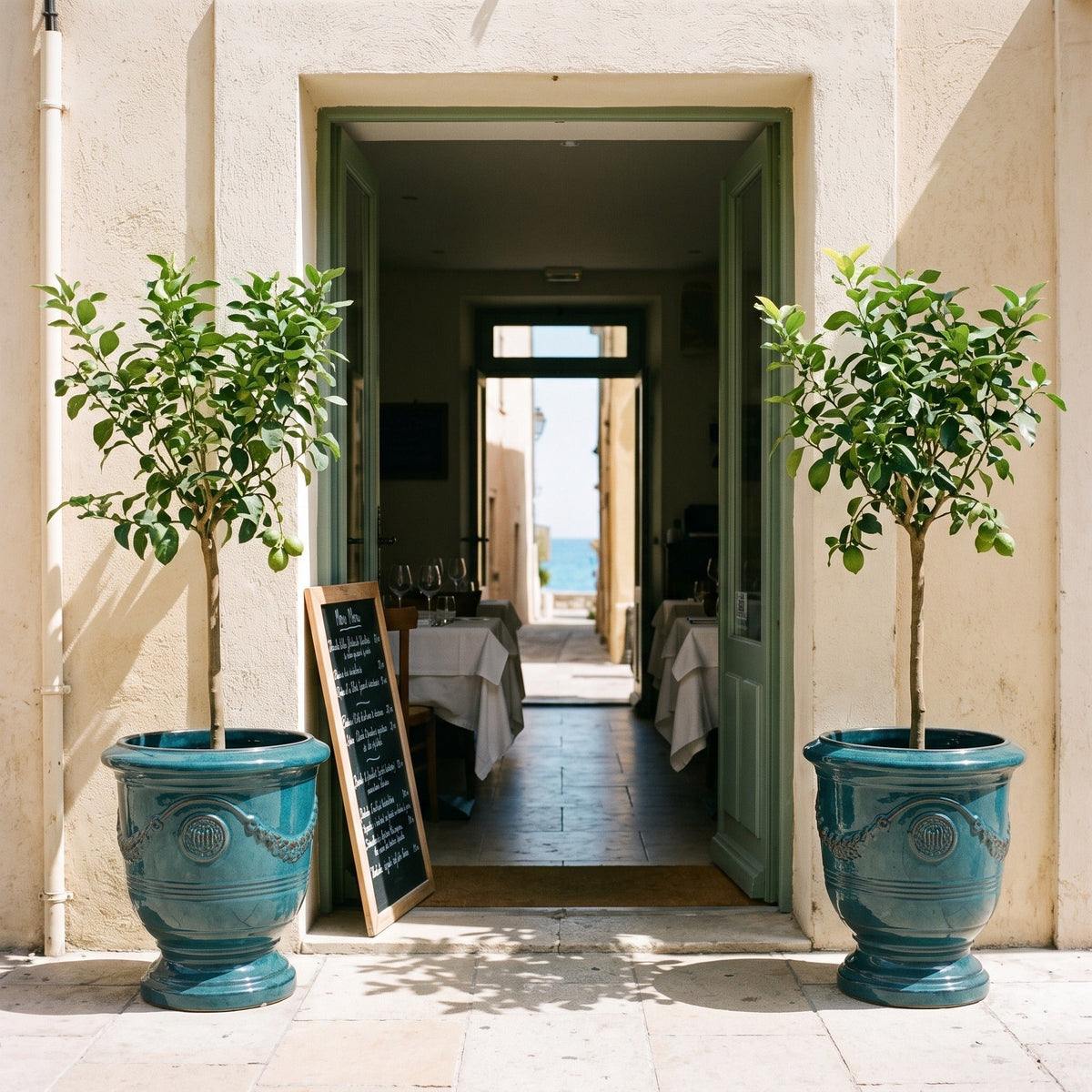
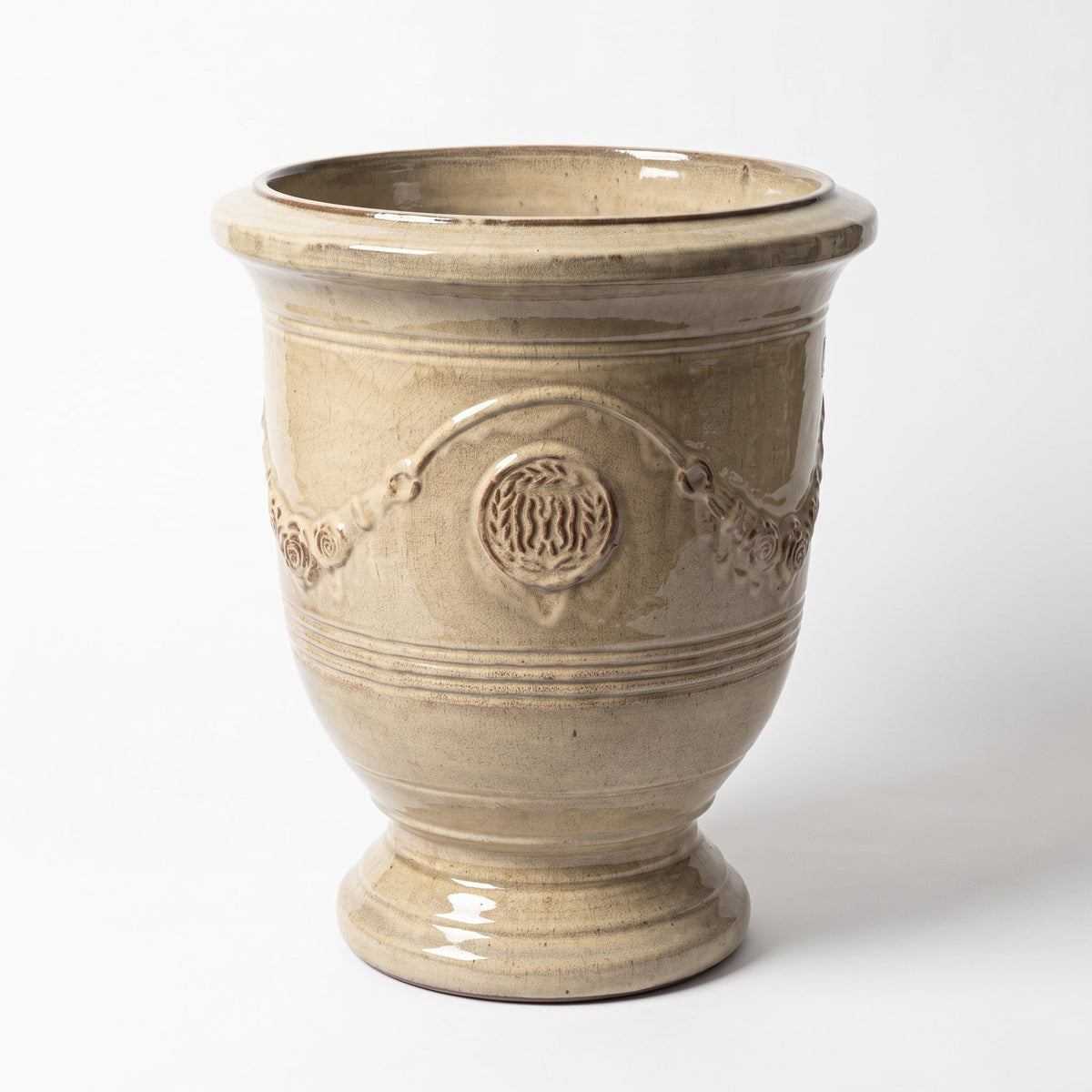
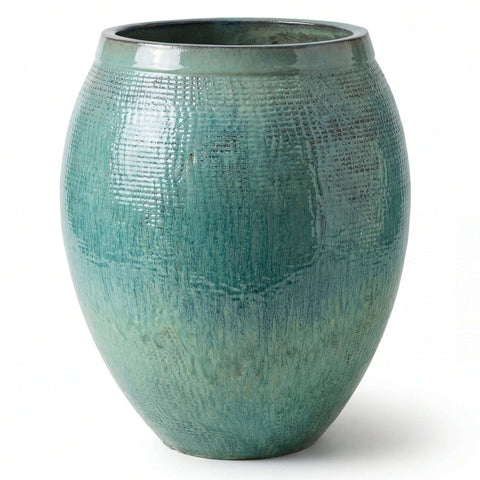
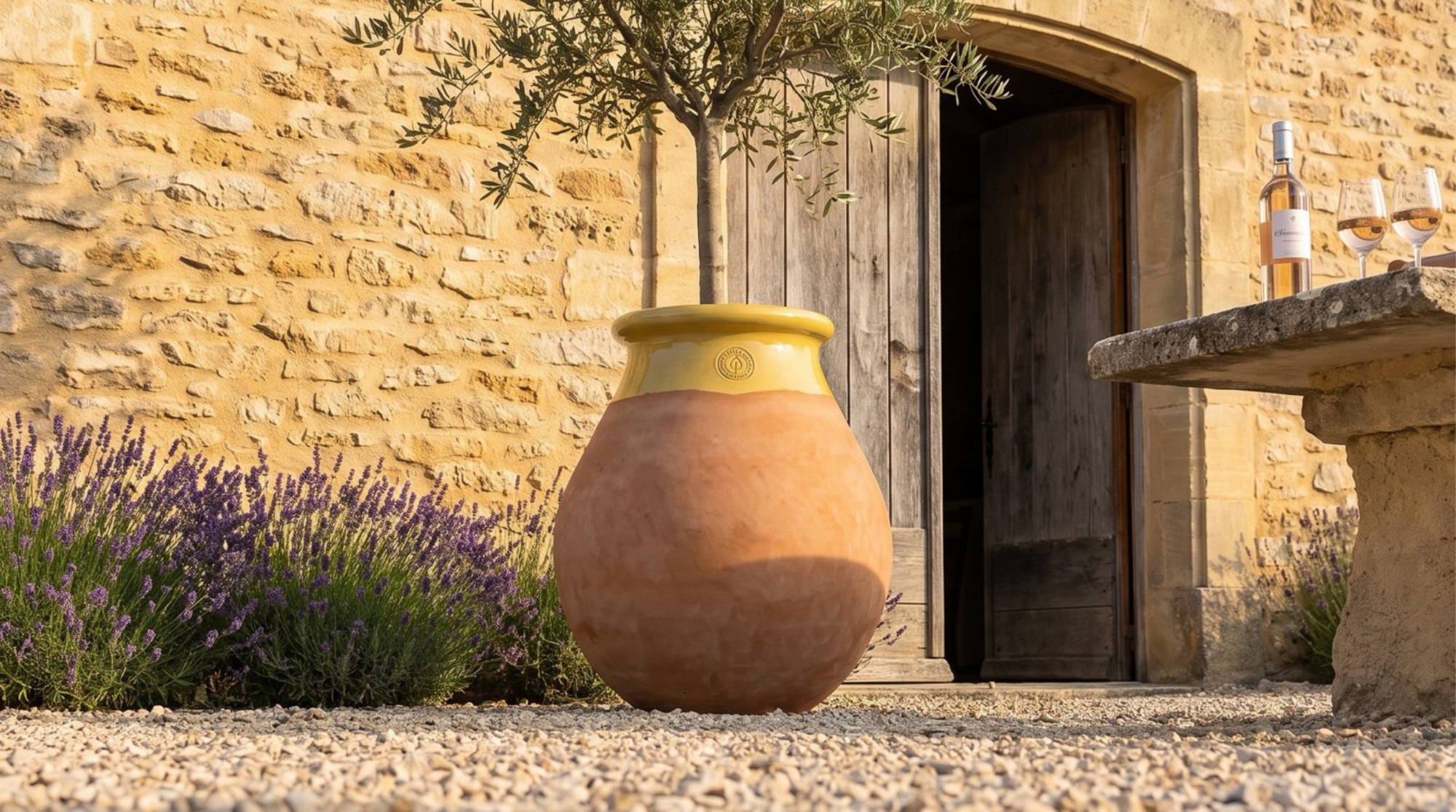
Recognisable by its honey-toned glazed neck and generous body in whitewashed terracotta, the Biot 63 cm and Biot 85 cm take up the classic silhouette of Provençal jars. Placed at a property entrance or on a terrace, this piece captures the southern light and is frost-resistant, season after season.
The cylindrical planter, a contemporary line shaped using the rope technique
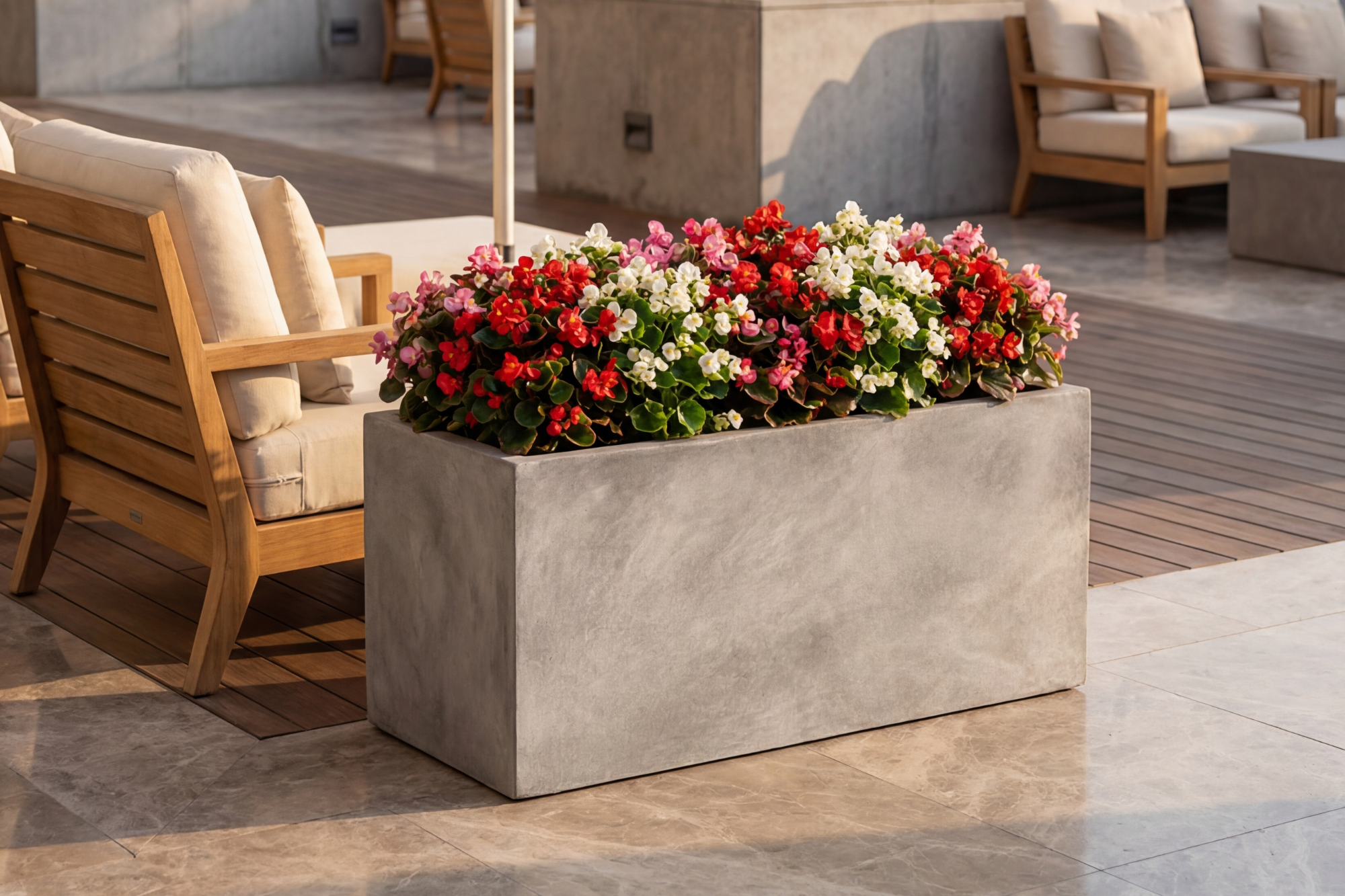
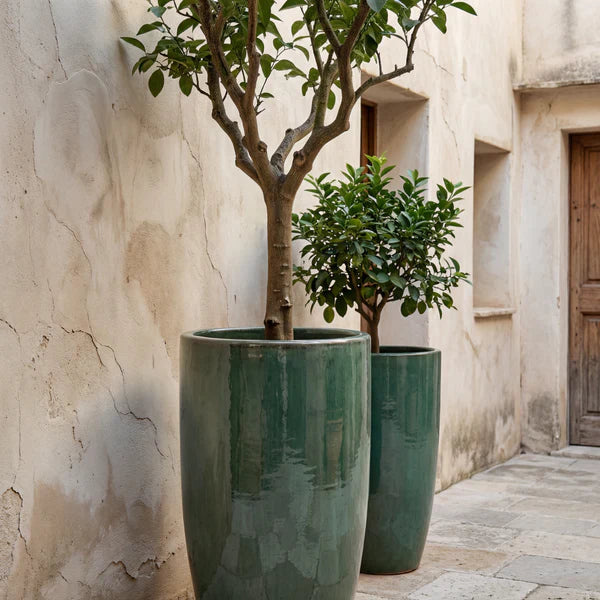
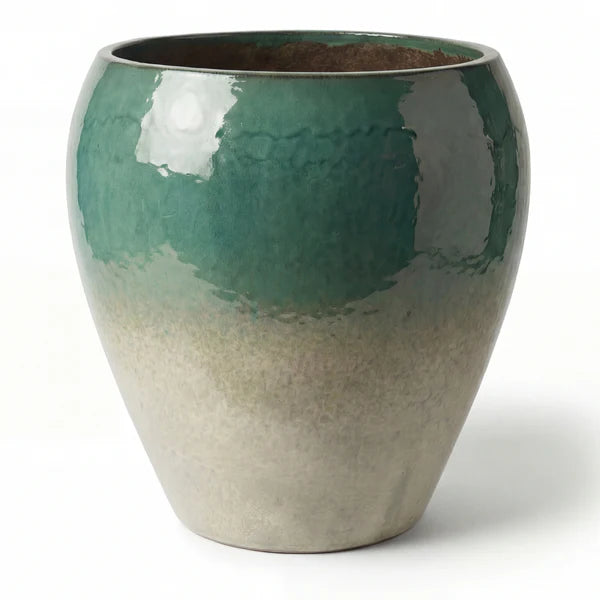
More pared-back, the cylindrical planter revisits the same craft in a more vertical silhouette. Available in 55 x 90 cm and 80 x 90 cm, it reveals the same whitewashed terracotta texture, patinated by the light, for a more contemporary line.
Discover all these pieces in the Made in Provence collection.

Where and how to place a rope-built planter in your home
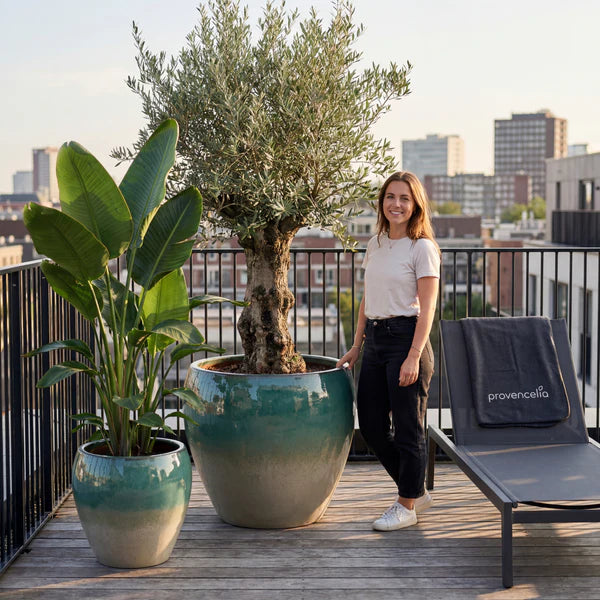
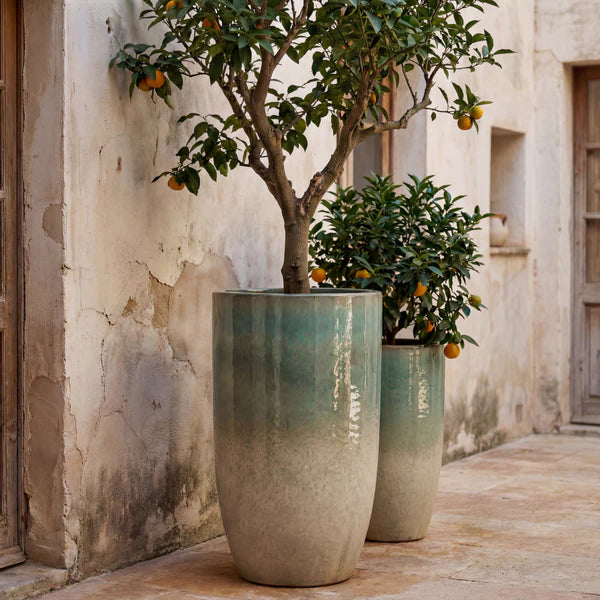
Planted with an olive tree, this type of planter naturally finds its place at a property entrance, where it sets the style of a place at first glance. On a terrace, it combines with other materials to create a harmonious atmosphere, as we explain in our article Glazed ceramic and recycled fibre concrete: creating a harmonious terrace. For a farmhouse entrance or driveway, you can also find our ideas in Enhancing an entrance with XXL planters: our ideas.
Frost-resistant, this planter can stay outdoors all year round. To care for it with confidence in winter, our guide Frost-resistant garden planters: how to choose and protect them this winter sets out the right steps to take.
A piece of the art of living, above all
Owning a rope-built planter is not simply about choosing a container for your plants: it is about welcoming a living craft, passed down from Biot, and a piece designed to last. On a terrace, at a property entrance or beside an olive tree, the Biot and cylindrical planter from the Made in Provence collection bring soul to your outdoor spaces.